
Related topic: This article is part of Metabolic and Prescription Longevity Drugs. If you want the broader overview, start with Prescription Longevity Drugs: Clinical Guide To Preventive Medicine. The search for interventions that slow aging has moved from folklore to rigorous science. Among the compounds showing genuine promise, acarbose stands out with some of the most reproducible results in longevity research. Originally developed for diabetes management, this prescription medication is now attracting attention from researchers and biohackers seeking to extend lifespan through metabolic manipulation.
This article examines the evidence for acarbose longevity claims, covering its biochemical mechanisms, landmark mouse studies from the Interventions Testing Program, human clinical data on blood sugar control and body weight, safety considerations, and practical protocols. You’ll learn how acarbose compares to other carb blockers, what the research actually shows, and how to think about this drug in context of broader anti aging strategies.
Introduction to Acarbose Longevity
Acarbose is a prescription alpha-glucosidase inhibitor that works by competitively binding to enzymes in the small intestine—specifically sucrase, maltase, and glucoamylase. These enzymes normally break down complex carbohydrates into simple sugars like glucose. By blocking them, acarbose delays carbohydrate absorption and blunts the sharp rise in blood glucose that typically follows a meal.
The drug was originally approved for managing type 2 diabetes, where its primary function is reducing postprandial glucose spikes. However, its mechanism of action touches on several pathways implicated in the aging process, making it a candidate for longevity research.
The goal of this article is to assess acarbose as a potential anti aging intervention by examining:
- The biochemistry behind its effects on glucose metabolism and gut bacteria
- Results from the gold standard mouse longevity studies
- Available human evidence on metabolic health outcomes
- Safety profiles and practical implementation guidance
Acarbose Within Carb Blockers And Starch Blockers
When positioning acarbose among available options, it helps to understand the spectrum of carb blockers available today.
Acarbose sits at the pharmaceutical end of this spectrum. As a prescription drug regulated by the FDA, it undergoes rigorous testing for safety, efficacy, and consistency. The typical dosing ranges from 25 to 100 mg taken three times daily with meals, and the inhibition of intestinal glucosidases approaches near-complete blockade at therapeutic doses.
On the other end are over-the-counter starch blockers, most commonly derived from white kidney bean extract (phaseolus vulgaris). These supplements contain phaseolamin, which inhibits alpha-amylase rather than glucosidase enzymes. The key differences are substantial:
| Feature | Prescription Acarbose | OTC Starch Blockers |
|---|---|---|
| Active mechanism | Alpha-glucosidase inhibition | Alpha-amylase inhibition |
| Inhibition strength | 50-70% of target enzymes | 10-20% of starch digestion |
| Regulatory oversight | FDA Phase III trials | Dietary supplement rules |
| Longevity data | ITP-validated mouse studies | None available |
| Dosing precision | Standardized | Variable by product |
The regulatory differences matter considerably. Acarbose must demonstrate safety and efficacy through controlled trials before reaching patients. Herbal supplements and OTC products fall under dietary supplement regulations, which require minimal pre-market approval. This leads to inconsistent potency, potential contaminants in 10-20% of products, and unverified claims about anti aging effects.
If you’re interested in carb blocking for longevity rather than just weight management, the evidence base overwhelmingly favors prescription acarbose over supplement alternatives.
Mechanisms: Blood Sugar, Resistant Starch, And Microbiome
Understanding how acarbose might slow aging requires examining three interconnected pathways: glucose control, resistant starch delivery, and microbiome modulation.
Blood Glucose Blunting
When you eat carbs, digestive enzymes break them into glucose, which enters the blood stream and triggers insulin release. Sharp spikes in blood glucose levels activate multiple pathways associated with aging, including mtor signaling and advanced glycation end-product formation.
Acarbose interrupts this process by delaying carbohydrate breakdown. Studies in diabetic patients show 30-50% reductions in postprandial glucose excursions. This reduced glucose load means lower peak insulin levels and diminished activation of insulin signaling pathways tied to cellular aging.
The drug also reduces fasting IGF-1 levels, a hormone closely linked to the mechanistic target of rapamycin (mTOR) pathway. Lower mTOR activity is associated with enhanced autophagy and longer lifespan across multiple species.
Resistant Starch Production
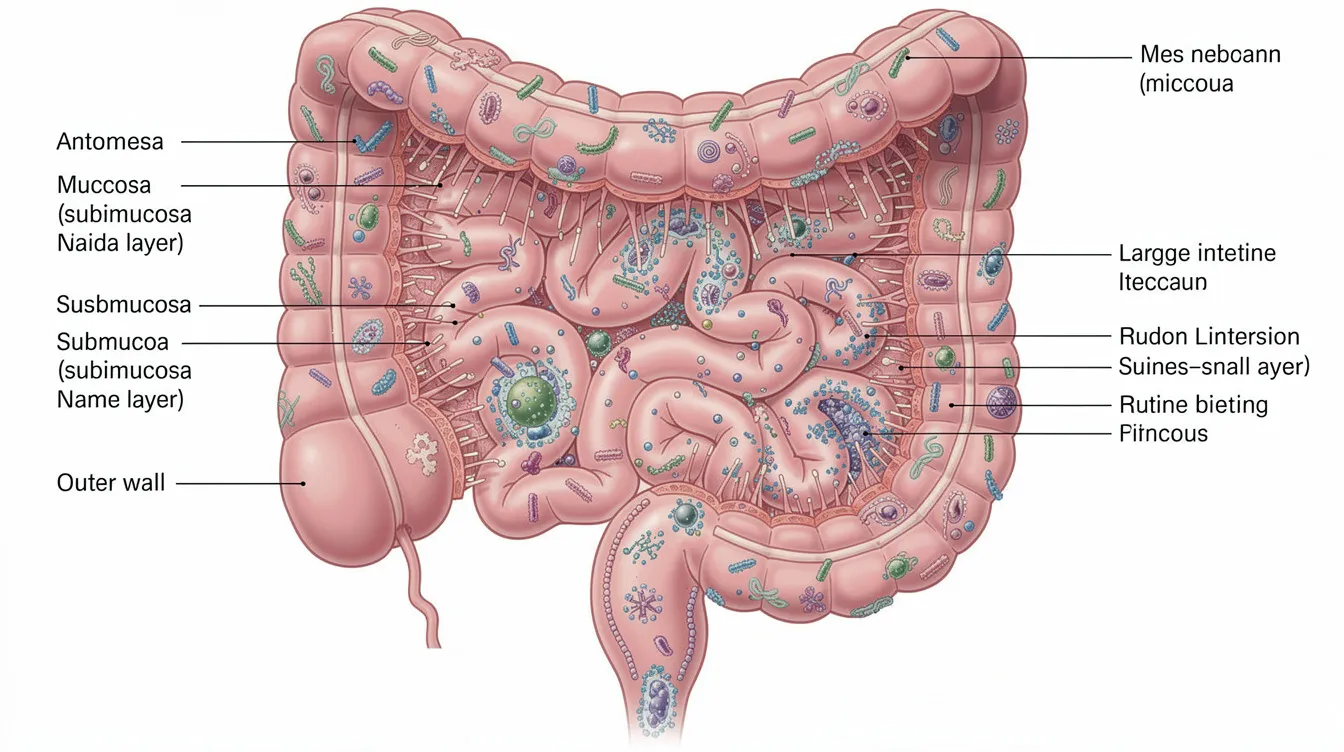
Because acarbose prevents complete starch digestion in the upper gut, more undigested oligosaccharides reach the colon. This effectively increases resistant starch delivery to the lower intestine, similar to what happens when people eat more fiber daily.
This shift in where carbs end up getting processed has downstream consequences. Rather than being absorbed as glucose in the small intestine, these starches become food for beneficial gut bacteria in the colon.
Short Chain Fatty Acid Production
The increased production of fermentable substrates in the colon feeds beneficial microbes, particularly Bifidobacterium and Akkermansia species. These bacteria ferment the undigested carbohydrates into short chain fatty acids (SCFAs) including butyrate, acetate, and propionate.
Rodent models show 2-3 fold increases in SCFA production with acarbose treatment. These short chain fatty acids exert several anti inflammatory effects:
- Acting as histone deacetylase inhibitors to modify gene expression
- Binding G-protein coupled receptors (FFAR2/3) on immune cells
- Reducing NF-κB signaling and IL-6 levels by 20-40%
- Activating AMPK/SIRT1 pathways in liver and fat tissue
The net effect connects gut bacteria metabolism to systemic markers of aging through multiple pathways. SCFAs improve mitochondrial function, reduce cellular senescence, and protect blood vessels from inflammation—all relevant to overall health and longevity.
Mouse Studies: Mice Treated, Male Mice, And Body Weight Outcomes
The most compelling evidence for acarbose longevity comes from controlled mouse studies using rigorous protocols.
Study Protocols
In the Interventions Testing Program (ITP), mice treated with acarbose receive the drug mixed into their food at concentrations of 250, 750, or 1,000 parts per million. Treatment typically begins at 4-8 months of age in genetically heterogeneous HET3 mice, a strain specifically chosen to avoid single-strain genetic artifacts.
Cohorts exceed 800 mice per sex per site, with testing conducted simultaneously at three independent laboratories. This design eliminates concerns about lab-specific effects influencing results.
Body Weight Effects
One of the most consistent findings involves body weight changes in treated animals. Male mice show 12-22% reductions in body weight compared to controls, attributed to caloric malabsorption—roughly 5-10% of starch calories pass through undigested.
Female mice show milder weight reductions of 4-6%. This decreased body fat occurs without changes to food intake, suggesting the mechanism is genuinely about absorption rather than appetite suppression.
Sex Differences
A striking feature of acarbose research is the significant difference between male and female responses:
| Outcome | Male Mice | Female Mice |
|---|---|---|
| Median lifespan extension | 16-22% | 4-5% |
| Body weight reduction | 12-22% | 4-6% |
| Late-life intervention effect | Significant | Marginal |
Male mice consistently show larger benefits across multiple endpoints. The reasons for this disparity remain unclear, though hormonal differences in carbohydrate metabolism likely play a role.
Common Endpoints
Beyond lifespan, researchers track several aging-related outcomes in treated mice:
- Rotarod performance (motor coordination and muscle mass)
- Tumor incidence (20-30% reduction in lung tumors in males)
- Liver degeneration markers
- Glomerulosclerosis (kidney aging)
- Glucose tolerance after fasting
These endpoints help researchers understand whether acarbose produces genuine healthspan benefits or simply delays death without improving quality of life. The evidence suggests actual improvements in multiple organ systems.
Lifespan Results And The Gold Standard Interventions Testing Program
The ITP represents the gold standard for longevity drug testing. Funded by the National Institute on Aging, this program tests compounds across three independent laboratories: the Jackson Laboratory, the University of Michigan, and the UT Health San Antonio (formerly the Texas Health Science Center at San Antonio).
The design features that make ITP results particularly reliable include:
- Genetically heterogeneous mice avoiding single-strain artifacts
- Duplicate cohorts of 60-100 animals per sex per site
- Blinded pathology assessments
- Statistical rigor using log-rank and Cox proportional hazards models
- Pre-registration of interventions and outcomes
ITP Findings on Acarbose
The ITP has now tested over 50 compounds for lifespan effects. Only five have produced reproducible increases in lifespan:
- Rapamycin
- Acarbose
- 17-α-estradiol
- Nordihydroguaiaretic acid (NDGA)
- Methylene blue
For acarbose specifically, the findings show:
- Female mice: 5% median lifespan extension (p=0.003 at 750 ppm)
- Male mice: 16-17% median lifespan extension (p< 0.001)
- Pooled data: 6% median and 12% maximal lifespan increases
These results establish that acarbose can extend lifespan in a mammalian model under controlled conditions. The effect size is modest in females but substantial in males.
Comparison to Rapamycin
Rapamycin, the most studied longevity drug, shows 9-14% lifespan extension with a female bias—the opposite pattern from acarbose. This complementary profile suggested to researchers that combining the two might produce additive benefits.
Rapamycin works primarily through mTOR inhibition, affecting protein synthesis and autophagy. Acarbose works through glucose absorption and microbiome effects. These orthogonal mechanisms made the combination an obvious candidate for testing.
Combining Acarbose With Other Anti Aging Drugs
The rationale for combining acarbose with rapamycin emerged from their different mechanisms. While rapamycin directly inhibits mTORC1 to enhance autophagy and improve insulin sensitivity, acarbose works through postprandial glucose blunting and SCFA-mediated effects on gut health.
Evidence for Additive Effects
Testing the combination in ITP and replicate studies produced the largest lifespan extensions seen for any intervention:
- Rapamycin alone: ~14% extension in females
- Acarbose alone: ~22% extension in males
- Combination: 28% in females, 34% in males
The 30% average extension across sexes makes rapamycin plus acarbose the top-performing regimen among all compounds tested. This suggests the mechanisms are genuinely additive rather than overlapping.
Framing Combination Risks
When considering combination approaches, several factors matter:
Potential synergies:
- Enhanced gut barrier integrity from both pathways
- Greater insulin signaling improvements
- More robust autophagy activation
Monitoring requirements:
- GI symptoms from acarbose (flatulence, diarrhea)
- Immunosuppression concerns with rapamycin
- Drug interactions requiring physician oversight
No exacerbated toxicities appeared in mouse studies, but human translation requires caution. Both medications carry their own side effect profiles, and combining them off label for longevity purposes should only occur under medical supervision with appropriate biomarker monitoring.
Human Evidence: Weight Loss, Blood Sugar, And Body Weight
While mouse data drives most longevity claims for acarbose, human evidence exists primarily from diabetes trials. These studies inform metabolic health outcomes rather than directly measuring increased lifespan.
Short-Term Weight Loss
Clinical trials consistently show acarbose produces modest weight changes. Patients typically lose weight in the range of 0.5-1.5 kg over 6-12 months compared to placebo. The mechanism involves:
- Malabsorption of roughly 100-200 calories daily
- Appetite suppression via GLP-1 secretion
- Reduced simple carbs absorption from meals
For those trying to lose weight, acarbose offers a small but measurable contribution. It won’t replace diet and exercise, but it adds to the caloric deficit.
Blood Sugar Control
The primary indication for acarbose—diabetes management—shows robust human data. Meta-analyses demonstrate:
- 0.7-0.9% absolute reductions in HbA1c (10-15% relative improvement)
- Fasting glucose decreases of 10-20 mg/dL
- Significantly attenuated postprandial glucose spikes
One study showed these benefits persist over 6-24 months of treatment, with acarbose performing better than diet modification alone for blood sugar control in type 2 diabetes.
Long-Term Body Weight
Data from longer trials like UKPDS follow-ups and STOP-NIDDM provide 3-5 year outcomes:
- Sustained 1-2 kg body weight reductions
- 25% reduction in diabetes progression in prediabetics
- Cardiovascular disease risk mitigation
The weight maintenance data suggests acarbose isn’t a yo-yo intervention—people don’t immediately regain when they stop, though adherence issues related to GI side effects limit long-term compliance.
For healthy people considering acarbose for anti aging purposes rather than diabetes treatment, the metabolic improvements observed in diabetics provide proxy evidence. Whether these translate to longer lifespan in humans remains unproven.
Safety, Side Effects, And Supplement Considerations
Any longevity intervention must balance benefits against risks. Acarbose has a well-characterized safety profile from decades of diabetes use.
Gastrointestinal Side Effects
The most common complaints involve digestive symptoms, affecting 20-30% of users:
| Side Effect | Incidence | Notes |
|---|---|---|
| Flatulence | 27% | Most common, due to colonic fermentation |
| Diarrhea | 15% | Usually mild |
| Abdominal pain | 10% | Cramping related |
| Bloating | 10-15% | Improves with time |
These symptoms typically peak during the first 4-12 weeks of treatment and attenuate as gut bacteria adapt. Gradual dose escalation and avoiding high-starch meals help minimize discomfort.
Rare hepatic enzyme elevations occur but resolve upon stopping the medication. Liver function monitoring is advisable during initial treatment.
Hypoglycemia Risk
Acarbose monotherapy carries low hypoglycemia risk (1-2%) because it doesn’t stimulate insulin release. However, when combined with insulin or sulfonylurea medications, the risk increases to 10-15%.
If hypoglycemia occurs while taking acarbose, glucose (not sucrose) must be used for treatment. Acarbose blocks sucrose breakdown, making table sugar ineffective for rescue.
Supplement Verification
For those considering OTC starch blockers instead of prescription acarbose, several warnings apply:
- Verify third-party testing (USP certification preferred)
- Contaminants like heavy metals occur in 10-20% of supplements
- Efficacy for longevity is unproven
- Product quality varies dramatically between brands
OTC products from phaseolus vulgaris extracts are generally considered safe for short-term use, but they lack the clinical backing and longevity data supporting acarbose. More studies would be needed before recommending them for anti aging purposes.
Practical Guidance And Monitoring Including Bryan’s Protocol Context
Bryan’s Protocol is a comprehensive, science-driven, and game-like health strategy designed to extend lifespan and optimize biological markers. This pioneering approach emphasizes holistic health, rigorous self-measurement, and a focus on becoming the healthiest person possible through evidence-based interventions.
For those considering acarbose as part of a longevity strategy, practical implementation matters as much as theoretical mechanisms.
Dosing Ranges
Clinical research typically employs graduated dosing:
- Starting dose: 25-50 mg three times daily with first bite of carb-containing meals
- Titration: Increase by 25 mg per dose every 2-4 weeks as tolerated
- Maintenance: 50-100 mg three times daily
- Maximum: 100 mg TID (300 mg/day)
The mouse-equivalent human doses from ITP studies approximate 50-200 mg/day based on caloric scaling. Most protocols start conservatively to minimize GI side effects.
Monitoring Recommendations
Regular monitoring helps optimize outcomes and catch problems early:
Weekly:
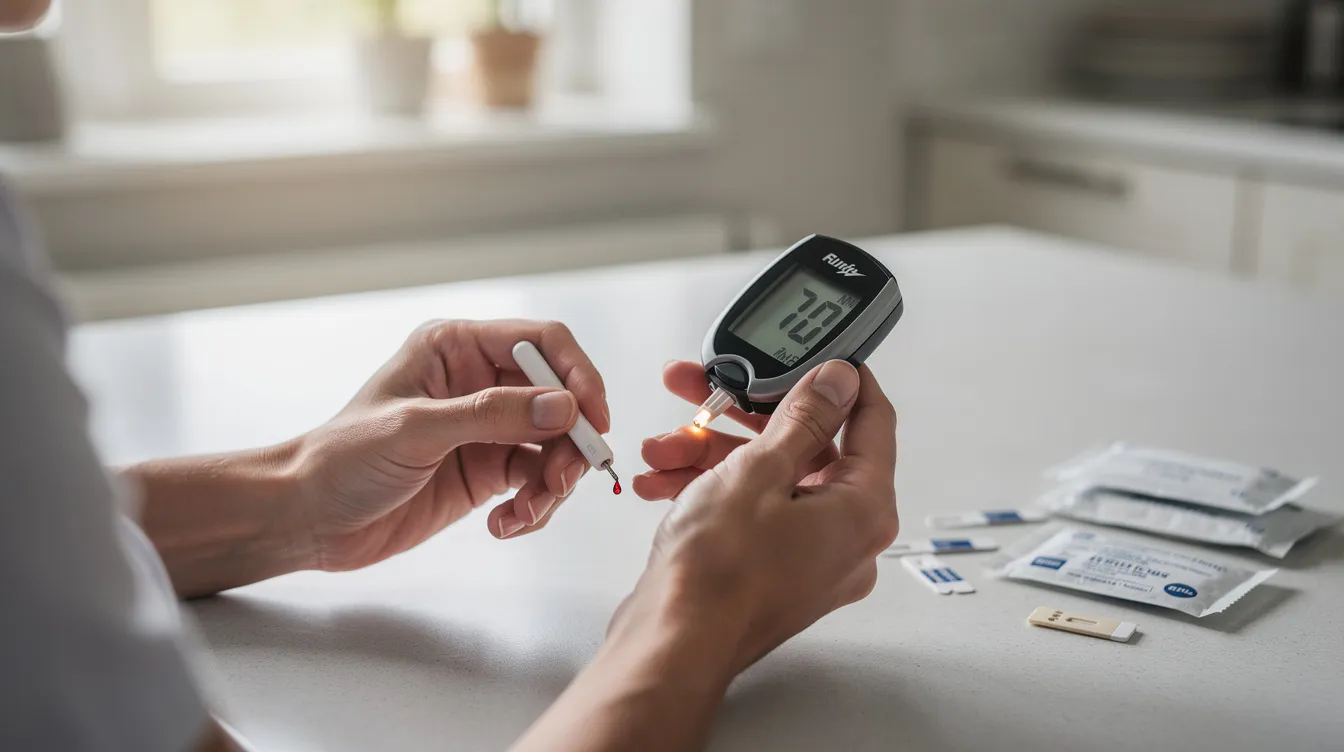
- Fasting blood sugar (target < 100 mg/dL)
- Postprandial glucose (target < 140 mg/dL at 2 hours)
- GI symptom tracking
Monthly:
- Body weight trends
- Food intake patterns
- Side effect assessment
Quarterly:
- HbA1c measurement
- Basic metabolic panel
Annually:
- Comprehensive lipid panel
- Liver function tests
- Stool calprotectin (optional, for microbiome health)
Bryan’s Protocol Context
Bryan’s Protocol is a comprehensive, science-driven, game-like health strategy designed to extend lifespan and optimize biological markers. It emphasizes a holistic approach, self-measurement, and the goal of becoming the healthiest person possible through evidence-based interventions. Within lifestyle protocols like Bryan’s protocol, acarbose fits as one component of this broader strategy. The integration typically involves:
- Taking 25-50 mg with higher glycemic load meals
- Pairing with continuous glucose monitoring (CGM) for real-time feedback
- Combining with rapamycin protocols (often 6 mg weekly)
- Supporting with plant-based diet to minimize carbohydrate metabolism stress
- Using timed exercise to enhance insulin sensitivity
The goal isn’t to treat diabetes but to mimic some benefits of caloric restriction without severe dietary limitation. By blunting glucose spikes and feeding beneficial gut bacteria, acarbose may help slow aging through mechanisms similar to those observed in ITP mice.
Anyone pursuing this approach should work with a doctor familiar with off label medication use for longevity purposes. The prescription requirement exists for good reason—professional oversight helps manage risks and optimize outcomes.
Writing Actions For Figures, Tables, And References
Comparison Table: Acarbose vs Other Interventions
| Intervention | Type | Primary Mechanism | Mouse Lifespan Effect | Human Metabolic Data |
|---|---|---|---|---|
| Acarbose | Rx drug | α-glucosidase inhibition | +5-22% (sex-dependent) | 0.7-0.9% HbA1c reduction |
| Phaseolamin (white kidney bean) | OTC supplement | α-amylase inhibition | No data | Variable weight loss |
| Rapamycin | Rx drug | mTORC1 inhibition | +9-14% (female-biased) | Limited trials |
| Metformin | Rx drug | AMPK activation | Inconclusive in ITP | 0.5-1% HbA1c reduction |
| NDGA (nordihydroguaiaretic acid) | Research compound | Antioxidant/LOX inhibition | +8-12% (male-biased) | Minimal |
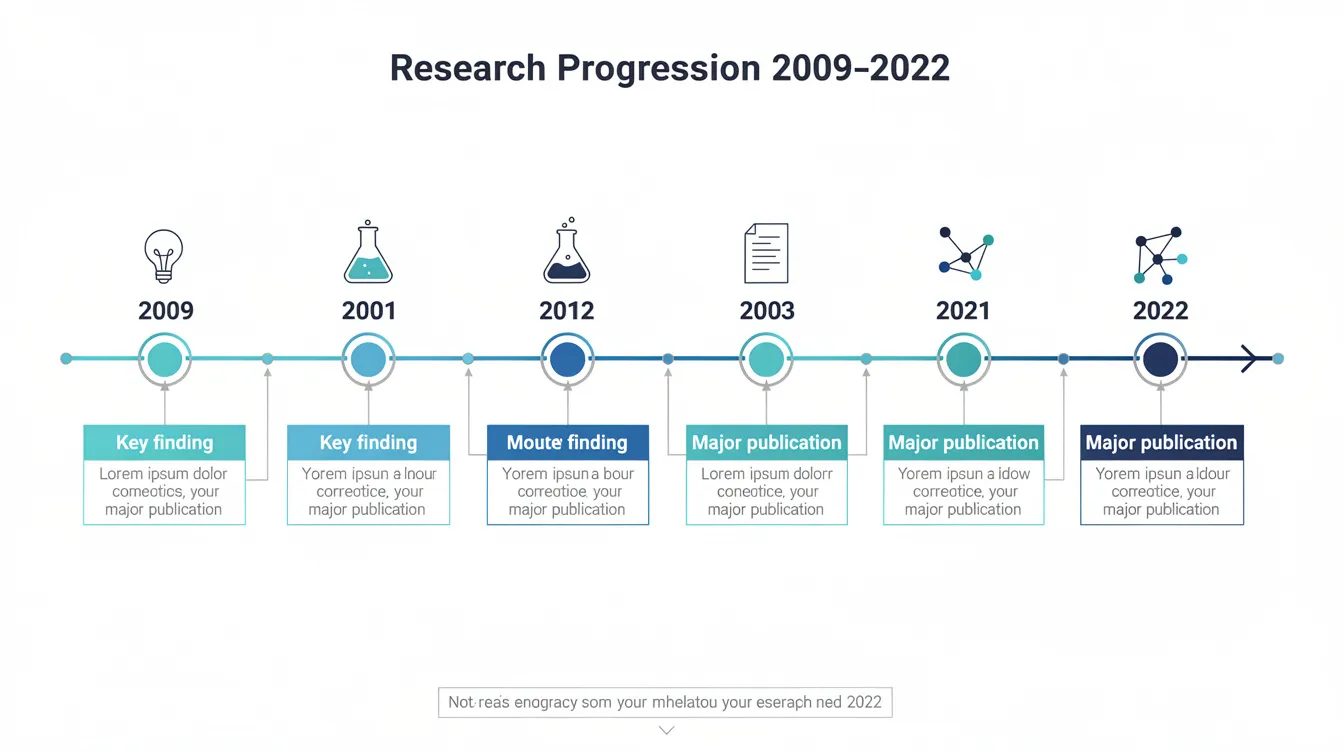
Timeline of Key Longevity Research Milestones
The development of acarbose longevity evidence follows a clear trajectory:
- 2009: Rapamycin becomes first drug to extend mouse lifespan in ITP
- 2013: Acarbose shows significant male-biased lifespan extension (published in Aging Cell)
- 2014: ITP confirms acarbose results across three labs
- 2016: Combination studies begin showing additive effects
- 2019: Rapamycin + acarbose achieves 30% average extension
- 2022: Additional dose-response data published
Primary References
The evidence base for acarbose longevity draws from several key sources:
ITP Publications:
- Harrison DE et al., Aging Cell 2013 (initial acarbose findings)
- Strong R et al., Aging Cell 2016 (combination therapies)
- PMC6413665 (comprehensive ITP methodology)
Human Clinical Trials:
- STOP-NIDDM Trial (cardiovascular and diabetes outcomes)
- UKPDS Follow-up Studies (long-term metabolic data)
- Meta-analyses of HbA1c effects (multiple sources)
Mechanistic Studies:
- SCFA and microbiome research (Bifidobacterium effects)
- mTOR and insulin signaling pathway analyses
- Blood vessels and cardiovascular protection data
These references provide the foundation for evidence-based claims about acarbose and human health outcomes.
Conclusion And Recommendations For Future Research
The evidence for acarbose longevity claims varies dramatically by species and endpoint.
Strength of Current Evidence
In mice, the case is strong. The ITP provides gold standard validation across three independent laboratories, with reproducible findings showing:
- 5-22% lifespan extension depending on sex
- Additive benefits when combined with rapamycin (up to 34%)
- Improvements in aging cell markers, tumor incidence, and metabolic function
- Clear mechanistic links through glucose, SCFA, and microbiome pathways
For human health, the evidence remains indirect. We have robust data on blood sugar control, modest weight loss, and cardiovascular disease risk reduction in diabetics. Whether these metabolic improvements translate to a longer lifespan in healthy people remains untested.
The gap between mouse and human longevity claims is substantial. Mice have different metabolic rates, different microbiomes, and live in controlled environments. The significant decrease in aging markers observed in rodents may not scale to human biology.
Priority Research Questions
To resolve current mechanism gaps and strengthen human translation, research should prioritize:
- Direct human lifespan trials: TAME-style studies testing acarbose alongside metformin in aging populations
- Sex-specific dosing optimization: Understanding why male mice benefit more than female mice
- Microbiome mediator identification: Fecal transplant studies to isolate bacterial contributions
- Late-life initiation protocols: Whether starting acarbose in older adults still produces benefits
- Muscle mass preservation: Ensuring caloric malabsorption doesn’t compromise lean tissue
The path from promising mouse data to validated human intervention requires substantially more studies. Until those are completed, acarbose remains an intriguing candidate rather than a proven longevity drug for humans.
For those interested in exploring acarbose, work with a physician experienced in longevity medicine. Monitor your biomarkers carefully, start with low doses, and maintain realistic expectations. The science is promising, but the story isn’t finished yet.