
Related topic: This article is part of Head-to-Head Protocol Comparisons. If you want the broader overview, start with Compare Longevity Protocols: Practical Framework For Low-Risk Biohacking. Choosing between AG1 and Blueprint comes down to what you actually want from your supplements. Are you looking for a convenient all-in-one solution, or do you prefer precision-targeted compounds backed by longevity research?
This guide breaks down both products ingredient by ingredient, helping you decide which approach aligns with your health goals, budget, and daily routine.
Quick Overview: Foundational Supplements Comparison
AG1 (Athletic Greens) is a greens powder containing over 83 ingredients, including multivitamins, probiotics, superfoods, and antioxidants, designed as daily nutritional insurance.
Blueprint is Bryan Johnson’s foundational supplements stack built around specific anti-aging compounds like spermidine, resveratrol, creatine, and cocoa flavanols, targeting biomarker optimization and lifespan extension.
The core comparison goals here are straightforward: evaluate which approach better serves different health objectives—broad nutritional coverage versus precision longevity targeting.
Product Profiles
AG1 Snapshot (greens powder)
AG1 covers several core ingredient categories:
- Multivitamins and essential minerals
- Pre- and probiotics for gut health
- Superfoods and botanical extracts
- Antioxidants and adaptogens
AG1 also includes plant-based nutrients such as beta carotene, which acts as a precursor to vitamin A. However, the conversion rate of beta carotene to active vitamin A in the body is limited compared to direct vitamin A sources.
The serving size is one scoop mixed with water daily, typically taken in the morning. AG1 markets itself as supporting energy levels, mental clarity, and overall health through comprehensive nutrient coverage.
The powder form mixes into a berry-flavored drink, making it convenient for those who struggle with multiple pills.
Blueprint Snapshot (foundational supplements)
Blueprint takes a different approach with targeted ingredient categories:
- Anti-aging compounds (spermidine, resveratrol)
- Pea protein and creatine
- Cocoa flavanols
- Specific longevity-focused nutrients
The serving format involves multiple powders and capsules with different dosing schedules throughout the day. Blueprint claims benefits for immune support, cellular longevity, and measurable biological age reduction.
This complexity reflects Bryan Johnson’s philosophy of optimizing specific mechanisms rather than providing broad coverage.

Ingredient Comparison: Greens Powders vs Whole Foods
Greens Powders and Whole Foods
AG1 includes powdered vegetable and fruit sources, though only about 7 of its 83 ingredients are organic. The formula contains synthetically-derived vitamins and minerals alongside whole food sources.
Blueprint prioritizes specific compounds over whole food sources, focusing on building blocks with research-backed efficacy rather than broad botanical coverage.
Many greens powders like AG1 add botanical extracts for marketing appeal. The question is whether these extracts appear at clinically significant doses—a concern we’ll address in the evidence section.
For those eating a healthy diet rich in fruits and whole foods, the added value of greens powders becomes questionable.
Digestive Enzymes and Gut Support
| Feature | AG1 | Blueprint |
|---|---|---|
| Digestive Enzymes | Included (unspecified dose) | Not emphasized |
| Probiotics | Yes | Limited |
| Prebiotics | Yes | Limited |
| Gut Microbiome Focus | Primary benefit | Secondary |
AG1 positions gut health as a central benefit, including digestive enzymes and probiotic cultures. However, exact dosages remain hidden within proprietary blends.
Blueprint doesn’t emphasize digestion support, focusing instead on cellular mechanisms. If gut regularity and gut lining support matter to you, AG1 has the edge here.
Fish Oil and Omega-3s
Neither AG1 nor Blueprint includes fish oil in their core formulations based on available information.
This represents a significant gap for both products. EPA and DHA from fish oil contribute to cognitive function, heart health, and reduced inflammation—benefits neither product addresses directly. Omega-3 fatty acids have also been linked to supporting mood and may help alleviate symptoms of depression by supporting brain health and reducing inflammation.
Recommendations for vegans: Consider algae-based omega-3 supplements as plant sources of DHA and EPA.
If you’re stacking either product, adding a separate fish oil supplement should be a priority to fill this nutritional gap.
Magnesium Glycinate and Mineral Forms
Magnesium glycinate is the preferred form for sleep and muscle recovery due to its bioavailable nature. It’s easily absorbed compared to other forms like magnesium citrate.
AG1 includes magnesium but uses proprietary blends that don’t disclose the specific form or dosage. You can’t verify whether you’re getting magnesium glycinate or a less absorbable form.
Blueprint doesn’t prominently feature magnesium glycinate in its core stack either.
For those prioritizing sleep quality and muscle recovery, adding a standalone magnesium glycinate supplement may be necessary regardless of which product you choose.
Immune System and Immune Support Ingredients
Both products include immune-supporting vitamins, though the approaches differ:
AG1 immune ingredients:
- Vitamin C
- Zinc
- Various antioxidants
- Botanical extracts claiming immune function support
Blueprint immune ingredients:
- Antioxidant compounds
- Resveratrol (indirect immune support through cellular health)
- Cocoa flavanols
The sunshine vitamin (vitamin D) appears in both formulas, supporting immune health alongside bone density. However, exact dosages vary and may not provide enough vitamin d for those who are deficient.
Zinc content in AG1 supports immune function, but again, the proprietary blend prevents verification of whether the dose is clinically meaningful.
Energy Levels and B-Vitamin Content
B vitamins serve as essential building blocks for energy metabolism. AG1 includes a full spectrum of b vitamins, though the dosing concern applies here too.
Bryan Johnson specifically critiqued AG1’s biotin content at 330 micrograms—significantly below therapeutic doses used in clinical studies. This “ingredient dusting” practice lists beneficial nutrients at sub-therapeutic amounts.
Blueprint takes a different approach, including fewer nutrients but at researched-backed doses. The claim is that each ingredient included actually delivers its intended benefit rather than appearing for label appeal.
For those experiencing brain fog and fatigue, verifying actual b vitamins dosages matters more than seeing them listed.
Bone Density: Vitamin D and Calcium
| Nutrient | AG1 | Blueprint |
|---|---|---|
| Vitamin D | Included | Included |
| Calcium | Included | Limited emphasis |
| Bone Density Focus | Secondary | Not primary |
Vitamin D and calcium absorption work together for bone density support. AG1 includes both, making it potentially useful for those concerned about bone health across different life stages.
Blueprint doesn’t position itself as a bone health product, focusing instead on longevity mechanisms that may indirectly support skeletal health.
Pregnant women and those with specific health conditions affecting bone density should consult a healthcare professional about whether either product meets their needs.

Evidence and Efficacy
AG1’s clinical support comes primarily through marketing dominance rather than published randomized controlled trials. The product has become the mainstream standard through aggressive advertising and celebrity endorsements, not peer-reviewed research.
Blueprint’s ingredients are selected based on compounds showing promise in longevity research. Spermidine and resveratrol have emerging evidence for cellular longevity, though whole-product efficacy studies aren’t cited in available materials.
The bioavailability question: AG1’s proprietary blends prevent consumers from verifying whether certain vitamins and minerals are present at doses that actually produce documented clinical effects.
Both AG1 and Blueprint are designed to support the body’s ability to maintain optimal health by enhancing natural biochemical processes, rather than simply addressing symptoms.
Bryan Johnson claims Blueprint components undergo extensive third-party testing requirements. Even with this testing, he argues the material cost of AG1’s ingredients could be purchased individually for approximately $10—suggesting significant markup in the greens powder market.
Practical Considerations
Price comparison:
| Product | Monthly Cost | Per-Serving Cost |
|---|---|---|
| AG1 (subscription) | $79 | $2.64 |
| AG1 (full price) | $99 | $3.33 |
| Blueprint | $130-150 | ~$4.50 |
AG1 wins on price, especially with a subscription commitment. Blueprint’s higher cost reflects specialized ingredient sourcing and longevity-focused compounds.
Convenience: AG1 requires mixing one scoop daily—simple enough for any single day routine. Blueprint involves multiple powders and capsules with different timing requirements, demanding more attention to your daily workflow.
Purchasing options: AG1 offers straightforward subscription through their website with free gifts for new subscribers. Blueprint purchasing is less streamlined, reflecting its biohacker-focused positioning.
Safety, Interactions, and Dosing
Before stacking either product with other supplements, check your total nutrient intake. Overlap with a multivitamin could push certain vitamins beyond recommended daily amounts.
Screen for medication interactions, particularly if you’re taking:
- Blood thinners (vitamin K interactions)
- Thyroid medications (mineral absorption concerns)
- Medications affected by antioxidants
Consult a healthcare professional before adding either product to your routine, especially if you have existing health conditions or take prescription medications. This becomes essential for pregnant women or those with specific nutritional needs.
Foundational Supplements: How Each Fits a Routine
Use a greens powder when:
- Your poor diet lacks vegetable and fruit variety
- You want convenient nutritional insurance
- You’re new to supplementation and prefer simplicity
- Gut health and digestion are primary concerns
Prioritize fish oil supplementation when:
- Neither AG1 nor Blueprint meets your omega-3 needs
- Cognitive function and heart health are priorities
- You want to reduce inflammation naturally
Add magnesium glycinate when:
- Sleep quality needs improvement
- Muscle recovery is important for your training
- Neither core product provides adequate magnesium in many different forms
Consider a targeted multivitamin when:
- Bloodwork reveals specific deficiencies
- Your nutrition profile has clear gaps
- You need essential vitamins not adequately covered
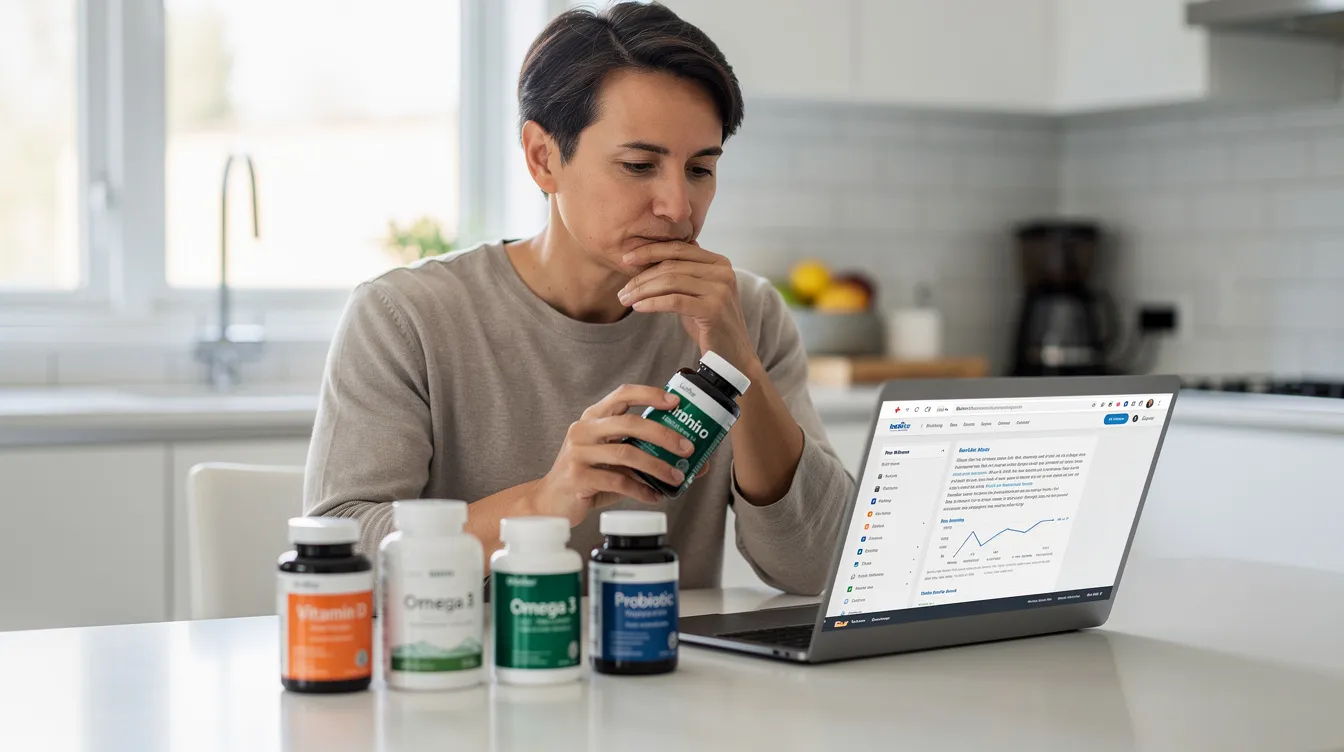
Many experts recommend starting with five supplements—such as a multivitamin, fish oil, magnesium, vitamin D, and probiotics—as a basic routine to address common nutritional gaps and support overall wellness.
These foundational supplements can make all the difference when matched to actual nutritional gaps rather than assumptions.
Who Should Choose AG1 vs Blueprint
Choose AG1 if:
- You want an all-in-one greens powder requiring minimal thought
- Convenience outweighs precision optimization
- Budget matters and you prefer the lower price point
- You’re seeking broad nutritional coverage for overall health
- Gut support and probiotics are priorities
- You want nutrients that support skin health, as antioxidants and certain vitamins in greens powders can contribute to clearer, more radiant skin
Choose Blueprint if:
- You’re a biohacker pursuing measurable anti-aging outcomes
- You accept complexity and higher cost for targeted interventions
- Longevity research interests you more than daily vitality
- You track biomarkers and want supplements designed for optimization
- You’re willing to manage a multi-product routine
Consider a hybrid approach when:
- Bloodwork reveals specific deficiencies neither product addresses
- You need fish oil or magnesium glycinate beyond what either provides
- Your body’s ability to absorb nutrients from one product seems limited
Comparison Checklist for Buyers
| Factor | AG1 | Blueprint |
|---|---|---|
| Primary Focus | Nutritional insurance | Longevity optimization |
| Ingredient Count | 83+ | Fewer, targeted |
| Monthly Cost | $79-99 | $130-150 |
| Format | Single powder | Multiple products |
| Dosing Complexity | Low | High |
| Proprietary Blends | Yes | More transparent |
| Fish Oil Included | No | No |
| Magnesium Form Specified | No | Limited info |
| Best For | Beginners, convenience seekers | Biohackers, optimizers |
Dietary restriction flags:
- Verify vegan/vegetarian status for specific batches
- Check for common allergens in botanical blends
- Confirm no artificial additives if that’s a concern
FAQs
Can I take both products concurrently? Technically yes, but this creates unnecessary overlap and expense. Choose one based on your primary goals, then supplement with specific nutrients (like fish oil) as needed. Taking both doesn’t provide proportionally better benefits and may contribute to excessive intake of certain vitamins.
How does a greens powder differ from a multivitamin? Greens powders include whole food sources, botanical extracts, and often gut support ingredients beyond essential nutrients. A multivitamin focuses primarily on vitamins and minerals in standardized doses. The overlap exists but isn’t complete—some people use both.
How should pregnant women or those breastfeeding adjust? Neither product is specifically formulated for pregnancy. Prenatal vitamins with verified folate, iron, and DHA remain the standard recommendation. Consult your healthcare professional before adding either AG1 or Blueprint during pregnancy or breastfeeding.
Final Recommendation
Your decision flow should follow your actual needs:
- Identify nutritional gaps through bloodwork or dietary analysis
- Prioritize convenience or optimization based on your personality
- Set your budget and determine what’s sustainable monthly
- Start with one product and track how you feel over 60-90 days
If you’re eating a well rounded diet and want simple insurance against nutritional gaps, AG1 offers accessible coverage despite its dosing concerns.
If you’re tracking biomarkers, interested in chronic diseases prevention, and committed to optimization, Blueprint’s precision approach may justify the higher investment.
Next steps: Get baseline bloodwork to identify whether you’re actually deficient in specific nutrients. This prevents spending on supplements your body doesn’t need while revealing gaps neither product addresses. From there, your supplement choices become data-driven rather than marketing-driven.