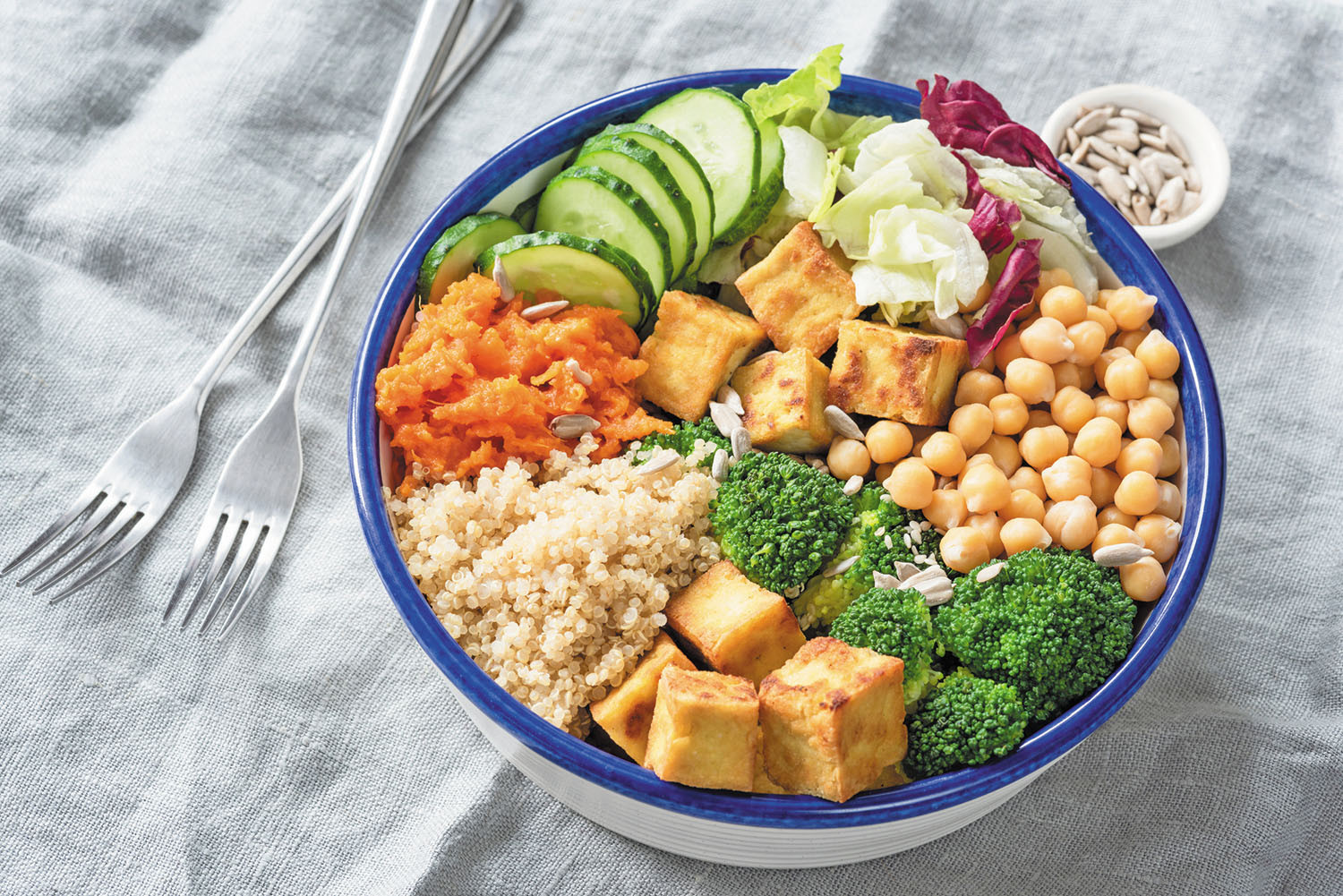
Related topic: This article is part of Expert Protocol Profiles. If you want the broader overview, start with Longevity Protocols 2026: Practical, Evidence-Guided Roadmap. Andrew Huberman’s longevity protocol represents over a decade of neuroscience research distilled into actionable daily habits. Unlike flashy biohacking trends, this approach prioritizes behavior-first strategies that build the foundation for lasting mental and physical health.
The protocol targets anyone from complete fitness beginners to advanced athletes seeking evidence-based optimization. The core philosophy centers on mastering fundamentals—sleep, movement, light exposure, and nutrition—before layering in supplements or advanced interventions.
What makes this framework different is its accessibility. You don’t need expensive equipment or elite genetics. You need consistency with proven behaviors that support healthspan, cognitive performance, and physical resilience for decades to come.
Huberman’s routine is a structured daily protocol focused on optimizing the nervous system through activities like light exposure, movement, and nutrition, with benefits for mood, focus, and sleep.
Core Principles For Long Term Health
The Huberman Lab approach to long term health rests on three non-negotiable pillars that must be established before anything else matters.
Prioritize Consistent Sleep Timing
Fixed sleep and wake times form the bedrock of every other health marker. Huberman personally wakes around 6-7 AM and aims for a 10 PM bedtime, maintaining this schedule regardless of weekends or travel.
Studies suggest that social jet lag—the shift between weekday and weekend sleep schedules—correlates with 20-30% higher cardiovascular mortality risk. Your body’s circadian clock operates best with predictable rhythms.
Key sleep timing principles:
- Set a non-negotiable wake time within a 30-minute window
- Aim for 7-9 hours of consolidated sleep nightly
- Avoid sleeping in on weekends by more than one hour
- Track sleep quality with objective tools like Oura or Whoop
Measure Biomarkers Before Major Changes
Before implementing any protocol changes, establish baseline measurements. This allows you to objectively track what works rather than relying on subjective feelings alone.
Essential baseline tests include:
| Marker Category | Specific Tests |
|---|---|
| Hormones | Testosterone, SHBG, estradiol |
| Lipids | LDL, HDL, triglycerides, ApoB |
| Metabolic | HbA1c, fasting glucose, insulin |
| Inflammation | hsCRP, cytokine panels |
| Nutrients | Vitamin D, omega-3 index |
Emphasize Progressive Resistance And Aerobic Training
The protocol calls for three resistance training days and three cardiovascular sessions weekly, with one dedicated recovery day. This structure supports mitochondrial function, bone density, and nervous system optimization simultaneously.
Heavy lifting weekly becomes especially critical after age 40 to combat sarcopenia and maintain functional strength for real-world demands like carrying loads, climbing stairs, and maintaining balance.
Foundation: Physical Health And Time Restricted Eating
Building physical health requires daily movement beyond structured workouts, strategic meal timing, and consistent body composition monitoring.
Gut health is a foundational aspect of physical wellness, as supporting gut health can positively influence immune function, inflammation regulation, and longevity.
Establish Daily Movement Habit
Target 10,000 steps or equivalent non-exercise activity thermogenesis (NEAT) daily. This baseline movement regulates insulin sensitivity, supports metabolic health, and complements structured training.
Practical ways to increase daily movement:
- Take walking meetings or phone calls
- Park further from destinations
- Use stairs instead of elevators
- Set hourly movement reminders
Implement An 8-12 Hour Feeding Window
Time restricted eating within an 8-12 hour window aligns food intake with circadian metabolic peaks. Huberman typically eats between noon and 8 PM, allowing 12-16 hours of fasting that supports autophagy and reduces IGF-1 spikes linked to biological aging.
The most important food element in this framework is protein—target 1.6-2.2g per kilogram of bodyweight daily. Prioritize consuming foods rich in leucine and other amino acid profiles that fuel muscle protein synthesis and mitochondrial biogenesis via mTOR signaling.
Dinners can include more carbohydrates for glycogen replenishment post-training, while earlier meals emphasize whole food nutrition with adequate protein.
Monitor Body Composition Quarterly
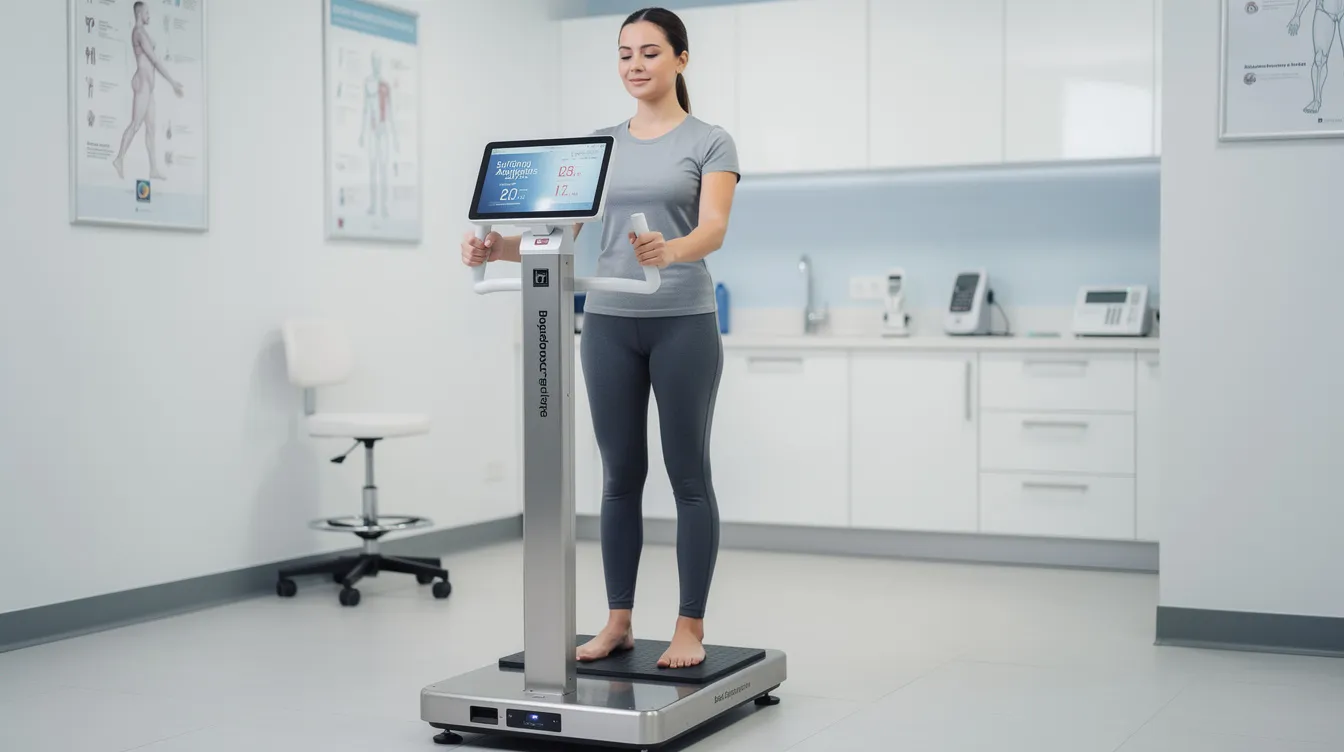
Quarterly DEXA scans or InBody assessments track shifts in visceral fat, muscle mass, and bone density that standard scales miss. This data reveals whether your protocol actually changes body composition or just weight.
Brain Health And Nervous System Optimization
Supporting brain health requires daily practices that enhance neuroplasticity, regulate neurotransmitter rhythms, and calm sympathetic overdrive.
Certain supplements, such as Magnesium L-Threonate, are notable for their ability to cross the blood brain barrier, which may enhance their effectiveness in supporting sleep quality and cognitive function.
Schedule Daily NSDR Or Guided Relaxation
Non-sleep deep rest protocols like yoga nidra or apneic breathing for 10-20 minutes daily boost parasympathetic tone and BDNF for enhanced neuroplasticity. These practices support brain function without requiring additional sleep.
NSDR benefits include:
- Enhanced cognitive function and mental clarity
- Improved mood regulation through autonomic balance
- Faster recovery from cognitive fatigue
- Support for deep sleep architecture
Get Morning Sunlight To Prime Brain Health
Morning light serves as the first and most important daily behavior. Direct sunlight exposure within 30-60 minutes of waking primes the suprachiasmatic nucleus for robust cortisol and melatonin cycles throughout the day.
Aim for 10-30 minutes of morning sunlight exposure without sunglasses, gazing toward the sun at low solar angles (not directly at the sun). This light triggers ipRGC photoreceptors that advance your circadian clock and suppress melatonin appropriately.
Avoid Bright Screens Late To Calm Nervous System
Blue light exposure in the evening suppresses melatonin and keeps the nervous system in sympathetic overdrive. This elevates cortisol and impairs hippocampal function critical for memory consolidation.
Evening protocols:
- Dim lights two hours before bed
- Use flux apps or red bulbs after sunset
- Keep bedroom lighting at 40-60 lux amber
- Avoid screens completely 60 minutes pre-sleep
Circadian Clock And Support Sleep
Your circadian clock drives nearly every physiological process. Proper entrainment through light and schedule consistency determines sleep quality, cognitive performance, and cardiovascular health.
Many protocols also incorporate a ‘sleep stack,’ which is a personalized combination of supplements and routines designed to enhance sleep quality. Common ingredients in these sleep stacks include Glycine, GABA, and Inositol, each known for their roles in improving sleep.
Get Direct Sunlight Within 30-60 Minutes Of Waking
This single behavior may be the highest-leverage intervention in the entire protocol. Direct morning sunlight leverages ipRGC photoreceptors to suppress melatonin, elevate alertness via glutamate release, and set the stage for proper sleep onset 14-16 hours later.
On cloudy days, you need more time outdoors—up to 30 minutes. On bright days, 10 minutes suffices. Artificial bright light boxes (10,000 lux) serve as backup but don’t fully replicate natural sunlight’s spectrum.
Dim Lights Two Hours Before Bedtime
Evening dimming facilitates the natural melatonin rise that prepares your body to fall asleep. Target ambient lighting below 60 lux using amber or red bulbs in spaces you occupy after dark.
Set Fixed Sleep And Wake Times
Consistency matters more than duration. A fixed schedule prevents the circadian drift that fragments sleep architecture and reduces both deep sleep and REM percentages.
Aim for these targets:
| Sleep Stage | Target Percentage |
|---|---|
| Deep Sleep | 20-25% |
| REM Sleep | 20-25% |
| Light Sleep | 50-55% |
Mitochondrial Function, Red Light, And Cold Exposure
Mitochondrial function determines cellular energy production and influences everything from brain metabolism to cardiovascular function. Multiple interventions stack to optimize mitochondrial density and efficiency.
Apply Red Light Therapy 10-20 Minutes Each Morning
Red light therapy using 660-850nm wavelengths stimulates cytochrome c oxidase in mitochondria, enhancing ATP production by 20-50% in cell studies. Morning application also enhances alertness via opsin activation.
Position panels 6-12 inches from skin or eyes, delivering 20-100mW/cm² irradiance. Near-infrared wavelengths (800-900nm) penetrate 2-5cm for deeper tissue benefits, while red wavelengths (600-700nm) target superficial skin and joint repair.
Perform Cold Exposure 2-4 Times Weekly Post-Workout
Deliberate cold exposure via ice bath or cold shower (50-55°F) for 2-5 minutes spikes norepinephrine 200-500% and activates brown fat through uncoupling protein 1-mediated thermogenesis. This hormetic stress improves energy metabolism and immune function.
Cold exposure protocols:
- Start with cold finishes on regular showers (30-60 seconds)
- Progress to dedicated cold immersion 2-4 times weekly
- Time exposure post-workout for recovery benefits
- Monitor core body temperature response over time

Add Regular Aerobic Sessions To Support Mitochondria
Zone 2 cardiovascular training at 65-75% maximum heart rate for 35-75+ minutes increases mitochondrial density 30-50% after 12 weeks. This intensity allows nasal breathing and conversation while maximizing fat oxidation and AMPK activation for longevity pathways.
Options include jogging, rowing, cycling, or rucking with load. Frequent exercise in this zone builds the aerobic base that supports all other training.
Prioritize Protein Intake To Support Mitochondrial Biogenesis
Protein drives PGC-1α signaling for mitochondrial biogenesis. Target 30-40g leucine-rich protein per meal from sources like whey, meat, fish, or eggs. This amino acid concentration triggers maximal muscle protein synthesis.
Bone Density, Resistance Training, And Long Term Health
Bone health declines predictably with age—women lose 1-2% density annually post-menopause, men 0.5-1%. Resistance training provides the mechanical loading that upregulates osteoblasts and counters this decline, and also supports heart health by promoting cardiovascular and vascular function.
Perform Resistance Training Three Times Per Week
The protocol calls for full-body compound movements targeting both shortened and lengthened muscle positions. This approach maximizes hypertrophy, strength, and injury resilience simultaneously.
Weekly structure example:
| Day | Focus | Duration |
|---|---|---|
| Monday | Push emphasis | 60-75 min |
| Wednesday | Pull emphasis | 60-75 min |
| Friday | Legs emphasis | 60-75 min |
Include Heavy Compound Lifts Weekly
After age 40, include at least one heavy session weekly with compound lifts at 75-85% of one-rep maximum for 3-5 sets of 5-8 reps. Exercises include squats, deadlifts, overhead presses, and rowing variations.
This loading pattern reduces fracture risk by 20-40% according to meta-analyses, providing bone health benefits that cardio-only routines cannot match.
Evaluate Bone Density Periodically After Age 40
DEXA scans every 1-2 years after age 40 reveal trabecular bone changes from your training. This objective data confirms whether your strength training protocol adequately stresses bone tissue for adaptation.
Supplement Strategy And Testing Framework
Huberman’s supplement strategy employs a testing framework that prioritizes addressing deficiencies before adding performance enhancers.
Test Vitamin D, Omega-3, Hormones, Lipids, And Inflammation
Blood testing establishes which interventions actually matter for your physiology. Target these ranges:
| Marker | Optimal Range |
|---|---|
| Vitamin D | 40-60 ng/mL |
| Omega-3 Index | >8% |
| hsCRP | < 1 mg/L |
| Fasting Glucose | < 90 mg/dL |
Without blood levels data, you’re guessing at what supplements to prioritize.
Favor Single Ingredient Supplements When Possible
Single ingredient supplements allow precise dosing and clear attribution of effects. This approach prevents the polypharmacy pitfalls where unmonitored stacking elevates liver enzymes 10-20%.
Examples of foundational supplements in single-ingredient form:
- Vitamin D3 (dose based on blood levels)
- Omega-3 fish oil (EPA+DHA specific)
- Creatine monohydrate (5g daily)
- Magnesium threonate or glycinate
Document Responses And Adjust Doses Accordingly
Keep a simple log tracking subjective energy, mood, and sleep alongside objective markers. This documentation reveals which supplements actually move the needle for your physiology.
Reassess Supplements Every 3-6 Months
Repeat blood testing quarterly to annually, adjusting doses based on results. What works initially may need modification as your baseline shifts from other protocol elements.
Fish Oil
Fish oil remains among the most evidence-backed foundational supplements for cardiovascular health and brain function.
Choose Third-Party Tested Fish Oil
Third-party testing via IFOS ensures less than 0.1% oxidation and minimal heavy metals. Oxidized fish oil may cause more harm than benefit, making quality verification essential.
Target 1-3 Grams Combined EPA+DHA Daily
Huberman prefers high-EPA formulations (2:1 EPA to DHA ratio) for anti-inflammatory benefits. Trials show 20-30% cardiovascular event reduction at 1g daily doses. Higher doses support brain health and reduce inflammation more aggressively.
Time Restricted Eating
Intermittent fasting through time restricted eating optimizes metabolic health without requiring caloric restriction.
Set Consistent Daily Eating Window
Consistency matters more than window length. An 8-12 hour feeding window maintained daily provides more benefit than variable fasting that disrupts circadian metabolic rhythms.
Align Feeding Window With Active Daytime Hours
Eating during daylight hours when insulin sensitivity peaks maximizes nutrient partitioning. Evening eating, particularly close to sleep, impairs blood glucose regulation and interferes with sleep quality.
Red Light
Red light therapy protocols require specific parameters for effectiveness.
Place Panel 6-12 Inches From Skin Or Eyes
Distance determines irradiance delivered to tissue. Too far reduces benefit; too close may cause mild discomfort. Morning use enhances alertness through opsin activation in addition to mitochondrial benefits.
Use Near-Infrared Wavelengths For Deeper Tissue Benefits
Near-infrared (800-900nm) penetrates deeper for muscle, joint, and organ benefits. Combine with red wavelengths (600-700nm) for comprehensive coverage. Sessions of 10-20 minutes suffice for most applications.

Hormone And Testosterone Considerations
Hormone balance influences every aspect of healthy aging from energy production to cognitive function. However, Huberman emphasizes behavioral optimization before any hormone interventions.
Monitor Testosterone And SHBG Via Blood Tests
Track total and free testosterone (optimal range 500-900 ng/dL for men), SHBG, and estradiol through regular blood testing. These markers reveal whether lifestyle factors adequately support endogenous production.
Testosterone levels drop 10-15% per hour of sleep lost, making sleep the primary lever for hormone regulation.
Prioritize Sleep And Training Before Hormone Interventions
Heavy resistance training acutely boosts testosterone 15-20% post-workout. Combined with adequate sleep and stress management, many individuals optimize hormones without external intervention.
Growth hormone secretion also peaks during deep sleep, reinforcing the importance of sleep supplements like apigenin 50mg or magnesium to enhance sleep quality rather than jumping to hormone therapy.
Consult Clinicians Before Using Hormone-Modulating Herbs
Herbs like tongkat ali (400mg) or fadogia agrestis may support testosterone but carry 5-10% risk of HPG axis disruption with unmonitored use. Always establish baselines and work with healthcare professionals before implementation.
Daily Routine Template Aligned With Longevity
Huberman’s routine provides a practical template for implementing all protocol elements within a sustainable daily structure.
Expose Eyes To Morning Sunlight First Activity
Morning sunlight exposure is the first non-negotiable activity upon waking. Before checking phones, making coffee, or any other task—get outside and face the sun at low angle for 10-30 minutes.
Delay Caffeine 90-120 Minutes After Waking
Adenosine buildup upon waking creates natural grogginess. Waiting 90-120 minutes allows adenosine to clear naturally, preventing the afternoon crash that comes from blocking receptors too early and interfering with sleep onset later.
Schedule Focused Work Blocks Mid-Morning And Mid-Afternoon
Ultradian cycles of 90 minutes structure optimal work periods. Mid-morning (after cortisol peaks) and mid-afternoon (after lunch dip clears) represent ideal windows for demanding cognitive work.
Sample daily structure:
| Time | Activity |
|---|---|
| 6:30 AM | Wake, sunlight exposure |
| 8:00 AM | Optional caffeine |
| 8:30-10:00 AM | Focused work block |
| 10:00 AM | Brief movement |
| 10:15-11:45 AM | Focused work block |
| 12:00 PM | First meal, eating window opens |
| 2:00-5:00 PM | Training or additional work |
| 8:00 PM | Eating window closes |
| 8:00-10:00 PM | Dim lights, NSDR, wind-down |
| 10:00 PM | Sleep |
Monitoring, Safety, And Long Term Health Metrics
Consistent monitoring reveals whether protocols actually improve health markers or need adjustment.
Track Sleep Quality Nightly With Objective Tools
Devices like Oura or Whoop track sleep stages, HRV, and respiratory rate. Target HRV above 50ms RMSSD as a recovery indicator, with sleep percentages matching targets for deep and REM stages.
Run Annual Blood Panels For Long Term Health Markers
Beyond quarterly check-ins, comprehensive annual panels assess cardiovascular health, metabolic health, and inflammation trends that predict healthy aging trajectories.
Peter Attia and other longevity-focused clinicians emphasize ApoB, lipoprotein(a), and insulin sensitivity as predictive markers worth tracking annually.
Log Training, Nutrition, Supplements, And Symptoms
Simple logging correlates interventions with outcomes. Track training volume, macros, supplement doses, and subjective markers like energy, mood, and cognitive decline or improvement.
This documentation becomes invaluable when troubleshooting issues or optimizing protocols.
Implementation Roadmap And Prioritization
Attempting everything simultaneously guarantees failure. Staged implementation builds sustainable healthy habits that compound over months.
Start With Sleep And Circadian Alignment
Weeks 1-2 focus exclusively on:
- Fixed wake time within 30-minute window
- Morning sunlight exposure within 60 minutes
- Evening light dimming two hours before bed
- Consistent sleep and wake schedule
Achieving 80% adherence here yields 1-2 year healthspan gains according to modeling data.
Add Resistance Training Within Four Weeks
By week 4, introduce strength training 2-3 times weekly. Start conservatively with full-body compound movements, progressive overload, and recovery prioritization.
Introduce Supplements After Baseline Testing
Month 2, after blood work establishes baselines, add essential vitamins and deficiency-targeted supplements. Avoid stacking multiple new supplements simultaneously—introduce one at a time and monitor response.
Heat exposure via sauna (activating heat shock proteins) and additional cold exposure can layer in after foundational behaviors stabilize.

Resources And Next Steps
Implementation requires the right testing resources and professional guidance.
List Sources For Testing And Clinician Referral
Testing resources:
- InsideTracker: Comprehensive blood panels with optimization recommendations
- Thorne: At-home testing for hormones, metabolics, and nutrients
- DEXA facilities: Local imaging centers for body composition
- Huberman Lab podcast: Episode deep-dives on specific protocols
For hormone optimization or complex health concerns, seek clinicians experienced in longevity medicine through directories or referrals from functional medicine networks.
Recommend Timeline For Staged Implementation
| Timeline | Focus Area |
|---|---|
| Weeks 1-2 | Sleep and circadian alignment |
| Weeks 3-4 | Add resistance training |
| Week 5-6 | Implement time restricted eating |
| Month 2 | Baseline blood testing |
| Month 2-3 | Introduce foundational supplements |
| Month 3-6 | Add advanced protocols (cold, red light, NSDR) |
Expect 3-6 months to implement the full stack with 10-20% biomarker improvements based on consistent adherence. The andrew huberman supplements list and advanced interventions matter far less than nailing sleep, movement, and nutrition fundamentals first.
Key Takeaways
The Andrew Huberman longevity protocol succeeds because it prioritizes sustainable behaviors over quick fixes:
- Morning sunlight exposure anchors circadian function and supports every downstream health marker
- Resistance training three times weekly preserves bone density, muscle mass, and metabolic health
- Time restricted eating aligns nutrition with circadian metabolic peaks
- Blood testing before and after interventions ensures protocols actually work
- Single ingredient supplements address documented deficiencies rather than speculative stacking
- Consistent sleep timing outweighs sleep duration for cognitive decline prevention
Building a longevity-focused lifestyle doesn’t require overnight transformation. It requires consistent implementation of proven behaviors, measured progress through objective testing, and patience as adaptations compound over months and years.
Start this week with one change: get outside within 30 minutes of waking for 10 minutes of direct sunlight. Master that, then add the next layer. Your future self will thank you for the foundation you build today.