
Related topic: This article is part of Head-to-Head Protocol Comparisons. If you want the broader overview, start with Compare Longevity Protocols: Practical Framework For Low-Risk Biohacking. When it comes to managing blood sugar and improving metabolic health, two compounds frequently enter the conversation: berberine and metformin. Berberine is an herb, extracted from plants such as Berberis and Coptis chinensis, and has a long history of use in traditional Chinese medicine for its pharmacological properties, including blood sugar regulation and lipid lowering. Metformin, on the other hand, is an FDA approved medication prescribed to millions worldwide.
This comparison is designed for individuals with prediabetes, type 2 diabetes, or metabolic syndrome who want to understand their options. Whether you’re a healthcare provider evaluating treatment alternatives or a patient exploring what’s available, this article breaks down the evidence on efficacy, mechanisms, and safety profiles.
Key distinction: Berberine is sold as a dietary supplement without FDA approval, meaning it lacks the rigorous pre-market testing required of pharmaceuticals. Metformin, by contrast, has decades of clinical validation and regulatory oversight.
Blood Sugar: Berberine vs Metformin
Head-to-head clinical trials offer the clearest picture of how these compounds compare for glucose control.
A 12-week randomized controlled trial in newly diagnosed prediabetic adults compared berberine hydrochloride 500 mg twice daily against metformin 500 mg twice daily. The results showed comparable efficacy with a slight edge for berberine:
- HbA1c reduction: Berberine achieved a 0.31% decrease versus 0.28% for metformin (p=0.04)
- Fasting glucose reduction: Berberine lowered levels by 12.6 mg/dL compared to 10.8 mg/dL for metformin
- Postprandial glucose: Berberine reduced readings by 21.8 mg/dL versus 19.3 mg/dL for metformin
These findings suggest that berberine may lead to improved insulin sensitivity and lower blood sugar levels, positioning it as a potential alternative or supplement to metformin for people with type 2 diabetes.
| Outcome | Berberine | Metformin |
|---|---|---|
| HbA1c reduction | 0.31% | 0.28% |
| Fasting glucose reduction | 12.6 mg/dL | 10.8 mg/dL |
| Postprandial glucose reduction | 21.8 mg/dL | 19.3 mg/dL |
Meta-analysis evidence across 21 clinical trials indicates berberine produces percentage reductions of 7.5% in HbA1c, 6.9% in fasting glucose, and 11.1% in postprandial glucose.
On hypoglycemia risk: Neither agent typically causes low blood sugar when used as monotherapy. The risk increases when combined with insulin or other glucose-lowering medications.
How They Lower Blood Sugar
Both berberine and metformin activate amp activated protein kinase (AMPK), a cellular energy sensor that improves metabolic function. However, they reach this endpoint through different pathways.
Metformin primarily inhibits mitochondrial complex I in the liver, which reduces hepatic glucose production. This effect on the liver accounts for most of metformin’s blood sugar lowering action. AMPK activation occurs as a secondary consequence.
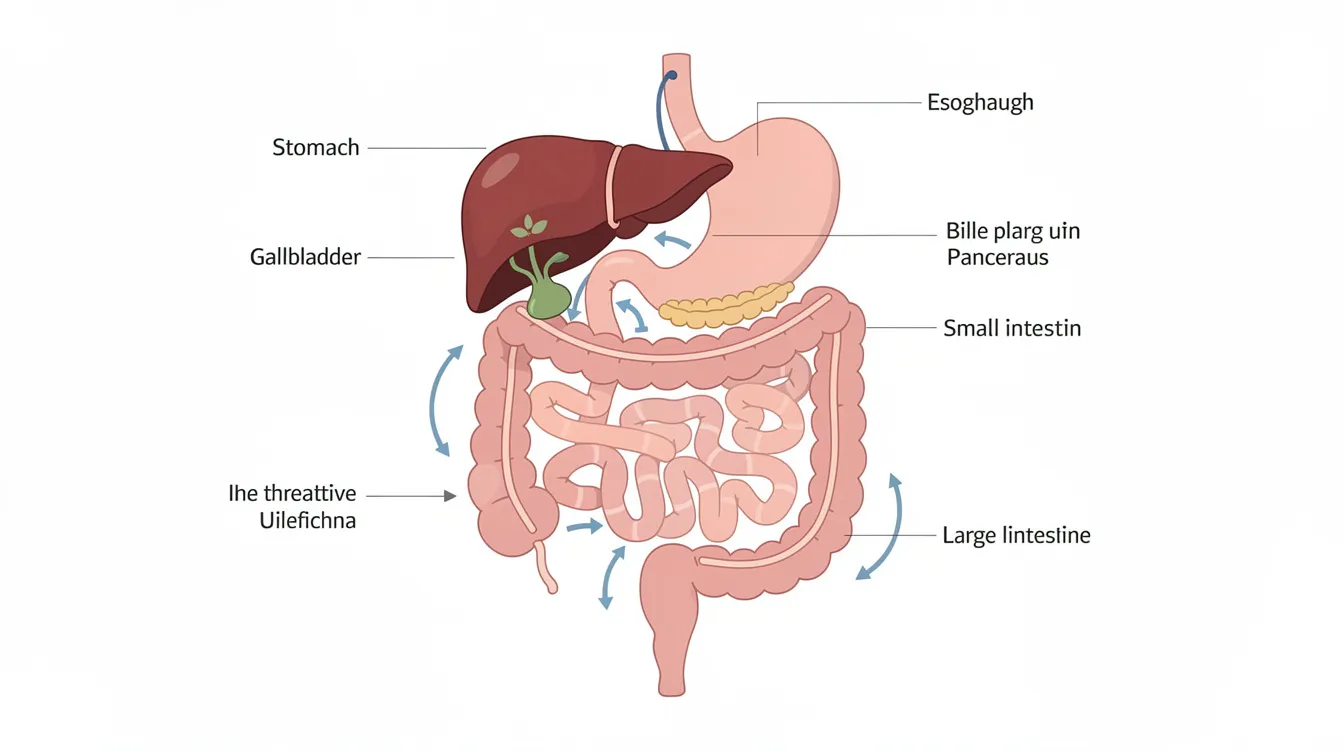
Berberine appears to work through the gastrointestinal tract, affecting gut-mediated glucose handling and potentially modulating the gut microbiome. Berberine helps regulate the microbiome and metabolic processes, which contributes to its effects on blood glucose and lipid levels. Research suggests berberine may have more direct effects on the activated protein kinase pathway, though the precise mechanisms in humans remain under investigation.
Increase Insulin Sensitivity
Both compounds function as insulin sensitizers, though the magnitude of effect requires careful comparison.
Metformin improves insulin sensitivity primarily through hepatic pathways. By reducing glucose production in the liver, it decreases compensatory hyperinsulinemia, which secondarily improves systemic insulin response.
Berberine has demonstrated effects on insulin sensitivity across multiple studies. Research in PCOS patients showed significant improvements in fasting adipose index (FAI), a surrogate marker of insulin resistance. One study documented FAI declining from 7.69 to lower values following berberine treatment.
The comparable HbA1c and glucose reductions between agents suggest similar overall metabolic impact. However, direct comparisons of insulin sensitivity measurements—such as HOMA-IR scores—are limited in the available literature.
Insulin Resistance
Both compounds address insulin resistance, making them relevant for conditions beyond simple diabetes management.
For prediabetes: The 12-week trial demonstrated that both agents significantly improved glycemic parameters in newly diagnosed prediabetic individuals. Taking berberine or taking metformin both shifted metabolic markers in the right direction, though long-term progression data comparing diabetes prevention rates remain unavailable.
For PCOS: Polycystic ovary syndrome presents both reproductive and metabolic dysfunction, with insulin resistance affecting 50-70% of patients. Both agents have been evaluated in this population. Berberine showed beneficial effects on total testosterone and fasting adipose index, suggesting improvements in the underlying metabolic syndrome that drives PCOS symptoms.
The implications extend to adipose tissue function, skeletal muscle glucose uptake, and overall lipid metabolism—all of which are influenced by insulin signaling.
Weight Loss
Weight management represents an important secondary outcome for metabolic therapy, though the evidence base here is thinner than for glucose control.
Both agents could theoretically promote weight changes through:
- Improved insulin sensitivity reducing lipogenesis
- AMPK activation enhancing cellular energy metabolism
- Reduced compensatory hyperinsulinemia
- Potential effects on appetite regulation
Some research suggests berberine may influence body mass index through gut microbiome modulation, potentially affecting energy harvest from food. Studies have reported reduced bmi in berberine groups, though the clinical significance varies. Additionally, berberine may help address metabolic health issues associated with obesity, such as high triglycerides, high cholesterol, and cardiovascular risk factors.
Evidence strength assessment: The available trials focus primarily on glycemic outcomes rather than weight as a primary endpoint. Claims about meaningful weight loss from either agent require larger, longer studies designed specifically for this outcome.
Mechanisms of Action
Understanding how each compound works helps explain both their similarities and differences.
The AMPK Pathway
Both agents activate AMPK, which acts as a master switch for metabolism. When triggered, AMPK promotes:
- Glucose uptake in skeletal muscle
- Fatty acid oxidation
- Reduced lipid synthesis
- Improved mitochondrial function
This shared mechanism explains the similar metabolic benefits despite different pharmacology.
Metformin’s Primary Target
Metformin inhibits mitochondrial complex I, reducing ATP production and triggering AMPK activation as a compensatory response. This primarily affects the liver, decreasing hepatic glucose output and improving insulin signaling in hepatic tissue. The drug also has effects on blood vessels and cardiovascular risk factors, contributing to its established role in diabetes management.
Berberine’s Multiple Targets
Berberine appears to activate AMPK more directly while also affecting:
- Gut microbiome composition
- Intestinal glucose absorption
- Lipid-lowering pathways affecting ldl cholesterol and triglycerides
- Enzyme regulation in lipid metabolism
Research has shown berberine reduces ldl and total cholesterol levels, suggesting effects on high cholesterol beyond glucose management. These lipid-lowering actions may provide additional cardiovascular benefits.
Berberine Side Effects
Common berberine side effects center on the gastrointestinal tract:
- Diarrhea
- Bloating
- Nausea
- Abdominal discomfort
- Constipation (less common)
In the comparative trial, gastrointestinal upset occurred in 20% of study participants taking berberine. These effects typically appear early in treatment and may diminish over time as the body adjusts.
Duration: Most gastrointestinal side effects resolve within the first few weeks if dosing is gradual.
Monitoring recommendations:
- Check for drug interactions before starting
- Review contraindications with your healthcare provider
- Monitor for severe gastrointestinal symptoms
- Consider splitting doses to reduce GI burden
Because berberine is a supplement without standardized manufacturing, product quality can vary between brands and even between lots from the same manufacturer.
Metformin Side Effects
Metformin’s gastrointestinal side effects are well-documented:
- Diarrhea (most common)
- Nausea
- Abdominal cramping
- Metallic taste
- Bloating
In the comparative trial, 30% of metformin recipients experienced GI upset—10 percentage points higher than the berberine group.
Rare but serious: Lactic acidosis
Metformin carries a rare risk of lactic acidosis, a severe metabolic complication. Common triggers include:
- Renal dysfunction
- Hepatic impairment
- Acute illness with dehydration
- Contrast dye administration
- Excessive alcohol intake
- Heart failure with hypoperfusion
Extended-release metformin formulations were developed specifically to reduce GI side effects and improve adherence.
Safety, Interactions, and Combined Use
Combining berberine with other medications requires caution due to potential drug interactions. When considering long term use, it is important to note that metformin has an established safety profile supported by decades of clinical data, while berberine’s long-term safety and efficacy are less well-studied and require further research.
Interaction concerns with berberine:
- May affect cytochrome P450 enzyme activity
- Can interact with medications metabolized by the liver
- Potential additive effects with other glucose-lowering drugs
- May interact with blood pressure medications
Combined berberine and metformin therapy:
A six-month clinical trial with 60 type 2 diabetes patients found that combined treatment demonstrated superior efficacy compared to metformin alone. The synergistic action is attributed to similar anti-diabetic mechanisms despite different transporters and metabolism pathways.
Clinical supervision is required when combining these agents. Don’t attempt combined therapy without medical oversight.
Monitoring during combined therapy:
- Regular glucose monitoring
- Renal function tests
- Hepatic function assessment
- Medication interaction screening
Populations requiring special caution:
- Those with kidney disease
- Those with liver dysfunction
- Patients on multiple medications
- Elderly adults with reduced drug clearance
- Anyone with history of severe GI issues
Dosage and Timing
| Parameter | Metformin | Berberine |
|---|---|---|
| Starting dose | 500 mg once or twice daily | 500 mg once or twice daily |
| Common trial dose | 500 mg twice daily | 500 mg twice daily |
| Maximum typical dose | 2550 mg/day (divided) | 1500 mg/day (divided) |
| Timing | With meals | With meals |
Metformin titration:
Start low and increase gradually based on tolerance and glycemic response. Extended-release formulations allow once-daily dosing, which may improve adherence and reduce GI effects.
Berberine dosing from clinical studies:
Most research uses 500 mg two to three times daily. Taking berberine with meals reduces gastrointestinal discomfort.
Dosing callout: Start at the lowest effective dose. Increase gradually over weeks, not days. Both agents cause fewer side effects when titrated slowly.
Clinical Evidence and Trials
The evidence base differs substantially between these two agents.
Head-to-head trials:
The most rigorous comparison comes from a 12-week, randomized, open-label trial with 90 prediabetic adults in India. Primary endpoints included fasting plasma glucose, postprandial glucose, and HbA1c. Secondary endpoints captured adverse events.
Study limitations:
- Open-label design (not blinded)
- 12-week duration captures only short-term effects
- Modest sample size (90 participants)
- Single geographic population
- Newly diagnosed prediabetes only
Meta-analysis findings:
A meta-analysis of 21 clinical trials found berberine has therapeutic effects on type 2 diabetes comparable to other regimens.
Critical context:
Metformin has decades of large, long-term studies involving tens of thousands of patients. Berberine studies are generally smaller, shorter, and more variable in quality. The level of certainty around berberine’s efficacy is substantially lower.
Gaps requiring future research:
- Long-term efficacy and safety data for berberine (beyond 12 weeks)
- Adequately powered trials over years, not months
- Effects on diabetes complications progression
- Optimal dosing strategies for combined therapy
- In vivo confirmation of proposed mechanisms
Practical Recommendations
Before making any changes to your treatment approach:
- Consult your healthcare provider. Individual treatment selection requires assessment of medical history, concurrent medications, and organ function.
- Do not stop taking metformin without medical advice. Abrupt discontinuation can worsen glycemic control and accelerate diabetes progression.
- Prioritize lifestyle interventions. Exercise, dietary changes, and weight management remain foundational—medications support rather than replace these efforts.
- Combine approaches when appropriate. The strongest outcomes come from integrating pharmacological treatment with lifestyle modification.
For doctors and clinicians: Consider berberine as an option for patients with documented metformin intolerance, but recognize the asymmetry in evidence quality. The FDA regulatory framework around metformin provides quality assurance that supplement manufacturing cannot match.
Article Assets and Visuals
Safety Checklist for Clinicians:
- Assess renal function before initiation
- Review hepatic function
- Screen for drug-drug interactions
- Evaluate contraindications
- Discuss monitoring schedule
- Document patient education provided
Safety Checklist for Patients:
- Inform all doctors about supplements you take
- Report severe GI symptoms promptly
- Don’t combine agents without supervision
- Take with meals to reduce side effects
- Start with lowest recommended dose
- Keep follow-up appointments

References and Further Reading
Key randomized trials:
- 12-week berberine vs metformin trial in prediabetic adults (primary comparison source)
- 6-month combined therapy trial in type 2 diabetes patients
Major meta-analyses:
- Meta-analysis of 21 clinical trials on berberine for type 2 diabetes
Regulatory resources:
For systematic reviews on berberine:
Researchers continue to publish updated systematic reviews evaluating berberine’s role in metabolic conditions. Look for reviews indexed in PubMed that include study quality assessments and risk of bias evaluations.
The findings from available research suggest both berberine and metformin can improve metabolic outcomes, with berberine offering a potential alternative for those who cannot tolerate metformin’s gastrointestinal effects. However, the evidence base supporting metformin remains far more robust. Before making any treatment decisions, have an honest conversation with your healthcare provider about what approach makes sense for your specific situation.
Related reading
- Compare Longevity Protocols: Practical Framework For Low-Risk Biohacking
- Comparing the Sinclair vs Attia Protocol: Longevity and Healthspan Approaches
- NAD IV Therapy Vs Supplements: Cost, Benefits, And When To Choose Each
- Huberman Vs Sinclair Protocol: Comparing Approaches To The Biology Of Slowing & Reversing Aging