
Related topic: This article is part of Head-to-Head Protocol Comparisons. If you want the broader overview, start with Compare Longevity Protocols: Practical Framework For Low-Risk Biohacking. If you’re over 40 and serious about extending your healthspan, magnesium deserves a spot near the top of your supplement list. This essential mineral influences everything from cellular energy production to cognitive function, yet most adults fall short of adequate intake.
This guide targets health-conscious adults who want evidence-based answers—not marketing fluff. You’ll find sections covering why magnesium supplementation matters for aging, National Institute guidance on intake, optimal dosage strategies, a detailed breakdown of magnesium forms, safety considerations, and practical protocols. By the end, you’ll have a clear framework for selecting the best magnesium for longevity based on your specific goals.
Why Magnesium Supplementation Matters for Longevity
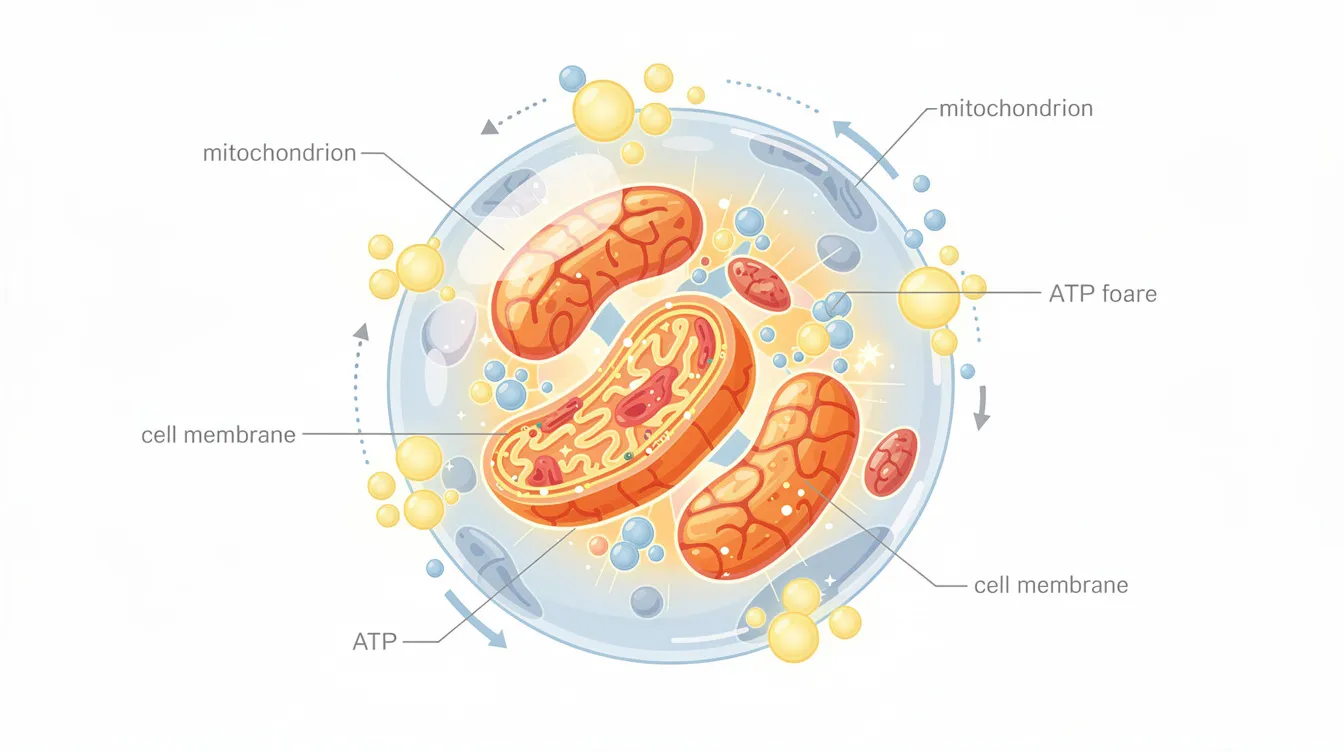
Magnesium plays a central role in over 300 enzymatic reactions throughout your body. At the cellular level, it’s indispensable for ATP synthesis—the energy currency that powers every bodily function. Without adequate magnesium, your mitochondria can’t efficiently run the Krebs cycle or oxidative phosphorylation.
Here’s what happens: magnesium stabilizes ATP as Mg-ATP complexes, which serve as the active substrates for energy-transferring enzymes. When you’re deficient, energy production declines, and this effect compounds with age, contributing to fatigue and metabolic slowdown.
The connection between low magnesium and age-related disease is striking:
- Individuals in the lowest quartile of magnesium intake face 20-30% higher risk of hypertension
- Doubled risk of sudden cardiac death compared to those with higher magnesium intake
- Exacerbated insulin resistance through impaired glucose uptake
- Increased risk of cardiovascular disease, type 2 diabetes, and osteoporosis
Magnesium deficiency is a common issue, especially among older adults, and can present with symptoms such as muscle cramps, fatigue, sleep disturbances, and cognitive decline. This deficiency can significantly impact overall health and increase the risk of chronic diseases.
Beyond disease prevention, magnesium influences key longevity mechanisms:
| Mechanism | Magnesium’s Role |
|---|---|
| DNA repair | Maintains telomere length and stability |
| Inflammation | Downregulates NF-κB pathways |
| Antioxidant defense | Regenerates glutathione |
| Cellular cleanup | Promotes autophagy |
Animal studies demonstrate measurable lifespan effects. Nematodes supplemented with magnesium show 20-30% lifespan extension through enhanced mitochondrial function and reduced oxidative stress, illustrating how magnesium supplementation can affect physiological and cognitive outcomes. While human longevity trials remain limited, these mechanisms directly support healthspan and highlight the potential benefits of magnesium supplementation for longevity in both animal and human studies.
National Institute Guidance and Recommended Intakes
The NIH Office of Dietary Supplements provides the standard reference for magnesium intake recommendations. These RDAs aim to prevent magnesium deficiency and its associated health risks in 97-98% of healthy individuals.
Recommended Dietary Allowances for Adults:
| Group | Age | RDA (mg/day) |
|---|---|---|
| Men | 19-30 | 400 |
| Men | 31+ | 420 |
| Women | 19-30 | 310 |
| Women | 31+ | 320 |
| Pregnant | All ages | 350-360 |
| Lactating | All ages | 310-320 |
The problem? Average magnesium intake in the US population falls short. Men typically consume around 300 mg/day, women about 230 mg/day—leaving a significant gap that heightens deficiency risks.
This shortfall explains why many older adults benefit from supplementation even when eating a reasonably healthy diet. Foods like leafy greens, nuts, and whole grains provide key nutrients such as magnesium, but soil depletion and food processing have reduced content over decades.
How Much Magnesium: Optimal Dosage Considerations
Finding your optimal dosage requires balancing effectiveness with tolerability. The NIH sets a tolerable upper intake level (UL) of 350 mg/day for supplemental magnesium—this excludes magnesium from foods.
Key dosing principles:
Count magnesium from all supplemental sources. If you’re taking multiple products (a standalone supplement plus a multivitamin plus a sleep formula), tally the total elemental magnesium. Exceeding the UL from combined sources often triggers gastrointestinal distress before you notice other issues.
For new users, a titration strategy prevents uncomfortable side effects:
- Week 1: Start at 100-200 mg elemental magnesium daily
- Week 2-3: Increase by 50-100 mg weekly
- Target: Work up to 300-400 mg or your tolerated maximum
- Adjust: If loose stools appear, reduce by 50 mg
This gradual approach allows intestinal adaptation and builds toward steady-state tissue saturation, typically requiring 4-6 weeks. Rushing to high doses often backfires—diarrhea leads to magnesium loss, defeating the purpose.
Forms Of Magnesium: Overview And Comparison
Not all magnesium supplements deliver equal results. The form of magnesium you choose can affect absorption rate, gastrointestinal tolerability, elemental content, and tissue targeting.
Choosing the right form of magnesium for your needs can offer potential benefits, such as improved absorption, targeted support for brain health, cardiovascular function, or sleep quality, depending on your specific health goals.
Major forms differ along these dimensions:
| Form | Bioavailability | Elemental Mg | GI Tolerance | Primary Use |
|---|---|---|---|---|
| Glycinate | 30-45% | ~14% | Excellent | Sleep, relaxation |
| L-Threonate | Moderate | ~7-8% | Good | Brain, cognition |
| Taurate | 25-35% | ~9% | Good | Cardiovascular |
| Citrate | 15-30% | 11-16% | Fair | Bowel regularity |
| Oxide | 4-10% | 60% | Poor | Cost-effective laxation |
| Malate | 30-40% | ~15% | Good | Energy, muscles |
Organic salts (glycinate, malate, taurate) generally achieve superior absorption with minimal gut irritation. Inorganic forms like oxide offer high elemental content but poor uptake. The chelating agent matters—it determines where magnesium ends up and how your body responds.
Magnesium Glycinate: Sleep-Friendly, High Tolerance
Magnesium glycinate stands out for gentleness. The glycine chelate enhances intestinal absorption via peptide transporters, bypassing the ion channels that trigger osmotic diarrhea with other forms.
Less than 5% of users experience GI upset with glycinate, compared to 20-30% with citrate at equivalent doses. This makes it practical for higher dosing without bathroom disruptions.
Glycine itself provides additional benefits as an inhibitory neurotransmitter. It promotes calmness and supports GABA receptor modulation—making glycinate particularly useful for:
- Sleep quality improvement (doses of 300-400 mg 1-2 hours before bed)
- Helping you fall asleep faster
- Anxiety reduction
- Muscle cramps relief
- General relaxation without daytime sedation
Studies suggest sleep efficiency improvements of 10-20% in those with insomnia. If nighttime disruptions undermine your recovery, glycinate deserves first consideration.

Magnesium L-Threonate (Magnesium L): Brain-Targeted Option
Magnesium L-threonate (often sold as Magtein®) uniquely targets the brain. L-threonic acid facilitates transport across the blood brain barrier—Magtein magnesium L-threonate is uniquely able to cross the blood brain barrier, enhancing its bioavailability for brain health—elevating cerebrospinal magnesium levels 15-20% more effectively than other forms in rodent models.
The cognitive enhancing effects have been tested in human trials, showing that magnesium L-threonate supports the brain’s ability to improve memory, learning, and neuroprotection:
Key research findings:
- 2010 Neuron study: Rats supplemented for 12 days showed 18% higher synaptic density and reversed age related cognitive decline
- 2016 pilot trial: 44 elderly adults taking 1.5-2 g/day for 12 weeks improved executive function and working memory by 10-15% on standardized tests
- 2021 double-blind trial: 109 healthy adults demonstrated significant gains in pattern recognition and attention after 30 days
The tradeoff? Lower elemental magnesium delivery. A typical 2g serving provides only about 144 mg elemental magnesium—roughly 7-8% by weight. You’re paying for brain bioavailability rather than systemic quantity.
L-threonate makes sense when cognitive performance is your primary goal. For general magnesium repletion, you’ll need to combine it with other forms or accept lower systemic doses.
Magnesium Taurate and Cardiovascular Support
Magnesium taurate pairs magnesium with taurine, an amino acid concentrated in cardiac tissue. This combination offers synergistic benefits for heart health.
Taurine stabilizes cell membranes, reduces oxidative stress, and provides antiarrhythmic effects. Meanwhile, magnesium promotes vasodilation through calcium channel blockade. Together, they address multiple cardiovascular mechanisms.
A small 2010 study in metabolic syndrome patients found that taurate at 6 mg/kg/day lowered systolic blood pressure by 8 mmHg over 8 weeks—more than magnesium alone achieved. Larger confirmatory trials are still pending.
Consider taurate when:
- Cardiovascular support is a priority
- You have hypertension or elevated risk factors
- Atrial fibrillation concerns exist
- You want both magnesium and taurine benefits
Recommended dosing: 300-400 mg elemental magnesium daily from taurate for longevity protocols emphasizing cardiovascular resilience.
Magnesium Citrate and Oxide: Cost and Laxative Effects
Magnesium citrate and magnesium oxide occupy the budget-friendly end of the spectrum, but both carry significant caveats.
Citrate:
- 11-16% elemental magnesium
- 30% absorption rate
- Draws water into intestines
- Reliable laxative effect at 200-400 mg
- Causes diarrhea in 20-40% of users at higher doses
Oxide:
- 60% elemental magnesium by weight
- Only 4% actual absorption
- Strong bowel motility effects
- Extremely low cost (often under $0.10 per 400 mg dose)
- Most magnesium passes through unabsorbed
The laxative effect of citrate can be useful for constipation—effective within 6-24 hours at therapeutic doses. But for longevity supplementation, you’re working against yourself: poor absorption means poor tissue repletion, and diarrhea accelerates magnesium loss.
Warning: Cap bowel-focused doses at 150-300 mg to avoid dependency or electrolyte imbalance. These forms are secondary choices for longevity unless digestion improvement is specifically prioritized.
Magnesium Supplements: Choosing A Supplement Product
Reading labels correctly separates effective supplementation from expensive placebo consumption.
Always check for elemental magnesium amounts. Labels may list total compound weight (e.g., “1,000 mg magnesium citrate”) but that’s misleading. What matters is the elemental magnesium—the actual mineral content. In this example, 1,000 mg citrate delivers roughly 110-160 mg elemental magnesium.
Prioritize third-party tested brands. Look for USP, NSF, or ConsumerLab verification. Independent analyses find 10-20% of untested products contain inaccurate doses or heavy metal contamination. Third-party testing ensures 90-110% label accuracy.
Scrutinize excipients and fillers:
| Ingredient | Concern Level | Notes |
|---|---|---|
| Magnesium stearate | Low-moderate | Potential gut irritant above 2% |
| Rice flour | Low | Common filler, generally safe |
| Silicon dioxide | Low | Flow agent, minimal concern |
| Artificial colors | Moderate | Unnecessary, avoid if possible |
| Proprietary blends | High | Obscures actual doses |
Bonus: products adding vitamin B6 enhance magnesium uptake by 20-30%. This synergy makes B6-containing formulas worth considering.

How To Choose The Best Form Of Magnesium For You
Matching the right magnesium form to your goals requires systematic assessment. Use this decision checklist:
Step 1: Identify your primary goal
- Sleep/anxiety → Glycinate
- Cognition/brain health → L-threonate
- Cardiovascular support → Taurate
- Energy/fatigue/muscle function → Malate
- Constipation relief → Citrate (sparingly)
Step 2: Assess tolerance factors
- History of GI sensitivity → Avoid citrate, oxide; prefer glycinate
- Taking high doses → Glycinate or malate handle 400+ mg best
- Budget constraints → Consider oxide only with realistic absorption expectations
Step 3: Check kidney function
- eGFR below 60 → Limit supplements to under 200 mg; impaired clearance risks hypermagnesemia
- Normal kidney function → Standard dosing applies
Step 4: Review medications
- PPIs (omeprazole, etc.) → Reduce absorption by 25%; may need higher doses or different form
- Loop diuretics (furosemide) → Increase urinary loss by 50%; supplementation often necessary
- Thiazide diuretics → Less depletion, but still monitor
- Bisphosphonates → Space magnesium 2+ hours apart
Step 5: Consult a healthcare professional Before starting any new supplement regimen, especially with existing health conditions or medications, get personalized guidance. A physician can check baseline blood magnesium levels and adjust recommendations.
Magnesium Supplement Safety and Interactions
Magnesium supplementation is generally safe within recommended limits, but specific situations require caution.
Absolute contraindication: Renal impairment
Impaired kidney filtration prevents adequate magnesium excretion, risking hypermagnesemia. Symptoms begin appearing at serum levels above 5 mg/dL:
- Hypotension
- Bradycardia
- Respiratory depression (severe cases)
- Cardiac arrest (extreme cases)
If your eGFR falls below 60, limit supplemental magnesium to 200 mg maximum and monitor closely with your healthcare provider.
Drug interactions to monitor:
| Medication | Interaction | Management |
|---|---|---|
| PPIs (omeprazole) | 25% reduced absorption | Consider dose increase or injection forms |
| Loop diuretics | 50% increased urinary loss | Higher supplement needs likely |
| Antibiotics (fluoroquinolones, tetracyclines) | Chelation reduces drug absorption | Space 2-4 hours apart |
| Bisphosphonates | Reduced drug effectiveness | Take magnesium at different time |
Common side effects:
Diarrhea remains the most frequent complaint, especially with citrate and oxide. It’s dose-dependent and typically resolves with a 25-50% reduction. Start low and titrate up to avoid this.
Rare: hypercalcemia from vitamin D co-supplementation affecting calcium-magnesium balance. Monitor if taking high-dose vitamin D alongside magnesium.
Magnesium Supplement Protocols For Longevity Goals
For longevity-focused supplementation, here’s a practical protocol based on current evidence:
Starting protocol:
- Begin with 200 mg elemental magnesium (glycinate or malate) at bedtime
- Maintain for 1-2 weeks, monitoring for tolerance
- Increase to 400 mg split as 200 mg morning / 200 mg evening
- Continue split dosing to sustain levels without concentration peaks
Why split dosing?
Single large doses overwhelm absorption capacity and increase GI side effects. Splitting maintains steadier blood magnesium levels throughout the day while maximizing total uptake.
Why nighttime dosing?
Taking magnesium before bed leverages its relaxation effects. Actigraphy studies show 15-25 minutes of additional deep sleep with evening dosing. This recovery time compounds meaningfully for overall health and longevity.
For cognitive goals:
If targeting brain benefits specifically:
- Use L-threonate at 1.5-2 g daily (delivers ~144-200 mg elemental)
- Consider cycling: 3 months on, 1 month off to assess ongoing needs
- Combine with glycinate or malate for systemic repletion
Monitoring progress:
Track these markers:
- Sleep quality (use sleep trackers or journals)
- Energy levels throughout the day
- Muscle cramps frequency
- Mental clarity and focus
Expect noticeable changes in 1-2 weeks for sleep and relaxation. Cognitive and energy benefits typically emerge over 4-12 weeks as tissue stores replete.
Cognitive Function And Magnesium: Evidence And Practicals
The link between magnesium and cognitive function extends beyond simple deficiency correction. Low magnesium correlates with hippocampal atrophy and increased amyloid plaque formation—hallmarks of cognitive decline.
Mechanistically, magnesium restores NMDA receptor function essential for synaptic plasticity. This can affect cognitive outcomes by supporting the brain’s ability to form new connections and consolidate memories. Magnesium, especially forms like L-threonate, enhances the brain’s ability to adapt, learn, and retain information by promoting neuroplasticity.
Key Magtein®/L-threonate trial outcomes:
| Study | Participants | Duration | Key Finding |
|---|---|---|---|
| 2016 pilot | 44 elderly adults | 12 weeks | 10-15% improvement in executive function |
| 2021 RCT | 109 healthy adults | 30 days | Significant pattern recognition gains |
| 2022 MCI trial | 15 patients | 12 weeks | 13% executive function improvement, reduced P-tau |
The 2022 trial particularly interests longevity researchers: reduced P-tau biomarkers suggest effects beyond symptom improvement, potentially addressing underlying pathology.
When to trial magnesium for cognitive goals:
- Experiencing brain fog or memory lapses in midlife
- Family history of cognitive decline
- Seeking overall cognitive performance enhancement
- Already optimized sleep and exercise but want additional support
Practical approach: Trial L-threonate at 1.5-2 g daily for 8-12 weeks. Track cognitive metrics using apps to establish pre/post scores. Discontinue if no subjective improvement after 3 months.
Cognitive Performance Testing And Outcome Measures
Measuring cognitive changes objectively validates whether supplementation provides meaningful benefits for you personally.
NIH Toolbox cognitive assessments offer standardized batteries measuring:
- Executive function
- Attention
- Episodic memory
- Processing speed
While full NIH assessments require professional administration, validated at-home alternatives exist.
At-home tracking suggestions:
| Tool | What It Measures | Cost |
|---|---|---|
| Cambridge Brain Sciences | Multiple domains | Free basic version |
| Lumosity | Attention, memory, flexibility | Subscription |
| CANTAB Mobile | Validated research tasks | Free/paid tiers |
| Self-administered MoCA | General cognitive status | Free online versions |
Testing protocol:
- Establish baseline scores before starting supplementation
- Re-test weekly or bi-weekly using the same platform
- Track alongside sleep journals to correlate improvements
- Allow 4-12 weeks before drawing conclusions
Note: MoCA scores below 26 indicate potential impairment warranting professional evaluation. Use these tools for tracking improvement, not diagnosis.
Research Gaps And What To Watch For
Despite promising mechanisms, significant gaps remain in the magnesium-longevity evidence base.
Current limitations:
- Most trials run short-term (< 6 months)
- Sample sizes typically underpowered (n< 200)
- No head-to-head comparisons of forms for lifespan extension
- Limited hard longevity endpoints (all-cause mortality, healthspan metrics)
- Heavy reliance on animal studies for lifespan effects
Ongoing research to monitor:
The NIH-funded MagLIFE trial (NCT05263832, estimated completion 2027) tests L-threonate in aging cohorts specifically examining:
- Frailty measures
- Cognitive outcomes
- Bone density
- Vascular stiffness
- Telomere metrics
This represents the most comprehensive longevity-focused magnesium trial to date. Results will significantly inform future recommendations.
Practical takeaway:
Current evidence supports magnesium supplementation for deficiency correction and mechanism-based healthspan support. Long-term survival data remains forthcoming. Start with well-established benefits (sleep, muscle function, cardiovascular markers) while awaiting stronger longevity-specific evidence.
FAQ: Common Reader Questions About Magnesium Supplementation
What is elemental magnesium?
Elemental magnesium refers to the pure magnesium ion content within a compound. When a label says “500 mg magnesium glycinate,” only about 70 mg is actual magnesium—the rest is the glycine molecule. Calculating elemental content requires knowing the compound’s molecular weight ratio. Quality supplements list elemental magnesium separately; if yours doesn’t, consider switching brands.
Can I take magnesium with multivitamins?
Yes, magnesium pairs safely with most multivitamins. However, if your multi contains significant calcium or zinc, space them 2 hours apart. These minerals compete for the same absorption pathways, reducing uptake by 20-30% when taken simultaneously. Taking magnesium at bedtime while using your multivitamin in the morning solves this naturally.
How fast will I notice benefits?
Timeline varies by benefit type:
| Benefit | Typical Timeline |
|---|---|
| Sleep/relaxation | 1-2 weeks |
| Muscle cramps reduction | 1-2 weeks |
| Mood improvements | 2-4 weeks |
| Energy/fatigue | 4-8 weeks |
| Cognitive effects | 4-12 weeks |
| Full tissue repletion | ~3 months |
Erythrocyte magnesium tests (more accurate than serum) can confirm adequate repletion if you want objective verification.
Should I get enough magnesium from diet alone?
In theory, yes. In practice, most people don’t. The average person in the general population consumes 30-40% less than recommended amounts. Dietary optimization helps—emphasize leafy greens, nuts, seeds, and whole grains—but supplementation fills gaps that diet alone rarely covers, especially for older adults.
Product Picks Framework (Writer Instructions)
When evaluating magnesium supplements, apply these shortlist criteria:
Minimum requirements:
- ≥100 mg elemental magnesium per serving
- Bioavailable form (glycinate, L-threonate, or malate prioritized)
- Third-party testing (USP, NSF, or ConsumerLab verified)
- Price below $0.20 per mg elemental
- Transparent labeling without proprietary blends
Red flags to avoid:
- Claims of “anti-aging miracle” without Level-1 evidence
- Fillers exceeding 5% of formula
- No third-party verification
- Only lists compound weight, not elemental content
- Undisclosed manufacturing location
Evaluation checklist:
| Criterion | Acceptable | Preferred |
|---|---|---|
| Form | Any organic salt | Glycinate, L-threonate, malate |
| Testing | Manufacturer claims | Third-party verified |
| Elemental per serving | 100+ mg | 150-200 mg |
| Added synergists | None | B6, trace minerals |
| Price per serving | < $0.50 | < $0.30 |
| Excipients | Minimal fillers | Only capsules/necessary flow agents |
Start by identifying products meeting all minimum requirements, then rank by preferred criteria. The best magnesium supplement for your longevity goals balances effectiveness, quality assurance, and sustainable cost.
References And Resources
Primary references:
- NIH Office of Dietary Supplements Magnesium Fact Sheet - Comprehensive overview of requirements, food sources, and deficiency signs
- Slutsky et al. 2010, Neuron (DOI:10.1016/j.neuron.2009.12.014) - Foundational L-threonate research demonstrating enhanced synaptic density and learning
- Liu et al. 2016 (DOI:10.3233/JAD-150538) - Human pilot trial showing cognitive improvements in elderly adults with L-threonate supplementation
Additional resources:
- ConsumerLab.com - Independent testing results for supplement quality
- ClinicalTrials.gov - Search “magnesium longevity” for ongoing research
- NIH Toolbox - Standardized cognitive assessment information
Selecting the best magnesium for longevity ultimately comes down to matching your specific needs—whether sleep, cognition, or cardiovascular support—with the right form and dosing strategy. Start conservatively, track your response, and adjust based on tolerance and results. With proper form selection, quality verification, and consistent use, magnesium supplementation becomes a practical cornerstone of any evidence-based longevity protocol.