
Related topic: This article is part of Expert Protocol Profiles. If you want the broader overview, start with Longevity Protocols 2026: Practical, Evidence-Guided Roadmap. Bryan Johnson’s Project Blueprint has captured the attention of longevity enthusiasts worldwide. Bryan Johnson’s unique protocol stands out for its scientific approach and highly personalized methods, making him a leading authority in health optimization and longevity. The tech entrepreneur spends approximately $2 million annually tracking over 70 biomarkers with a team of 30+ medical experts. For most people, that’s not exactly feasible.
Here’s the good news: you can capture 80-90% of the benefits at roughly 1% of the cost.
This guide breaks down how to implement the blueprint protocol on a budget, targeting a weekly spend of $40-60. Whether you’re looking to improve sleep quality, optimize your healthy diet, or simply feel great while aging more gracefully, this thrifty approach delivers results without draining your bank account.
Quick Overview Of The Blueprint Protocol
The blueprint protocol operates as an algorithm designed to remove impulsive decision-making from health optimization. Johnson launched Project Blueprint in 2021 with ambitious goals:
- Achieve blood pressure lower than 90% of 18-year-olds
- Reach vascular function equivalent to late teens
- Maintain telomere length similar to a 10-15 year old
- Score an epigenetic aging pace of 0.48 via DunedinPACE
The protocol measures biological age through multiple clocks including GrimAge, PhenoAge, and Horvath’s clock. Johnson positions himself as the most measured person in history.
Low-cost pillars to prioritize:
| Pillar | Cost | Impact |
|---|---|---|
| Sleep optimization | $0-50/year | Highest |
| Plant based nutrition | $40/week | High |
| Daily movement | Free | High |
| Basic supplements | $20/month | Moderate |
Focusing on these pillars can help reduce the risk of common health issues or age-related diseases.
Tradeoffs for affordability:
You’ll skip gene therapies, plasma exchanges ($50k/session), and comprehensive lab panels. The focus shifts to democratic basics that deliver the bulk of longevity benefits. Critics note the full protocol remains anecdotal—a single case study unable to isolate which interventions actually matter. Budget adherents leverage this uncertainty by cutting the expensive experimental elements.
Adapt Bryan Johnson’s Daily Routine For Less
Johnson enforces an unvarying 8:30 PM bedtime and rises early for measurements. You don’t need his controlled environment to get results.
Shorten wake-to-bed timing for consistency:
Compress your schedule to a 10 PM-6 AM window. Eight hours of high quality sleep remains the top intervention. Cool, dark rooms work just as well as expensive climate-controlled setups. A $30 blackout curtain and $20 fan create conditions that support melatonin production and align your circadian rhythm naturally.
Simplify morning measurements to essentials:
Skip the dozens of organ age assessments. Track three metrics daily:
- Weight via a $20 digital scale
- Resting heart rate using free phone apps or a $30 pulse oximeter
- Sleep metrics from a budget wearable under $100
Prioritize sleep and movement over gadgets:
Your sleep protocol matters more than any device. Implement blue light blocking glasses after sunset ($15 on Amazon). Set a consistent wind down routine starting one hour before bed. No food close to bedtime—this aligns with Johnson’s own practice.
Movement emphasizes free body weight exercises and brisk walking. The goal: one hour daily mixing cardiovascular and resistance training work. Walking every 30 minutes for 2-3 minutes throughout the day costs nothing and improves vascular health.
Affordable Blueprint Stack Alternatives
The blueprint stack sold commercially comprises expensive proprietary blends. Smart substitutions cut costs by 70-90% while retaining high-impact ingredients.
Identify high-impact supplements to keep:
- Omega-3 fatty acids (1-2g EPA/DHA daily)
- Vitamin D with K2 (2000-4000 IU)
- Basic multivitamin covering 20+ micronutrients
- Collagen peptides for joint and skin health
Replace expensive brands with verified generics:
Generic supplements from USP or NSF-certified brands deliver identical active ingredients. NOW Foods, Nature Made, and similar suppliers offer lab-tested options at a fraction of premium prices.
Schedule supplements around meals for absorption:
Fat-soluble vitamins (D, E, A, K) absorb better with food containing fat. Take your stack with breakfast or lunch for maximum bioavailability.
Blueprint Essential Capsules (Budget Swaps)
The essential capsules include multivitamins, omegas, and vitamin d in softgel form. Here’s how to replicate them affordably:
| Original Component | Budget Substitute | Daily Cost |
|---|---|---|
| Specialty softgels | Generic multivitamin | $0.10 |
| Premium omega-3 | Combined fish/algae oil | $0.20 |
| High-dose vitamin D | D3 + K2 combo capsule | $0.10 |
Choose combined omega and vitamin d capsules when possible to reduce pill count. Verify third-party testing before any purchase—check ConsumerLab or Labdoor for purity ratings. Some budget brands contain contaminants or lower potency than labeled.
Longevity Mix Substitutes
The blueprint longevity mix features premium greens powders and collagen at $3+ per serving. Budget alternatives deliver similar benefits:
Replace premium greens powder with bulk spirulina:
Spirulina provides phycocyanin antioxidants with equivalent anti-inflammatory effects according to studies on cellular repair. Cost: $0.30/serving versus $3+ for branded greens powders.
Add collagen peptides from affordable suppliers:
Bovine or marine collagen peptides support joint function and skin health at $0.50/serving. Look for hydrolyzed forms for better absorption.
Mix powdered greens into smoothies for convenience:
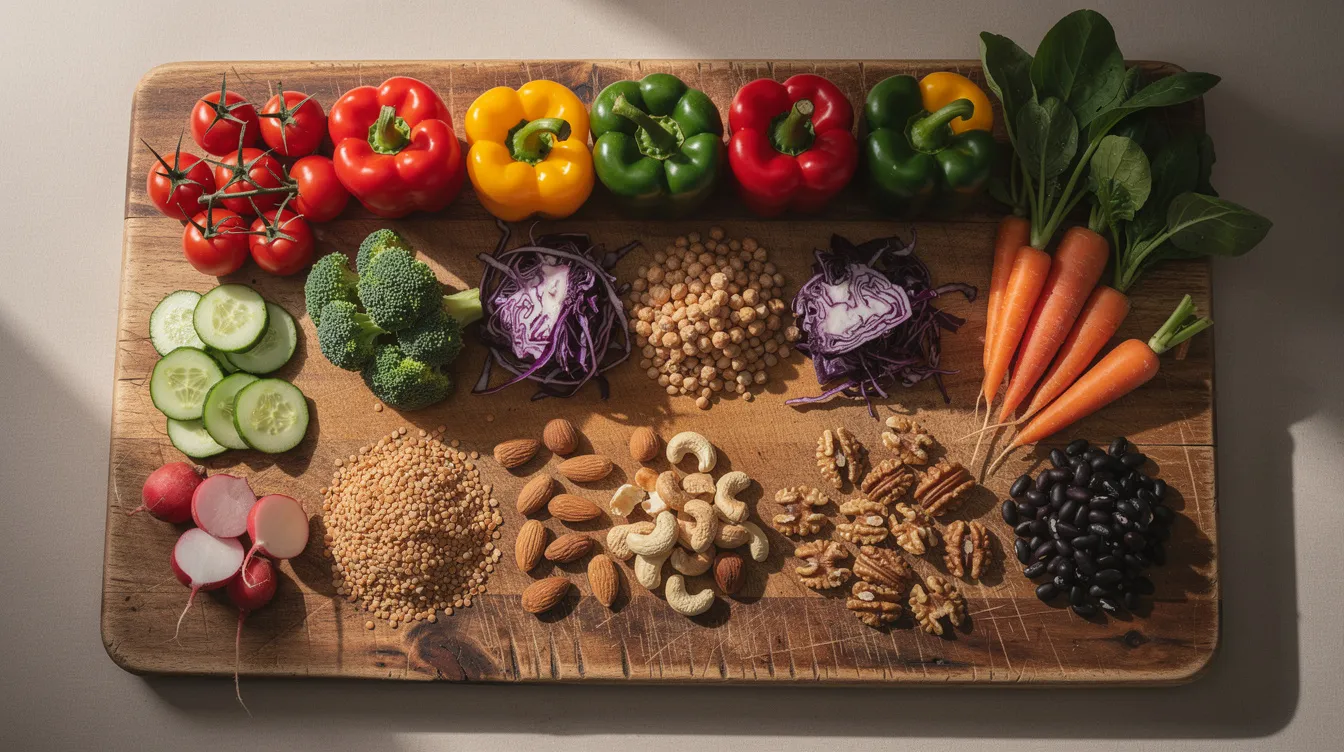
Combine spirulina, frozen berries, and spinach in a morning smoothie. This mimics Johnson’s plant based focus while cutting costs by 80%. Add pea protein powder to boost protein intake affordably.

Plant-Based, Protein-Packed Meals On A Budget
Johnson follows strict whole-food plant based caloric restriction within eating windows, averaging 1977 calories daily. His protein targets: 1.6g per kilogram of body weight to maintain muscle mass during restriction.
Outline weekly meal template with legumes focus:
| Meal | Primary Protein | Cost | Protein Content |
|---|---|---|---|
| Breakfast smoothie | Pea protein powder | $1.00 | 25g |
| Lunch | Lentil dal with quinoa | $2.00 | 40g |
| Last meal (dinner) | Black bean stir-fry with tofu | $2.50 | 35g |
Legumes form the backbone of budget plant-based eating. Lentils deliver 25g protein per cooked cup at roughly $0.20.
Batch-cook high-protein plant meals once weekly:
Cook 5kg of legumes every week for $15-20, yielding 500g+ protein. Store in portioned containers for quick reheating. This approach mirrors Johnson’s meal prep efficiency at a fraction of the cost.
Swap expensive faux meats for lentils and tofu:
A $5 package of faux meat contains roughly the same protein as $0.50 worth of dry lentils. Tofu runs approximately $0.30 for 20g of protein. These swaps generate 10x savings while supporting the same autophagy-promoting effects.
Research shows whole-food plant based diets reduce inflammation markers by 20-30% in clinical trials. Combined with 12-16 hour fasting windows, this eating pattern supports both weight loss and longevity goals.
Red Light Therapy And Low-Cost Recovery
Red light therapy uses 660-850nm wavelengths to stimulate mitochondrial ATP production. Johnson incorporates this for muscle recovery and reduced inflammation.
Use cases for red light therapy:
- Post-workout recovery on joints and muscles
- Reducing inflammation and pain (meta-analyses show 20-30% pain reduction)
- Supporting faster muscle strength regeneration in athletes
Prioritize recovery sessions post-workout:
Schedule 10-20 minute sessions after exercise for maximum benefit. Focus light on areas experiencing the most stress from your strength training or resistance training sessions.
Recommend affordable tabletop devices:
Skip Johnson’s full-body panels costing thousands. Tabletop devices like Joovv minis or Mito Red clones run $100-200 and deliver adequate irradiance for targeted treatment.
DIY Red Light Therapy Hacks
Budget-conscious longevity enthusiasts can go even cheaper:
Repurpose low-cost LED panels safely:
50-100W LED grow panels ($30-50) emit red and near-infrared wavelengths. Position 6-12 inches from skin for optimal dosing. Target irradiance should fall between 20-100mW/cm² to avoid burns.
Set timer for optimal minute ranges:
10-15 minutes per session delivers adequate light exposure. Longer isn’t necessarily better—overdoing it can cause skin irritation.
Protect eyes with simple goggles:
$5 welding goggles or red light therapy glasses protect against potential retinal risk. Never stare directly at high-intensity light panels.
Note: DIY setups involve inconsistent dosing compared to commercial devices. The evidence for systemic anti-aging effects remains limited, though localized benefits are FDA-supported for low-level light therapy.
Monitoring Biological Age Without Expensive Labs
Johnson tracks biological age through comprehensive panels costing hundreds of thousands annually. You can approximate these insights with free and cheap proxies.
Track weight, resting heart rate, and sleep metrics:
| Metric | Target | Tool | Cost |
|---|---|---|---|
| Resting heart rate | Under 60 bpm | Phone app | Free |
| Deep sleep percentage | 20%+ | Budget wearable | $50-80 |
| Weight trend | Stable or declining | Digital scale | $20 |
| Sleep score | Top quartile | Wearable | Included |
Use affordable home tests selectively:
- $50 ketone strips monitor metabolic flexibility
- $100 HbA1c kits track blood sugar control
- Blood pressure monitors ($30) check cardiovascular disease risk factors
These correlate with Johnson’s DunedinPACE measurements at roughly 70-80% accuracy per validation studies.
Log trends weekly for long-term comparison:
Create a simple spreadsheet tracking your metrics. Weekly patterns reveal more than daily fluctuations. Budget adherents report 5-10% biomarker improvements over 6 months using this approach.
Project Blueprint Vs Budget Blueprint Comparison
The contrast between Johnson’s approach and a thrifty alternative reveals where money matters—and where it doesn’t.
| Category | Full Protocol | Budget Blueprint |
|---|---|---|
| Annual cost | ~$2,000,000 | < $2,000 |
| Gene therapies | Included | Skipped |
| Custom lab panels | $100k+ | $200-300 |
| Supplement stack | $300+/month | $20/month |
| Equipment | $50k+ | $200 one-time |
High-value elements to retain:
- Sleep optimization (top intervention, nearly free)
- Whole-food plant based eating (reduces inflammation significantly)
- Daily movement and exercise (free)
- Basic supplementation (affordable)
Low-value expensive interventions to skip:
- Plasma exchanges ($50k/session, unproven longevity benefits)
- Unapproved gene therapies (administered in Honduras due to U.S. regulations)
- Exotic topicals and cosmetic treatments
- Frequent MRIs and comprehensive organ age assessments
The 80/20 rule applies: 80% of benefits come from 20% of interventions. That 20% happens to be the affordable stuff.
Cheap Tools For The Blueprint Stack
You don’t need a home gym to replicate Johnson’s exercise protocol. A few inexpensive tools cover the essentials.
Recommend resistance bands for strength training:
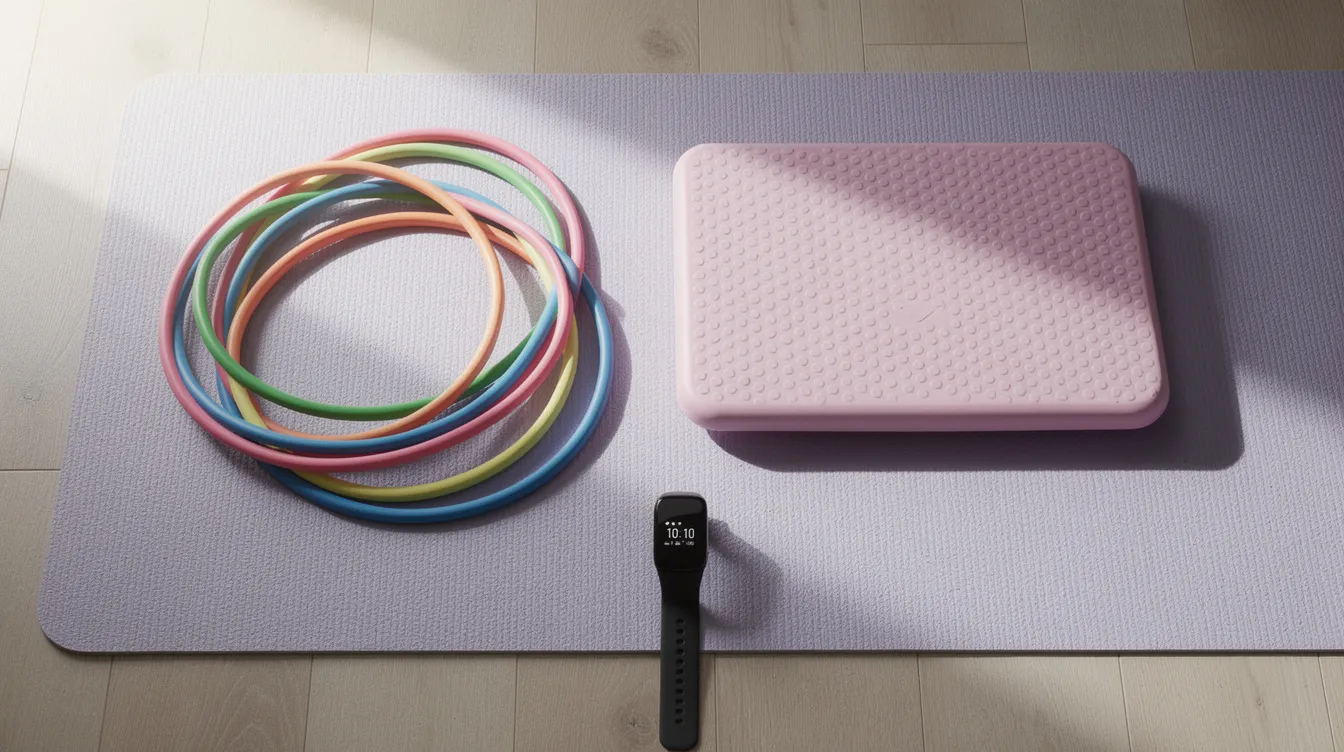
$15 resistance bands enable progressive overload similar to weights. Perform 3 sets of 10-15 reps for major muscle groups. Bands work for assisted pull ups, rows, presses, and leg exercises—covering your full resistance training needs.
Suggest foam pad for balance practice:
A $10 foam pad improves balance and stability. Research shows balance training reduces fall risk by 25% in older adults. Use it for standing exercises and single-leg work to improve proprioception.
Pick one wearable for sleep and activity tracking:
Skip the $300 Oura ring. Budget alternatives deliver comparable data:
- Amazfit bands ($80) track sleep stages and activity
- Fitbit Inspire ($50-70) monitors heart rate and sleep quality
- Xiaomi Mi Band ($30-40) covers basic metrics
One wearable provides sufficient data for tracking trends. Multiple devices create unnecessary complexity and expense.
New York Times And Other Key References
The New York Times has profiled Johnson’s extreme approach, lending mainstream credibility to the conversation around longevity optimization. Their coverage highlights both the protocol’s intriguing biomarkers and questions about marketing hype versus proven gains.
Key references for deeper reading:
- NIH longevity reviews emphasizing basics over experimental treatments
- Research by Valter Longo on caloric restriction patterns showing 10-20% lifespan extension in models
- Studies on DunedinPACE and epigenetic clock measurements
These sources reinforce the budget approach: foundational interventions deliver the most reliable benefits.
Shopping Lists, Weekly Budget, And Sources
Here’s your one-page guide to implementing the blueprint protocol on a budget.
Weekly grocery shopping list (~$40):
| Category | Items | Cost |
|---|---|---|
| Legumes | 2kg lentils, 1kg chickpeas, 1kg black beans | $8 |
| Tofu/Tempeh | 4 blocks tofu | $6 |
| Vegetables | Spinach, broccoli, carrots, onions, garlic | $12 |
| Fruits | Frozen berries, bananas, apples | $8 |
| Nuts/Seeds | Almonds, walnuts, flaxseed | $6 |
Monthly supplement budget (~$20):
| Supplement | Monthly Cost |
|---|---|
| Bulk spirulina | $5 |
| Generic omega-3 | $6 |
| Multivitamin | $4 |
| Collagen peptides | $5 |
Trusted suppliers and coupon tactics:
- iHerb and Amazon offer competitive pricing on supplements
- Use Rakuten for 20% cashback on supplement orders
- Subscribe-and-save options reduce costs by 10-15%
- Check red yeast rice and other specialty supplements for generic alternatives
Stay hydrated throughout the day—this costs nothing and supports every bodily function. Aim for 2-3 liters of water daily.
Sample 7-Day Budget Blueprint Daily Routine
This schedule adapts Bryan Johnson’s principles for real-world implementation.
Morning routine with core actions:
- 6:00 AM: Wake, measure weight and resting heart rate
- 6:15 AM: Green smoothie (spinach, frozen berries, pea protein, spirulina)
- 6:30 AM: First thing focused work block or light movement
- 7:00 AM: Supplements with breakfast
Two example plant-based lunches:
- Lentil dal over quinoa with steamed broccoli (40g protein, $2)
- Chickpea curry with brown rice and sautéed greens (35g protein, $2.50)
Both meals support muscle mass maintenance while keeping costs minimal.
Schedule three short daily workouts per week:
| Day | Workout Type | Duration | Focus |
|---|---|---|---|
| Monday | HIIT circuit | 20 min | Cardio, moderate intensity |
| Wednesday | Resistance training | 25 min | Muscle strength, body weight exercises |
| Friday | Yoga/flexibility | 15 min | Balance, mobility |
Other activities on remaining days include brisk walking (30+ minutes) and standing regularly throughout work hours. Pre workout nutrition: light carbs 30-60 minutes before intense sessions.
Nightly wind down routine:
- 8:00 PM: Last meal finished
- 9:00 PM: Blue light blocking glasses on, screens dimmed
- 9:30 PM: Wind down routine begins (reading, stretching, journaling)
- 10:00 PM: Lights out, room cool and dark
This sleep protocol prioritizes circadian rhythm alignment over expensive sleep tech.

FAQs, Next Steps, And How Bryan Johnson’s Tips Scale Down
Cost versus benefit common questions:
Is the budget version actually effective?
Yes. The foundations—sleep, plant based nutrition, movement—deliver 80-90% of measurable benefits. Expensive interventions add marginal gains with significant cost and risk.
What’s the minimum effective dose?
Start with sleep optimization. This single pillar improves nearly every biomarker. Add dietary changes in week two, movement in week three. Bad habits like processed foods, alcohol, and inconsistent sleep schedules create more damage than missing fancy supplements.
How long until I see results?
Most people notice improved sleep quality and energy within 2-3 weeks. Heart rate and blood pressure changes appear at 4-6 weeks. Measurable shifts in biological age proxies require 3-6 months of consistent adherence.
Recommend incremental testing of changes:
Don’t overhaul everything at once. Test one change for 30 days before adding another. This approach helps you identify what actually works for your body and well being versus what the protocol claims should work.
Priority order:
- Sleep consistency (30 days)
- Plant based meal focus (30 days)
- Daily movement minimum (30 days)
- Basic supplement stack (ongoing)
Propose timeline for measuring biological effects:
| Timeline | Expected Changes |
|---|---|
| Week 1-2 | Improved energy, better focus |
| Week 4-6 | Lower resting heart rate, stable weight |
| Month 3 | Improved sleep metrics, reduced inflammation feel |
| Month 6 | Measurable biomarker improvements |
Years ago, this level of longevity optimization required wealth and access to cutting-edge medicine. Today, the blueprint protocol on a budget democratizes health optimization for anyone willing to create consistent habits.
The matter isn’t whether you can afford Johnson’s exact approach—it’s whether you’ll decide to implement the fundamentals that actually drive results. Start with sleep, add nutrition, move your body, and track your progress. That’s the average person’s path to feeling great while reducing the risk of age-related decline.
Your next step: pick one pillar and commit to 30 days. Measure your baseline metrics today, then compare at the end of the month. The life you’re optimizing is worth the effort.
Related reading
- Longevity Protocols 2026: Practical, Evidence-Guided Roadmap
- Bryan Johnson Blueprint Protocol: Stack, Longevity Mix, and Practical Guide
- Bryan Johnson, Rapamycin, and the Blueprint Protocol: mTOR, Biological Age, and T Cells
- Valter Longo Longevity Protocol: A Complete Guide to the Science-Backed Approach