
Related topic: This article is part of The Foundational Longevity Stack. If you want the broader overview, start with Foundational Longevity Stack: Evidence-Based Core Supplements. The connection between what lives in your gut and how long you live is no longer speculative science. Research increasingly points to specific metabolites produced by gut microbes as key players in the aging process—and butyrate sits at the center of this investigation.
As we move through the stages of life, the gut microbiome takes on a pivotal role in what can be described as “The Gut Microbiome’s Second Act,” where its influence on aging and longevity becomes especially significant.
This article targets health professionals, researchers, clinicians, and informed consumers seeking evidence-based strategies for microbiome interventions that extend healthspan. We’ll examine the mechanistic pathways linking butyrate to longevity, review the current state of research in both animal models and humans, and provide actionable guidance for clinical application.
Butyrate is a four-carbon short chain fatty acid generated primarily through microbial fermentation of dietary fibers in the gastrointestinal tract. Beyond serving as the primary energy source for colonocytes, butyrate exerts systemic effects through epigenetic modulation and anti-inflammatory pathways. Its relevance to lifespan stems from its ability to mitigate key hallmarks of aging: chronic inflammation, mitochondrial dysfunction, and immune dysregulation.
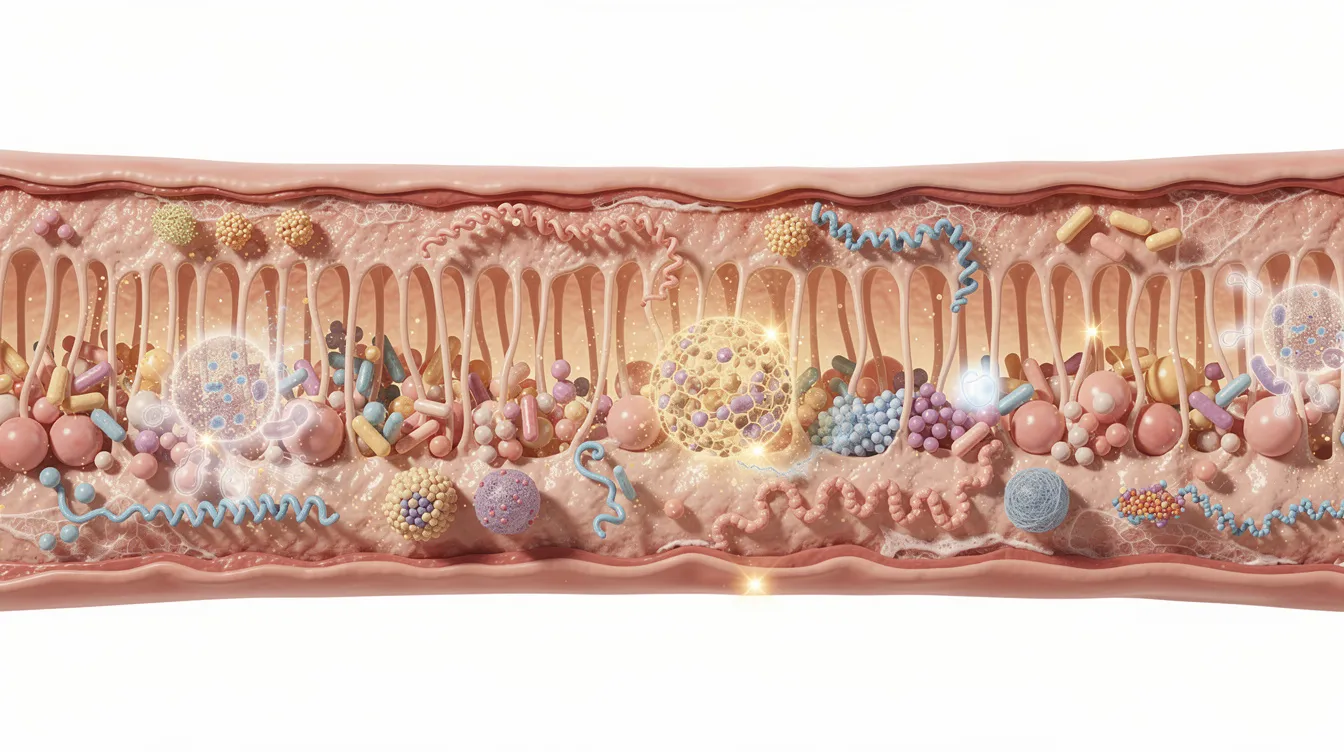
Mechanistic Links Between Butyrate and Longevity
Understanding how butyrate influences aging requires examining three interconnected functions: gut barrier maintenance, anti-inflammatory signaling, and cellular energy production.
Gut Barrier Integrity
The intestinal epithelium forms a critical boundary between your internal environment and the microbial community residing in your gut. Butyrate plays a direct role in preserving this barrier by upregulating tight junction proteins—specifically occludin and claudin-1—that seal intercellular gaps in the epithelium.
This function becomes increasingly important with age. The phenomenon commonly termed “leaky gut” involves compromised barrier function that allows microbial endotoxins to enter the bloodstream. This leakage triggers systemic inflammation, accelerating age-related tissue damage and contributing to the chronic low-grade inflammation observed in aging populations.
Anti-Inflammatory Signaling
Butyrate’s anti-inflammatory effects operate primarily through histone deacetylase (HDAC) inhibition. By blocking HDAC enzymes, butyrate promotes histone acetylation in immune cells, which in turn upregulates anti-inflammatory genes like IL-10 while suppressing pro-inflammatory cytokines such as IL-6 and TNF-α.
This mechanism directly addresses “inflammaging”—the persistent, low-level inflammation that characterizes biological aging. By modulating immune cell function at the epigenetic level, butyrate helps maintain inflammatory homeostasis that typically deteriorates with advancing age.
Energy Substrate for Colonocytes
Colonocytes preferentially use butyrate as their primary fuel source. Through beta-oxidation in mitochondria, butyrate metabolism generates energy molecules, such as ATP, which are essential for colonocyte function and tissue maintenance. These molecules drive the tricarboxylic acid (TCA) cycle, sustaining epithelial renewal and cell function.
Age-related energy deficits in the gut compromise tissue maintenance and regeneration. Adequate butyrate availability counters these deficits, supporting the metabolic demands of a constantly renewing intestinal lining.
Cellular and Molecular Mechanisms (Gut Microbiome)
At the cellular level within the gut microbiome ecosystem, butyrate’s influence extends beyond simple energy provision.
HDAC Inhibition
Butyrate acts as a potent HDAC inhibitor, altering chromatin structure to influence gene expression in pathways tied to cell survival and senescence. Notably, this inhibition reduces DNA damage markers and mitochondrial reactive oxygen species (ROS) accumulation. It also downregulates mTOR signaling, which inhibits NFκB and curbs pro-inflammatory senescence-associated secretory phenotype (SASP) factors.
In senescent T cells, for instance, butyrate-mediated HDAC inhibition reduces IL-6 secretion—a cytokine strongly associated with age-related pathology.
Immune Cell Modulation
Butyrate promotes regulatory T cell (Treg) differentiation and expansion, fostering immune tolerance and preventing the chronic activation characteristic of immunosenescence. This modulation helps maintain balanced immunity function rather than the hyperactive yet ineffective immune responses common in aging.
Systemic Metabolite Changes
Microbial butyrate production links to elevated levels of fibroblast growth factor 21 (FGF21), a pro-longevity hormone. Butyrate’s systemic effects extend to multiple organs, including the brain, liver, and gut, highlighting its broad physiological impact. FGF21 activates AMPK and SIRT1 while suppressing mTOR, influencing whole-body metabolism, neurogenesis, and energy homeostasis. This connection suggests that butyrate’s benefits extend well beyond the gut to affect brain function and systemic physiology.
Epigenetic and Histone Acylation Effects
Beyond HDAC inhibition, butyrate serves as a substrate for acyltransferases that introduce butyryl groups onto histones—a process called histone butyrylation. This modification occurs at specific sites including H3K9 and H3K27, correlating with altered gene expression in longevity pathways.
Evidence from cellular models demonstrates that histone butyrylation enhances expression of anti-aging genes while reversing senescence-associated epigenetic silencing. These changes directly tie to longevity-related gene expression patterns, including:
- Upregulation of autophagic markers (Beclin-1, LC3-II conversion)
- Activation of AMPK
- Inhibition of mTOR
Collectively, these modifications promote cellular cleanup and resilience against aging stressors—key requirements for healthy aging and extended lifespan.
Evidence From Animal Models and Human Studies
The mechanistic understanding of butyrate’s role in longevity gains support from both controlled animal experiments and observational human data. For example, studies in mice have demonstrated that increased butyrate production by gut microbiota is associated with improved metabolic health and extended lifespan.
Animal Model Findings
Mouse studies conducted in the lab provide compelling evidence for butyrate’s lifespan-extending potential. Sodium butyrate supplementation in mice extends lifespan by enhancing mitochondrial function and reducing inflammation. These effects correlate with improved markers across multiple organ systems, suggesting systemic rather than localized benefits.
Fecal microbiota transfer experiments offer additional insights. When germ-free young mice receive fecal microbiota transplants from aged donors, they paradoxically show increased butyrate levels, boosted adult neurogenesis, and pro-longevity phenotypes. This counterintuitive finding appears mediated through FGF21 induction, suggesting that specific butyrate-producing bacterial species within aged microbiota—rather than the overall aged microbiome—drive beneficial effects.
Microbiota Transfer Experiments
Young-to-old microbiota transfers in rodents restore butyrate-producing bacteria, elevate fecal butyrate concentrations, and enhance FFAR2/3 receptor signaling. These transfers ameliorate age-related gut dysmotility and permeability—two functional deficits strongly associated with aging. The transferred microbiota interact with the host, influencing aging outcomes by modulating host physiology through microbial metabolites like butyrate.
Interestingly, aged microbiota transfers to young recipients confer benefits only when butyrate is abundant in the transferred community. This observation suggests butyrate itself, rather than other microbial factors, mediates the positive outcomes.
Human Observational Data
Human evidence, while correlational, aligns with animal findings. Data from the 2011-2014 NHANES cohort of 2,078 adults aged 60 and older links higher dietary butyrate intake to superior cognitive performance. Notably, higher butyrate intake is associated with a greater abundance of butyrate-producing bacteria present in the gut microbiome of older adults:
| Cognitive Test | β Coefficient (Upper vs. Lowest Quartile) | 95% Confidence Interval |
|---|---|---|
| Digit Symbol Substitution Test (DSST) | 1.60 | 0.04–3.17 |
| Animal Fluency Test (AFT) | 0.99 | 0.37–1.60 |
| Composite Z Scores | 0.09 | 0.01–0.17 |
These associations remained significant after adjusting for confounders including BMI and hypertension, suggesting an independent relationship between butyrate intake and cognitive health in aging populations.
Fecal Microbiota Transplants and Longevity
FMT represents a direct approach to modifying gut microbiota composition. In rodent models, young donor FMT to aged recipients replenishes butyrate producers, reduces gut permeability, and extends healthspan metrics including cognitive function and inflammation markers. In the context of aging, FMT is being explored as an investigational strategy to revert the microbiota to a ‘younger’ state and potentially impact age-related health outcomes.
However, translational barriers limit direct application to humans:
- Donor variability: Inconsistent butyrate producer populations across donors
- Regulatory hurdles: FMT classified as drug in most jurisdictions
- Infection risks: Potential pathogen transmission despite screening
- Evidence gaps: Lack of large-scale randomized controlled trials for aging indications
Early trials demonstrate feasibility for conditions like Clostridium difficile infection, but data specifically targeting aging endpoints remain sparse.
Gut Microbiota, Gut Microbiome, and Butyrate Production
Understanding scfa production requires identifying the key players and processes involved in butyrate generation. The development of the gut microbiome—from infancy through old age—significantly influences butyrate production, as changes in microbial composition across different life stages impact overall health and aging.
Major Butyrate-Producing Taxa
Several bacterial species dominate butyrate production in the healthy human gut:
- Faecalibacterium prausnitzii: Often the most abundant butyrate producer
- Roseburia spp.: Key contributors in fiber-rich dietary contexts
- Eubacterium rectale: Common in Western populations
- Clostridium butyricum: Well-characterized with probiotic potential
- Anaerostipes hadrus: Important cross-feeder utilizing acetate
These organisms thrive in fiber-rich dietary environments and characteristically decline with advancing age—a pattern with direct implications for intervention strategies.
In addition to bacteria, viruses—including bacteriophages—are also present in the gut and may impact the abundance and activity of butyrate-producing bacteria.
Fermentation Pathways
Two primary metabolic pathways generate butyrate from dietary substrates:
- Acetyl-CoA:butyrate CoA-transferase (but) pathway: The dominant route in most butyrate producers
- Phosphotransbutyrylase-butyrate kinase (ptb-buk) pathway: Alternative route used by specific organisms
Both pathways involve breakdown of complex polysaccharides to acetate, followed by elongation to butyrate via crotonase and butyryl-CoA dehydrogenase enzymes. The production of these metabolites depends critically on substrate availability.
Dietary Substrates
Specific nutrients fuel butyrate production:
- Resistant starches (green bananas, cooled potatoes)
- Inulin (chicory root, Jerusalem artichoke)
- Fructo-oligosaccharides (FOS)
- Galacto-oligosaccharides (GOS)
- Beta-glucans (oats, barley, fungi)
Daily intakes of 20-30g fermentable fiber optimize butyrate production—a target most Western diets fail to meet.
In addition to fiber, adequate intake of minerals such as calcium and essential vitamins supports overall health and may complement the benefits of butyrate-producing diets.

Causes of Reduced Levels of Butyrate With Age
Age-related butyrate decline stems from multiple converging factors that compound over time. Reduced butyrate levels have been linked to a higher prevalence of age-related health conditions, such as frailty and cognitive decline.
Low Dietary Fiber Intake
Western diets typically provide less than 15g fiber daily—far below the 30-50g characterizing ancestral dietary patterns. This deficit directly starves butyrate-producing microorganisms, limiting their population growth and metabolic output.
Frequent Antibiotic Exposure
Cumulative antibiotic exposure across the lifespan disrupts keystone butyrate producers. Broad-spectrum antibiotic courses can reduce Faecalibacterium populations by up to 90%, with recovery sometimes requiring months post-treatment. Given that older adults often receive more antibiotic prescriptions than younger populations, this factor compounds with age.
Loss of Microbiota Diversity
Alpha-diversity—a measure of species richness within the gut microbial community—falls 20-40% by age 70. Contributing factors include immunosenescence and pathobiont overgrowth, which create conditions favoring dysbiosis over healthy microbial balance. Reduced diversity curtails butyrate output by eliminating producer species and disrupting cross-feeding networks.
Slowed Intestinal Transit Time
Intestinal transit time increases from 24-48 hours in youth to 72+ hours in elderly individuals. This slowing favors proteolytic over saccharolytic fermentation, shunting microbial metabolism away from butyrate toward potentially harmful amines and other compounds.
These four factors—fiber deficit, antibiotic damage, diversity loss, and transit slowing—create a reinforcing cycle that progressively depletes butyrate-producing capacity throughout life.
Interventions To Boost Butyrate For Healthy Aging
Multiple intervention strategies can enhance butyrate availability, each with distinct mechanisms and evidence bases. The contribution of dietary and microbial interventions to increasing butyrate production has been shown to support healthy aging and promote longevity.
Diet and Prebiotics
Dietary modification represents the most accessible and well-supported approach to boosting butyrate production.
Fermentable Fibers
A target of 25-40g daily fiber from diverse sources optimizes butyrate production. Key food sources include:
- Inulin-rich foods: Onions, garlic, leeks, asparagus
- Legumes: Lentils, chickpeas, beans
- Resistant starches: Cooled potatoes, green bananas
- Whole grains: Oats, barley, whole wheat
Combining soluble fibers like psyllium (10-15g/day) with insoluble options like wheat bran provides substrates for diverse producer populations.
Mediterranean-Style Dietary Patterns
Mediterranean dietary patterns—rich in olive oil, nuts, vegetables, and whole grains—correlate with 20-30% higher fecal butyrate in cohort studies. Metagenomic analyses show 1.5-2x higher abundance of SCFA producers in Mediterranean diet adherents compared to Western diet consumers.
This dietary pattern offers health benefits beyond butyrate alone, making it a practical recommendation for overall healthy aging.
Probiotics, Postbiotics, and Targeted Microbes
Direct microbial supplementation provides another route to enhanced butyrate availability.
Candidate Probiotic Strains
Several bacterial species show promise for butyrate enhancement:
| Organism | Dosing | Evidence |
|---|---|---|
| Clostridium butyricum | 10^8-10^9 CFU/day | Reduces neuroinflammation in AD mouse models |
| Roseburia hominis | Variable | Enhances barrier function |
| Butyricicoccus pullicaecorum | Research-stage | Direct butyrate production |
| Bifidobacterium longum BB536 + FOS | Synbiotic | Synergistic butyrate enhancement |
Faecalibacterium prausnitzii, while highly effective as a producer, remains challenging to culture and formulate due to strict oxygen sensitivity.
Postbiotic Formulations
Postbiotics—defined as non-viable microorganisms or their metabolites—offer HDAC inhibition without live microbe risks. Options include:
- Heat-killed bacteria preparations
- Sodium butyrate (microencapsulated for targeted release)
- Butyrate-containing fermentation extracts
These formulations suit individuals with compromised immunity or other contraindications to live microorganism supplementation.
Tributyrin and Butyrate Precursors
Tributyrin—a glycerol triester of butyrate—offers superior pharmacokinetics compared to free butyrate salts.
Dosing Data
Animal studies use 200-500mg/kg tributyrin, translating to human equivalents of approximately 3-5g/day. Human trials at 300-900mg/day demonstrate safety and elevated plasma levels, though optimal therapeutic dosing remains under investigation.
Pharmacokinetics and Delivery Challenges
Tributyrin achieves 3-5x higher colonic delivery than sodium butyrate due to lipase-mediated release in the intestine. This delayed release better mimics microbial production patterns.
Practical challenges include:
- Bitter taste requiring masking
- Variable absorption across individuals
- Need for enteric coating to bypass stomach acid degradation
Fecal Microbiota Approaches
FMT trials for longevity endpoints require careful design considerations.
Proposed Trial Designs
Rigorous FMT trials should incorporate:
- Randomized, double-blind protocols
- Young, screened donors with alpha-diversity above population average
- Standardized 50g fecal slurry doses
- 6-12 month follow-up periods
- Butyrate quantification via GC-MS
Donor Selection and Safety Protocols
Safety monitoring must include:
- Pathogen PCR panels for all donors
- Immune monitoring throughout trial duration
- Fecal calprotectin for inflammation assessment
- Metagenomic surveillance for pathobiont shifts
Clinical Translation, Safety, and Regulatory Considerations
Moving butyrate interventions from science to medicine requires addressing safety and regulatory frameworks.
Potential Adverse Effects
At physiological concentrations (< 20mM), butyrate therapies demonstrate minimal adverse effects. Higher supplemental doses of sodium butyrate (>5g/day) may cause:
- Transient gastrointestinal upset
- Diarrhea
- Alkalosis (rare)
Tributyrin at excessive doses risks hypertriglyceridemia, though this remains theoretical at typical therapeutic levels.
Regulatory Status
Current regulatory classifications vary by jurisdiction and formulation:
| Product | US Status | EU Status |
|---|---|---|
| Sodium butyrate | GRAS for food use | Approved food additive |
| Tributyrin | Novel food (pending) | EFSA review ongoing |
| Probiotics | QPS framework | QPS framework |
These classifications influence commercial availability and clinical application possibilities.
Safety Monitoring for Trials
Clinical trials should monitor:
- Fecal calprotectin (intestinal inflammation)
- Serum electrolytes (metabolic effects)
- Metagenomic composition (microbiome shifts)
- Liver function (particularly for tributyrin)
Research Gaps and Future Directions
Despite promising findings, significant knowledge gaps limit clinical application.
Randomized Controlled Trial Frameworks
Large-scale RCTs on butyrate supplementation for longevity endpoints remain absent. Proposed frameworks should include:
- 500+ elderly participants
- 12-24 month durations
- Composite endpoints (frailty indices, multimorbidity scores)
- Butyrate biomarker tracking
Multi-Omics Integration
Future investigation should integrate:
- Fecal metabolomics (LC-MS for SCFAs)
- Shotgun metagenomics (producer abundance)
- Plasma proteomics (systemic effects)
- Epigenomic profiling (histone modifications)
This approach would definitively link gut microbiota-derived butyrate to systemic aging phenotypes.
Measurement Standardization
Reproducibility across labs requires standardized butyrate quantification methods. Scientists advocate for NMR or GC-MS protocols with deuterated internal standards, enabling meaningful cross-study comparisons.
Practical Takeaways and Recommendations
For Clinicians and Researchers
- Prioritize fiber counseling for at-risk elderly patients (target: 30g/day)
- Consider prebiotic-fortified foods before supplementation
- Focus research on strain-specific probiotics with demonstrated butyrate enhancement
- Monitor emerging tributyrin safety and effectiveness data
Public Health Messaging Priorities
Public health campaigns should emphasize fiber’s role in countering age-related butyrate deficits. Current global intake averages below 20g/day—well short of optimal levels.
Messaging frameworks like “Fiber for the Future” could help address the disconnect between current intake patterns and longevity-promoting consumption levels.

Visuals, Boxes, and Tables To Include
Schematic: Gut Microbiota Producing Butyrate
A pathway diagram should illustrate:
- Dietary fibers entering the colon
- Fermentation by Faecalibacterium and Roseburia via the but pathway
- Butyrate diffusion to colonocytes (energy production)
- Butyrate absorption into blood (HDAC inhibition, FGF21 induction)
Intervention Comparison Table
| Intervention | Mechanism | Evidence Strength | Human Data | Key Risks |
|---|---|---|---|---|
| Diet (high fiber) | Substrate for producers | High | β=0.09-1.60 (NHANES) | Minimal |
| Prebiotics | Selective enrichment | Medium | 15-25% SCFA rise | GI discomfort |
| Probiotics | Direct production | Medium | Strain-specific | Variable colonization |
| Tributyrin | Direct delivery | Emerging | PK superior to butyrate | Taste, absorption |
| FMT | Community transfer | Low-moderate | Rodent data primarily | Infection risk |
Box: Causes of Age-Related Butyrate Decline
Four Key Factors:
- Fiber deficit: < 15g/day vs. 30-50g ancestral intake
- Antibiotic damage: Up to 90% producer loss post-treatment
- Diversity loss: 20-40% alpha-diversity decline by age 70
- Transit slowing: 24-48 hours (youth) → 72+ hours (elderly)
Moving Forward
Butyrate represents a modifiable target for healthy aging interventions. The biology linking this short chain fatty acid to longevity pathways is increasingly clear: HDAC inhibition, barrier integrity, immune modulation, and energy provision collectively address core hallmarks of aging.
The path forward requires both individual dietary optimization and rigorous clinical trials. For clinicians, the immediate action is clear—prioritize fiber counseling and monitor emerging evidence on targeted supplementation. For researchers, the agenda centers on large-scale RCTs with standardized endpoints and multi-omics approaches that definitively establish causality.
Ultimately, harnessing the butyrate-longevity connection may prove one of the more tractable strategies for extending not just lifespan, but the quality of life across advancing years.