Related topic: This article is part of Senolytics and Cellular Cleanup. If you want the broader overview, start with Senolytics for Longevity: Targeting Senescent Cells To Support Healthy Aging. Calcium alpha ketoglutarate has emerged as one of the most discussed compounds in the longevity supplement space. Proponents point to impressive animal data showing its ability to extend lifespan, while early human studies suggest potential reductions in biological age measured through dna methylation clocks.
The core claims around this longevity supplement center on several key areas: its capacity to extend lifespan observed in animal models, improving healthspan markers like bone health and wound healing, and modulating aging pathways including inflammation reduction and stem cells renewal. Additionally, Ca-AKG may help protect cellular components such as DNA and telomeres from age-related damage, supporting cellular integrity through its proposed mechanisms.
However, the strongest evidence gaps remain significant. Large-scale, placebo-controlled randomized controlled trials measuring hard endpoints like all cause mortality or disease incidence simply don’t exist yet. Current human data relies heavily on surrogate biomarkers that may not perfectly correlate with clinical outcomes.
This article breaks down what we actually know about ca akg, separates promising signals from marketing hype, and outlines what research needs to happen next.
Highlights
Here’s what the current evidence shows:
- Animal model effects: Studies across multiple species demonstrate that Ca-AKG can extend lifespan, with nematodes showing up to 50% increases and mice showing 12-16% improvements in median lifespan
- Bone health signals: Aged mice supplemented with Ca-AKG preserved bone density by 20-30% compared to control group animals, with human case series reporting improved DEXA scan results
- Healthspan improvements: Animal data shows enhanced wound healing via accelerated collagen synthesis, reduced inflammation, and improved metabolic resilience
- Heart health: Animal and early human data suggest potential benefits for heart health, an important marker of biological age and healthspan
- Human trial limitations: The most cited human study involved only 42 participants without placebo control, relying on epigenetic clock measurements rather than hard clinical endpoints
The bottom line: animal data is compelling, but rigorous human validation remains the critical missing piece.

What Is Calcium Alpha Ketoglutarate (alpha ketoglutarate akg)
Calcium alpha ketoglutarate is a salt form where alpha ketoglutarate anions bind to calcium cations. This combination enhances stability, solubility, and bioavailability compared to free AKG, which degrades more readily in aqueous environments.
Alpha ketoglutarate akg itself serves as a pivotal intermediate in the krebs cycle (also called the TCA or citric acid cycle). It facilitates cellular energy production by linking carbohydrate, fat, and protein metabolism while acting as a key nitrogen scavenger in amino acid synthesis.
Common supplement formulations include:
| Form | Primary Use | Typical Dose |
|---|---|---|
| Calcium AKG (Ca-AKG) | Longevity, bone health | 500-2000mg daily |
| Arginine AKG (AAKG) | Athletic performance | 3-6g daily |
| Free AKG | Research applications | Variable |
Most supplement companies offering longevity formulations use calcium akg specifically due to its superior stability and the added benefit of calcium for bone mass support.
Anti-Aging Mechanisms of Alpha Ketoglutarate (AKG)
Understanding how AKG might influence aging phenotypes requires examining several distinct metabolic pathways and cellular mechanisms. AKG may help protect cells from age-related damage by supporting mitochondrial function and epigenetic maintenance.
mTOR Inhibition
AKG acts as a nitrogen source that can suppress overactive mTOR (mechanistic target of rapamycin) signaling. When mTOR activity decreases, cells shift from growth-focused processes toward maintenance and repair functions.
This mechanism partially mimics the effects of caloric restriction, which remains one of the most reproducible interventions for lifespan extension across species. By dampening protein translation, mTOR inhibition may reduce the accumulation of damaged proteins that contribute to cellular aging.
TET Enzyme Cofactor Role
AKG serves as an essential cofactor for ten eleven translocation enzymes, commonly called tet enzymes. These enzymes catalyze the oxidation of 5-methylcytosine in DNA, facilitating active demethylation.
This epigenetic regulation function potentially allows cells to reactivate genes silenced during aging. The connection between AKG levels and tet enzymes activity provides a mechanistic link to the dna methylation changes observed in aging clocks. By supporting TET enzyme activity, AKG may help protect DNA integrity and telomere length during aging.
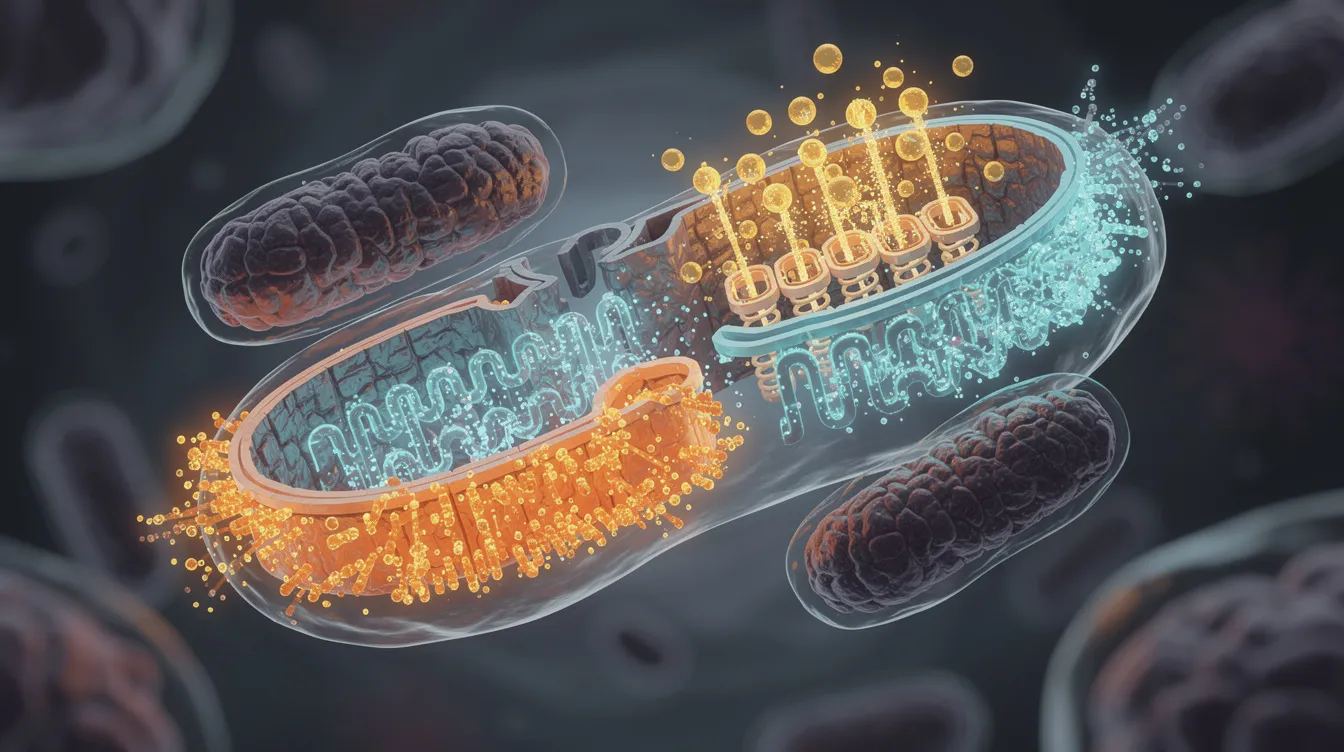
Mitochondrial Effects
AKG enhances mitochondrial respiration and Complex I activity, supporting energy metabolism and ATP production. Improved mitochondrial function translates to better cellular energy production capacity, which typically declines with age.
ATP-Synthase Inhibition
At higher concentrations, AKG can inhibit ATP-synthase directly. This seeming paradox—reducing ATP production while claiming anti aging benefits—may actually induce beneficial stress responses.
This mitohormesis effect triggers cellular adaptations that improve long-term stress resistance and function, similar to how exercise temporarily stresses the body but produces lasting health improvements.
Evidence From Animal Models
Research across multiple species demonstrates conserved longevity effects from AKG supplementation, with studies showing its ability to extend lifespan in animal models. The pathways implicated—mTOR inhibition, autophagy enhancement, and reduced protein translation—appear evolutionarily preserved, suggesting fundamental roles in aging biology.
Key species studied include:
- Caenorhabditis elegans (nematodes)
- Mice (Mus musculus)
- Rats
Dose and administration methods vary significantly between organisms, creating challenges for direct human translation.
C. elegans Findings (animal models)
The Chin et al. study provides some of the most striking lifespan data. At 8mM AKG supplementation under ad libitum feeding conditions:
- Mean lifespan increased by 50%
- Maximum lifespan increased by 68%
- Effects mimicked dietary restriction benefits
Critically, the intervention upregulated mitochondrial respiration and ATP production while interacting synergistically with dietary restriction protocols. Animals receiving both AKG and dietary restriction showed amplified longevity without compromising fertility or development.
Reproducible experimental parameters:
- Administration starting at day 1 of adulthood
- Optimal concentration range: 1-8mM (toxicity observed above 16mM)
- TORC1 pathway involvement confirmed
These findings established AKG as a genuine longevity-modulating compound rather than simply a metabolic fuel source.
Mammalian Models: Mice and Rats
Mouse studies demonstrate more modest but still significant effects:
| Endpoint | Finding | Notes |
|---|---|---|
| Median lifespan | 12-16% increase | Chronic feeding from middle age |
| Wound healing | Accelerated collagen synthesis | Reduced healing time |
| Bone preservation | 20-30% better BMD vs controls | Enhanced in aged females |
| Inflammation | Reduced inflammatory markers | Tissue-wide effects |
Rat studies similarly show benefits in muscle maintenance and frailty reduction, supporting the healthspan component of longevity claims.
Translatability limitations to humans:
- Metabolic scaling differences between species
- Species-specific pharmacokinetics
- Absence of direct frailty modeling in shorter-lived organisms
- Dose conversion challenges (mice receive 1-2% of diet, roughly 1-2g/kg body weight daily)
While mammalian data strengthens the case for AKG supplementation, researchers appropriately caution against direct extrapolation to human life expectancy without proper clinical trials.
Human Evidence and Biological Age Biomarkers
Human evidence remains preliminary, dominated by observational data rather than rigorous RCTs. Heart health is an important marker of biological age and should be considered in future human studies of Ca-AKG. The most frequently cited study involves Rejuvant®, a commercial Ca-AKG formulation.
The Rejuvant Study
This analysis included 42 participants supplementing with 1g Ca-AKG daily plus vitamins A or D in a timed-release formulation over 7 months.
Key findings:
- Average biological age reduction: 7.96 years (p=6.538x10^-12)
- Subset of 13 lifestyle-stable individuals: 7.69 years reduction
- Sex-specific effects: 8.44 years (males), 6.98 years (females)
- Every subset participant decreased biological age
The study used TruAge DNA methylation testing, assessing methylation patterns at over 900 CpG sites to estimate biological age relative to chronological age. Participants with higher biological age at baseline showed greater improvements.
Study Design Critiques
The authors declare several significant limitations that undermine confidence in these results:
- No placebo control: Participants knew they were taking the supplement
- Non-randomized design: Self-selected Rejuvant users
- Selection bias: Customers who remained engaged may differ from those who discontinued
- Short follow-up: 7 months without hard clinical outcomes
- Confounding: Vitamins A and D included, making AKG-specific effects unclear
- Single epigenetic clock: Different clocks can produce varying results
Recommended Biomarkers for Future Trials
To strengthen human evidence, future studies should assess multiple targets:
- NAD+ levels
- Inflammatory cytokines (especially IL-6)
- Telomere length
- Frailty indices
- Third-generation epigenetic clocks (GrimAge, DunedinPACE)
- Cholesterol levels and cardiovascular disease markers (important for assessing heart health, a key factor in biological aging and longevity)
- Blood pressure changes

Role in Bone Health and Clinical Outcomes (bone health)
Bone health represents one of the more promising clinical applications for Ca-AKG, with effects potentially extending beyond simple calcium supplementation.
Evidence Summary
Animal data:
- Aged mice preserved bone mineral density by 20-30% versus controls
- Mechanisms include reduced oxidative stress and improved protein synthesis
- Enhanced osteoblast activity and collagen cross-linking observed
Human observations:
- Case series report improved DEXA scans in postmenopausal women
- Potential protection against osteoporosis progression
Separating Calcium from AKG Effects
Calcium directly contributes to bone mass through mineralization. However, AKG-specific effects appear to involve:
- Enhanced osteoblast differentiation and activity
- Improved collagen cross-linking quality
- Reduced dna damage in bone tissue
- Modulation of inflammatory signals affecting bone remodeling
Future trials need AKG-only arms alongside calcium-only comparisons to definitively separate these contributions.
Recommended Trial Endpoints
| Category | Marker | Purpose |
|---|---|---|
| Primary | Lumbar spine BMD (DEXA) | Assess density changes |
| Primary | Femoral neck BMD (DEXA) | Hip fracture risk site |
| Secondary | C-terminal telopeptide (CTX) | Bone resorption marker |
| Secondary | P1NP | Bone formation marker |
| Secondary | FRAX score | Fracture risk assessment |
Safety, Dosing, and Formulation Notes (calcium akg, ca akg)
Typical Dose Ranges
Commercial ca akg products generally use the following dosing:
- Standard range: 500-2000mg daily
- Common protocol: 1g morning, 1g evening (split dosing)
- Body weight scaling: Approximately 1-2g daily for 50-80kg adults, adjustable by 500mg increments
The timed-release formulations used in research may affect absorption kinetics compared to immediate-release options.
Adverse Events
Safety profiles indicate ca akg is well-tolerated at commercial doses:
- Gastrointestinal upset: Mild nausea reported in < 5% of users
- Hypercalcemia risk: Primarily in those with renal impairment
- Drug interactions: Limited data; theoretical concerns with calcium-channel blockers
Contraindications to Screen
Before starting supplementation, screen for:
- Pre-existing hypercalcemia
- History of kidney stones (calcium oxalate type)
- Chronic kidney disease
- Calcium-sensitive conditions (sarcoidosis, hyperparathyroidism)
- Medical condition requiring calcium restriction
Recommended baseline tests:
- Serum calcium
- Creatinine/eGFR
- PTH levels
Comparison: Ca-AKG vs Other Forms
| Form | Longevity Use | Athletic Use | Notes |
|---|---|---|---|
| Calcium AKG | Preferred | Less common | Superior stability, bone support |
| Arginine AKG | Not ideal | Preferred | Quicker NO boost, may exacerbate herpes |
| Free AKG | Research only | Limited | Poor stability |
Who Should Consider Ca AKG Supplementation
Candidate Populations
Based on current evidence (with appropriate caveats about preliminary data), potential candidates for clinician discussion include:
- Adults 50+ years with elevated biological age on epigenetic testing
- Postmenopausal women with low bone density (T-score -1 to -2.5)
- Individuals with metabolic frailty markers
- Those with sarcopenia concerns
- People seeking to support healthy aging alongside diet and exercise
This is not a recommendation to self-treat any medical condition. Ca-AKG remains investigational for longevity purposes.
Baseline Screening Recommendations
Before initiation, consider obtaining:
- Epigenetic clock test: Establishes biological age baseline
- DEXA scan: Documents bone density starting point
- Comprehensive metabolic panel: Assesses kidney function, calcium status
- Inflammatory markers: CRP, IL-6 if available
- Lipid panel: Baseline cardiovascular disease risk assessment
Product Comparison: Ca AKG vs Multi-Ingredient Longevity Supplements
Single-Ingredient Products
Products like Rejuvant® contain:
- 1g Ca-AKG
- Added vitamins (A or D)
- Timed-release formulation
These offer clearer attribution of effects but may miss synergistic benefits from combination approaches.
Multi-Ingredient Formulations
Some supplement companies offer stacks combining Ca-AKG with:
- Sirtuin activators (resveratrol, pterostilbene)
- NAD precursors (NMN, NR)
- Other ingredients targeting different aging pathways
Example: Tally Health Vitality includes 1g Ca-AKG alongside additional longevity compounds in a unique blend formulation.
Product Comparison Metrics
When evaluating options, assess:
| Metric | What to Look For |
|---|---|
| Purity | >99% Ca-AKG verified |
| Release kinetics | Timed vs immediate (may affect absorption) |
| Third-party testing | COA for contaminants, heavy metals |
| Cost efficiency | Price per gram of effective AKG ($0.50-1.00 typical) |
| Quality certifications | GMP manufacturing, NSF or USP verification |
Limitations, Regulatory Issues, and Anti-Aging Claims (anti aging)
Major Evidence Gaps
The science supporting Ca-AKG for longevity faces several critical weaknesses:
- No long-term human RCTs: Existing data lacks placebo control and randomization
- Surrogate endpoint reliance: DNA methylation clocks may not predict hard outcomes
- Unclear dose-response: Optimal human dosing not established
- Single-clock dependency: Different epigenetic clocks can yield different results
- Confounded formulations: Multi-ingredient products obscure AKG-specific effects
- Publication bias: Negative or null results may go unpublished
Regulatory Constraints
Under DSHEA, Ca-AKG is classified as a dietary supplement with significant marketing limitations:
Prohibited claims:
- “Reverses aging”
- “Extends lifespan”
- “Treats age-related disease”
- “Prevents cardiovascular disease”
Acceptable language:
- “Supports cellular health”
- “Promotes healthy aging markers”
- “Supports metabolic function”
FTC guidelines prohibit unsubstantiated superiority claims, requiring truthful representation of available evidence.
Conservative Recommendation
Given current evidence quality, marketing and consumer expectations should reflect:
- Promising preclinical data warranting further research
- Preliminary human signals requiring validation
- Absence of proven clinical benefits for general health
- Need for individual assessment of risk-benefit before use
Practical Article Elements and Visuals to Include
Study Comparison Table
| Species | Intervention | Primary Endpoint | Effect Size | P-value | Limitations |
|---|---|---|---|---|---|
| C. elegans | 8mM AKG | Mean lifespan | +50% | Significant | Short-lived model |
| Mouse | 1-2% diet Ca-AKG | Median lifespan | +12-16% | Significant | Metabolic scaling |
| Human | 1g Ca-AKG + vitamins | Epigenetic age | -7.96 years | 6.5x10^-12 | No placebo, 42 participants |
Mechanism Infographic Concepts
A visual should depict AKG’s multiple roles:
- TCA cycle hub position
- mTOR inhibition pathway
- TET enzyme activation → DNA demethylation
- Mitochondrial respiration enhancement
- ATP-synthase inhibition (at high doses)
Dosage Range Reference
| Body Weight | Starting Dose | Adjustment Range |
|---|---|---|
| 50-65 kg | 1g daily | 500mg-1.5g |
| 65-80 kg | 1.5g daily | 1g-2g |
| 80+ kg | 2g daily | 1.5g-2.5g |
Split into morning and evening doses. Adjust based on tolerance and biomarkers.
Clinician Consultation Call-to-Action
Before adding Ca-AKG to your supplement regimen, schedule a consultation with a healthcare provider familiar with longevity medicine. Bring baseline test results and discuss your individual health goals, potential interactions with any medical condition you may have, and appropriate monitoring protocols.

Future Directions
Proposed Clinical Trials
The field urgently needs Phase III RCTs with the following characteristics:
- Sample size: 200-500 participants minimum
- Design: Randomized, double-blind, placebo-controlled
- Duration: 2-5 years for meaningful outcome data
- Primary endpoint: Biological age via multi-clock averages (Horvath, GrimAge, DunedinPACE)
- Hard endpoints: Mortality, disease incidence, hospitalization rates
Recommended Biomarker Panels
Future trials should incorporate comprehensive assessments:
Epigenetic:
- Multiple clock algorithms
- Clock concordance analysis
- Rate-of-aging measures
Metabolic:
- Serum AKG levels
- NAD+ and related metabolites
- Comprehensive metabolomics
Bone health markers:
- BMD via DEXA
- CTX and P1NP dynamics
- Fracture incidence
Functional:
- Frailty indices (Fried phenotype)
- Grip strength
- Walking speed
- Cognitive assessments
Mechanistic Research Priorities
Animal studies should resolve several outstanding questions:
- mTOR-TET pathway crosstalk mechanisms
- ATP-synthase inhibition specificity using knockout models
- Dose-response relationships across the body weight spectrum
- Tissue-specific accumulation and effects
- Interaction with food intake patterns and diet composition
The intersection of energy metabolism, epigenetic regulation, and aging represents fertile ground for discovery, with AKG sitting at a unique crossroads of these pathways.
Key Takeaways
- Ca-AKG demonstrates robust lifespan extension in animal models across multiple species, with conserved mechanisms involving mTOR inhibition and mitochondrial enhancement
- Human evidence remains limited to preliminary observational data without placebo-controlled trials
- Bone health applications show particular promise with both calcium and AKG-specific beneficial effects
- Safety profile appears favorable at standard doses, though baseline screening for calcium-related conditions is warranted
- Regulatory constraints appropriately limit disease-treatment claims pending rigorous human validation
- The effectiveness of Ca-AKG for humans requires confirmation through proper RCTs before confident recommendations can be made
The gap between exciting animal research and validated human benefits remains the central challenge for Ca-AKG and most longevity interventions. Until randomized trials measure hard outcomes, supplementation decisions should involve careful discussion with healthcare providers, appropriate baseline testing, and realistic expectations about current evidence strength.