
Related topic: This article is part of The NAD+ Pathway and Energy. If you want the broader overview, start with NAD Precursors Guide: NR, NMN, Niacin, IV Therapy, And Dosing. Every living cell requires a steady supply of a critical molecule to fuel energy production, DNA repair, and hundreds of essential reactions. That molecule is nicotinamide adenine dinucleotide, commonly called NAD+, which acts as a lead molecule driving cellular energy production, DNA repair, and mitochondrial function. Yet researchers have found that NAD levels drop by 50-70% in human tissues by middle age—and a single enzyme called CD38 is a significant contributor to this decline.
This article explores the relationship between the CD38 enzyme, NAD metabolism, and age related decline. You’ll learn how this mechanism works, what interventions may help, and what the science actually demonstrates.
Overview of CD38 Enzyme and NAD
The CD38 enzyme plays a central role in cellular NAD metabolism. It functions as a multifunctional NADase, hydrolyzing NAD+ into nicotinamide and ADP-ribose while generating secondary messengers for calcium signaling throughout the body.
NAD serves as a central metabolic cofactor involved in over 500 enzymatic reactions. It’s essential for glycolysis, the TCA cycle, and oxidative phosphorylation—the core processes that allow cells to convert nutrients from food into usable energy.
The link between CD38, NAD, and aging emerges from a critical observation: CD38 expression increases with age due to chronic inflammation. Previous studies on CD38-deficient mice revealed 10-20 times higher NAD+ levels compared to normal mice, indicating CD38’s dominance in regulating intracellular NAD pools.
Nicotinamide Adenine Dinucleotide: Definition and Roles
Nicotinamide adenine dinucleotide (NAD+) is precisely defined as a dinucleotide coenzyme comprising two nucleotides joined by pyrophosphate bonds. The nicotinamide ring accepts hydride ions in redox reactions to form NADH, the reduced form.
NAD+ vs. NADH: Key Differences
| Feature | NAD+ | NADH |
|---|---|---|
| State | Oxidized | Reduced |
| Role | Accepts electrons | Donates electrons |
| Ratio (healthy) | ~500-700 | 1 |
| Primary function | Catabolic reactions | ATP synthesis |
Major cellular processes requiring NAD+ include:
- Mitochondrial bioenergetics via substrate-level phosphorylation
- Genomic stability through PARP-mediated dna repair
- Sirtuin-driven deacetylation for autophagy
- Immune signaling and cytokine release
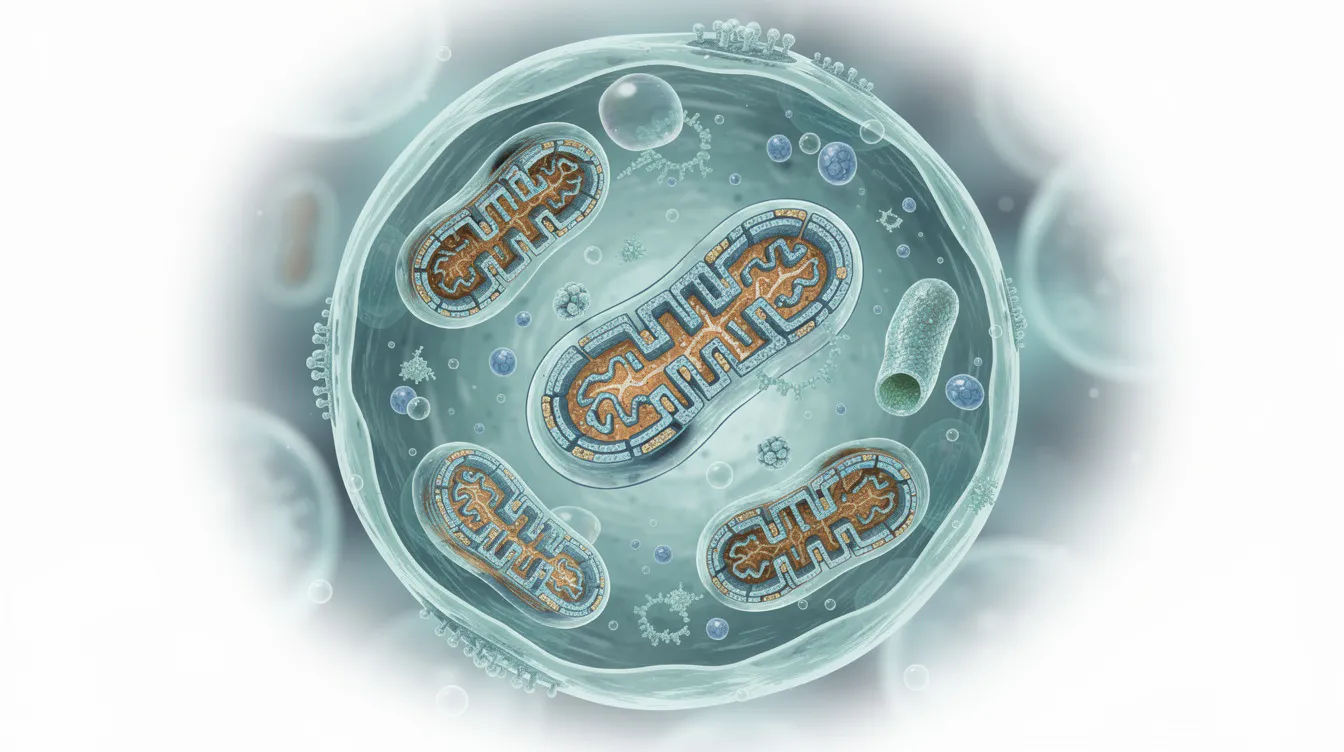
Adenine Dinucleotide Structure and Pathways
The adenine dinucleotide chemical backbone features an adenosine moiety linked via pyrophosphate to a nicotinamide riboside unit. This 663 Da molecule is soluble in aqueous environments and prone to hydrolysis by ectoenzymes like CD38.
NAD+ Biosynthesis Pathways:
- De novo pathway: From tryptophan via the kynurenine pathway (yields ~10-20% of NAD+)
- Preiss-Handler pathway: From nicotinic acid (a form of niacin)
- Salvage pathway: Recycling nicotinamide through NAMPT enzyme
The salvage pathway plays a pivotal role by efficiently recycling 85-90% of NAD+ breakdown products. However, the rate-limiting enzyme NAMPT shows decline with age, exacerbating NAD+ loss and contributing to the progression of age-related pathology.
CD38 Enzyme: Biology and Impact on NAD
CD38 enzymatic activity on NAD+ primarily manifests as hydrolysis with a low Km of 15-25 µM. This enables efficient consumption even at physiological NAD+ concentrations, making it remarkably effective at depleting cellular stores.
Tissue Distribution of CD38 Expression:
- Highest in immune cells (B and T lymphocytes, macrophages)
- Abundant in brain, liver, heart, and adipose tissue
- Found in both extracellular and intracellular compartments
- Present in muscles and metabolic tissues
Age-related increases in CD38 activity stem from chronic low-grade inflammation—sometimes called “inflammaging.” Inflammatory immune cells spread into metabolic tissues with age, creating a vicious cycle where inflammation boosts CD38 transcription via NF-κB, depleting NAD+ and further promoting ROS and dna damage.
This CD38-mediated NAD+ decline is directly linked to mitochondrial dysfunction. When NAD+ becomes scarce, SIRT3 cannot properly deacetylate Complex I subunits, reducing oxidative phosphorylation efficiency by 30-50% in aged models. The mitochondria simply cannot work properly without adequate NAD+ supply.
NAD Levels: Dynamics, Measurement, and Determinants
NAD levels decline progressively with age—by 50-70% in human tissues like skin, muscles, and brain by middle age. This drop accelerates in metabolic organs due to upregulated CD38 and PARPs amid oxidative stress.
Laboratory Assays to Measure NAD Levels:
| Method | Sensitivity | Use Case |
|---|---|---|
| Enzymatic cycling assays | ~1 pmol/mg tissue | Standard research |
| LC-MS | Gold standard | Precise NAD+/NADH ratios |
| Luciferase-based kits | Variable | Live cell quantification |
If you’re searching online databases for nad research, you may notice checking your browser and being automatically redirected after 5 seconds when browser before accessing pmc.ncbi.nlm.nih.gov—this is normal security protocol for research databases.
Factors That Lower NAD Levels:
- High-fat diet inducing hepatic CD38 via inflammation
- Chronic calorie excess activating PARPs
- Sleep disruption impairing NAMPT circadian rhythm
- Excessive alcohol consumption
- Sedentary behavior
Interventions That Raise NAD Levels:
- NAD+ precursors (NR, NMN)
- Regular aerobic exercise
- Intermittent fasting
- CD38 inhibitors (experimental)
Mechanisms Linking CD38, NAD, and Cellular Dysfunction
The mechanism linking CD38-driven NAD depletion to cellular dysfunction centers on reduced sirtuin activity. Nuclear CD38 limits SIRT1 access to NAD+ (Km ~100 µM), inhibiting deacetylation of p53, PGC-1α, and FoxO for dna repair, gluconeogenesis, and antioxidant response.
Low NAD disrupts mitochondrial bioenergetics by hampering SIRT3/SIRT5 activity on electron transport chain complexes. ATP output drops significantly, ROS leakage increases, and mitophagy failure occurs.
Key Animal Model Evidence:
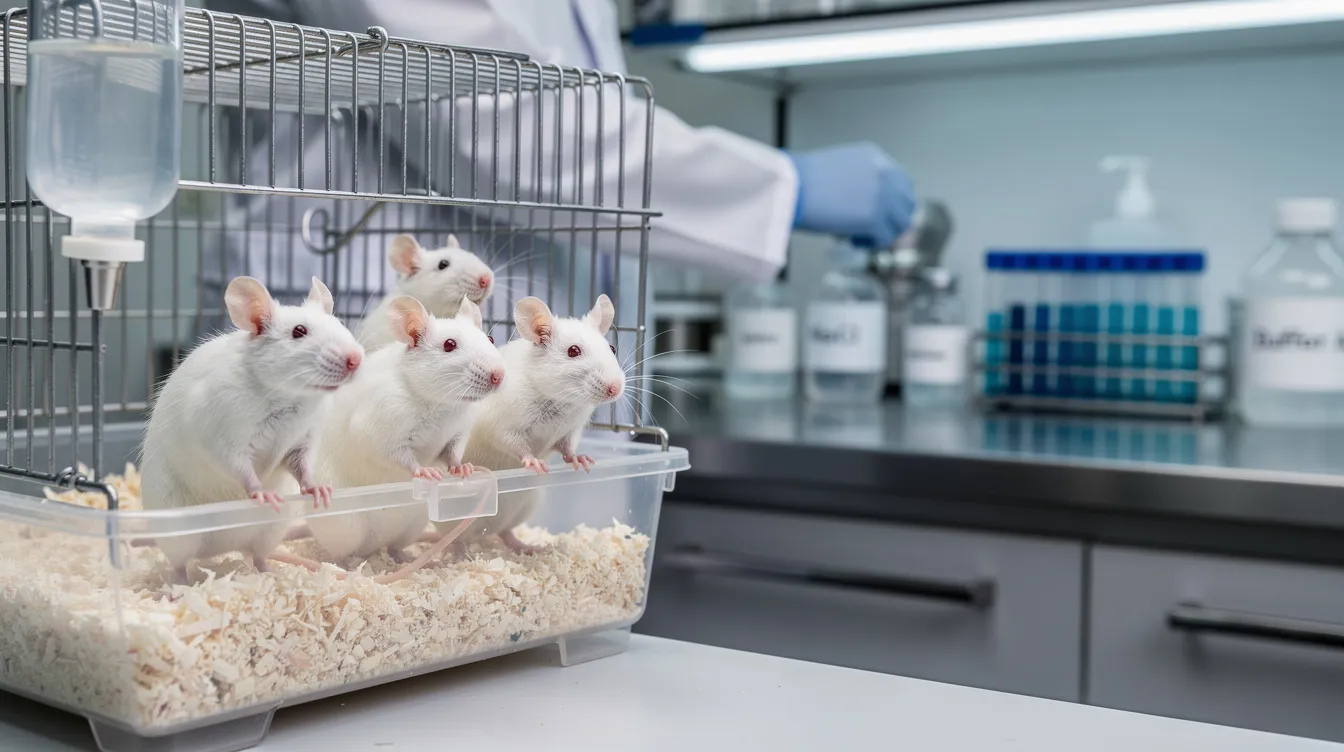
- CD38 knockout mice resist diet-induced obesity with 2-3x higher hepatic NAD+
- 78c-treated aged mice show rejuvenated heart contractility
- Antibody inhibition elevates NMN-dependent NAD+ salvage, reducing ADPR by 50%
Research teams at multiple university department division settings have investigated these pathways extensively, with data suggesting CD38 inhibition could mitigate several age-related conditions.
Interventions To Restore NAD Levels
Nicotinamide Riboside (NR)
NR is a vitamin B3 derivative converted via NRK1/2 to NMN then NAD+. Human trials using 1000 mg/day demonstrated 60% increase in blood NAD+ and 40% in muscle over 6 weeks. Researchers have found NR may also bind CD38’s active site to inhibit hydrolysis.
Nicotinamide Mononucleotide (NMN)
NMN bypasses the rate-limiting NAMPT step. Oral doses in mice (300 mg/kg) restore NAD+ to youthful levels, improving vascular function. However, human bioavailability debates persist due to potential transporter dependency.
CD38 Inhibitors
Small molecule 78c (IC50 ~10 nM) elevates tissue NAD+ 2-5 fold in aged mice. Natural flavonoids like apigenin competitively block ecto-CD38, raising hepatocyte NAD+ and countering NAFLD progression.
Lifestyle Strategies
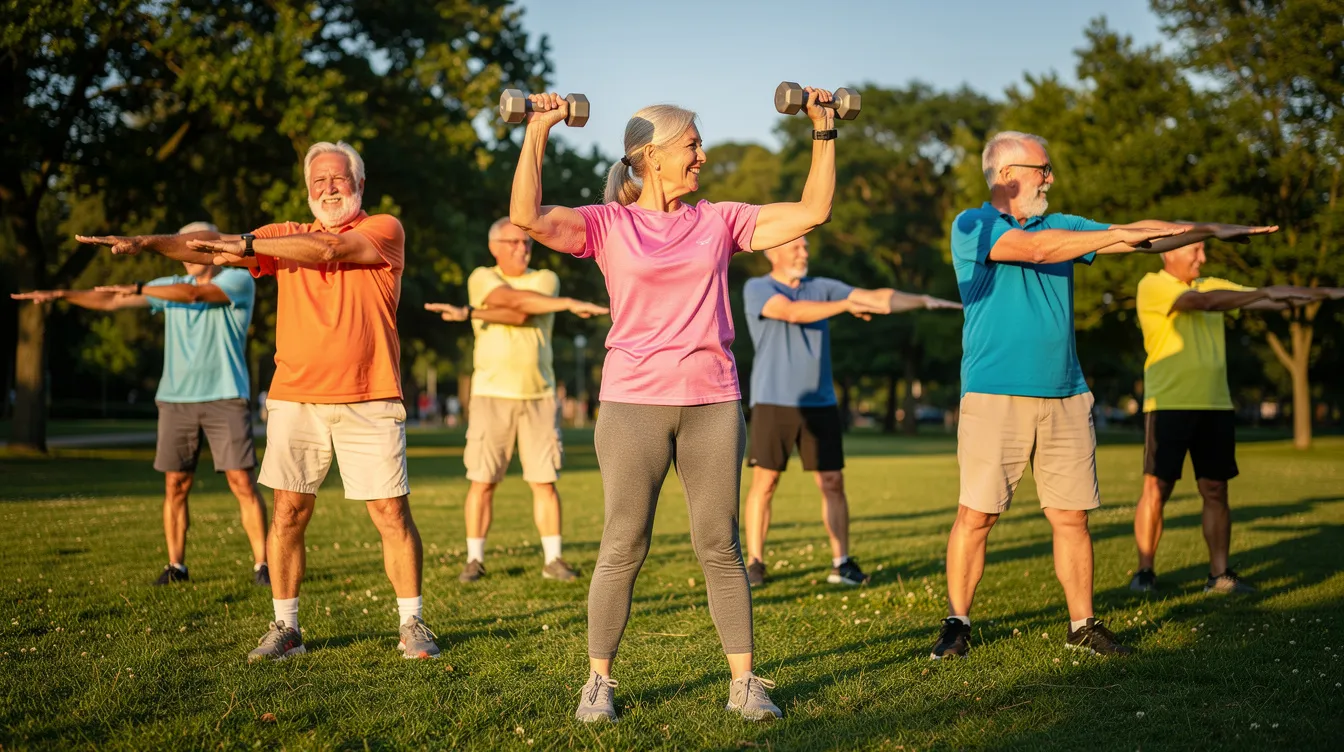
- Exercise: Aerobic activity increases NAMPT 2x post-bout
- Time-restricted feeding: Mimics calorie restriction, upregulates NAD+ cyclically
- Diet: What you eat matters—polyphenol-rich food sources inhibit CD38
- Cold exposure: Activates UCP1-linked sirtuin pathways
The first time researchers demonstrated exercise could boost NAD+ pathways, it opened new avenues to combat aging through lifestyle modification.
Oral vs. IV NAD Approaches
Oral supplementation achieves steady-state elevations with peak bioavailability at 1-2 hours. IV NAD bypasses gut metabolism for rapid plasma spikes but has shorter half-life and higher cost. No head-to-head trials exist, but oral supplement approaches are favored for compliance.
Potential Benefits: Evidence Across Systems
Metabolic Benefits
Preclinical studies show CD38 inhibition or NR/NMN reverses hepatic steatosis in NAFLD models by 40-60%. Restored SIRT1/PGC-1α activity enhances fatty acid oxidation and insulin signaling. The molecule found in these precursors provides direct fuel for metabolic systems.
Cardiovascular Findings
Aged mice on 78c showed 20-30% improved ejection fraction and reduced fibrosis through SIRT3-mediated protection. Human NMN trials (250 mg/day, 12 weeks) reported modest blood pressure drops (5-10 mmHg).
Neuroprotective Effects
CD38-null mice maintain 2x brain NAD+, preserving cognition and resisting amyloid pathology. NR (400 mg/day in humans) showed promise in pilot data for slowing Parkinson’s disease development.
Limitations of Current Evidence
Current human efficacy data faces several constraints:
- Small sample sizes (n< 100)
- Short durations (< 6 months)
- Surrogate endpoints rather than hard outcomes
- Industry-funded bias in some study designs
Safety Concerns, Regulatory Issues, and Research Gaps
Cancer-Related Safety Concerns
Preclinical evidence raises questions about NAD+ boosting in cancer contexts. Increased levels of NAD+ could activate SIRT1/PGC-1α, potentially providing fuel for tumor growth in CD38-low cancers. However, CD38-high tumors like multiple myeloma may benefit from inhibitors. Mouse data shows NR safe up to 300 mg/kg without oncogenesis, but risk assessment in humans remains ongoing.
Regulatory and Quality Issues
- NMN/NR classified as drugs in some regions
- FDA banned NMN as investigational new drug (2022)
- Third-party testing reveals 20-50% label inaccuracies
- No standardized dosing protocols exist
Highest-Priority Research Questions
- Long-term longevity endpoints from NAD+ restoration
- Optimal precursor/inhibitor combinations
- Tissue-specific CD38 roles in neurodegeneration vs. immunity
- Interactions with PARP/sirtuin inhibitors in clinical syndromes
Any MD working in this space should follow ongoing research from organizations like the National Institute on Aging to determine best practices as evidence evolves.
Clinical Implications and Practical Recommendations
Counseling Patients on NAD Boosters
Clinicians should position NAD+ boosters as adjuncts, not replacements for healthy lifestyle habits. The evidence supports lifestyle modifications yielding 20-50% NAD+ gains safely before considering supplementation.
Lifestyle-First Approaches
| Strategy | Expected Benefit | Notes |
|---|---|---|
| 150 min/week moderate exercise | ↑ NAMPT activity | Most robust evidence |
| 12-16h daily fasts | ↑ NAD+ cyclically | Mimics CR effects |
| Mediterranean diet | NR precursors | Milk, yeast, vegetables |
| Sun exposure | Circadian regulation | Supports NAMPT rhythm |
Contraindications and Cautions
- Active malignancy (monitor appropriate markers)
- G6PD deficiency (risk of NR-induced hemolysis)
- Pregnancy/lactation (lacking data)
- Inflammation-driven diseases where CD38 upregulation signals adaptive immunity
The rest of clinical practice should emphasize individualized assessment.
Suggested Structure For A Long-Form Article
When developing a comprehensive article on this topic:
Opening: Start with the “NAD+ vampire” metaphor—CD38 hydrolyzes up to 90% of cellular NAD+ in aging tissues per rodent models. This hooks readers while establishing scientific context.
Mechanisms Section: Detail the inflammaging-CD38-NAD+-sirtuin vicious cycle with specific Km values. Include visual diagrams where possible.
Interventions Review: Balance precursor efficacy (NR showing 50% NAD+ rise) against inhibitors (78c showing 300% in heart) with transparent discussion of human trial limitations.
Practical Conclusion: End with tiered recommendations (lifestyle switches → oral NR 300mg → monitor with LC-MS) and emphasize the need for Phase III trials in frailty populations.
Key Takeaways
The CD38 enzyme nad relationship represents one of the most important discoveries in aging biology. As this molecule depletes cellular NAD+ pools, virtually every system in the body suffers—from energy production in mitochondria to dna repair in the nucleus.
Current evidence supports several strategies to support NAD levels:
- Prioritize exercise and time-restricted eating
- Consider NR or NMN supplementation under medical guidance
- Avoid products without third-party testing
- Monitor research on CD38 inhibitors
While the potential benefits are compelling, this remains an evolving field. The science of NAD restoration continues to advance—stay informed, consult healthcare providers, and approach supplementation with appropriate caution based on your individual risk profile and health status.