Related topic: This article is part of Biological Age Testing and Tracking. If you want the broader overview, start with Best Biological Age Test Guide: How Biological Age Tests Work And Compare. If you’re serious about extending your healthspan, you’ve probably encountered continuous glucose monitoring in longevity circles. This guide exists to help you understand how a continuous glucose monitor can serve as a diagnostic and feedback tool for optimizing metabolic health and supporting your metabolism—not as a cure-all therapy, but as a window into how your body responds to food, exercise, stress, and sleep. By using CGM, you can lead healthier lifestyle choices based on real-time data, guiding your behavior toward better blood sugar management and long-term wellness.
We’ll cover how CGM technology works, which metrics matter most for longevity, and how to design personal experiments that yield actionable insights. Whether you’re considering a few weeks of monitoring or periodic check-ins throughout life, this guide provides a practical roadmap.
Why Use a Continuous Glucose Monitor for Longevity
Blood glucose is increasingly recognized as a modifiable longevity biomarker. Chronic elevations and instability accelerate aging processes like protein glycation, inflammation, and endothelial damage. Poor blood sugar regulation and insulin resistance are also linked to an increased risk of heart disease, making glucose control crucial for long-term health. While CGM originated in diabetes management, longevity-focused practitioners now view it as essential for understanding individual metabolic patterns.
The clinical data is compelling. In diabetes populations, CGM use has demonstrated meaningful improvements: a 0.7% absolute reduction in A1c over 12 months, with even larger drops (0.9%) in type 2 diabetics not on insulin. More significantly, CGM users experienced 67% fewer diabetes-related hospitalizations and 40% fewer emergency department visits.
For healthy individuals without diabetes, Harvard Health notes there’s currently no solid evidence of CGM’s value. That’s worth acknowledging. However, the tool allows you to detect patterns that standard tests miss entirely.
Here’s the critical distinction: blood sugar levels measured as averages (like A1c) reflect long-term control but mask the spikes and troughs that impact your cells daily. A CGM provides up to 288 readings per day, revealing:
- Postprandial spikes after specific foods
- Asymptomatic overnight drops
- Dawn phenomenon rises before waking
- Real-time responses to stress and exercise
Traditional fingerstick tests capture snapshots. CGM captures the entire movie.
How Continuous Glucose Monitoring Works
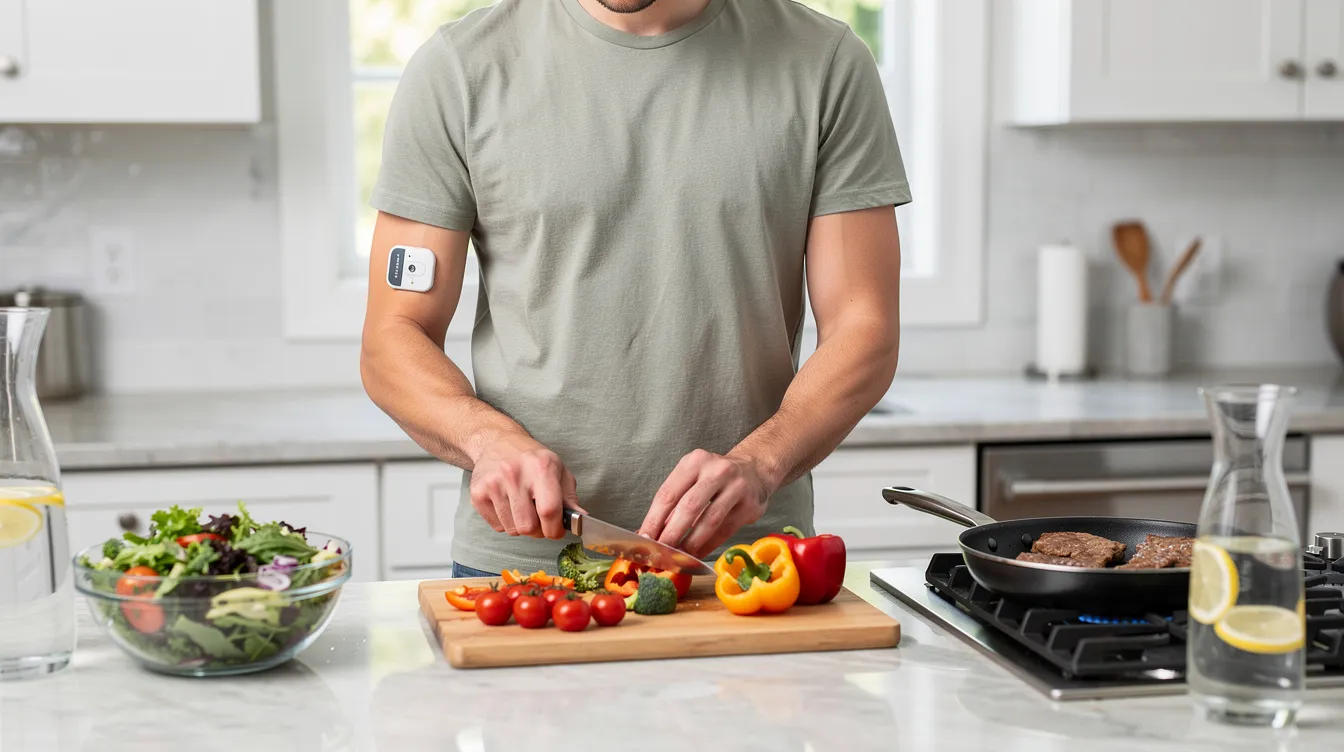
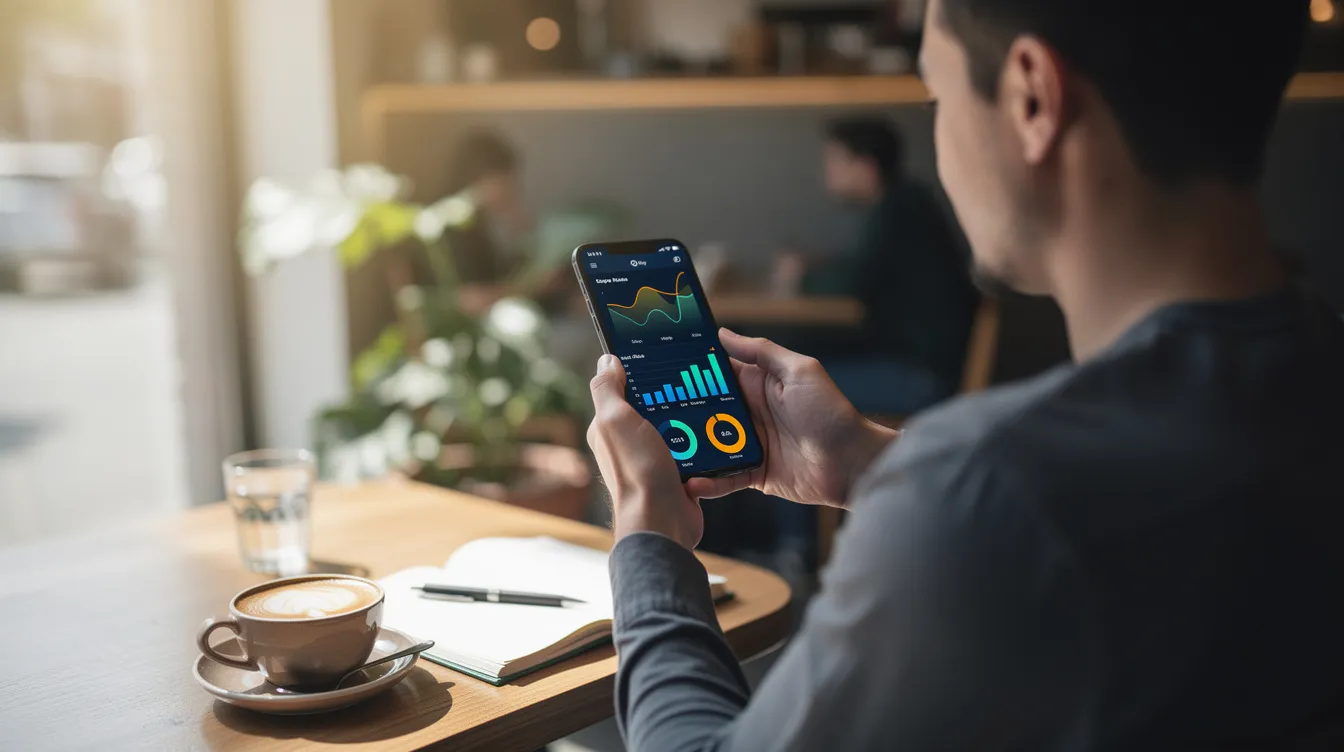
A cgm sensor is a small device inserted subcutaneously, typically on your arm or abdomen. It measures glucose concentrations in interstitial fluid rather than blood directly, with approximately a 5-10 minute lag compared to capillary blood glucose.
The technology relies on an enzymatic reaction. Glucose oxidase converts glucose to gluconolactone and hydrogen peroxide, generating an electrical current proportional to glucose levels. The sensor samples every 1-5 minutes depending on the device, transmitting cgm data via Bluetooth to a smartphone app or cloud platform. When integrating CGM data with health tracking apps, it’s important to select a primary source for glucose data—such as Apple Health—so that all connected platforms use consistent and accurate information from devices like the Dexcom G6.
Typical data outputs include:
| Output | What It Shows |
|---|---|
| Current glucose value | Real-time reading in mg/dL |
| Rate of change | Arrows indicating rising, falling, or stable trends |
| Predictive alerts | Warnings for approaching hypo/hyperglycemia |
| Time-in-range | Percentage of readings within target (e.g., 70-180 mg/dL) |
Modern factory-calibrated systems like Dexcom G7 or Freestyle Libre 3 rarely require fingerstick calibration. Accuracy hovers at 8-12% MARD (mean absolute relative difference) versus reference blood glucose. However, sensors have limitations: accuracy can drift over their 10-14 day lifespan, and readings may be affected by pressure on the sensor site or dehydration.
Key CGM Metrics: Glucose Spikes, Blood Sugar Response, Variability
Understanding which metrics matter transforms raw data into actionable intelligence. For longevity purposes, you’re tracking four primary indicators.
Glucose spikes are rapid postprandial rises exceeding 30-50 mg/dL above baseline within 1-2 hours of eating. In non-diabetics, these often peak at 140-180+ mg/dL.
Blood sugar response traces the full excursion curve—ideally returning to baseline within 2 hours post-meal.
Glycemic variability quantifies instability. Target a standard deviation below 20-30 mg/dL or coefficient of variation (CV) under 36%.
Time-in-range measures what percentage of readings fall within your target zone. For optimal health, aim for >90% in the 70-140 mg/dL range.
Maintaining good glycemic control is crucial for metabolic health and longevity, as stable blood glucose levels help prevent adverse metabolic outcomes and support overall well-being.
Examples of problematic patterns include:
- Peak glucose exceeding 160 mg/dL after meals
- Troughs dropping below 70 mg/dL
- Wide swings throughout the day indicating metabolic inflexibility
For longevity tracking, prioritize these primary metrics:
- Peak postprandial glucose (< 140 mg/dL ideal)
- 2-hour area under the curve (AUC) below 150 mg/dL·h
- Time-in-range >95% in 70-120 mg/dL
- Low glycemic variability throughout 24-hour cycles
Postprandial Glucose Spikes And Blood Sugar Levels
Postprandial spikes typically peak 30-90 minutes after eating. Magnitude depends on glycemic index, portion size, and your individual insulin sensitivity. A high-carb meal might spike you to 180 mg/dL while a low carb option keeps you at 120 mg/dL.
Measuring peak alone tells an incomplete story. The two-hour area under the curve integrates the entire response, providing a more comprehensive metric. Record both peak value and how quickly you return to baseline.
Label your meals within your CGM app. Note specific foods—oatmeal versus eggs, white rice versus cauliflower rice, white bread versus sourdough. After a few weeks of data, you’ll identify your personal triggers. Some people spike 50+ mg/dL from refined carbohydrates while handling fruit without issue. Others show the opposite pattern.
Nighttime Blood Sugar, Deep Sleep, And Recovery
Nocturnal glucose profoundly affects sleep quality. Excursions greater than 20 mg/dL during the night disrupt slow-wave sleep through sympathetic activation and cortisol release.
Track these overnight patterns:
- Bedtime glucose (ideal: 90-120 mg/dL)
- Overnight stability (target: < 10 mg/dL variability)
- Dawn rise (typical: 20-50 mg/dL pre-wake increase)
If you use a sleep tracker like Oura or Whoop, overlay your glucose data with sleep stages. Stable overnight glucose correlates with more deep sleep and better recovery scores. Conversely, late-night eating or alcohol consumption often creates disturbances that both your CGM and sleep tracker will capture.
Diabetics using CGM frequently detect hidden nocturnal hypoglycemia that causes no obvious symptoms but fragments sleep architecture.
Low Carb, Meal Composition, And Blood Sugar Response
Testing meal composition reveals how your body breaks down different macronutrient combinations.
Low carb meals (under 20g carbs) typically elicit minimal spikes—often less than 20 mg/dL rise. Higher-carb meals (50g+) commonly cause 40-60 mg/dL excursions.
Pairing strategies make a measurable difference:
- Adding protein and fat to carbohydrates attenuates spikes by 30-50% through delayed gastric emptying
- Eating vegetables and protein first, carbs last, reduces peak glucose by 25-40% via the incretin effect
Design simple A/B tests:
- Day 1: Apple alone
- Day 2: Apple with almond butter
- Compare the resulting curves
Document these pairings systematically. The goal isn’t eliminating carbohydrates but understanding how to minimize glucose spikes through strategic food combinations.
How To Use CGM Data To Improve Longevity Outcomes
CGM becomes genuinely valuable when you use it as an experimental tool rather than passive monitor. Design specific experiments, measure outcomes, and iterate.
Create hypothesis-driven tests:
- “If I walk for 10 minutes post-dinner, my peak will drop below 130 mg/dL”
- “Adding more fiber to my breakfast will reduce my morning spike by 25%”
Run A/B dietary trials with CGM feedback. Establish a 3-day baseline eating normally, then implement a specific intervention for 3 days while holding other variables constant.
For most non diabetics, short-term use (2-4 weeks) provides sufficient data to map personal responses. Coffee spikes glucose in roughly 20% of users—you won’t know which group you’re in without testing.
Plan periodic re-testing after major life changes: new diet protocols, menopause, significant stress periods, or aging milestones.
Dietary Strategies To Flatten The Continuous Glucose Curve
Several dietary interventions consistently flatten the continuous glucose curve across individuals.
Low carb meals (< 50g/day total) typically reduce average glucose by 10-20 mg/dL and spike magnitude by roughly 50%.
Fiber-rich options like oats with chia seeds attenuate peaks through viscous slowing of absorption. Adding fiber can reduce rise by approximately 30 mg/dL compared to refined alternatives.
Meal timing matters considerably. Time-restricted eating windows (16:8 pattern) often lower glycemic load by syncing food intake with circadian insulin sensitivity. Most people handle carbohydrates better earlier in the day.
Foods to test and compare:
| Higher Spike Potential | Lower Spike Alternatives |
|---|---|
| White bread | Sourdough or sprouted grain |
| White rice | Cauliflower rice or wild rice |
| Ultra processed foods | Whole food equivalents |
| Added sugar snacks | Protein-rich snacks |
Exercise, Movement, And Blood Sugar Control
Physical activity offers one of the most reliable tools to stabilize glucose levels.
Post-meal walks (10-15 minutes) drop glucose by 20-30 mg/dL through muscle uptake that works independently of insulin. This effect is immediate and measurable—you’ll see it in real time data within minutes of starting to move.
Resistance training creates longer-term benefits. Regular strength sessions sustain lower 24-hour averages (5-10 mg/dL reduction) over weeks through improved insulin sensitivity. Track your weekly averages to observe this trend.
Test specific protocols:
- Walk immediately after dinner for one week
- Skip the walk for one week
- Compare time-in-range and average glucose between periods
Sleep, Stress, Alcohol, And Blood Sugar Variability
Lifestyle factors beyond diet create significant glucose variation.
Sleep disruptions elevate overnight glucose by 15-25 mg/dL through cortisol release. Poor sleep also impairs next-day insulin sensitivity.
Stress events can spike glucose 30+ mg/dL via adrenaline, even without food intake. Note stressful meetings, arguments, or anxiety episodes alongside your glucose data.
Alcohol creates a complex pattern: initial rise from the sugar in many drinks, followed by delayed hypoglycemia 4-8 hours later, sometimes dropping below 70 mg/dL. Monitor nights after alcohol and record blood sugar changes through the following morning.
These correlations become visible only with continuous tracking—another advantage over periodic testing.
Choosing And Using A CGM Sensor And Platform
The current market offers several continuous glucose monitors with different trade-offs.
| Device | Accuracy (MARD) | Wear Duration | Monthly Cost | Notes |
|---|---|---|---|---|
| Dexcom G7 | 8.2% | 10 days | $300-400 | Highest accuracy, real-time alerts |
| Freestyle Libre 3 | 8.7% | 14 days | $100-200 | More affordable, scan-based |
| Eversense | 8.5% | 90-180 days | $2,000+ initial | Implantable, surgical insertion |
Costs vary significantly by insurance coverage. Non diabetics typically access CGMs through cash-pay services like Levels or Nutrisense, which bundle devices with app platforms and coaching.
Integration matters for overall health tracking. Most devices connect with Apple Health, Google Fit, and specialized longevity platforms. Choose a system that feeds your preferred health ecosystem.
Validate sensor readings with occasional fingerstick tests, especially during rapid glucose change when CGM lag increases MARD to approximately 15%.
Device Setup, Calibration, And Data Hygiene
Modern devices require minimal calibration. Factory-calibrated systems like Dexcom G7 and Freestyle Libre 3 work immediately after insertion without fingerstick verification.
Daily maintenance checklist:
- Check sensor adhesion (edges lifting can affect accuracy)
- Inspect insertion site for irritation or infection signs
- Ensure consistent wear without prolonged pressure on sensor
- Log confounding variables (unusual stress, exercise, illness)
Good data hygiene means capturing context. A glucose spike means nothing without knowing what preceded it. Use your app’s note function to log meals, exercise, stress, and sleep quality consistently.
Interpreting Results And Avoiding Common Pitfalls
CGM data requires context. Single blips below 180 mg/dL represent normal physiological variation, not pathology. Avoid overreacting to individual readings.
Common interpretation errors:
- Treating every spike as a problem requiring intervention
- Ignoring the lag during rapid change (exercise can show artificially low readings)
- Comparing your data to others without accounting for individual variation
For people with eating disorders or history of orthorexia, CGM can trigger unhealthy fixation on perfection. Studies note 20-30% of new users experience some anxiety. If glucose monitoring increases food-related stress rather than reducing it, discontinue use.
Consult your healthcare provider for genuinely abnormal patterns:
- Persistent fasting glucose above 100 mg/dL
- Time-in-range below 85%
- Frequent readings above 155 mg/dL average
These warrant pre diabetes screening and professional evaluation.
Practical Protocol: A 4-Week CGM Trial For Longevity
A structured trial yields more insight than random monitoring. Here’s a practical 4-week protocol.
Week 1: Baseline
- Eat and exercise as normal
- Log all meals with approximate macros
- Calculate your baseline time-in-range and average glucose
- Note typical spike patterns and timing
Week 2: Low Carb and Fiber Testing
- Reduce carbohydrate intake to < 50g daily
- Add fiber-rich foods (chia, vegetables, legumes)
- Target postprandial peaks below 130 mg/dL
- Compare metrics to Week 1 baseline
Week 3: Timing and Exercise
- Implement post-meal walks (10-15 minutes)
- Test meal timing (earlier dinner, compressed eating window)
- Add 2-3 resistance training sessions
- Track sleep quality alongside overnight glucose
Week 4: Consolidation and Analysis
- Return to sustainable habits identified in Weeks 2-3
- Calculate weekly averages, time-in-range, and variability
- Identify your top 3 spike triggers and top 3 stabilizing interventions
- Document findings for future reference

When To Use Continuous Glucose Monitoring Long Term
Most longevity-focused users don’t need year-round monitoring. Intermittent use (1-2 times annually) captures sufficient data while controlling costs.
Schedule repeat CGM trials for:
- Major diet changes (new protocol, elimination diet)
- Life transitions (menopause, significant weight change)
- Suspected metabolic changes with aging
- Verification after interventions
Seek medical supervision if you observe:
- Persistent average glucose above 155 mg/dL
- Symptoms of chronic disease or metabolic syndrome
- Patterns suggesting insulin resistance
Long-term CGM makes sense primarily for diabetes management or under clinician guidance for metabolic disease monitoring.
Cost, Ethics, And Behavioral Considerations
CGM use requires honest cost-benefit analysis. At $100-400 monthly, the technology isn’t trivial. Weigh expense against the actionable insights you’re likely to gain.
Questions to consider:
- Have you already optimized obvious factors (diet, exercise, sleep)?
- Are you prepared to act on the data?
- Do you have specific hypotheses to test?
Constant blood sugar tracking creates anxiety in some users. Studies show non-users perceive CGM burden at 2.35 on a standardized scale versus 1.69 in actual users—but if you’re prone to health anxiety, proceed cautiously.
Alternatives for those unsuitable for CGM:
- Periodic A1c and fasting glucose testing
- Structured fingerstick testing around meals
- Proxy measures like HRV from wearables
- Working directly with a healthcare provider on metabolic concerns
Actionable Next Steps And Content Assets
To maximize your CGM experience, use structured tracking tools.
Meal-log template columns:
- Time
- Food/meal description
- Estimated carbohydrates
- Peak glucose (mg/dL)
- 2-hour glucose
- Notes (exercise, stress, sleep prior night)
Sample glucose spike chart data: | Meal | Peak Before Walk | Peak After Walk | Difference | |——|——————|—————–|————| | Pasta dinner | 165 mg/dL | 125 mg/dL | -40 mg/dL | | Rice bowl | 158 mg/dL | 118 mg/dL | -40 mg/dL |
Clinician discussion checklist:
- Bring 2-week CGM summary showing time-in-range
- Note fasting glucose trends
- Document any readings consistently above 140 mg/dL
- Ask about A1c testing if patterns suggest increased risk
Key Takeaways
- CGM provides real time data on how your body responds to food, exercise, stress, and sleep—insights that blood glucose averages completely miss
- For non diabetics pursuing health optimization, short-term CGM use (2-4 weeks) reveals personal metabolic patterns without requiring permanent monitoring
- Key metrics for longevity include postprandial peaks (< 140 mg/dL), time-in-range (>90% in 70-140 mg/dL), and low glycemic variability
- Simple interventions like post-meal walks, meal composition changes, and strategic timing can reduce spikes by 25-50%
- CGM is a tool for experimentation, not a standalone therapy—use the data to guide sustainable lifestyle choices
Whether you’re concerned about metabolic health, well being, or simply curious about what’s happening in your bloodstream after that morning coffee, CGM offers unprecedented visibility. Start with a structured 4-week trial, document your findings systematically, and let the data—not assumptions—guide your path toward optimal health.