Related topic: This article is part of Head-to-Head Protocol Comparisons. If you want the broader overview, start with Compare Longevity Protocols: Practical Framework For Low-Risk Biohacking. Choosing between a fasting mimicking diet and intermittent fasting can feel overwhelming when both promise metabolic health improvements, weight loss, and potential longevity benefits. This guide breaks down both dietary approaches for adults seeking evidence-based strategies to meet their health goals—whether that’s reducing calories, improving insulin sensitivity, or pursuing healthy aging through structured eating patterns.
Quick Comparison: Fasting Mimicking Diets, Intermittent Fasting, Time Restricted Eating
| Feature | Fasting Mimicking Diet | Intermittent Fasting (16:8) | Time Restricted Eating |
|---|---|---|---|
| Duration | 5 consecutive days | Daily ongoing | Daily ongoing |
| Frequency | 3-12 cycles per year | Every day | Every day |
| Calorie Intake | Day 1: ~1,100; Days 2-5: 700-800 | No strict limit | No strict limit |
| Food Intake | Plant-based, specific macros | Flexible within window | Flexible within window |
| Fasting Window | Mimicked via low calorie | 16 hours daily | 10-14 hours daily |
The fasting mimicking diet requires short, intensive bursts totaling 15-20 days annually. Intermittent fasting and time restricted eating demand daily discipline but allow normal food choices during an eight hour window or similar feeding period.
How They Work: Fasting Mimicking, Time Restricted Eating, Metabolic Health
Both approaches shift your body into a fasting state, but through different mechanisms.
Autophagy Trigger: This cellular cleanup process activates when nutrient-sensing pathways (mTOR, IGF-1) are suppressed. Autophagy helps remove damaged or old cells, promoting cellular rejuvenation and supporting overall health. The fasting mimicking diet reliably triggers autophagy by days 2-3 through sustained calorie restriction and low protein. Traditional fasting and IF initiate this after glycogen depletion (12-24 hours).
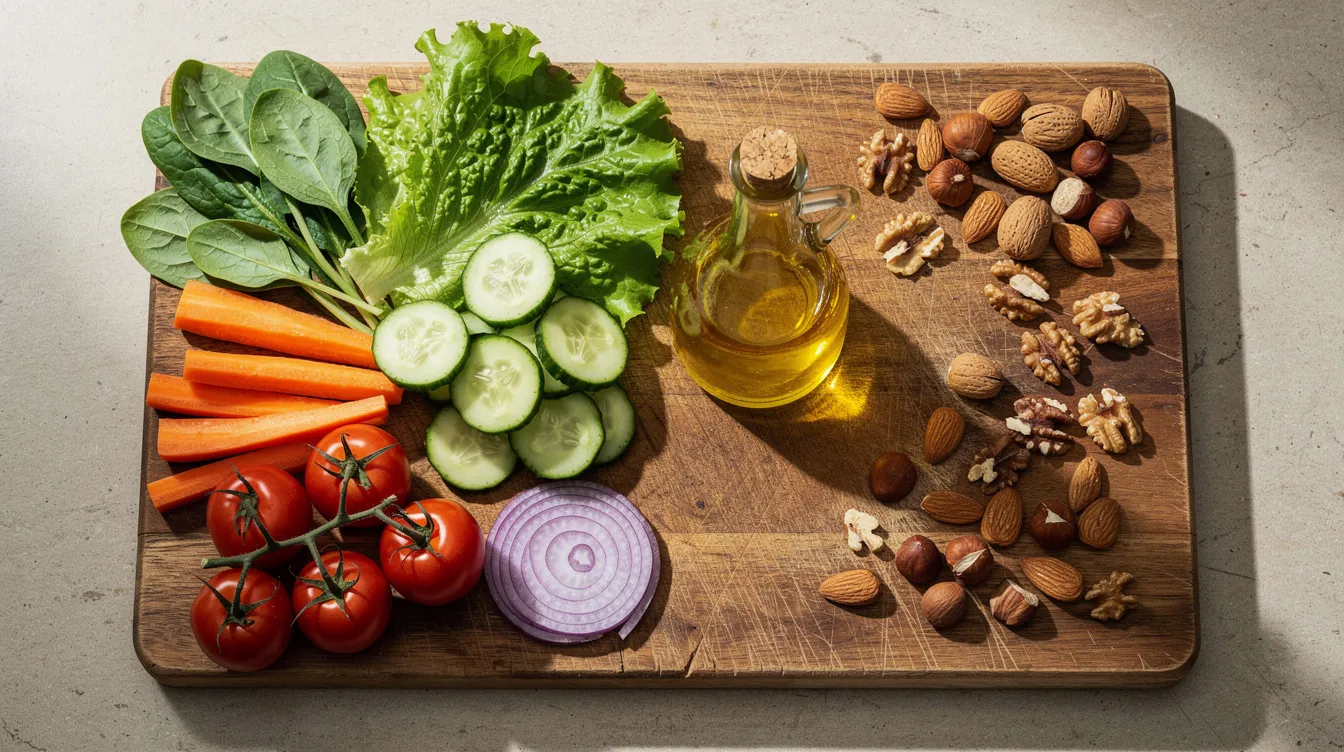
Ketosis Initiation: Your body enters ketosis after 12-16 hours without food during intermittent fasting. FMD induces ketosis by day 2-3 despite consuming ~800 calories, achieved through precise macro ratios with high unsaturated fats from olive oil and nuts.
Insulin and IGF-1 Modulation: Both approaches sharply lower insulin during fasting periods, enhancing insulin sensitivity. FMD trials show 20-30% IGF-1 reductions, which researchers link to reduced risk factors for age related diseases.
Time restricted eating aligns food intake with circadian rhythms, compressing meals to midday hours for optimal metabolic response.
Health Benefits: Weight Loss, Metabolic Health, Healthy Aging, Longevity Diet Claims
Weight Loss Evidence
Most studies on intermittent fasting show 3-8% body weight reduction over 3-12 months in overweight adults. The 16:8 method typically yields 0.5-1kg monthly when paired with balanced nutrition.
FMD clinical trials report 2.5-5kg loss per five day cycle, primarily from fat while preserving muscle mass due to controlled protein intake. Participants completing 3 cycles showed sustained 5-10% loss after three months.
Metabolic Health Improvements
Both dietary interventions improve key biological markers:
- HbA1c reduction: 0.5-1%
- Triglycerides: 10-25% decrease
- LDL cholesterol: 5-15% reduction
- Blood pressure: 5-10mmHg improvement
These changes reduce risk for heart disease and diabetes.
Healthy Aging and Longevity
FMD offers stronger evidence for promoting healthy aging. USC Longevity Institute research showed 3 FMD cycles reduced biological age by 2.5 years via epigenetic clock measurements. The longevity diet approach mimics calorie restriction—the gold standard in animal studies for lifespan extension—while maintaining adequate nutrients to prevent malnutrition.
Clinical Evidence and Safety: Fasting Mimicking Diets and Intermittent Fasting Studies
Some clinical trials and animal studies suggest that fasting mimicking diets may help reduce cancer risk and support cancer treatment by protecting healthy cells during chemotherapy.
Key FMD Trials
Researchers at the University of Southern California conducted randomized trials with 100 adults. Three monthly FMD cycles produced measurable biological age reversal and metabolic improvements without significant muscle loss.
Major IF and TRE Trials
A 2020 NEJM study followed 116 obese adults comparing 16:8 to standard eating. The fasting group achieved 6.3% weight loss sustained at one year. However, adherence drops 20-50% after 6 months across most studies.
Contraindications
Avoid both protocols if you’re:
- Pregnant or breastfeeding
- Underweight (BMI below 18.5)
- Managing type 1 diabetes or taking insulin
- Have history of eating disorders
Consult your doctor before starting, especially if over 50 or managing chronic disease.
Practical Implementation: Mimicking Diet Cycles and Intermittent Fasting Schedules
Fasting mimicking diet vs intermittent fasting are two popular approaches for those seeking the benefits of calorie restriction without completely abstaining from food. Both methods have gained attention for their potential to support weight loss, improve metabolic health, and promote longevity. However, the ability to maintain either a fasting mimicking diet or intermittent fasting protocol over the long term is crucial for achieving sustained health benefits.
Typical 5-Day FMD Cycle
The fasting mimicking diet is typically followed for five days per cycle, providing a structured, short-term approach that supports cellular rejuvenation and weight loss without complete food deprivation.
- Day 1: ~1,100 calories (nut bars, vegetable soup, olives, herbal tea)
- Days 2-5: ~700-800 calories (kale crackers, broth-based soups, minimal protein)
Repeat quarterly for weight management or monthly for more aggressive health goals.
Common IF Methods
- 16:8: Eat between 12pm-8pm daily
- 5:2: Normal eating 5 days, 500-600 calories on 2 non-consecutive days
- Alternate-day: Near-zero calories every other day
TRE Window Examples
- 10am-6pm (8-hour window)
- 11am-7pm (8-hour window)
- 9am-7pm (10-hour window for beginners)
Most experts recommend 3-4 FMD cycles annually for long term benefits without excessive restriction.
Choosing for Your Health Goals: Weight Loss, Metabolic Health, Live Longer Objectives
| Goal | Best Approach | Why |
|---|---|---|
| Steady weight loss | Daily IF/TRE | Consistent 0.5kg/week through adherence |
| Metabolic reset | FMD | Deeper intervention for stubborn markers |
| Healthy aging/longevity | FMD (3+ cycles) | Strongest evidence for biological age reduction |
| Lifestyle flexibility | FMD | Only 15-20 days annually vs. daily discipline |
Evaluate progress at 1, 3, and 6-month checkpoints using weight, waist measurements, and lab tests.
Meal Planning: Mimicking Diet Composition and IF Eating Guidance
FMD Macronutrient Targets
- Protein: 10-15% (plant sources to minimize IGF-1)
- Fats: 45-55% (monounsaturated from olives, nuts)
- Carbs: 30-40% (low-GI vegetables, limited fruits)
- Fiber: 30g+ daily to manage hunger
Focus on certain foods like nut-based bars, minestrone soup, and leafy vegetables. All meals should be plant based to maximize potential benefits.
IF Feeding Window Guidance
- Prioritize 20-30g protein at your first meal to preserve muscle mass
- Aim for 1.6g protein per kg bodyweight daily
- No specific food restrictions—focus on balanced nutrition
- Consume adequate calories to avoid malnutrition
Monitoring and Metrics: Metabolic Health Markers and Weight Loss Tracking
Lab Tests to Monitor
- Fasting glucose and insulin
- HbA1c
- Lipid panel (triglycerides, LDL, HDL)
- IGF-1
- C-reactive protein (inflammation marker)
Body Composition Tracking
DEXA scans provide the most accurate measurement. Aim for less than 2% muscle loss during any fasting protocol.
Checkpoints: 5% weight reduction short-term; biomarker improvements at 3-6 months.
Safety, Side Effects, and Contraindications
Common Short-Term Side Effects
- Hunger and irritability (days 1-2)
- Fatigue and headaches
- Mild dizziness
These typically resolve by day 3 of FMD or within 1-2 weeks of IF adaptation.
Who Should Avoid Fasting Protocols
- Elderly frail individuals
- Those with low body weight
- Anyone with a history of disordered eating
- Diabetics on insulin (risk of hypoglycemia)
Medication Adjustments
If taking diabetes medications, work with your doctor to reduce insulin 20-50% during fasting periods. Monitor electrolytes if fasting extended periods.
Common Pitfalls and Troubleshooting
Hunger Management:
- Black coffee and herbal tea are permitted
- Supplement electrolytes (sodium, potassium, magnesium)
- Start with shorter fasting windows and gradually extend
Maintaining Adherence:
- Use tracking apps for accountability
- Find social support or fasting partners
- Schedule FMD cycles around lighter work periods
Energy Issues:
- Widen IF window to 14:10 if experiencing performance drops
- Space FMD cycles further apart if overly fatigued
- Ensure adequate sleep and hydration
Sample Plans: 5-Day Fasting Mimicking Diet and Time Restricted Eating Examples
5-Day FMD Sample
| Day | Calories | Sample Foods |
|---|---|---|
| 1 | 1,090 | Nut bar, vegetable soup, olives, herbal tea |
| 2 | 770 | Kale crackers, minestrone, tea |
| 3 | 770 | Vegetable broth, nut bar, greens |
| 4 | 720 | Light soup, herbal tea, small nut portion |
| 5 | 720 | Broth, crackers, tea |
One-Week 16:8 Sample
Eat daily between 12pm-8pm:
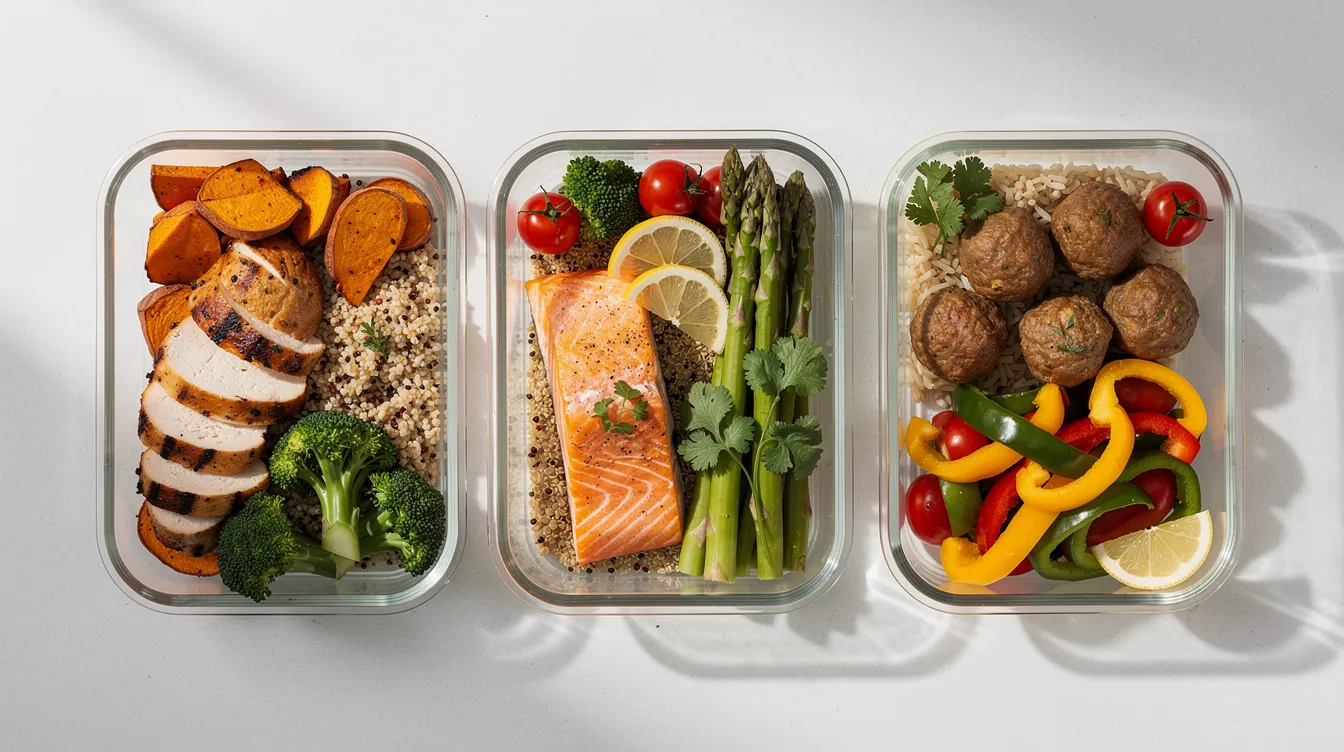
- Lunch: Eggs with vegetables and avocado
- Snack: Nuts or Greek yogurt
- Dinner: Salmon with salad and olive oil dressing
Transitional Plan
Use 16:8 as your baseline eating pattern, then add quarterly FMD cycles for deeper metabolic resets. This combines the daily benefits of time restricted eating with periodic intensive interventions.
Frequently Asked Questions: Health Benefits, Longevity Diet, Live Longer Myths
Are longevity claims proven? FMD shows biological age reduction in human trials. Lifespan extension data comes primarily from animal studies showing 30% extension in mice. Promising but preliminary for humans.
Will I lose muscle mass? Minimal loss (under 1%) when protein timing is optimized and resistance training maintained. FMD’s low protein actually triggers regenerative pathways.
Can I combine FMD with ongoing IF? Yes. Use FMD on your 5:2 low-calorie days or add quarterly FMD cycles to a regular 16:8 practice.
Resources and Further Reading: Longevity Diet, Fasting Mimicking Research, Tools
- USC Longevity Institute research publications for clinical trial data
- The Longevity Diet by Valter Longo for comprehensive background on FMD development in Southern California
- Meal tracking apps and public health resources for implementation support
Additionally, consult with your doctor before beginning any fasting diet to ensure it aligns with your current health status and medications. Start with one approach, track your results for three months, and adjust based on how your body responds.