Related topic: This article is part of Senolytics and Cellular Cleanup. If you want the broader overview, start with Senolytics for Longevity: Targeting Senescent Cells To Support Healthy Aging. In recent years, fisetin has emerged as one of the most promising compounds in aging research. This naturally occurring plant compound, found in strawberries, apples, and other foods, has captured the attention of researchers for its remarkable ability to target and eliminate senescent cells. If you’re considering adding fisetin to your longevity strategy, this guide breaks down exactly what you need to know about dosage, safety, and practical implementation.
Quick Overview
The fisetin longevity protocol aims to leverage the compound’s senolytic properties to selectively remove senescent cells, potentially extending both lifespan and healthspan in aging individuals.
Fisetin functions through a dual mechanism. First, it demonstrates exceptional senolytic activity, meaning it can identify and eliminate damaged cells that have stopped dividing but refuse to die. Second, it provides antioxidant properties that support overall cellular health by helping neutralize free radicals and reducing inflammation throughout the body.
The evidence base includes robust animal studies showing approximately 10% lifespan extension in mice treated late in life. Cell culture research confirms dose-dependent efficacy. However, a critical limitation exists: no published human clinical trials have yet demonstrated comparable longevity benefits. Current protocols are extrapolated from animal models, and more human studies are needed to establish optimal dosing for aging persons.
What Are Senescent Cells And Cellular Senescence
Cellular senescence represents a state where cells cease dividing and enter permanent growth arrest while remaining metabolically active and resistant to normal cell death processes.
These cells have earned the nickname “zombie cells” because they persist in tissues without performing their normal functions, yet remain alive and capable of secreting inflammatory compounds. The analogy captures their paradoxical nature—neither contributing to tissue health nor cleanly eliminated through natural pathways.
Senescent cells accumulate with age and directly contribute to age related diseases through multiple mechanisms. They promote chronic inflammation, tissue dysfunction, and cardiovascular problems. The senescent-associated secretory phenotype (SASP)—the inflammatory compounds these cells secrete—represents a primary mechanism linking cellular senescence to conditions like heart disease, metabolic dysfunction, and neurodegenerative diseases. Research indicates this burden increases progressively across the lifespan, making senolytic interventions increasingly relevant for older individuals.
How Fisetin Works: Senolytic Effects And Antioxidant Activity
Fisetin’s senolytic effects mechanism works through selective targeting. The compound identifies and eliminates senescent cells while preserving healthy, proliferating cells. This occurs through a “hit-and-run” approach where acute or intermittent fisetin treatment—rather than continuous exposure—effectively reduces senescence markers across multiple tissues including adipose and cardiovascular tissue.
The antioxidant activity of fisetin supports cellular health by combating oxidative damage and helping reduce symptoms associated with environmental stressors. As a natural flavonoid, fisetin provides anti inflammatory properties that work at the cellular level to protect against dna damage.
Research suggests fisetin may influence key aging pathways:
- NF-κB suppression: This pathway controls inflammation throughout the body
- mTOR modulation: A crucial role in cellular growth and aging processes
These targeting mechanisms explain why researchers found fisetin to be dramatically superior to other tested compounds, including quercetin, luteolin, and curcumin, in eliminating senescent cells.
Evidence Summary: Animal, Cell, And Human Trials
| Study Type | Key Findings | Limitations |
|---|---|---|
| Animal Studies | 10% lifespan extension in aged mice | Results may not translate to humans |
| Cell Culture | Fisetin most potent of 10 flavonoids tested | In vitro conditions differ from body |
| Human Trials | Ongoing research at Mayo Clinic | No completed longevity trials published |
Key animal studies include research where aged mice (equivalent to 75-year-old humans) receiving fisetin lived approximately 10% longer than controls. A 2024 study in Aging Cell used one-week-on, two-weeks-off dosing and found large reductions in senescence markers in arterial tissue of older women and men.
Cell-culture findings compared multiple flavonoids and identified fisetin as the most potent senolytic compound. In mouse embryonic fibroblasts, optimal effects were observed at 5 μM concentration. The compound demonstrated beneficial cell-type specificity across murine and human tissue samples.
Human trials remain the critical gap. Clinical trials are planned using bioavailable fisetin on differing dosing schedules, but no published results demonstrate human longevity benefits yet. Mayo Clinic researchers are leading much of this work, though specific outcomes from older women trials are not yet available in published literature.
Fisetin Supplements: Dosage, Absorption, And Taking Fisetin
Several evidence-based dosing strategies have emerged for taking fisetin as a senolytic compound:
Hit-and-run dosing options:
- Monthly protocol: 500-1,000 mg daily for 2-3 consecutive days each month
- Quarterly protocol: 1,000-2,000 mg daily for 3-5 consecutive days every three months
- Alternating protocol: One week on, two weeks off (per 2024 research)
Age-specific recommendations:
| Age Range | Recommended Approach |
|---|---|
| Under 30 | Regular supplementation may be unnecessary |
| 30-50 | Begin intermittent protocols as senescent cells accumulate |
| 40-50 | 500 mg daily during protocol days |
| 50+ | 1,000 mg daily during protocol days |
Alternative daily dosing ranges from 100-200 mg for those preferring continuous supplementation, though evidence for this approach remains less robust than intermittent protocols.
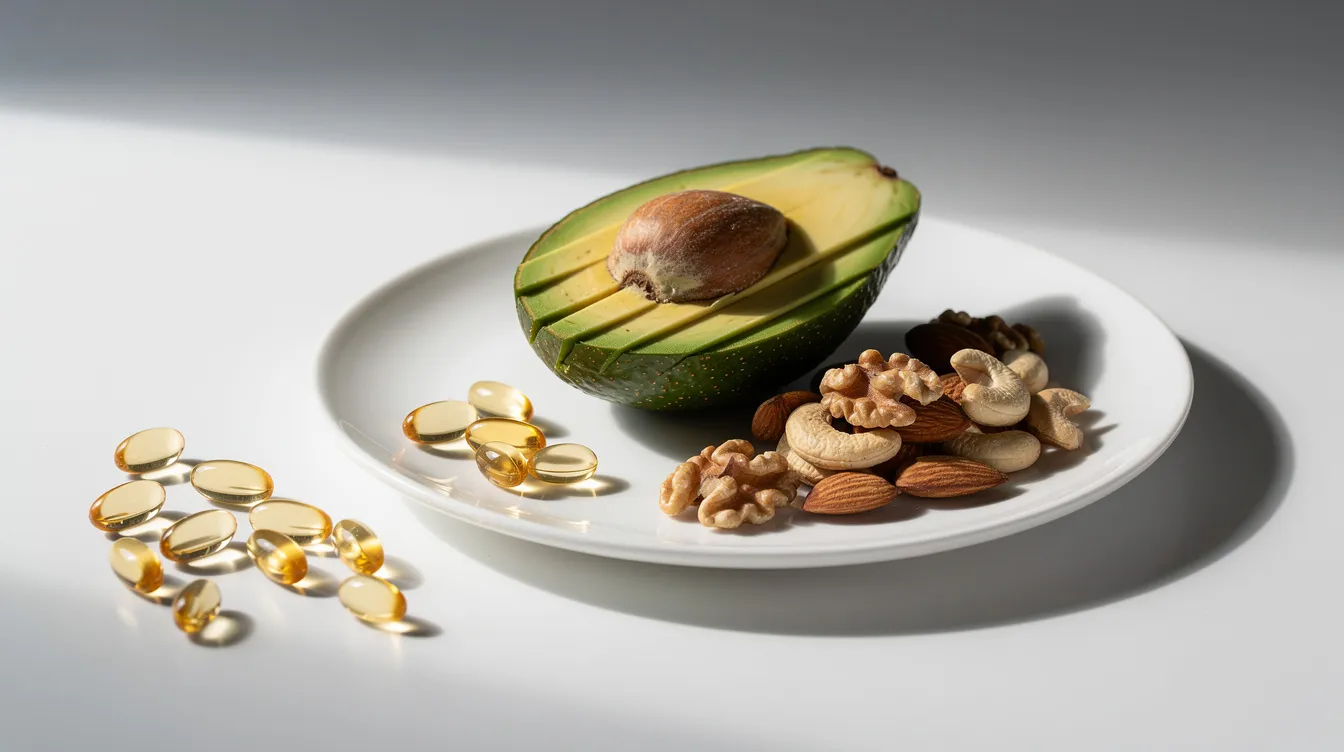
Absorption is critical: Fisetin exhibits poor bioavailability in standard form. A major advancement is a new formulation boosting bioavailability by 25 times. Regardless of formulation, always pair fisetin supplements with dietary fat for optimal absorption. Taking doses with a meal containing healthy fats like coconut oil or olive oil substantially enhances delivery.
Practical Steps For Taking Fisetin In A Protocol
Screen patient medications and bleeding risks before initiating supplementation. Review current medications for interactions, particularly anticoagulant or antiplatelet drugs. Establish baseline bleeding risk assessment.
Calculate dose using accurate bodyweight considerations alongside age-based guidance:
- Ages 40-50: Start with 500 mg during protocol days
- Ages 50+: Consider 1,000 mg during protocol days
- Adjust based on individual health status and senescent cell burden
Instruct take dose with a fat-containing meal, preferably in the morning. This step is non-negotiable for optimal absorption and efficacy.
Schedule repeat courses monthly or every two months:
- Mark calendar for 2-3 consecutive days monthly
- Or plan 5 consecutive days quarterly
- Maintain consistent timing between courses
Monitor and record symptoms after each course:
- Document any gastrointestinal symptoms
- Note energy levels and physical function changes
- Track unexpected bleeding or bruising
- Record overall wellness perceptions
This tracking enables individualized protocol optimization based on observed response rather than generic recommendations.
Safety, Risks, And Contraindications
Fisetin is generally well-tolerated with minimal side effects when used appropriately. However, several important precautions apply:
Absolute contraindications:
- Pregnancy
- Breastfeeding
Use caution with:
- Anticoagulant medications (warfarin, novel oral anticoagulants)
- Antiplatelet drugs (aspirin, clopidogrel)
- Pre-existing bleeding disorders
Recommended baseline testing:
- Liver function tests (ALT, AST, bilirubin)
- Kidney function tests (creatinine, eGFR)
- Repeat liver enzymes after initial courses
These baseline assessments provide reference values against which to measure any potential adverse changes during the protocol.
Older Women And Age-Related Responses
Benefits may vary significantly in older women compared to general populations studied in animal research. Accelerated senescent cell accumulation in women over 50 suggests potential for substantial benefit, but individual response varies.
If available, assess senescent cell burden through:
- SASP marker measurement
- Skin punch biopsy for senescent fibroblasts
- Emerging senolytic measuring methods
Advise individualized risk-benefit discussion with a healthcare provider before beginning any senolytic protocol. Particular attention should focus on bleeding risk, medication interactions, and baseline organ function in this population.
Monitoring Blood Sugar And Other Biomarkers
Tracking biomarkers helps assess both safety and efficacy of your fisetin protocol:
Track fasting blood sugar before and during protocol. Since senescent cells contribute to metabolic dysfunction, clearing them might theoretically improve glucose homeostasis—though this requires further investigation.
Measure inflammatory markers periodically:
- C-reactive protein (CRP)
- Interleukin-6 (if available)
- TNF-alpha (if available)
These markers may reveal fisetin’s effects on reducing inflammation since SASP involves inflammatory cytokine production.
Assess liver enzymes after initial courses to detect any hepatic stress. This includes ALT, AST, and bilirubin.
Perform simple physical function tests:
- Gait speed assessment
- Grip strength measurement
- Chair rise test (time to stand from seated position)
Comparing pre and post results provides practical healthspan indicators that complement laboratory values.
Skin Health, Metabolic Health, And Lifestyle Synergies
Regular exercise supports senescent cell clearance by enhancing immune function and cellular turnover. Senescent cells are constantly removed by strong immune systems in younger people—exercise helps maintain this capability.
Antioxidant-rich diet complements fisetin’s antioxidant activity:
- Consume polyphenol-rich foods
- Include other flavonoid sources like red wine (in moderation), berries, and onions
- Maintain adequate dietary intake of vitamins C and E
Skin health benefits to monitor: Senescent fibroblasts in skin represent a visible manifestation of the aging process. Watch for potential improvements in:
- Skin elasticity
- Reduction in age spots
- Overall texture and appearance
Some longevity research protocols include skin punch biopsy to directly measure senescent fibroblast reduction.

Caution against stacking multiple senolytics without guidance. While optimal protocols may eventually involve several senolytic compounds, current evidence does not support routine combination therapy. Moderation and individual response should guide any consideration of adding senolytic drugs like dasatinib to fisetin protocols.
Potential Side Effects And Drug Interactions
Reported side effects from fisetin remain generally mild:
Mild gastrointestinal upset represents the most common reported effect. This appears dose-dependent and often resolves with continued use. Taking fisetin with food may mitigate these effects.
Fatigue has been reported occasionally, though the mechanism remains unclear.
Potential platelet-function changes warrant attention. Fisetin may affect hemostasis, which explains caution with anticoagulant medications.
If unexpected bleeding occurs:
- Pause protocol immediately
- Document symptoms
- Seek medical evaluation before resuming
Notably, fisetin causes fewer side effects than dasatinib, which is associated with flu-like symptoms and GI disturbances. This makes fisetin an attractive option for those seeking senolytic benefits without significant adverse effects.
Age-Related Applications And Research Gaps
Critical gaps in current evidence:
The most significant limitation is lack of long-term outcome data in humans. While animal studies show clear lifespan and healthspan benefits, no published human studies demonstrate that fisetin supplementation extends human lifespan or prevents chronic diseases in human populations.
Research priorities:
- Large-scale randomized trials enrolling diverse older populations
- Studies varying by age, sex, ethnicity, and comorbidity status
- Standardized outcome measures including mortality, functional capacity, and quality of life
Biomarkers needing standardization:
- SASP measurement protocols
- Skin biopsy analysis methods
- Blood-based senescence markers
- Functional aging assessments
The presence of these gaps means current protocols rely on extrapolation from animal models, introducing uncertainty about translational effectiveness for cancer prevention, bone resorption reduction, cardiac hypertrophy prevention, and other potential applications.
Protocol Checklist And Patient Resources
Pre-Start Checklist
| Item | Completed |
|---|---|
| Confirm age 30+ for potential use | ☐ |
| Review medications for interactions | ☐ |
| Assess bleeding risk | ☐ |
| Obtain baseline liver function tests | ☐ |
| Obtain baseline kidney function tests | ☐ |
| Confirm not pregnant or breastfeeding | ☐ |
| Document relevant medical conditions | ☐ |
| Educate on fat-pairing for absorption | ☐ |
| Establish baseline wellness markers | ☐ |
Dosing Reference
Calculate based on age and health status:
- Ages 40-50: 500 mg daily during 2-3 consecutive protocol days monthly
- Ages 50+: 1,000 mg daily during protocol days
- Adjust for individual tolerability and response
Selecting Reputable Fisetin Supplements
Look for these criteria:
- Third-party purity testing
- Clinically studied doses (100-500 mg range)
- Enhanced bioavailability formulation (standard fisetin has poor absorption)
- Clear ingredient labeling without proprietary blends
- Manufacturer transparency about sourcing
Symptom and Lab Tracking Template
Record after each course:
- Date and doses taken
- Subjective symptoms (GI, fatigue, energy)
- Any bleeding or bruising
- Lab values (when available)
- Functional test results
- Overall health perceptions
Key Takeaways
- Fisetin demonstrates the strongest senolytic efficacy among tested plant compounds in research settings
- The hit-and-run dosing approach (2-3 consecutive days monthly) reflects the compound’s mechanism
- Always pair supplements with dietary fat for absorption
- Avoid use during pregnancy, breastfeeding, or while on blood thinners without medical supervision
- Monitor liver enzymes and inflammatory markers periodically
- More human studies are essential before fisetin can be considered a proven longevity intervention
The field of longevity research continues advancing rapidly, with fisetin representing one of the most accessible and well-tolerated senolytic compounds available. While we await results from rigorous clinical trials, those interested in exploring this protocol should work closely with their healthcare provider, establish comprehensive baseline testing, and track their individual response carefully. Start conservatively, document everything, and adjust based on your body’s unique response to this promising intervention.