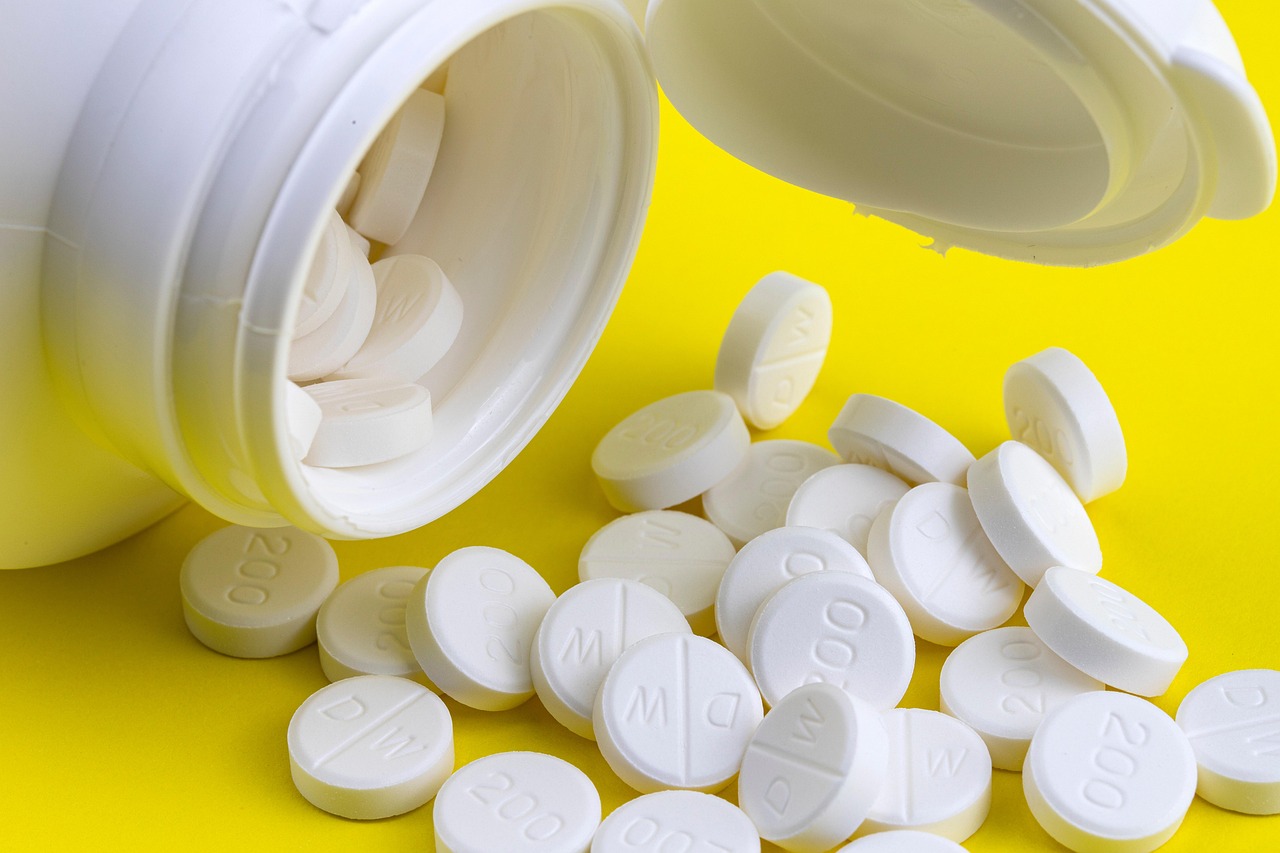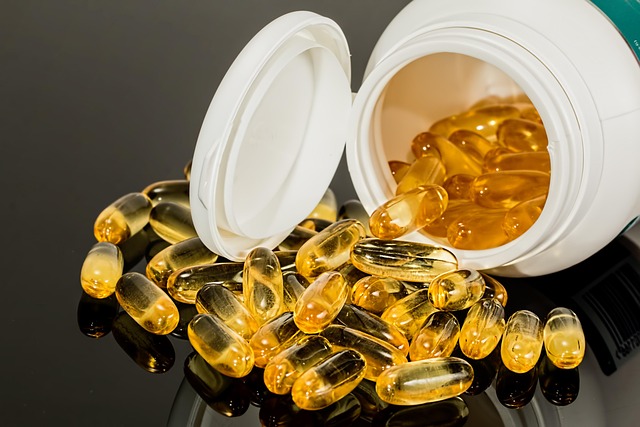
The concept of a foundational longevity stack centers on a curated selection of dietary supplements prioritized for their evidence-based support in addressing core aging processes. This includes mitochondrial function, inflammation, nutrient deficiencies, and muscle preservation. High-quality sleep is also a foundational intervention to improve sleep quality, supporting longevity, mental clarity, immune health, and overall well-being.
This guide targets middle-aged and older adults seeking to optimize healthspan rather than chase experimental compounds with limited human data. The emphasis here is on clinical safety and robust evidence from randomized controlled trials, not animal studies or in vitro research that may never translate to real-world benefits.
Before starting any supplement regimen, consult with health professionals who can review your current medications, health status, and individual risk factors. This isn’t a formality—it’s how you avoid interactions and ensure your stack actually addresses your specific deficiencies.
Overview of Dietary Supplements for Longevity
Dietary supplements are orally ingested products intended to supplement the diet, containing vitamins, minerals, herbs, amino acids, or fatty acids. In the US, they’re regulated under the Dietary Supplement Health and Education Act (DSHEA) of 1994, which requires manufacturers to ensure safety but not efficacy prior to sale.
Inclusion Criteria for This Stack
| Criteria | Requirement |
|---|---|
| Evidence level | Human RCTs or systematic reviews |
| Safety profile | GRAS status or long-term use data |
| Mechanistic relevance | Addresses established aging hallmarks |
| Regulatory status | Commercially available without restrictions |
Exclusion Criteria
- Compounds lacking phase III human trials
- Supplements with regulatory hurdles or safety concerns
- Hype-driven options without lifespan data in humans
The risk-benefit framing here is straightforward: meta-analyses show 10-20% reductions in all-cause mortality with basic supplementation in deficient populations. However, overuse creates real risks—vitamin D toxicity above 10,000 IU per day causes hypercalcemia, and fish oil potentiates anticoagulants. Baseline testing and monitoring aren’t optional.
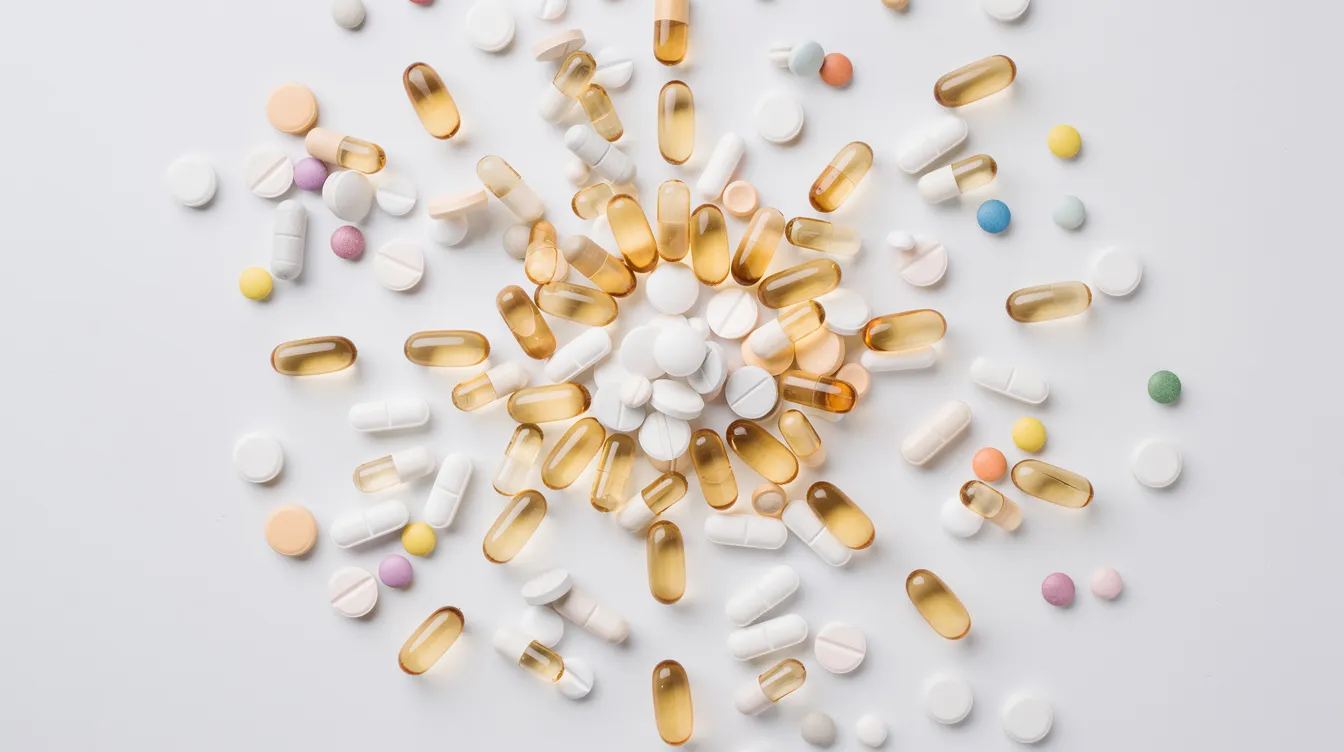
Core Stack: High-Priority Components
The core stack focuses on high-priority, low-risk interventions with Level 1-2 evidence. The rationale addresses universal deficiencies: over 40% of US adults are vitamin D insufficient, linked to 1.5-2x higher fracture risk and immune system dysregulation.
Baseline Blood Testing Before Starting
Get these markers tested before supplementing:
- Serum 25(OH)D (vitamin D status)
- Triglycerides and lipid panel
- hs-CRP (inflammation marker)
- HbA1c (glycemic control)
- B12/methylmalonic acid for older adults
Simple Daily Starter Regimen
A straightforward beginner protocol might include:
- 2000-4000 IU vitamin D3
- 1-2g EPA+DHA from fish oil
- 500-1000mg vitamin C
- 1.2-1.6g protein per kg body weight
Titrate over 30 days with symptom tracking before adding complexity.
Vitamin D
Vitamin D, specifically cholecalciferol (D3), supports bone mineralization via calcium/phosphate homeostasis and VDR-mediated gene expression for over 200 proteins. The evidence for bone density and immune health is substantial.
Key Clinical Evidence:
- VITAL trial (25,871 participants): 22% reduction in autoimmune disease incidence at 2000 IU per day
- Meta-analyses confirm 15-20% lower respiratory infections risk in deficient individuals
- Women’s Health Initiative: 20% hip fracture risk reduction in postmenopausal women
Immune modulation involves cathelicidin/LL-37 production against pathogens. This matters for overall health, particularly during cold and flu seasons.
Testing and Dosing:
| Serum 25(OH)D Level | Status | Action |
|---|---|---|
| Below 20 ng/mL | Deficient | 50,000 IU/week correction |
| 20-30 ng/mL | Insufficient | 4000 IU/day maintenance |
| 40-60 ng/mL | Optimal | 1000-2000 IU/day maintenance |
Retest every 3-6 months. Consider adding vitamin K2 (MK-7, 100-200mcg) for arterial safety. The D2 form (ergocalciferol) is less bioavailable with a 1.7:1 conversion ratio—stick with D3.
Fish Oil
A quality fish oil supplement lowers triglycerides by 20-30% at 2-4g per day according to the REDUCE-IT trial involving 8,179 patients. This translates to a 25% reduction in cardiovascular events in high risk groups via plaque stabilization and anti-inflammatory resolvins.
The VITAL trial confirmed modest cancer risk reduction (17%) and slower telomere shortening. Fish oil’s membrane incorporation enhances fluidity and cellular signaling—mechanisms relevant to cardiovascular disease prevention.
Monitoring During Use:
- Target triglycerides below 150 mg/dL
- LDL may rise 5-10% initially (offset by particle size improvement)
- Watch for increased bleeding risk if on anticoagulants
Historical context: 1970s Greenland Inuit studies first linked high omega-3 intake to low coronary heart disease rates.
For plant based eaters, algal oil provides equivalent DHA/EPA (200-500mg per day) without mercury concerns. This vegan alternative works well for those avoiding animal products.

Vitamin C
Vitamin C (ascorbic acid) is an essential water-soluble antioxidant that regenerates vitamin E and supports collagen hydroxylation. It prevents scurvy at minimal doses but shows dose-dependent benefits for overall health.
Evidence Summary:
- Cochrane review (29 trials): 500mg per day reduces common cold duration by 8-14%
- Higher doses (1-3g per day) aid endothelial function in smokers
- Supports blood vessels health through collagen synthesis
Dosing Guidelines:
| Purpose | Daily Dose | Notes |
|---|---|---|
| Deficiency correction | 200mg | Rare in developed nations |
| Routine maintenance | 500-1000mg | Divided doses |
| Skin health support | 500mg + collagen | Pair with 10g collagen peptides |
For skin health benefits, pairing vitamin C with collagen peptides increases type I collagen synthesis by 20-50% in joint health trials. Citrus fruits and vegetables provide natural sources, but supplementation ensures consistent intake. Liposomal forms enhance bioavailability 2-5x over standard ascorbic acid.
Protein Powders
Protein powders combat sarcopenia—appendicular lean mass loss exceeding 3% per year post-60. This matters because sarcopenia affects 15% of older adults and significantly impacts quality of life.
Meta-Analysis Evidence (69 RCTs):
- 1.6g/kg per day intake preserves muscle mass (+0.3-0.5kg)
- Strength improvements of 1-2kg on leg press
- 20% sarcopenia risk reduction per 0.4g/kg post-exercise
Per-Meal Protein Targets:
Aim for 25-40g protein per meal to maximize muscle protein synthesis via the leucine threshold (2.5-3g per meal). This helps maintain body weight composition and supports fat loss when combined with vigorous exercise.
| Protein Source | Leucine Content | Digestion Speed |
|---|---|---|
| Whey isolate | 10-12% | Fast |
| Casein | 8-9% | Slow |
| Pea/rice blend | 7-8% | Moderate |
Whey isolate outperforms soy and casein in acute trials (25% higher MPS), but plant blends match results when leucine-fortified. Older adults benefit most from post-workout protein intake. Lean meat, fish, and egg whites remain excellent whole food sources alongside supplementation.
Supporting Supplements for Well Being and More Energy
The goals here involve improved sleep quality (measured by PSQI scores), mood stability (decreased cortisol by 15-25%), and vitality (reduced fatigue). Establishing habits and routines that improve sleep quality is a foundational step for longevity and overall well-being. However, supplements play a supporting role.
Prioritize sleep hygiene (7-9 hours) and regular physical activity (resistance training 3x/week) first—these yield 2-3x greater effects than supplements alone.
Moderate activity combined with proper rest forms the foundation. Once those habits are established, supporting supplements can enhance results.
Magnesium for Energy and Relaxation
Magnesium deficiency affects 50% of populations due to soil depletion and processed food consumption. This mineral supports 300+ enzymatic reactions including ATP stabilization and NMDA receptor modulation.
Clinical Evidence:
- RCTs show 320mg per day magnesium glycinate improves insomnia (ISI score reduction of 3.6 points)
- Magnesium supplementation can help improve sleep quality, which is a key factor in supporting longevity and overall health.
- 50% migraine attack reduction in clinical trials
- Supports exercise recovery and muscle function
Form Selection:
| Form | Best For | GI Tolerance |
|---|---|---|
| Glycinate | Sleep, relaxation | Excellent |
| Citrate | General use | Good |
| Threonate | Cognition (crosses BBB) | Good |
| Oxide | Avoid | Poor |
Start with 200mg at bedtime and titrate up. Keep elemental magnesium below 350mg per day to minimize diarrhea risk. This supports both energy production and the ability to reduce stress naturally.
Adaptogens and Mood Support
Adaptogens offer stress reduction benefits worth investigating:
- Ashwagandha (KSM-66, 300-600mg): Reduces salivary cortisol by 23-30% in 8-week RCTs
- Rhodiola (200-400mg): Boosts mental fatigue resistance
Important Cautions:
- Contraindicated in autoimmune conditions (may trigger thyroiditis flare)
- Limited pregnancy data—avoid during pregnancy
- 20-30% of users are non-responders
Run short 4-8 week trials and assess via HRV monitoring or Perceived Stress Scale. Discontinue if no measurable benefit emerges. Limit alcohol consumption during trial periods to accurately assess effects.
Supplements for Chronic Conditions
When tailoring supplements to specific chronic conditions, clinician oversight becomes essential. Drug-supplement interactions can be significant—berberine inhibits CYP3A4 similarly to statins, potentially causing dangerous accumulation.
The hierarchy is clear: proven therapies first, supplements as adjuncts only. Never replace prescribed medications with other supplements without medical supervision.
Cardiometabolic Conditions
For selected cardiovascular patients, fish oil demonstrates meaningful benefits. The REDUCE-IT trial showed 25% MACE (major adverse cardiovascular events) reduction in patients with elevated triglycerides already on statins.
Fiber Supplements for Cholesterol:
- Psyllium (5-10g per day) lowers LDL by 5-10% per meta-analysis of 21 trials
- Supports healthy diet goals when whole grains and vegetable intake is insufficient
- Improves glycemic control as a secondary benefit
Monitor lipids and glycemic markers quarterly. These interventions support cardiovascular mortality reduction goals but don’t replace medication when indicated. Avoid excessive alcohol and processed meat consumption alongside supplementation.
Cognitive Health and Aging
For cognitive preservation, lifestyle interventions dominate:
The MIND diet combined with exercise halves dementia risk—no supplement matches this effect size.
Omega-3s (1g per day) show benefit for slowing decline in APOE4 carriers (0.1-0.2 SD/year). Scientific studies support cognitive biomarker tracking when possible, including MoCA scores and processing speed tests.
Supplements only make sense with supportive clinical evidence for your specific situation. Claims about clearer thinking from popular supplements often lack rigorous human data.
Older Adults: Priorities and Adjustments
Older adults (65+) face 2-4x higher deficiency risks due to absorption issues and dietary limitations. Priorities shift toward bone, muscle, and nutrient absorption.
Prevalence of Key Issues:
| Condition | Prevalence | Primary Concern |
|---|---|---|
| Osteoporosis (women) | 20% | BMD T-score below -2.5 |
| Sarcopenia | 15% | Muscle mass loss |
| B12 malabsorption | 15-20% | Atrophic gastritis |
B12 Screening Protocol:
Screen methylmalonic acid and homocysteine levels. If elevated, supplement with 1000mcg methylcobalamin daily. This bypasses absorption issues common in older men and women with reduced gastric acid.
For this population, simplify regimens to 3-4 core items with adjusted doses (e.g., 1000 IU D3 rather than 4000 IU). Folic acid status should also be assessed, particularly if homocysteine is elevated. Focus on oral health as well, since poor dentition affects nutrition status.
Other Supplements and Specialty Options
Niche options require individual evaluation with outcome tracking:
Mitochondrial Support:
- CoQ10 (100-200mg ubiquinol): 10-20% fatigue reduction in heart failure patients
- PQQ (10-20mg): Supports PGC-1α biogenesis for mitochondrial function
Emerging Senolytics:
- Quercetin (1g) + fisetin (100-500mg) monthly protocols
- Track CRP and IL-6 as surrogate markers
- Very limited human longevity data
Caution Required:
Resveratrol shows mixed SIRT1 data despite significant marketing hype. Vitamin E supplementation at high doses showed potential harm in some trials. NMN raised NAD+ by 38% in 60-day trials but lacks lifespan data in humans.
Run short trials with specific ingredient tracking. If no biomarker shift occurs after 90 days, discontinue and reallocate resources.
Third Party Tested Products
Third party tested verification matters significantly for supplement safety. The FDA classifies supplements as food, not drugs, so purity relies on post-market surveillance.
The Problem:
- ConsumerLab analyses found 20-30% of untested products contained contaminants
- 2023 USP audits showed 15% failure rates
- Heavy metals, incorrect potency, and adulterants affect untested products
What to Look For:
| Certification | What It Verifies |
|---|---|
| NSF International | Potency, purity, manufacturing |
| USP Verified | Label accuracy, no contaminants |
| ConsumerLab | Independent testing, comparison |
Seek batch-specific Certificates of Analysis (COAs). Avoid products without any third-party verification, regardless of brand reputation or price point.
Quality, Safety, and Interactions
Beyond third-party testing, review ingredient lists for problematic additives. Titanium dioxide, for example, has been linked to gut inflammation in some research.
Interaction Checking:
Use the Natural Medicines Database to screen for drug-supplement interactions. Common concerns include:
- St. John’s wort inducing CYP3A4 (reduces medication efficacy)
- Fish oil potentiating anticoagulants
- Calcium interfering with thyroid medication absorption
Adverse Effect Reporting:
Report any adverse effects to your clinician and consider FDA MedWatch reporting for serious events. This protects both you and future consumers.
Protocols: Tiered Approach and Monitoring
A structured approach prevents overwhelm and allows objective assessment.
Tiered Protocol:
| Tier | Components | Duration |
|---|---|---|
| Beginner | Vitamin D, omega-3, magnesium, protein | 30-90 days |
| Intermediate | Add vitamin C, B12 (if indicated) | 30-90 days |
| Advanced | Add adaptogens, CoQ10 (if indicated) | 30-90 days |
Run 30-day blocks per tier. This provides sufficient time to assess tolerance and initial response before adding complexity.
Lab Monitoring Schedule:
- Baseline: Full panel before starting
- 3 months: Retest primary markers (25(OH)D, lipids, hsCRP)
- 6 months: Comprehensive reassessment including HbA1c
- Annual: DEXA for bone density and body composition if indicated
Tracking Outcomes and Metrics
Objective biomarkers provide actionable data:
- Serum 25(OH)D (target 40-60 ng/mL)
- Triglycerides (target below 150 mg/dL)
- hsCRP (target below 1 mg/L)
- HbA1c (target below 5.7%)
- Resting heart rate trends (via wearable)
DEXA scans quantify bone density and lean mass changes when available. This supports athletic performance goals and fat loss tracking.
Subjective Tracking:
Maintain symptom journals for:
- Energy levels (1-10 scale)
- Sleep quality ratings
- Mood and stress perception
- Exercise recovery and faster recovery observations
Track current habits alongside supplementation to identify confounders.
Frequently Asked Questions
Who should prioritize supplements first?
Those with documented deficiencies benefit most. Vegans need B12 and DHA supplementation. Older adults need protein and B12. Anyone with suboptimal blood markers should address those specific gaps before adding general longevity compounds.
What are common dosing misconceptions?
Megadosing ignores established upper limits. Vitamin C above 2g causes GI upset. More isn’t better—it’s often wasteful or harmful. Stick to evidence-based ranges and increase protein intake through food when possible.
When should you stop or reassess a supplement?
Discontinue if:
- No biomarker improvement after 90 days
- Adverse effects occur
- Blood pressure or other markers worsen
- The supplement no longer fits your health goals
Supplements aren’t lifetime commitments. Reassess annually at minimum.
Resources and Next Steps
Clinician Discussion Checklist:
- Current medications and conditions
- Baseline lab results
- Specific deficiencies identified
- Goals for supplementation
- Monitoring schedule
Reliable Evidence Databases:
- NIH Office of Dietary Supplements
- Examine.com for research summaries
- Natural Medicines Database for interactions
Building Your Plan:
Start with baseline testing, not product purchases. Build a time-limited plan (90-day initial commitment) with clear biomarker targets. Eat a balanced diet with adequate other foods before relying on supplements. Track weight loss or composition changes objectively.
Your foundational longevity stack should evolve based on data, not assumptions. Get tested, start simple, monitor outcomes, and adjust accordingly. The goal is sustainable health optimization—not a cabinet full of unused supplements.