Related topic: This article is part of Emerging and Fringe Protocols. If you want the broader overview, start with Emerging Longevity Protocols: Practical Outline for Research and Practice. Hyperbaric oxygen therapy has emerged as one of the most intriguing interventions in regenerative medicine, with recent clinical studies suggesting it may address fundamental hallmarks of the aging process. This comprehensive guide examines the scientific evidence, biological mechanisms, and practical considerations surrounding HBOT longevity applications.
Whether you’re a clinician evaluating this therapy for aging populations or a researcher tracking developments in anti aging interventions, this roadmap provides the evidence base and clinical framework you need.
Hyperbaric Oxygen Overview
The exploration of hyperbaric oxygen therapy HBOT for longevity stems from its capacity to trigger adaptive cellular responses through mechanisms distinct from its wound-healing applications. HBOT has been shown to enhance the body’s ability to repair DNA, heal tissues, and adapt to oxidative stress, supporting natural regenerative processes that are crucial for healthy aging and recovery.
Cellular Senescence at the Cellular Level
Cellular senescence refers to a stable state where cells lose their ability to divide but remain metabolically active. Unlike programmed cell death, senescent cells persist in tissues, accumulating with age due to stressors including DNA damage, oxidative stress, and telomere shortening.
At the cellular level, senescence represents an irreversible exit from the cell cycle. While this mechanism originally evolved as a tumor suppression strategy, the accumulation of senescent cells drives tissue deterioration and impairs tissue regeneration over time.
The Senescence-Associated Secretory Phenotype (SASP)
A defining characteristic of senescent cells is their persistent secretion of pro-inflammatory factors:
| SASP Component | Examples | Effect on Tissues |
|---|---|---|
| Pro-inflammatory cytokines | IL-6, IL-8, TNF-α | Chronic inflammation |
| Chemokines | Various | Immune cell recruitment |
| Growth factors | Multiple | Dysregulated signaling |
| Matrix metalloproteinases | MMP-9 | Tissue remodeling dysfunction |
This secretory profile creates a microenvironment that fosters chronic inflammation and propagates senescence to neighboring healthy cells. The resulting “inflammaging” directly correlates with age-related pathologies including atherosclerosis, osteoarthritis, and neurodegeneration.
Understanding this link between cell senescence and tissue dysfunction provides the foundation for appreciating how HBOT may intervene in the aging process.
Mechanisms: How HBOT Acts On The Cellular Level
The mechanisms through which HBOT influences cellular aging center on a phenomenon called the hyperoxic hypoxic paradox. This seemingly contradictory effect explains how high-oxygen exposure can trigger responses typically associated with low-oxygen conditions.
HBOT influences several key mechanisms involved in cellular aging, such as oxidative stress, cellular senescence, and telomere dynamics. Understanding these key mechanisms helps explain HBOT’s regenerative and anti-aging effects at the cellular and molecular levels.
The Hyperoxic-Hypoxic Paradox
When patients undergo cycles of hyperoxia (100% O2 at 2 ATA) followed by short air breaks (typically 5 minutes every 20 minutes), the fluctuations generate reactive oxygen species spikes. These transient ROS elevations paradoxically activate hypoxia-inducible factor (HIF) pathways—the same pathways triggered by actual hypoxia.
This mechanism avoids the tissue damage of true hypoxia while capturing its regenerative signaling benefits.
HIF Activation and Downstream Effects
HIF activation upregulates several key genes supporting the body’s ability to repair and regenerate:
- VEGF: Drives blood vessel formation and angiogenesis
- EPO: Stimulates hematopoiesis and red blood cell production
- Stem cell mobilization factors: Enhance circulating stem cells
The result is enhanced stem cell proliferation and tissue repair capacity without the cellular damage that would accompany actual oxygen deprivation.
Antioxidant Upregulation
After repeated daily HBOT sessions, the body adapts by upregulating endogenous antioxidant systems:
- Superoxide dismutase (SOD)
- Catalase
- Glutathione peroxidase
This adaptation normalizes the ROS/scavenger ratio to baseline levels, reducing oxidative stress and preventing the chronic oxidative damage associated with aging.
Telomerase Activation and Telomere Lengthening
Perhaps the most striking finding involves telomere biology. HBOT induces telomerase activation—the enzyme that adds telomeric repeats to chromosome ends—resulting in measurable lengthening of telomeres.
In peripheral blood mononuclear cells, clinical trials have demonstrated:
| Cell Type | Telomere Length Increase | Statistical Significance |
|---|---|---|
| T-helper cells | 29.30% ± 38.51% | p = 0.005 |
| B cells | 37.63% ± 52.73% | p < 0.001 |
| Cytotoxic T cells | Trend toward increase | Approaching significance |
| NK cells | Trend toward increase | Approaching significance |
Telomere maintenance is crucial for prolonging cellular lifespan and delaying senescence. HBOT may support telomere maintenance by promoting telomerase activity and reducing telomere shortening. This represents a departure from the normal trajectory where telomeres naturally shorten with each cell division, potentially reversing a key mechanism of cellular aging.
Chronic Inflammation And Immune Modulation
HBOT’s effects on the immune system extend beyond reducing oxidative stress to active modulation of inflammatory signaling.
Cytokine Profile Shifts
HBOT treatment downregulates pro-inflammatory cytokines while elevating anti-inflammatory mediators:
- Decreased: IL-6, TNF-α, IL-8
- Increased: IL-10
This shift moves the cytokine profile toward resolution of chronic inflammation rather than perpetuation of the inflammaging cycle.
Immune-Mediated Senescent Cell Clearance
The therapy enhances the immune response against senescent cells through:
- Improved phagocytosis by macrophages
- Enhanced NK cell recognition of senescent cell markers
- Better immune function overall
Key SASP Markers for Monitoring
Clinicians tracking HBOT’s senolytic-like effects should monitor these validated senescence markers:
- p16^INK4a expression
- p21 levels
- SA-β-galactosidase activity
- γ-H2AX foci (DNA damage marker)
- IL-6, IL-8, MMP-9 secretion levels
Unlike pharmacological senolytics, HBOT appears to clear senescent cells without direct cytotoxicity, making it a repeatable intervention.
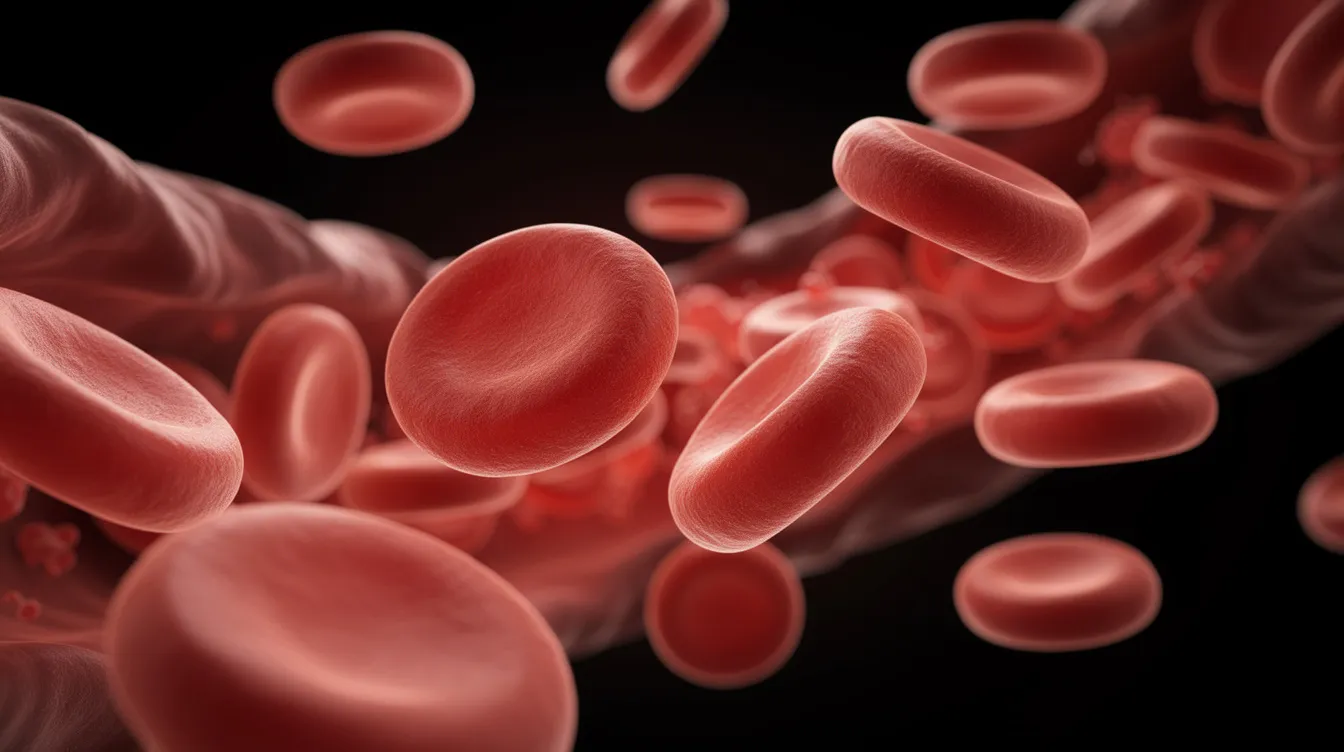
Effects On Blood Cells And Blood Vessels
The impact of hyperbaric oxygen on blood cells and the vascular system provides some of the most quantifiable evidence for its anti aging effect.
PBMC Changes in Clinical Trials
Studies examining isolated blood cells have documented significant alterations in peripheral blood mononuclear cells following HBOT protocols:
| Measurement | Baseline | Post-HBOT | Change |
|---|---|---|---|
| T-helper telomere length | 2.55 ± 0.53 kb | Significantly increased | +23.69% at 30 sessions |
| Senescent T helpers | Baseline levels | Reduced | -37.30% ± 33.04% (p < 0.001) |
| Senescent cytotoxic T cells | Baseline levels | Reduced | -10.96% ± 33.15% (p = 0.019) |
| Overall PBMC senescence | Baseline levels | Reduced | -11% to -37% across subtypes |
Notably, maximum senescent cell clearance appeared at the 30th session before partial rebound, suggesting an optimal dosing window to induce significant senolytic effects with HBOT.
Vascular and Angiogenesis Effects
HBOT produces robust effects on blood vessels through VEGF/HIF-1α upregulation:
- Circulating endothelial progenitor cells increased by 432%
- CD34+ stem cells increased by 800% in some reports
- Improved endothelial function and microvascular density
- Reduced vascular stiffness
These changes address age-related endothelial dysfunction directly, with cells increased significantly in populations that support healthy aging and cardiovascular health.
HBOT As Anti-Aging Therapy And Healthy Aging
Positioning hyperbaric oxygen within the broader anti aging therapy landscape reveals its unique strengths relative to other interventions.
Comparison to Lifestyle Interventions
| Intervention | Telomere Effect | Senescence Effect | Mechanism |
|---|---|---|---|
| Calorie restriction | Modest preservation | Indirect via sirtuins | Metabolic adaptation |
| Exercise | 8-12% stem cell boost | Mild reduction | Mitochondrial biogenesis |
| HBOT | 20%+ telomere lengthening | 37% senescent cell clearance | Hyperoxic-hypoxic paradox |
As researchers have noted, HBOT’s effects go “far beyond any currently available interventions or lifestyle modifications” in terms of significantly increasing telomere length and reducing senescent cell burden.
Healthy Aging Goals Addressed
HBOT aligns with multiple healthy aging adult objectives:
- Preserved cognition: Enhanced cerebral perfusion
- Maintained mobility: Reduced inflammatory burden on joints
- Vascular health: Improved endothelial function
- Immune competence: Reduced immune senescence
The therapy’s systemic nature means it targets multiple aging hallmarks simultaneously rather than addressing isolated pathways.
Clinical Evidence In Aging Populations
The most rigorous human data comes from a prospective clinical trial examining HBOT’s effects on aging biomarkers.
The Shamir Medical Center Trial
This landmark 2020 trial (NCT04315153) enrolled 35 healthy aging adults aged 64-79 years:
- Protocol: 60 daily sessions, 5 per week
- Duration: 90 minutes at 2 ATA with air breaks
- Measurements: Baseline, 30th session, 60th session, and 1-2 weeks post-treatment
Telomere Length Results
The trial demonstrated that HBOT can increase PBMC telomere length across multiple cell subtypes. Leukocyte telomere length showed consistent gains, with b cells showing the most pronounced increases at 37.63%.
Senescent Cell Clearance Results
Damaged cells expressing senescence markers showed significant decrease across populations:
- T-helper senescent cells: -37.30% (p < 0.001)
- Cytotoxic T senescent cells: -10.96% (p = 0.019)
- Overall clearance: 11-37% depending on cell subtype
Study Design Considerations
This was a single-arm study without placebo control, which limits causal inference. However, the magnitude of changes and biological plausibility support further investigation. Sample sizes (n = 25-35 analyzable) provide preliminary evidence but require validation in larger randomized clinical trial designs.
Prior observational data from professional divers showing 12-month leukocyte elongation provides supporting evidence from a different population.
HBOT Treatment Protocols And Practical Details
Standardized protocols are essential for replicating the clinical evidence in practice.
Standard Longevity Protocol Parameters
| Parameter | Specification |
|---|---|
| Total sessions | 60 |
| Frequency | 5 sessions per week |
| Duration | 90 minutes per session |
| Pressure | 2 ATA |
| Oxygen concentration | 100% |
| Air breaks | 5 minutes every 20 minutes |
| Compression/decompression rate | 1 meter per minute |
| Chamber type | Monoplace or multiplace |
Safety Monitoring During Sessions
Hyperbaric medicine protocols should include:
- Continuous pulse oximetry
- Vital sign monitoring at intervals
- Ear and sinus assessment for barotrauma
- CNS oxygen toxicity symptom checklists
- Patient communication system for early symptom reporting
Contraindications
| Absolute | Relative |
|---|---|
| Untreated pneumothorax | Pregnancy |
| Certain chemotherapy agents | COPD with CO2 retention |
| Recent MI or stroke |
Common Side Effects
- Ear pain or barotrauma: 10-20%
- Sinus squeeze: Less common
- Transient myopia: Resolves post-treatment
Session Reporting Template
Each session record should document:
- ATA achieved and duration
- Air break timing and compliance
- Patient tolerance and symptoms
- Baseline and post-session vitals
- Biomarker collection timing if applicable
Outcomes: Functional And Tissue-Level Benefits
Beyond cellular biomarkers, HBOT produces measurable functional improvements relevant to aging.
Cognitive Outcomes
Clinical evidence suggests improvements in:
- Cerebral blood flow (documented via fMRI)
- Cortical thickness preservation
- Age related cognitive decline mitigation
- Processing speed and memory measures
Patients with traumatic brain injury have shown cognitive function improvements that parallel findings in healthy aging populations.
Mobility and Physical Function
Reduced chronic inflammation translates to:
- Decreased joint inflammatory burden
- Improved muscle oxygenation
- Enhanced muscle cells recovery capacity
- Better exercise tolerance
Skin and Wound Healing
HBOT accelerates tissue repair through:
- Collagen synthesis stimulation
- Neovascularization
- Enhanced regenerative capacity for healthy tissues
Vascular Markers
Endothelial functional markers showing improvement include:
- Flow-mediated dilation
- Endothelial nitric oxide synthase upregulation
- Reduced arterial stiffness
- Improved microvascular perfusion
Risks, Limitations, And Contraindications
A balanced assessment requires acknowledging HBOT’s limitations and potential risks.
Oxygen Toxicity
- Pulmonary toxicity: Risk increases above 2.4 ATA with prolonged exposure
- CNS toxicity: Seizures occur in less than 1% of cases with proper air breaks
- Risk mitigation: Adherence to break protocols is essential
Barotrauma Risks
- Ear barotrauma: 5-10% incidence
- Sinus barotrauma: Less frequent
- Prevention: Proper equalization techniques and gradual pressure changes
Study Limitations
Current evidence has notable gaps:
- Small sample sizes (n < 50) limit rare event detection
- Single-arm designs cannot exclude placebo effects
- Long-term follow-up data lacking
- Telomere rebound patterns post-60 sessions unknown
- No direct lifespan extension evidence despite cellular improvements
Environmental Factors
Environmental factors affecting outcomes require further study, including concurrent medications, baseline health status, and lifestyle variables that may modify response.
Combining HBOT With Other Anti Aging Strategies
Combination approaches may amplify HBOT’s benefits through synergistic mechanisms.
HBOT Plus Exercise
The combination shows multiplicative effects on stem cell mobilization:
- Exercise alone: ~300% stem cell boost
- HBOT alone: ~800% stem cell boost
- Combined: Potentially synergistic effects (clinical trials needed)
HBOT Plus Senolytic Drugs
Pairing HBOT with senolytics like dasatinib and quercetin could:
- Clear remaining senescent cells HBOT doesn’t reach
- Extend duration of senolytic effects
- Target different senescent cell populations
Biomarker Panels for Combination Studies
Researchers should track:
- Telomere length changes
- p16 expression levels
- Circulating IL-6 concentrations
- CD34+ cell counts
- Growth factors and VEGF levels
Clinical Evidence Presentation And Data Visualization
Effective communication of HBOT longevity data requires thoughtful visualization approaches.
Telomere Change Visualization
- Line graphs showing baseline-to-post trajectories by cell subtype
- Peak visualization at 30-session timepoint for T-helper cells
- Confidence intervals indicating measurement variability
Senescent Cell Reduction Charts
- Bar charts displaying percentage reductions by cell population
- Statistical significance indicators
- Comparison to baseline showing clear senescent cell clearance
Angiogenesis Imaging
Before/after imaging modalities include:
- Retinal angiography for microvascular density
- Carotid intima-media thickness measurements
- Perfusion imaging for tissue oxygenation
Research Gaps And Future Directions For Longevity
Translating HBOT’s promising cellular findings to clinical longevity applications requires addressing key research gaps.
Priority: Randomized Controlled Trials
- Target enrollment: n > 100 aged cohorts
- Sham-controlled designs to isolate HBOT effects
- Multi-center coordination for generalizability
- Extended follow-up periods (2+ years)
Dose-Response Studies Needed
Unanswered questions include:
- Optimal pressure: 1.5 vs 2.0 vs 2.5 ATA
- Session number: 40 vs 60 vs 80 sessions
- Maintenance protocols after initial course
- Booster session timing and frequency
Biomarker Harmonization
The field needs:
- Standardized qPCR primers for telomere assays
- Unified flow cytometry panels for senescence markers
- Cross-laboratory validation studies
- Consensus reporting guidelines
Addressing these gaps through rigorous clinical studies will determine whether HBOT can potentially reverse aging biomarkers into demonstrated healthspan extension.
Practical Guide For Clinicians Considering HBOT
For practitioners evaluating HBOT for aging patients, systematic approaches improve outcomes and safety.
Patient Selection Checklist
☐ Age 60+ years ☐ Functionally independent at baseline ☐ No absolute contraindications ☐ Baseline telomere assessment completed ☐ Senescence marker panel obtained ☐ Cardiovascular diseases screening negative ☐ Able to commit to full protocol duration
Monitoring Schedule
| Timepoint | Assessment |
|---|---|
| Weekly | Complete blood count, vital signs |
| Biweekly | Inflammatory cytokines, telomere length |
| Monthly | Vascular imaging (carotid IMT, flow-mediated dilation) |
| 30 sessions | Full biomarker panel |
| 60 sessions | Complete reassessment |
| Post-treatment | 1-2 week follow-up panels |
Informed Consent Talking Points
Clinicians should clearly communicate:
- Cellular evidence is promising but doesn’t guarantee lifespan extension
- Expected outcomes: ~20% telomere lengthening, ~37% senescent cell clearance
- Side effect profile: < 5% serious events
- Protocol commitment requirements
- Current evidence limitations including small sample sizes
Support healthy aging discussions with realistic expectations while conveying the genuinely novel nature of the cellular findings.
Appendix: Methods For Blood Cells And Biomarker Assessment
Standardized methodology ensures reproducibility of HBOT longevity research findings.
PBMC Isolation Protocol Essentials
- Ficoll gradient separation within 2 hours of blood draw
- Standardized processing temperature (room temperature)
- Viability assessment before cryopreservation
- Consistent cell counts for downstream assays
Telomere Assay Requirements
| Parameter | Specification |
|---|---|
| Method | Quantitative PCR (T/S ratio) |
| Replicates | Minimum 8 per sample |
| Controls | Reference DNA with known telomere length |
| Reporting | T/S ratio with coefficient of variation |
Validated Senescence Markers
Essential markers for comprehensive assessment:
- p16^INK4a (gold standard)
- p21 expression
- SA-β-galactosidase activity
- γ-H2AX foci quantification
- LMNB1 loss
- H3K9me3 changes
Reporting Standards
Follow established guidelines including:
- MISEV guidelines for extracellular vesicle studies if applicable
- Minimum information for flow cytometry experiments
- MIQE guidelines for qPCR reporting
- Pre-registration of primary endpoints
Diabetic mice models have validated many of these markers, but human studies require additional validation in cancer biology contexts to ensure markers aren’t confounded by malignancy.
Key Takeaways
- HBOT works through the hyperoxic hypoxic paradox, triggering regenerative pathways without actual tissue hypoxia
- Clinical trials demonstrate 20%+ telomere lengthening and up to 37% senescent cell clearance
- Standard protocols involve 60 sessions at 2 ATA with intermittent air breaks
- Effects on cardiovascular diseases risk factors and immune function align with healthy aging goals
- Current evidence, while promising, comes from small single-arm studies requiring RCT validation
- Combination strategies with exercise and senolytics warrant investigation
The cellular evidence positions HBOT as a compelling tool in the longevity toolkit. For clinicians, establishing baseline biomarkers and monitoring systematically will generate the practice-based evidence needed alongside formal trials. For researchers, prioritizing randomized controlled trials with adequate sample sizes and harmonized biomarkers will determine whether these cellular changes translate to meaningful healthspan extension for aging populations.