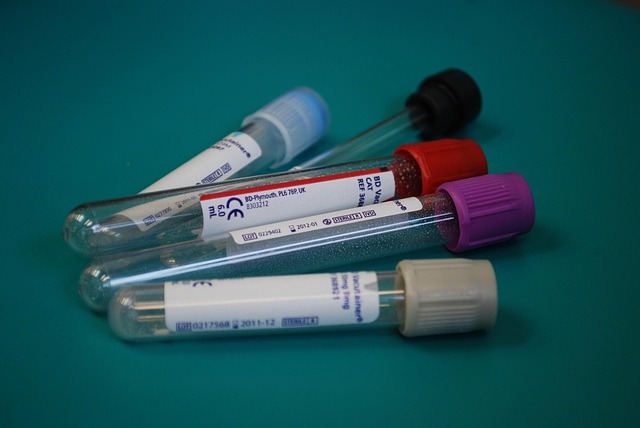
Related topic: This article is part of Biological Age Testing and Tracking. If you want the broader overview, start with Best Biological Age Test Guide: How Biological Age Tests Work And Compare. A longevity blood panel is a comprehensive set of blood tests designed to evaluate biomarkers associated with the aging process, disease risk, and overall health optimization. Unlike standard diagnostic panels that identify existing conditions, these tests provide predictive insights into your biological age and help guide preventive strategies.
The purpose of this testing centers on identifying subtle deviations in your health trajectory before they become chronic diseases. This guide walks you through which tests to include, who benefits most, and how to interpret your results for a healthier life.
Why Blood Tests Matter For Health Longevity
Specific biomarkers serve as quantifiable predictors of disease risk by reflecting underlying physiological processes like chronic inflammation, metabolic changes, and vascular dysfunction.
Here’s what makes this approach powerful:
- Markers like apolipoprotein B and hs-CRP can forecast cardiovascular events such as heart attack years before symptoms appear
- Research shows these biomarkers predict myocardial infarction more accurately than traditional metrics by 20-40%
- Early detection allows preventive interventions that can reduce cardiovascular disease events by 20-30%
However, these tests have limits. They cannot predict exact life expectancy due to genetics, environment, and unpredictable events. A single test is a snapshot, not a crystal ball. Longitudinal tracking over time provides far more valuable insights than isolated results.
Who Should Consider This Blood Test: Family History And Risk
Not everyone needs the full panel immediately, but certain groups benefit significantly from baseline screening.
People with family history of heart disease should prioritize testing. Genetic predispositions can elevate Lp(a) and apolipoprotein B levels, increasing cardiovascular mortality risk by 2-3 fold compared to the general population.
Adults showing signs of metabolic syndrome need assessment. Central obesity, high blood pressure, or impaired fasting glucose accelerate aging through chronic inflammation and endothelial dysfunction. Data suggests a 5-10 year reduction in healthspan if these conditions remain unaddressed.
Adults over 60 are prime candidates for screening age associated disorders. Renal function naturally declines post-40, and conditions like chronic kidney disease and non-alcoholic fatty liver disease affect 20-30% of this demographic.

Core Blood Tests To Assess Disease Risk
A well-designed longevity blood panel integrates markers across multiple systems. Here are the core blood tests to include:
| Category | Key Tests |
|---|---|
| Lipids | ApoB, LDL-C, HDL-C, Non-HDL-C, Triglycerides, Lp(a) |
| Blood Sugar | HbA1c, Fasting Glucose, Fasting Insulin |
| Kidney | eGFR, Urine Albumin-to-Creatinine Ratio |
| Liver | ALT, AST |
| Inflammation | hs-CRP, Homocysteine |
| Nutrients | Vitamin B12, Folate |
Prioritize tests that predict heart disease risk, as cardiovascular disease accounts for 30-40% of longevity-limiting events in developed nations.
Baseline testing intervals by age:
- Under 50 (healthy): Every 3-5 years
- 50-60: Every 2 years
- Over 60 or with risk factors: Annually
Lipids: Apolipoprotein B And HDL Cholesterol
The apolipoprotein B apob test measures the total number of atherogenic lipoprotein particles. Each ldl particle (low density lipoprotein) carries one ApoB molecule, and it’s the particle count—not just total cholesterol—that drives atherosclerosis.
The apob test measures your actual risk more accurately than ldl cholesterol alone. Meta-analyses show ApoB outperforms LDL-C in predictive power for cardiovascular events by 20-40%.
HDL cholesterol (high density lipoprotein), via its primary protein ApoA1, promotes reverse cholesterol transport, helping remove excess cholesterol from blood vessels. Low levels (under 40 mg/dL) associate with 2-3x higher coronary risk.
Reporting recommendations:
- Report ApoB alongside LDL and non hdl cholesterol
- Flag discordant cases (normal LDL-C but high ApoB) which occur in 20-30% of patients
Target ranges for high-risk patients:
- ApoB: under 80 mg/dL
- HDL: over 60 mg/dL
- Triglyceride:HDL ratio: under 2 (indicates low insulin resistance)
Blood Sugar: Diabetes Screening And Insulin Resistance
HbA1c provides a 2-3 month average blood sugar measure, capturing glycation risks that promote aging tissue degeneration and vascular damage.
Target thresholds:
- Optimal for longevity: under 5.7% (39 mmol/mol)
- Diabetes threshold: 6.5% or higher
Fasting glucose (ideal 70-99 mg/dL) establishes an acute baseline. But for suspected insulin resistance, you need more information.
Add fasting insulin (optimal under 10 μU/mL) or calculate HOMA-IR:
HOMA-IR = (fasting glucose × fasting insulin) / 405
A HOMA-IR above 2.5 predicts diabetes onset within 5-10 years for 50% of cases. This matters because insulin resistance often precedes abnormal glucose readings by years.
Kidney And Liver Function: Chronic Kidney Disease Screening
Include eGFR (estimated glomerular filtration rate) to screen for chronic kidney disease. Stage 2 CKD (60-89 mL/min/1.73m²) already flags 2-4x increased risk of cardiovascular mortality.
The urine albumin-to-creatinine ratio (under 30 mg/g is normal) identifies microalbuminuria—early endothelial damage present in 20-40% of people with high blood pressure.
For liver health, include:
- ALT (optimal: under 30 U/L for men, under 20 U/L for women)
- AST (optimal: under 35 U/L)
Serial elevations above 2x upper limit signal potential non-alcoholic fatty liver disease, which affects 25% of adults and links to developing cardiovascular insufficiency.
Inflammation, Homocysteine, And Age-Associated Disorders
Include hs-CRP to measure systemic inflammation. Unlike acute inflammation from infection, elevated hs-CRP reflects the chronic inflammation driving 30-50% of age related diseases.
hs-CRP interpretation:
- Under 1 mg/L: Optimal
- 1-3 mg/L: Average risk
- Over 3 mg/L: Higher risk
Add homocysteine testing. Levels above 15 μmol/L independently raise cardiovascular disease and cognitive decline risk by 20-30% via endothelial toxicity.
When homocysteine is elevated, screen vitamin B12 (deficiency threshold under 400 pg/mL) and folate (deficiency under 3 ng/mL). Impaired homocysteine metabolism lead to vascular and neurological damage, but supplementation can lower levels by 25-30%.
Cognitive Impairment And Alzheimer’s Disease Markers
Elevated homocysteine serves as a cognitive risk signal, with odds ratios of 1.4-2.0 per 5 μmol/L increment for incurable neurodegenerative disorders.
For patients with concerning test results or clinical symptoms, consider neurodegeneration biomarkers like neurofilament light chain (NfL). These can help identify neurodegenerative diseases and Alzheimer’s disease risk earlier.
When labs suggest cognitive impairment risk, refer for formal cognitive screening (MoCA or MMSE). Early intervention can halve progression rates in clinical trials.
Extended Tests For Personalized Risk Profiling
When standard results are borderline or family history is strong, consider these additions:
Lipoprotein subfraction testing (NMR spectroscopy) identifies small dense LDL particles (pattern B), which confer 3x cardiovascular events risk compared to larger particles.
GlycA is an NMR-derived glycoprotein signal that reflects chronic inflammation more stably than hs-CRP. Values above 400 μmol/L warrant attention.
Genetic panels (PCSK9, APOE variants) reveal polygenic risk scores predicting 10-20% of lifespan variance. These are particularly valuable when family history suggests inherited cardiometabolic risk.
These extended tests add nuance but increase costs 2-5x over core panels. Reserve them for cases where basic screening doesn’t explain the clinical picture.

Interpreting Results And Clinical Follow-Up
Contextualize results against absolute cardiovascular insufficiency risk calculators like the ASCVD score. An ApoB above 130 mg/dL significantly boosts 10-year event probability.
For borderline abnormalities:
- Mediterranean diet reduces inflammatory markers 20-37% in randomized trials
- Regular exercise lowers hs-CRP by approximately 30%
- Targeted supplementation addresses nutritional deficiencies
When to refer:
- Cardiology: ApoB over 100 mg/dL or Lp(a) over 50 mg/dL with symptoms
- Nephrology: eGFR under 60 or urine albumin progressing over 20% annually
These thresholds predict 50% event escalation if unaddressed. Don’t delay specialist involvement when markers cross into high-risk territory.
Designing A Personalized Testing Schedule By Age
Your testing frequency should match your risk profile:
| Risk Category | Recommended Frequency |
|---|---|
| Healthy adults 30-50 | Every 3-5 years |
| Adults with metabolic syndrome or family history | Every 1-2 years |
| Adults on lipid or glucose therapy | Annually |
| Post-60 with multi systemic disorders | Annually |
Longitudinal data reveals trends missed in single tests. A 5% eGFR drop per year signals intervention needs, while stable readings confirm your current approach is working.
The goal isn’t just measuring—it’s tracking changes over time. A 10-20% rise in ApoB between tests demands attention even if you’re still technically in range.
Communicating Results To Patients And Clinicians
Write patient-friendly result summaries that translate numbers into meaning:
“Your ApoB of 95 mg/dL is slightly elevated. Think of it like extra traffic in your arteries. Diet adjustments can lower it by 15% within months.”
Prepare clinician-facing technical notes that highlight:
- Discordance between markers (e.g., ApoB/LDL ratio above 0.8 flags particle excess)
- Trends from previous panels
- Recommended follow-up timeline
Include actionable next steps with each abnormal result. Repeat hs-CRP in 3 months if above 2 mg/L. Check thyroid stimulating hormone if metabolic markers are unexpectedly abnormal. These specifics prevent results from becoming dead ends.
Practical Considerations For Panel Implementation
Sample collection and fasting:
- Fast 8-12 hours for glucose and lipid panel test accuracy
- Non-fasting is valid for hs-CRP and Lp(a)
- Morning draws provide most consistent results
Cost considerations:
- Core panels: $200-500 out-of-pocket
- Extended panels: $500-1000
- Insurance often covers lipid panel measures and glucose for documented risk factors
Lab recommendations:
- Use CLIA-certified labs (Quest, LabCorp)
- Look for coefficient of variation under 5% for reproducibility
- Repeat abnormal values within 4-6 weeks to rule out lab error (5-10% variance is normal)
Your healthcare provider can help navigate insurance coverage and select appropriate testing facilities.
FAQs And Common Patient Concerns
Why might ApoB differ from LDL cholesterol?
ApoB counts particles while ldl cholesterol measures cholesterol content. You can have normal LDL-C but high ApoB if your particles are small and dense. This explains 25% of residual cardiovascular events in patients with “controlled” lipids.
What does mildly elevated hs-CRP mean?
A reading of 1-3 mg/L implies ongoing low-grade inflammation promoting atherosclerosis—a 20% event increase. This isn’t from acute infection but rather lifestyle-modifiable aging cell processes. Exercise and dietary changes can drop levels by 30%.
When should I repeat abnormal blood test results?
- HbA1c 5.8-6.4%: Quarterly monitoring
- Elevated homocysteine: Repeat in 4-6 weeks
- Borderline lipids: 3-6 months after lifestyle intervention
Single tests vary 5-15% biologically. Average serial results for a deeper understanding of your true baseline and general health trajectory.
Key Takeaways
- A longevity blood panel goes beyond standard diagnostics to assess biological age and disease control priorities
- Core tests include ApoB, HbA1c, eGFR, hs-CRP, and homocysteine
- Testing frequency should increase with age and risk factors
- Interpreting trends over time matters more than single snapshots
- Early detection enables interventions that extend both lifespan and long term health
The data from these panels supports cell functions optimization, identifies mitochondria dysfunction early, and tracks how lifestyle habits affect your cellular energy production and immune function. Combined with aging research advances, this approach represents your best tool for understanding how advancing age affects your body—and what you can do about it.
Talk to your healthcare provider about establishing your baseline panel. The insights you gain today shape the interventions that protect your nitric oxide synthase pathway, prevent older develop hypertension patterns, and reduce your risk of inflammatory bowel disease and other age associated diseases tomorrow.
Related reading
- Best Biological Age Test Guide: How Biological Age Tests Work And Compare
- CGM for Longevity: A Practical Guide to Continuous Glucose Monitoring and Blood Sugar Control
- DEXA Scan Longevity Guide: Body Composition, Bone Health, and Metabolic Rate
- VO2 Max, Longevity, And How To Improve Cardiorespiratory Fitness