Related topic: This article is part of Demographic and Budget Protocols. If you want the broader overview, start with Personalized Longevity Protocols: A Practical Guide to Extending Healthspan. Most athletes train hard. Few train smart enough to stay athletic at 70.
A longevity protocol for athletes isn’t about backing off—it’s about strategic programming that preserves what matters: muscle mass, aerobic fitness, movement quality, and the body’s ability to recover. This blueprint covers strength training, cardiovascular health, nutrition, recovery modalities, and monitoring tools that support longevity across decades, not just seasons.
The goal spans four domains: lifespan, healthspan, fitspan, and athletispan. You’re measuring success by how long you can maintain an active lifestyle with energy levels that let you perform when it counts.
Strength Training for Longevity
Strength training forms the foundation. Schedule 2–4 weekly sessions depending on your current fitness level and recovery capacity.
Frequency guidelines by tier:
| Level | Sessions/Week | Duration | Rep Range |
|---|---|---|---|
| Basic | 2 full-body | 20-30 min | 6-12 reps |
| Intermediate | 3 push/pull/legs | 30-40 min | 6-12 reps |
| Advanced | 3-4 periodized | 40-50 min | Varied |
Prioritize compound movements that build functional capacity: squats, hinges, presses, rows, and carries. These movements train multiple joints and muscle groups simultaneously, improving coordination and overall health outcomes. Always maintain proper form during all strength training exercises to maximize effectiveness and prevent injury.
For joint longevity, substitute high-impact exercises with lower-risk variations. Swap back squats for goblet squats or leg presses. Replace barbell rows with single-arm dumbbell rows. Consider kettlebell swings for hip power without spinal loading.
Progressive overload remains essential, but autoregulation matters more as you age. Track how you feel before adding weight. If fatigue runs high or stress levels spike, maintain current loads rather than pushing progress at all costs.
Cardiovascular Health and Disease Prevention
Cardiovascular disease remains the leading threat to long term performance and life itself. Your cardio programming should address both aerobic capacity and metabolic health.
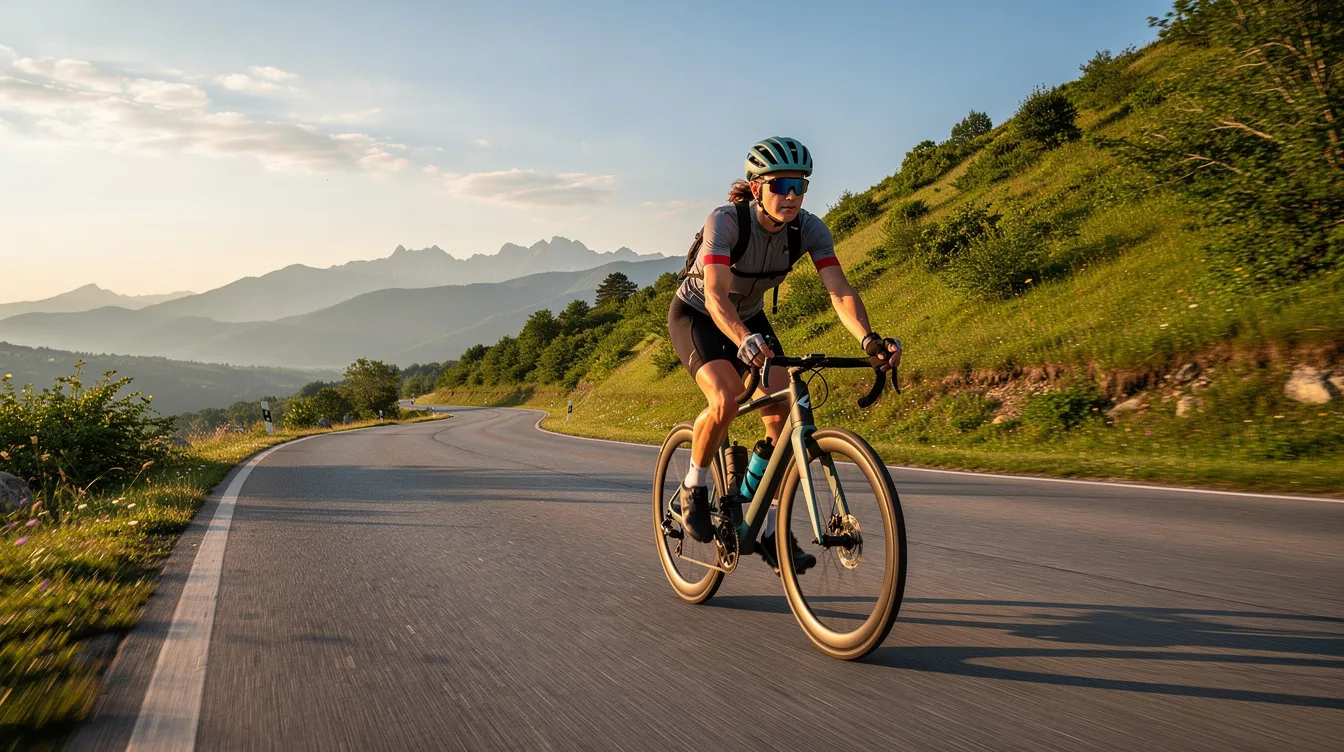
Zone 2 aerobic sessions (3x weekly): Aim for 150 minutes of moderate intensity activity per week. Zone 2 intensity means you can hold a conversation but not sing. This builds mitochondrial function and improves circulation without excessive fatigue.
HIIT sessions (1x weekly): Structure intervals as 8 rounds of 1 minute hard effort followed by 1-2 minutes easy recovery. High intensity training protects muscle mass, combats insulin resistance, and maintains the central nervous system’s ability to recruit fast-twitch fibers. Research supports that both aerobic and HIIT training are effective for improving cardiovascular health and promoting longevity in athletes.
Low-impact cardio (recovery days): Swimming, cycling, or elliptical work keeps blood flowing without stressing joints. This supports recovery while maintaining aerobic fitness.
Weekly Training Template (Sample)
Here’s a practical seven-day structure that balances all training domains:
Day 1: Full-Body Strength + Zone 2 Cardio
- Goblet squats: 3x10
- Push-ups or bench press: 3x8
- Single-leg Romanian deadlifts: 3x8 each
- Rows: 3x10
- 30-minute Zone 2 walk or bike
Day 2: HIIT + Mobility
- 8x1 minute hard cardio intervals with 90-second rest
- 15 minutes hip and thoracic spine mobility work
- Focus on controlled breathing for nervous system regulation
Day 3: Strength with Flexibility Emphasis
- Lunges with overhead reach: 3x8 each leg
- Cable or band face pulls: 3x15
- Deadlifts or hip hinges: 3x6
- Loaded stretching between sets
Day 4: Short HIIT
- 6x1 minute intervals
- Active rest periods
- Total session: 20 minutes
Day 5: Maintenance Strength
- Lighter loads at 60-70% of normal
- Higher reps (12-15 range)
- Emphasis on movement quality over load
Day 6: Norwegian-Style Aerobic Protocol
- 4x4 minute intervals at 85-95% max heart rate
- 3 minutes active recovery between rounds
- Builds peak aerobic capacity
Day 7: Active Recovery + Mobility
- 20-30 minute easy walk in nature
- Full-body stretching routine
- Balance drills: single-leg stands, tandem walking
- Relaxation and tissue work
Mobility, Flexibility, and Movement Quality
Movement competency declines faster than strength if you ignore it. Daily mobility work protects joints and maintains function across your lifespan.
Daily mobility routine (5-10 minutes):
- Hip 90/90 switches
- Thoracic spine rotations
- Shoulder circles and wall slides
- Ankle mobility circles
Balance drills to preserve neuromuscular control:
- Single-leg stands (30 seconds each side)
- Eyes-closed balance challenges
- Walking lunges with rotation
Weekly progressive flexibility sessions: Schedule one dedicated 20-30 minute session focusing on hamstrings, hip flexors, and shoulders. Hold positions for 60-90 seconds to improve mood and tissue pliability. This investment pays dividends in injury prevention and movement quality.
Recovery Modalities: Red Light, Cold, Heat, Compression
Recovery isn’t passive. Strategic modalities reduce inflammation, support circulation, and accelerate tissue repair.
Red light therapy: Apply for 10-15 minutes post-workout targeting worked muscle groups. Red light supports cell growth and may improve performance recovery. Position panels 6-12 inches from skin.
Cold therapy guidelines:
- Timing: 2-4 hours post-training (not immediately after strength work)
- Duration: 3-5 minutes in cold plunge at 50-59°F
- Avoid cold immersion when muscle growth is the priority
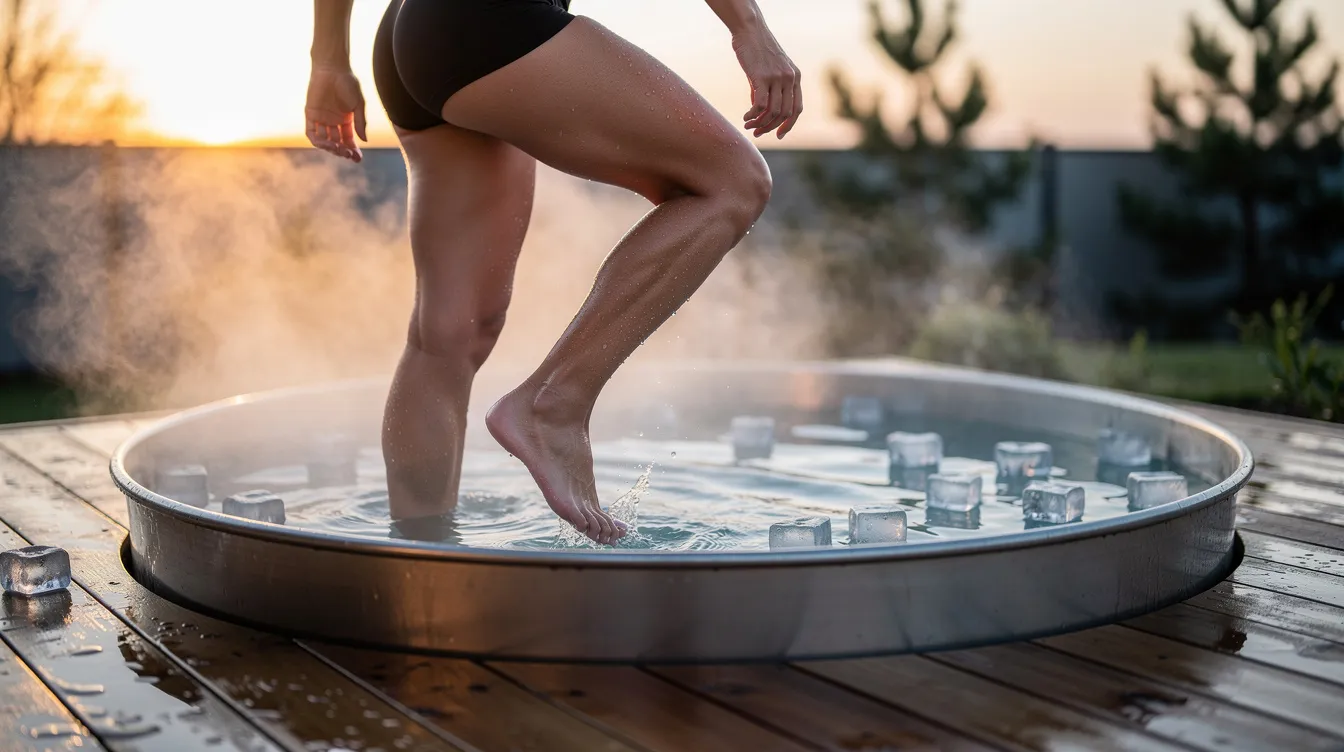
Infrared sauna sessions: Schedule 20-30 minute sessions 1-2x weekly. Contrast with cold exposure for enhanced circulation and stress adaptation.
Compression therapy: Use pneumatic compression boots for 20-30 minutes after intense leg sessions. This accelerates lymphatic drainage and reduces next-day soreness.
Nutrition To Support The Body’s Ability To Recover
Nutrition directly impacts recovery, inflammation, and body composition. The Mediterranean diet pattern shows the strongest evidence—a 25-year follow-up published in JAMA Network Open 2024 linked it with lower all-cause mortality.
Daily protein targets: Consume 2.0 grams per kilogram of bodyweight daily. This supports muscle mass preservation, especially critical as you age. Distribute protein across 3-4 meals for optimal absorption.
Carbohydrate timing: Front-load carbs around intense training sessions. Consume 30-50 grams within 2 hours post-workout to restore glycogen and support recovery.
Anti-inflammatory nutrient sources:
- Fatty fish (2x weekly minimum)
- Olive oil as primary cooking fat
- Leafy greens and berries
- Turmeric and ginger
Every calorie must fight for its life. Focus on nutrient density over volume.
Lab monitoring: Track vitamin D levels quarterly (target 40-60 ng/mL). Screen iron status annually, especially for endurance athletes and women. These markers directly impact energy and cognitive function.
Sleep, Stress, and Hormone Support For Peak Performance
High quality sleep is the world’s most powerful longevity tool. It underpins every healthy behavior including exercise, nutrition, and emotional resilience. Sleep drives down inflammatory cytokines, improves insulin sensitivity, and supports cognitive performance.
Sleep protocol:
- Set consistent bedtime within a 30-minute window
- Tech curfew 60 minutes before bed
- Target 7-9 hours nightly
- Cool bedroom (65-68°F)
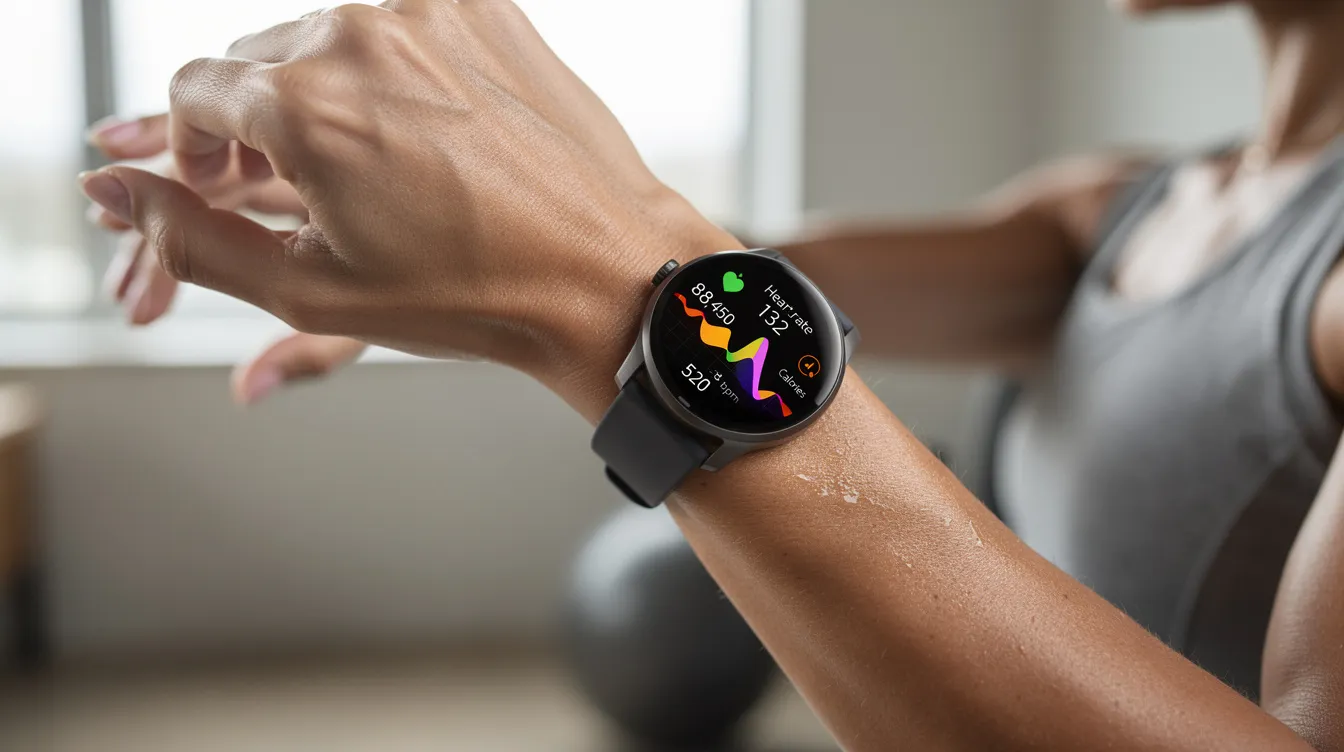
Heart rate variability tracking: Monitor HRV daily using a wearable or morning finger sensor. HRV reflects your nervous system’s recovery status and helps fine tune training load.
HRV-based training adjustments:
| HRV Status | Training Response |
|---|---|
| Above baseline | Train as planned |
| At baseline | Proceed with caution |
| Below baseline | Reduce intensity or rest |
Stress-reduction practices: Include 5-10 minutes of daily mindfulness, breathing exercises, or nature exposure. Community connection and activities that improve mood also support longevity—don’t neglect the psychosocial pillars of wellness.
Monitoring, Testing, and Metrics
Systematic review of your progress prevents guessing and enables course correction. Regular monitoring can lead athletes to make informed adjustments, guiding them to optimize their longevity protocol for better health and performance outcomes.
Baseline testing (perform annually):
- Strength testing: max reps at standardized loads for squat, push-up, and row movements
- VO2max testing: lab or field test to establish aerobic ceiling
- DEXA scan: measure visceral fat, lean mass, and bone density
Daily monitoring:
- Resting heart rate (morning, before rising)
- HRV (same time daily for consistency)
- Subjective readiness scores (1-10 scale for energy, mood, motivation)
Quarterly bloodwork panel:
- HbA1c (screen from age 35)
- ApoB and lipid panel
- High-sensitivity C-reactive protein (hs-CRP)
- Vitamin D
Track body composition via DEXA every 8-12 weeks. Waist circumference measured weekly at the navel provides a low-cost proxy metric between scans.
Safety, Medical Clearance, and Transition Planning
Medical clearance: Athletes with cardiovascular risk factors, metabolic conditions, or history of serious injury should obtain clearance before implementing advanced protocols.
Injury screening: Document prior injuries and current limitations. Modify exercises based on injury history—substitute movements that aggravate old issues with safer alternatives.
Exercise modification examples:
- Prior shoulder injury: replace overhead pressing with landmine presses
- Knee issues: swap deep squats for box squats or leg press
- Back concerns: use trap bar deadlifts instead of conventional pulls
Transition planning: Athletes moving from peak performance training to maintenance should plan a gradual taper. Reduce volume by 20-30% over 4-6 weeks rather than making abrupt changes. This prevents detraining while allowing accumulated fatigue to dissipate.
Implementation Checklist
Use these tools to build your personalized longevity protocol:
Weekly training calendar template:
- Map strength sessions, cardio sessions, and recovery days
- Schedule mobility work into existing sessions
- Plan rest days around life stress, not just physical load
Recovery modality schedule:
- Assign cold therapy, sauna, and compression to specific days
- Avoid stacking too many modalities post-workout
Nutrition and supplement plan:
- Calculate daily protein target (bodyweight kg × 2.0)
- Plan meal timing around training sessions
- Set vitamin D and iron testing reminders
Monitoring and testing calendar:
- Daily: HRV, resting heart rate, readiness score
- Weekly: body weight, waist circumference
- Quarterly: bloodwork panel
- Annually: DEXA, VO2max, strength testing
Key Takeaways
A longevity protocol for athletes balances strength, cardio, mobility, recovery, nutrition, and sleep into a sustainable system.
- Strength training 2-4x weekly with compound movements preserves muscle and function
- Zone 2 cardio builds aerobic base while HIIT maintains peak capacity
- Daily mobility work prevents the movement decline that sidelines aging athletes
- Recovery modalities like cold therapy and red light accelerate adaptation
- Mediterranean nutrition patterns with adequate protein support the human body’s repair processes
- Sleep and HRV tracking help control training load for sustainable progress
Start with the basics: consistent sleep, twice-weekly strength sessions, and Mediterranean eating patterns. Add complexity only after foundational habits achieve success. Build your protocol one habit at a time, and you’ll stay athletic for decades.