Related topic: This article is part of Expert Protocol Profiles. If you want the broader overview, start with Longevity Protocols 2026: Practical, Evidence-Guided Roadmap. This post delivers an authoritative update on longevity supplements as of early 2026, synthesizing the latest clinical evidence, mechanistic insights, and real-world applications, with a strong emphasis on the role of experts in interpreting and validating longevity supplement data. The focus is on human randomized controlled trials, epigenetic aging clocks, and emerging biohacking protocols—critically distinguishing hype from meaningful data-driven outcomes.
If you’re a health-conscious adult aged 40-70, a biohacker, clinician, or informed consumer seeking practical guidance without unsubstantiated promises, this update covers studies and trends from 2023-2026, prioritizing publications post-2024.
Overview Of Longevity Supplements
Longevity supplements are oral nutraceuticals or vitamins marketed to extend healthspan or lifespan by targeting age-related decline. These compounds typically work by boosting cellular repair, energy metabolism, or inflammation control.
Classification by purported mechanism includes:
- NAD+ precursors (NR, NMN) — elevating sirtuin activity; these are often considered favorites among users and experts for supporting healthy aging
- Senolytics (spermidine) — inducing autophagy
- Antioxidants/polyphenols (resveratrol) — activating SIRT1 pathways; resveratrol is another favorite in the longevity community
- Essential fatty acids (omega-3s) — modulating inflammation; omega-3s are frequently listed as a favorite for healthy aging
- Multivitamins/minerals — addressing micronutrient gaps linked to epigenetic aging; multivitamins are also a common favorite
Common marketing claims to challenge include promises of “reversing biological age by 10 years” or “mimicking caloric restriction.” There are many things—supplements, ingredients, and health strategies—marketed for longevity, but most of these things lack proven benefits and can be costly. These claims are often extrapolated from rodent models without human lifespan data, ignoring bioavailability issues where oral NMN yields only 1-2% systemic uptake.
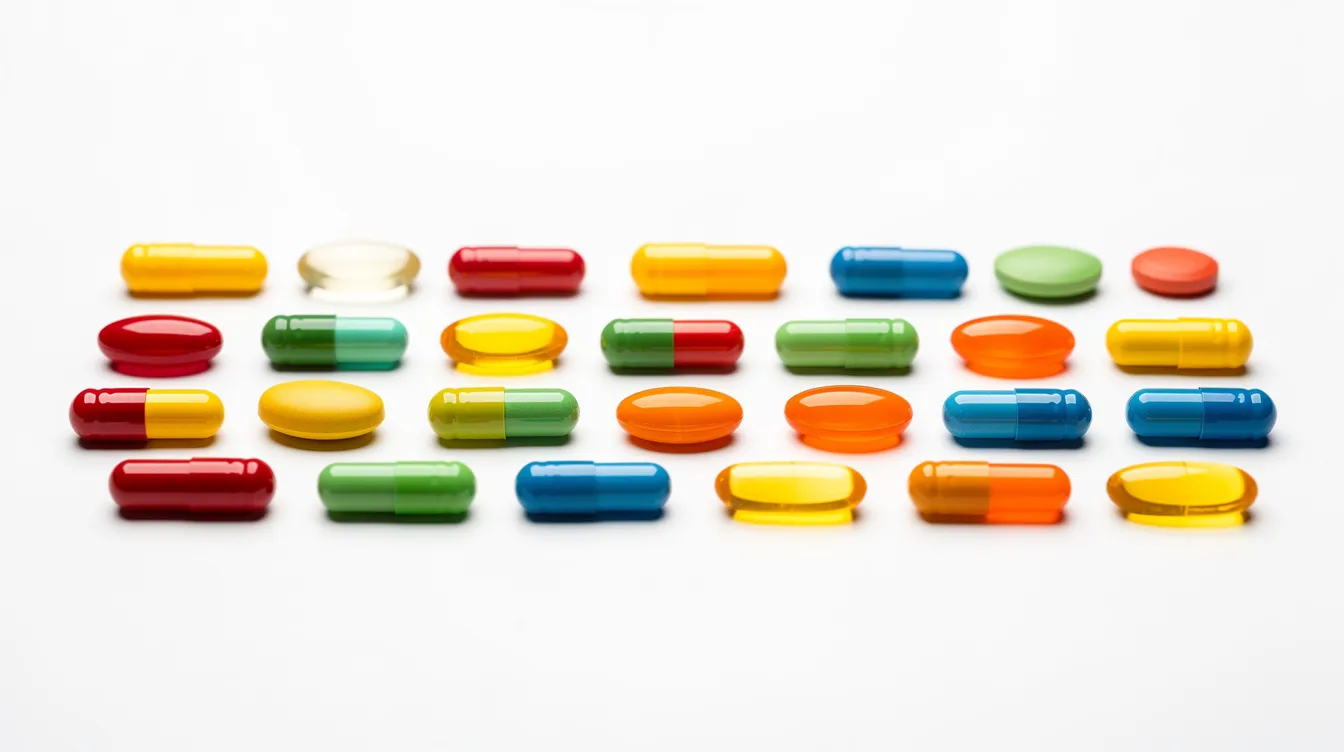
Popular Longevity Supplements And Claims
In recent years, longevity supplement updates have focused on evidence-based ingredients and the ease of taking these supplements as part of a daily routine, making them accessible for most users.
Nicotinamide Riboside (NR)
A vitamin B3 derivative and NAD+ precursor. Human RCTs show 40-60% NAD+ elevation at 300-1000mg daily doses. A 2025 review of 12 trials notes improved muscle insulin sensitivity and reduced inflammatory markers (IL-6 down 15-20%) in middle-aged adults.
Nicotinamide Mononucleotide (NMN)
Structurally upstream of NR, NMN surged after 2016 mouse lifespan extension data. 2024-2026 human trials demonstrate safe NAD+ boosts up to 2-fold at 600mg/day, with 10-15% better aerobic capacity in prediabetics. Purity concerns persist—2026 industry tests reveal 20-30% of products underdosed or contaminated.
Resveratrol Formulations
Originating from 1990s “French paradox” research, resveratrol claims SIRT1 activation. Micronized versions achieve 5-10x better absorption over standard powder. A 2025 meta-analysis of 15 RCTs shows modest HDL rises (4-8mg/dL) but no consistent epigenetic clock reversals. Resveratrol is considered a good option for supporting cardiovascular health.
Omega-3 and DHA/EPA Products
Backed by decades of data associating high blood levels with 15-20% lower cardiovascular mortality. High-dose algal DHA (1-2g/day) RCTs in 2025 report improved cognitive processing speed and telomere length preservation. Omega-3 supplements are a good choice for maintaining brain and heart health. Oxidation risks affect 10-15% of formulations.
Vitamin D and Multivitamins
COSMOS trial subanalysis (n=973, age ~70) revealed daily MVM slowed PCGrimAge clock by 0.113 years/year over 2 years versus placebo, equating to 3-7% lower 10-year cancer risk. Trace minerals and foundational nutrients matter here.
Some comprehensive, health-focused routines also include creatine for supporting athletic performance and recovery.
Evidence And Long Term Health Benefits
Randomized human trial results for longevity supplements remain sparse on direct lifespan endpoints. Zero long-term studies (20+ years) demonstrate lifespan extension due to ethical infeasibility.
A 2025 Chinese Longitudinal Healthy Longevity Survey of 2,877 centenarians found only 10.7% females and 12.3% males used supplements—with median duration 2-10 years. This implies supplements play a minor role compared to lifestyle factors in determining longevity.
When considering meaningful long-term health benefits, it’s important to clarify what healthy aging means: maintaining physical, mental, and functional well-being, not just increasing lifespan.
Long term health benefits warrant skepticism:
- MVMs link to modest chronic disease risk reductions (8% CVD drop in COSMOS)
- NR/NMN show surrogate improvements (NAD+ up) but no hard outcomes
- There are plenty of biochemical changes associated with aging, but not all are causative—changes in singular markers like NAD levels may not directly impact longevity.
- Epigenetic clock shifts predict mortality but lack causal proof
Priority future research outcomes: composite CV events, dementia incidence, and frailty scales in 5-10 year RCTs of high-risk cohorts (n=5000+).
How To Evaluate Studies
When evaluating evidence, check these factors:
| Factor | What to Look For |
|---|---|
| Sample size | Favor n>500 for RCTs; small trials inflate effects |
| Follow-up duration | Prioritize 2+ years over 12-week snapshots |
| Endpoints | Clinical endpoints (MI incidence) over surrogate biomarkers |
| Funding | 60% of longevity trials are industry-funded, inflating effect sizes 1.5-fold |
Independent replication, like NIH’s pending NMN phase III, is essential.
Cellular Health Mechanisms
NAD+ serves as a redox coenzyme shuttling electrons in over 500 reactions. By midlife, NAD+ declines 20-30%, crippling ATP production and sirtuin deacetylases that support dna repair (10^5 strand breaks daily per cell).
Mitochondrial dysfunction—marked by mtDNA mutations accumulating 10-fold with age—underpins 70% of age-related diseases. NAD+ precursors replenish pools via the salvage pathway, restoring complex I-IV activity up 20-30% in trials. These improvements in mitochondrial and cellular health are crucial not only for energy production but also for heart health and optimal cardiovascular function.
Cellular senescence triggers tissue dysfunction through SASP secretion. NAD+ depletion upregulates p16INK4a (2-3x higher in old tissues), while senolytics like spermidine clear 15-25% senescent burden in mouse models—though human data lags.
When considering supplement absorption and bioavailability, certain formulations such as liquid vitamins are easier on digestion and may cause fewer stomach issues compared to pills, supporting better gut health and overall nutrient uptake.

Safety, Dosing, And Interactions
Common adverse effects to monitor:
- NR/NMN at 1000mg/day: < 5% adverse events, mild GI upset
- Resveratrol up to 1g: rare diarrhea (3-7%)
- Omega-3s at 4g+ EPA: bleed prolongation risk (RR 1.2-1.5 with anticoagulants)
- Vitamin D >4000IU chronic: hypercalcemia (1-2% incidence)
High-dose protocols (>2g NMN) report transient liver enzyme elevations in 5-10%.
Clinician oversight is essential for polypharmacy. NMN inhibits OATP1B1 (overlap with statins), resveratrol boosts warfarin INR, and omega-3s potentiate antiplatelets. Screen interactions before advising any product.
Dosing sweet spots: NR 300-500mg, NMN 600mg sublingual, resveratrol 250mg with food, MVM per RDA x1-2.
Practical Guidance For Users
Before starting any supplement regimen:
- Baseline biomarker testing: NAD+ (ELISA >20µM youth), HbA1c, hsCRP, 25OHD (>30ng/mL), GrimAge clock via blood methylation arrays (~$300)
- Start foundational: MVM + D3 (2000IU) + omega-3 (1g EPA/DHA) yielded COSMOS benefits before add-ons. The reason for prioritizing these foundational steps is that they address core health needs and provide a strong base for any longevity strategy.
- Establish a consistent bedtime: Setting a regular bedtime supports sleep quality, circadian rhythms, and overall health, which are crucial for longevity.
- Track quarterly: Use wearables for VO2max, HRV; monitor energy, sleep, skin quality, and cognition. Making your longevity efforts more effective involves combining supplements with healthy habits and routines.
- Titrate or discontinue: If no 3-6 month gains, reconsider the approach
Supplements cannot replace foundational lifestyle habits like diet, exercise, and sleep. They are intended to support or enhance your efforts, not substitute for these irreplaceable routines.
Your physician can help determine what works for your body based on stress levels, exercise habits, and metabolic health.
Market Trends And Regulation
Market trends in 2026 pivot to “prolongevity” personalization. Pharmaceutical-grade NMN (99.5% purity, $2-5/g) now outsells consumer blends amid FDA crackdowns on unapproved anti aging claims.
- US DSHEA: Permits structure-function claims (“supports cellular energy”) but bans disease cures
- EU EFSA: Rejects 70% of NAD+ petitions for lack of RCTs
- China: Mandates registration; 10% supplement use in centenarians underscores evidence gaps versus $50B global sales
Be wary of influencer-driven hype that doesn’t match clinical evidence.
Bryan Johnson Case Study: Biohacking And Supplements
Bryan Johnson, tech entrepreneur behind Blueprint protocol (2022 launch, $2M/year spend), exemplifies supplement-heavy biohacking. His daily routine includes 100+ compounds:
- 1g NMN
- 500mg NR
- 1g resveratrol
- 2g omega-3
- High-dose D3/K2
- MVMs
Layered atop plasma exchanges, 1800kcal vegan diet, 8.5 hours of sleep per night, and 60 minutes daily of resistance training and HIIT, Johnson claims 0.69 biological age pace and top 1% biomarkers at age 47.

Reproducible elements for general readers include his MVM foundation (mirroring COSMOS), omega-3 priority (blood levels 8-12% total fatty acids), NAD+ stack (morning dose), and consistent exercise.
Scalability issues: Core cost exceeds $300k/year. Plasma dialysis remains inaccessible (efficacy unproven, infection risk 1-2%).
Lessons From Bryan Johnson
What to take away:
- Validate basics (DHEA, VO2max tracking) over exotic ingredients
- Don’t conflate anecdotes (n=1) with evidence—his 20% body fat drop lacks generalizability
- Pragmatic swaps: $50/month MVM + daily walks + nuts and seeds can substitute 80% of value at 1% cost
The question isn’t whether Johnson’s protocol works for him—it’s whether the important elements can work for people with normal budgets and time constraints.
Editorial Recommendations And Update Checklist
| Supplement | Key Mechanism | Evidence Grade | Monthly Cost |
|---|---|---|---|
| NMN | NAD+ +100% | B | $100 |
| NR | NAD+ +50% | A (safety) | $80 |
| Resveratrol | SIRT1 +20% | C | $30 |
| Omega-3 | Resolvins +30% | A | $25 |
| MVM | GrimAge -0.11yr/yr | A | $15 |
Expert quote: Howard Sesso (Mass General): “Multivitamins fill deficits slowing clocks, especially in accelerated agers.”
Update checklist:
- Recheck PubMed RCTs quarterly
- Validate purity via NSF/USP certifications
- Refresh clocks with 2027 COSMOS-2 data when available
Feel free to reach out via email if you love this story and want updates. At the end of the day, the ability to make meaningful progress on longevity comes from evidence-based care—not marketing claims on a bottle. Schedule time to review your regimen with a physician, track what works, and stay skeptical of easy promises.
Related reading
- Longevity Protocols 2026: Practical, Evidence-Guided Roadmap
- Bryan Johnson Blueprint Protocol: Stack, Longevity Mix, and Practical Guide
- Bryan Johnson, Rapamycin, and the Blueprint Protocol: mTOR, Biological Age, and T Cells
- Valter Longo Longevity Protocol: Fasting-Mimicking Diet And Longevity Diet Guide