Related topic: This article is part of Emerging and Fringe Protocols. If you want the broader overview, start with Emerging Longevity Protocols: Practical Outline for Research and Practice. The pursuit of extended healthspan has driven interest in compounds that target cellular aging at its source. Methylene blue has emerged as one of the more intriguing candidates in longevity circles, with claims ranging from dramatic lifespan extension to cognitive enhancement and skin rejuvenation.
This article provides a balanced, evidence-based evaluation of methylene blue longevity claims, separating hype from scientific reality for informed decision-making. The target audience includes clinicians evaluating patient requests, biohackers seeking reliable data, and health enthusiasts navigating the supplement landscape.
In this context, longevity refers to extending healthspan—the duration of life spent in good health—by mitigating age-related declines in mitochondrial function, oxidative stress, and cellular senescence. The focus centers on preclinical and early clinical indicators like improved cognitive function, skin health, and reduced neurodegeneration rather than maximal lifespan alone.
What you will learn:
- The historical journey of methylene blue from textile dye to medicine
- How molecular mechanisms affect mitochondria and energy production
- What clinical trials actually show versus online claims
- Safety concerns and drug interactions to monitor
- How methylene blue compares to other mitochondrial supplements
- Practical guidance for those considering experimentation

What Is Methylene Blue? Synthetic Dye and Drug History
Methylene blue, chemically known as methylthioninium chloride, holds the distinction of being the first fully synthetic dye ever created. Heinrich Caro discovered this compound in 1876, initially developing it for textile staining applications. Its vibrant blue color and unique redox properties made it particularly effective for dyeing cotton and silk fabrics.
The transition from textile dye to medicine occurred remarkably quickly. By 1891, Paul Guttmann and Paul Ehrlich used methylene blue to treat 12 malaria patients successfully at doses of 100-300 mg daily. This marked one of the earliest chemotherapeutic successes in medical history and demonstrated that a synthetic compound could have therapeutic potential in humans.
Historical medical applications include:
- Antimalarial treatment (1891-1930s)
- Urinary tract infection therapy
- Cyanide poisoning antidote
- Surgical stain for tissue visualization during procedures like sentinel lymph node biopsies
- Methemoglobinemia treatment by the early 20th century
The compound works by reducing ferric iron in hemoglobin back to ferrous form via its electron-transfer capabilities, explaining its effectiveness against methemoglobinemia.
Pharmaceutical vs. Industrial Grade Distinction
One critical consideration for anyone interested in methylene blue involves sourcing quality. The difference between pharmaceutical and industrial grades is not merely academic—it carries significant health implications.
| Grade | Purity | Heavy Metal Limits | Intended Use |
|---|---|---|---|
| Pharmaceutical (USP) | >99% | < 5 ppm lead | Human therapeutic use |
| Industrial | Variable | May contain arsenic, lead | Textile dyeing, aquariums |
Industrial grades used for dyes or aquarium treatment contain impurities like arsenic or heavy metals that pose toxicity risks if ingested. The USP certification indicates the compound has been purified to strict standards for human use. This distinction becomes especially important when evaluating dietary supplements claiming to contain methylene blue.
Approved Medical Uses and Treat Malaria History
The FDA approves methylene blue primarily for acquired methemoglobinemia at intravenous doses of 1-2 mg/kg administered over 5 minutes. This treatment proves effective in 80-90% of cases within 30-60 minutes by acting as a cofactor for NADPH methemoglobin reductase. The compound also holds orphan drug status for ifosfamide-induced encephalopathy.
Early Antimalarial Applications
Methylene blue served as a frontline antimalarial from 1891 through the 1930s, demonstrating effectiveness against Plasmodium falciparum at doses of 300-500 mg daily for 3 days. However, quinine eventually replaced it due to better tolerability. Modern researchers have revived interest in methylene blue for addressing Plasmodium vivax resistance, suggesting this historical application may find renewed relevance.
Current Clinical Settings
Beyond methemoglobinemia, several clinical scenarios utilize methylene blue:
Vasoplegic shock rescue therapy: Doses of 1.5-2 mg/kg IV have demonstrated ability to improve mean arterial pressure by 20-30% in clinical trials, making it valuable when standard vasopressors prove insufficient.
Parathyroid gland identification: During thyroid surgery, methylene blue stains hyperfunctioning parathyroid glands intensely within 2-5 minutes, aiding surgical identification and removal.
Septic shock adjunct: Research continues into methylene blue’s role in treating septic shock, though this remains an area of ongoing investigation rather than established practice.
These fda approved indications represent settings where the body requires intervention to restore normal physiological function, typically involving severe disruption to red blood cells or vascular tone.
Mechanisms: Mitochondrial Effects and Mitochondrial ROS
Understanding why methylene blue interests longevity researchers requires examining its effects at the cellular level. The compound functions as an electron cycler in the mitochondrial electron transport chain, and this mechanism explains many of its proposed health benefits.
Research published in ‘Free Radic Biol Med’ highlights the importance of oxidative stress, mitochondrial function, and antioxidant strategies in aging, supporting the investigation of methylene blue as a potential therapeutic agent for longevity.
The Electron-Shuttling Mechanism
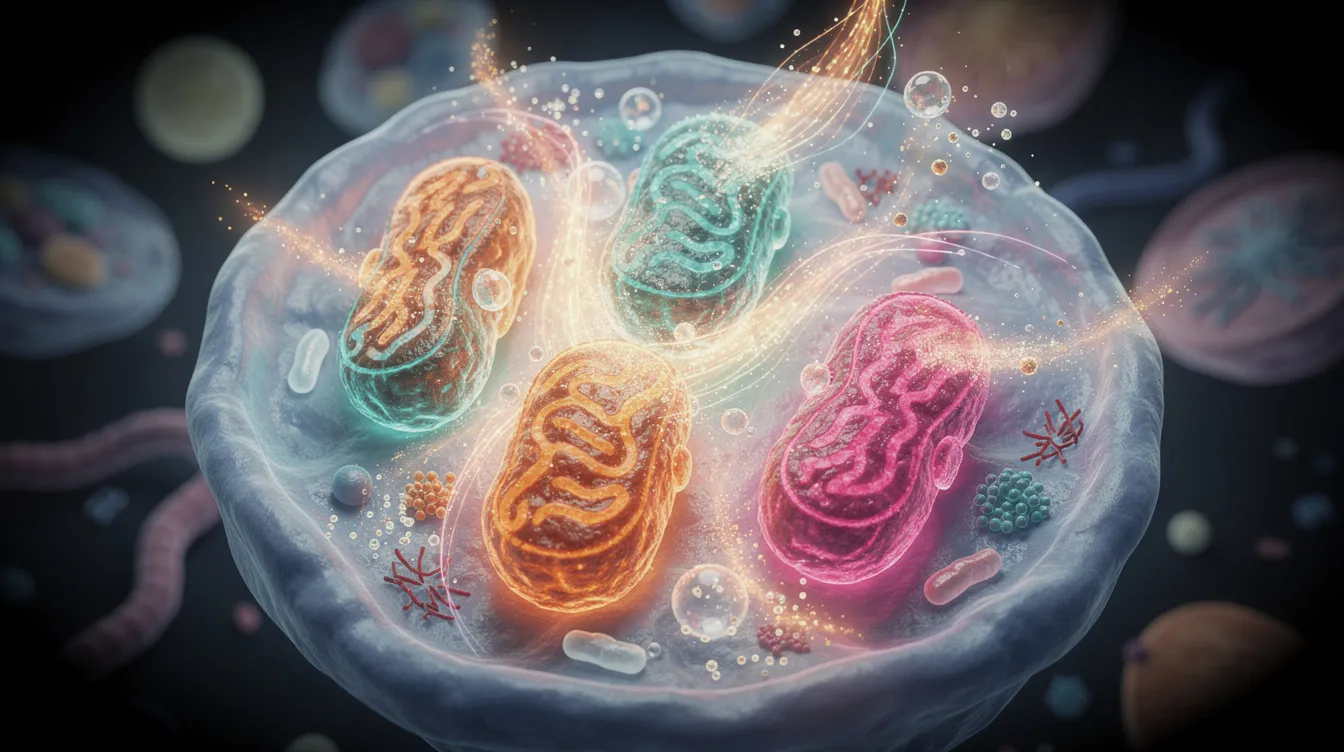
Mitochondria generate energy through a series of protein complexes (I through IV) that pass electrons along to ultimately produce ATP. Age-related decline often impairs complex I and complex III, reducing energy production and increasing harmful byproduct generation.
Methylene blue bypasses these impaired complexes by:
- Accepting electrons from nicotinamide adenine dinucleotide (NADH) or Complex II
- Donating electrons directly to cytochrome c oxidase (Complex IV)
- Auto-oxidizing to regenerate its reduced form (leucomethylene blue)
- Repeating this catalytic cycle continuously
This shuttling mechanism maintains the proton motive force necessary for atp production even when normal electron transport chain components function poorly. At low concentrations (0.1-5 μM), cell studies suggest ATP enhancement of 30-70% in dysfunctional mitochondria.
Mitochondrial ROS Reduction
One key factor in aging involves mitochondrial ros—reactive oxygen species generated as byproducts of energy production. These free radicals damage cellular components over time, contributing to age-related decline. The ability to reduce oxidative stress at its mitochondrial source represents a primary interest for longevity applications.
Methylene blue demonstrates ability to reduce mitochondrial reactive oxygen species by 50-85% in cell models through several mechanisms:
- Redirecting electrons away from superoxide-generating sites
- The catalytic regeneration cycle prevents electron accumulation
- Direct scavenging of certain free radical production
The enzymes involved in normal electron transport become less efficient with age, leading to more “electron leak” and subsequent ROS generation. By providing an alternative electron pathway, methylene blue may reduce this problematic leak.
Cellular Uptake and Tissue Distribution
As a lipophilic cation, methylene blue crosses cell membranes readily. Its positive charge causes accumulation in mitochondria (which maintain negative membrane potential), reaching concentrations 10-100 fold higher inside mitochondria than in surrounding cytoplasm.
This preferential mitochondrial accumulation explains why effects on mitochondrial health appear prominent in research. Studies on progeroid fibroblasts (cells from patients with accelerated aging conditions) demonstrated that methylene blue treatment restored nuclear lamina integrity indirectly through improved bioenergetics, suggesting benefits may extend beyond direct mitochondrial effects.
The molecular mechanisms underlying these observations remain under active investigation, but the pattern of electron shuttling, ROS reduction, and mitochondrial concentration provides a plausible framework for understanding reported effects.
Health Benefits Claims Versus Evidence
The gap between online claims about methylene blue and the supporting evidence requires careful examination. Common assertions include dramatic figures that often trace back to specific animal studies or in vitro experiments rather than human trials.
Frequently encountered online claims:
- 20-30% lifespan extension
- 85% reduction in cognitive decline
- Neuroprotection against Alzheimer’s disease
- Skin rejuvenation and anti-aging effects
- Significant energy boosts and reduced brain fog
These numbers typically originate from preclinical research, and extrapolating animal or cell culture results to humans requires significant caution. The body processes compounds differently than isolated cells, and rodent physiology differs meaningfully from human physiology. Methylene blue has shown promise in early studies for protecting mitochondria and slowing cellular aging, but these effects have not yet been confirmed in humans.
Evidence Quality Assessment
| Evidence Type | Strength | Limitations |
|---|---|---|
| Cell culture studies | Strong mechanistic support | No organism-level validation |
| Rodent models | Moderate for disease models | Species differences in metabolism |
| Small human trials | Weak to moderate | n< 100, often open-label design |
| Large RCTs | Currently absent for longevity | —
Human studies showing beneficial effects remain sparse, small-scale (typically under 100 participants), and often employ open-label designs that introduce bias. Phase II trials provide preliminary signals but lack the statistical power and design rigor of phase III randomized controlled trials.
The magnitude of effects observed in humans appears modest compared to preclinical promises—for example, 10-15% improvements in cognitive assessment scores in Alzheimer’s subsets versus the 85% figures sometimes cited online. Quality ratings by independent experts generally fall in the low category due to reanalyses of failed trials and concerns about publication bias.
Preclinical Studies on Mitochondrial Dysfunction and Longevity
Animal and cell culture research provides the strongest scientific support for methylene blue’s potential effects on aging-related processes. Understanding this evidence base helps contextualize both the excitement and the limitations.
Key rodent findings:
Subcutaneous methylene blue administration at 0.5-4 mg/kg extended lifespan by 10-20% in mouse models of tauopathy (a type of neurodegeneration). These effects correlated with reduced tau aggregation and decreased neuroinflammation. Brain tissue analysis revealed 25-50% increases in mitochondrial complex IV activity, suggesting direct mitochondrial enhancement.
Studies using 3xTg-AD mice (a model for Alzheimer’s disease pathology) showed improved cognitive scores on behavioral assessments following methylene blue treatment. However, these models represent accelerated disease states rather than normal aging.
Cell culture evidence:
Research on progeroid fibroblasts (cells from patients with Hutchinson-Gilford progeria syndrome, which causes premature aging) demonstrated:
- 60-80% reduction in ROS levels
- 2-fold increase in cellular proliferation
- Normalized lamin A expression (a protein whose dysfunction causes progeroid features)
These effects occurred at concentrations of 100 nM to 1 μM over 4-week treatment periods.
Perhaps more relevant to typical aging, studies on healthy skin fibroblasts from donors over 80 years old showed 40% reductions in senescence markers including p16 and SA-β-gal. These markers indicate cellular aging, and their reduction suggests potential anti-aging effects at the cellular level.
Dose-response considerations:
Many preclinical studies observe beneficial effects at low dose methylene blue, with positive outcomes often reported at minimal concentrations.
| Model Type | Optimal Range | Problematic Range |
|---|---|---|
| In vitro | 0.1-5 μM | >10 μM (pro-oxidant) |
| Animal (oral/IP) | 1-10 mg/kg | Variable by endpoint |
Notably, not all aging endpoints respond to methylene blue. Studies in 18-month-old mice treated for 6-12 months showed no benefits for skeletal aging markers, indicating the compound may affect certain tissues or pathways more than others.
Clinical Trials and Alzheimer’s Disease Research
Human clinical trials provide the most relevant evidence for assessing methylene blue longevity potential, though the data remains limited primarily to Alzheimer’s disease research.
Completed trial summary:
| Trial Phase | Sample Size | Intervention | Key Findings |
|---|---|---|---|
| Phase II | n=321 | 138 mg/day hydromethylthionine (MT) | 81% less cognitive decline vs. placebo |
| Phase III | n=1,902 | Multiple MT doses | Failed primary endpoints |
| Small trials | n=14-40 | Various doses | 10-16% memory improvements |
The phase II results generated significant excitement, showing substantial cognitive preservation on the ADAS-Cog assessment. However, the much larger phase III trial failed to meet its primary endpoints, demonstrating the challenges of translating early positive signals into robust clinical benefits.
Post-hoc analyses:
Researchers reanalyzed the phase III data and found that the lowest dose (8 mg) showed correlation between plasma levels >0.3 ng/mL and projected 85% decline reduction over 65 weeks. These post-hoc findings are hypothesis-generating rather than confirmatory, as they were not pre-specified outcomes.
Evidence strength assessment for Alzheimer’s disease:
The evidence for cognitive benefits in Alzheimer’s disease rates as weak to moderate. The signals appear promising in subgroup analyses and smaller trials, but the failed phase III trial prevents strong conclusions. UK regulatory approval remains pending for MT (hydromethylthionine, a prodrug form), indicating ongoing evaluation by regulatory bodies.
For broader longevity applications beyond Alzheimer’s disease, no phase III trials exist. The clinical features of aging that interest longevity researchers—frailty, functional decline, overall healthspan—have not been systematically studied in large human trials with methylene blue.
Cognitive Function, Nootropic Claims, and Real-World Reports
Beyond Alzheimer’s disease research, methylene blue has attracted attention as a potential cognitive enhancement compound. The evidence base here comes from smaller studies and extensive anecdotal reporting.
Small Studies on Memory and Attention
Several studies suggest modest cognitive benefits in healthy adults:
Memory recall: Studies involving 15-26 healthy participants showed 7-12% improvements in memory recall tasks at doses ranging from 15-280 mg. These effects appeared to correlate with enhanced cerebral blood flow and cytochrome c oxidase activity in brain regions associated with memory.
Attention measures: Approximately 10% improvements in attention tasks have been reported, though sample sizes remain small and methodology varies between studies.
The proposed mechanism involves enhanced mitochondrial efficiency in neurons, increasing available energy for cognitive processes. Brain tissue has high metabolic demands, making it potentially responsive to compounds that improve mitochondrial function.
Subjective Reports vs. Objective Measures
The biohacker community has generated extensive subjective reports about methylene blue’s nootropic effects. Common claims include:
- Mental clarity improvements
- Reduced brain fog
- Mood elevation
- Increased focus and concentration
Typical self-reported doses fall in the 5-15 mg sublingual range, considerably lower than clinical trial doses.
However, objective measurements tell a more complex story:
| Measure | Finding | Consistency |
|---|---|---|
| EEG alpha power | Some increases reported | Inconsistent across studies |
| Reaction time | Modest improvements | Variable |
| Working memory | Small benefits | Requires replication |
The disconnect between enthusiastic subjective reports and modest objective findings could reflect placebo effects, publication bias in self-reports, or genuine subtle effects that standard measures don’t capture well.
What Outcomes Need Larger Trials
Before drawing conclusions about cognitive enhancement claims, larger double-blind trials are needed examining:
- Standardized cognitive batteries (not just memory recall)
- Dose-response relationships in healthy populations
- Duration of effects and tolerance development
- Individual variation factors (genetics, baseline function)
Current sample sizes of under 50 participants limit statistical power and generalizability. Until properly powered studies address these questions, cognitive benefits remain plausible but unproven.
Dietary Supplements, Regulation, and Quality Concerns
Understanding the regulatory definition status of methylene blue helps contextualize the supplement market landscape and potential risks.
Regulatory Status
Methylene blue occupies an unusual regulatory position:
As a pharmaceutical: ProvayBlue is FDA-approved for methemoglobinemia and requires a prescription. This product meets strict pharmaceutical manufacturing standards.
As a dietary supplement: Under the Dietary Supplement Health and Education Act (DSHEA), methylene blue falls outside FDA efficacy regulation but requires Good Manufacturing Practice (GMP) compliance. The FDA does not evaluate supplement health claims for accuracy.
This dual status creates a situation where the same compound may be available in vastly different quality forms depending on how it’s marketed and sold.
Sourcing and Quality Verification
For those considering methylene blue supplementation, sourcing verification becomes critical:
Pharmaceutical-grade indicators:
- USP certification
- Purity >99%
- Heavy metal testing (< 1 ppm arsenic, < 5 ppm lead)
- Certificate of analysis available
Red flags:
- “Fish tank” or “aquarium” grade products
- No purity specifications listed
- Significantly lower prices than pharmaceutical-grade alternatives
- No third-party testing documentation
Independent laboratory analyses suggest 30-50% of online methylene blue products fail purity assays, containing lower active ingredient amounts than labeled or containing concerning impurities.
Third-Party Testing Recommendations
Before purchasing any methylene blue supplement, look for:
- NSF International certification
- USP verification
- Independent lab certificates of analysis
- Batch-specific testing results
The nutritional supplements market lacks the oversight present in pharmaceutical manufacturing, placing the burden of quality verification on consumers and healthcare providers.
Alpha-Lipoic Acid and Other Mitochondrial Dietary Supplements
Methylene blue exists within a broader category of compounds targeting mitochondrial health. Understanding how it compares to alternatives helps contextualize its potential role.
Lipoic Acid Overview
Alpha-lipoic acid (ALA) represents one of the better-studied mitochondrial support compounds. It functions as:
- A cofactor for mitochondrial enzymes
- A recycler of glutathione (the body’s primary antioxidant)
- A regenerator of vitamins C and E
At doses of 600 mg daily, ALA reduces mitochondrial ROS by approximately 20-40% in human studies. This compares to methylene blue’s 50-85% reduction in cell culture, though direct comparisons are complicated by different study contexts.
Mechanism Comparison
| Compound | Primary Mechanism | Evidence Strength |
|---|---|---|
| Methylene blue | Electron shuttling, ETC bypass | Strong preclinical, weak clinical |
| Alpha-lipoic acid | Antioxidant recycling | Moderate clinical |
| CoQ10 (ubiquinone) | Complex III support | Strong for heart failure |
| L-Carnitine | Fatty acid transport | Weak to moderate |
Key mechanistic differences:
Alpha-lipoic acid works primarily through antioxidant regeneration rather than directly bypassing electron transport chain blocks. It excels at supporting existing cellular antioxidant capacity but cannot substitute for damaged ETC components the way methylene blue theoretically can.
CoQ10 operates within the electron transport chain at Complex III, making it complementary rather than redundant to methylene blue’s Complex IV targeting. Clinical evidence supports CoQ10 for heart failure (meta-analyses with over 1,000 participants showing 15-25% reductions in cardiac ROS), representing stronger human data than currently exists for methylene blue longevity applications.
L-Carnitine shuttles fatty acids into mitochondria for energy production. Studies suggest approximately 20% improvement in fatigue measures among elderly participants (n=512), but evidence strength rates as weak.
Application Considerations
The choice between mitochondrial supplements depends partly on the clinical context:
- Diabetic neuropathy: ALA shows strongest evidence (meta-analysis: 24% symptom reduction, n=1,258)
- Heart failure: CoQ10 demonstrates clear benefit
- Neurodegeneration models: Methylene blue shows strongest preclinical effects
- General fatigue: All compounds show modest effects with limited differentiation
For longevity applications specifically, no compound has robust human trial data. ALA and CoQ10 have more clinical evidence overall but not specifically for healthspan extension. Methylene blue’s stronger preclinical data for cellular aging markers remains its primary distinction.
Safety, Interactions, and Vulnerable Populations
Understanding methylene blue’s safety profile is essential before considering any use. Several populations face increased risk, and drug interactions can be severe.
MAO Inhibition and Serotonin Syndrome
Methylene blue functions as a potent monoamine oxidase A (MAO-A) inhibitor at doses above approximately 15 mg/kg. This creates significant interaction potential with certain medications.
High-risk medications:
- SSRIs (selective serotonin reuptake inhibitors)
- SNRIs (serotonin-norepinephrine reuptake inhibitors)
- Certain antidepressants including tricyclics
- Other drugs affecting serotonin pathways
The combination can cause serotonin syndrome, a potentially fatal condition characterized by:
| Symptom Category | Clinical Features |
|---|---|
| Autonomic | Hyperthermia, tachycardia, diaphoresis |
| Neuromuscular | Tremor, rigidity, myoclonus |
| Cognitive | Agitation, confusion, even death in severe cases |
Fatal cases have been reported when methylene blue was administered to patients taking serotonergic medications. Serotonin levels may rise 10-fold in susceptible individuals. This interaction applies to both intravenous medical administration and oral supplement use.
Recommendation: Complete medication review is essential before methylene blue use. Washout periods may be necessary when transitioning from certain antidepressants.
G6PD Deficiency
Glucose-6-phosphate dehydrogenase (G6PD) deficiency affects approximately 10% of populations with African or Asian ancestry. This rare blood disorder creates vulnerability to oxidative stress in red blood cells.
At doses exceeding 1 mg/kg, methylene blue can trigger hemolytic anemia in G6PD-deficient individuals. The mechanism involves oxidative damage to RBCs that cannot mount adequate antioxidant defense.
Clinical features of G6PD-related hemolysis:
- Dark urine
- Fatigue
- Jaundice
- Rapid heart rate
- Shortness of breath
Screening for G6PD status should be considered before initiating methylene blue, particularly in populations with higher deficiency prevalence.
Pregnancy and Breastfeeding
Methylene blue carries pregnancy category X classification based on teratogenic effects observed in rodent studies at high doses. Human data is limited, but the theoretical risks warrant complete avoidance during pregnancy.
Breastfeeding is also contraindicated due to potential for infant methemoglobinemia. The compound transfers into breast milk and may affect infant hemoglobin function.
Common Side Effects
Even in individuals without specific vulnerabilities, methylene blue produces predictable adverse effects:
| Side Effect | Frequency | Notes |
|---|---|---|
| Blue urine/skin | Universal >10 mg | Harmless but noticeable |
| Nausea | ~20% | Often dose-dependent |
| Headache | ~15% | Usually transient |
| Dizziness | Variable | Monitor if present |
The LD50 (lethal dose in 50% of test animals) is 1,180 mg/kg oral, indicating a wide margin between therapeutic doses and acute toxicity. However, this does not account for interaction risks or vulnerable populations.
At high doses, methylene blue can paradoxically worsen methemoglobinemia by acting as a pro-oxidant rather than reducing agent—the opposite of its therapeutic effect at lower doses. This biphasic response underscores the importance of appropriate dosing.
Practical Guidance for Clinicians and Biohackers
For those who decide to proceed with methylene blue experimentation despite the evidence limitations, structured approaches can minimize risks and maximize information gathered.
Pre-Initiation Consultation
Recommended baseline assessments:
- Complete medication review with specific attention to serotonergic drugs
- CYP2C19 genotyping consideration (poor metabolizers risk accumulation)
- G6PD screening, particularly for at-risk populations
- Baseline cognitive assessment if tracking nootropic effects
- Blood pressure and heart rate baseline
Clinician consultation serves multiple purposes: identifying contraindications, establishing baseline measures, and creating a monitoring framework. Self-experimentation without medical oversight increases risk substantially.

Dosing Considerations
Based on available evidence, conservative dosing approaches include:
| Phase | Dose Range | Duration | Monitoring |
|---|---|---|---|
| Initial | 0.5-1 mg/kg/day oral | 1-2 weeks | Tolerability, vital signs |
| Titration | Up to 2-4 mg/kg | As tolerated | BP, HR, symptoms |
| Maintenance | Individualized | 4-12 weeks | Objective outcomes |
Starting at the lower end allows identification of individual sensitivity before exposure to higher concentrations. Many biohacker protocols use considerably lower doses (5-15 mg total, roughly 0.07-0.2 mg/kg for a 70 kg individual) than clinical trial doses.
Objective Outcome Measures
Subjective impressions are unreliable for assessing supplement efficacy. Structured approaches might include:
Cognitive measures:
- Standardized cognitive assessment tools
- N-back or other working memory tasks with baseline comparison
- Reaction time testing
Physical measures:
- VO2 max testing for mitochondrial efficiency
- Muscle strength assessments
- Body weight and composition tracking
Biomarkers:
- 8-OHdG (urinary marker of oxidative DNA damage)
- Other ROS biomarkers if accessible
- Standard blood panels for safety monitoring
Discontinuation Criteria
Stop methylene blue immediately if experiencing:
- Signs of serotonin syndrome (agitation, rapid heart rate, sweating, confusion)
- Dark urine or jaundice (possible hemolysis)
- Severe headache or neurological symptoms
- Any adverse effects that seem disproportionate
The compound is generally safe at low doses in healthy individuals without contraindications, but individual responses vary and monitoring remains essential.
Research Gaps and Future Directions
Despite decades of medical use and recent years of longevity research interest, significant evidence gaps remain for methylene blue.
Priority Research Needs
Large randomized controlled trials for longevity endpoints: No RCTs with sample sizes exceeding 1,000 participants have examined healthspan or longevity outcomes. Future studies should run 2-5 years with primary endpoints including:
- Frailty index changes
- Epigenetic clock measures
- Functional independence metrics
- Quality of life assessments
Standardized formulations: Current research uses varying formulations—pure methylene blue, hydromethylthionine (MT prodrug), and supplement-grade products of uncertain purity. Standardizing around pharmaceutical-grade formulations at defined doses (perhaps 1-10 mg/day) would improve comparability across studies.
Population-specific safety data: While general safety data exists, specific information for elderly populations with polypharmacy, various genetic backgrounds, and different baseline health states remains limited.
Ongoing and Future Trials
Alzheimer’s disease: Phase III trials for MT (hydromethylthionine) continue, with regulatory submissions pending in some jurisdictions. These trials, while not targeting longevity directly, may provide relevant data on:
- Long-term safety at defined doses
- Cognitive trajectory effects
- Biomarker changes
If successful, these trials could potentially pivot toward mild cognitive impairment prevention studies, bridging the gap between disease treatment and healthspan extension.
Skin aging: Following promising 2017 in vitro data on fibroblast senescence, skin aging RCTs examining topical applications or systemic effects on skin markers are warranted. Studies suggest effects on cellular senescence markers, but human skin aging trials have not been conducted.
Publication and Funding Considerations
The therapeutic potential of methylene blue for longevity faces funding challenges. As an off-patent compound, pharmaceutical industry investment incentives are limited. Academic interest continues, but large trials require substantial resources.
Researchers and clinicians should approach enthusiastic claims with awareness that publication bias may favor positive findings in small studies while larger negative trials (like the phase III Alzheimer’s failure) receive less attention in popular discussions.
Conclusion: Weighing Methylene Blue Longevity Claims
The evidence for methylene blue longevity benefits exists on a spectrum from strong to absent depending on the outcome examined.
What the evidence supports:
- Mitochondrial ROS reduction in cell culture and animal models (strong)
- Preclinical neuroprotection and lifespan extension in disease models (strong)
- Modest cognitive effects in small human studies (weak to moderate)
- Skin fibroblast senescence reduction in vitro (moderate)
What the evidence does not yet support:
- Human lifespan or healthspan extension (no data)
- Meaningful cognitive enhancement in healthy adults (insufficient data)
- Superiority over established mitochondrial supplements (not compared)
Main safety concerns:
- Serotonin syndrome risk with serotonergic medications (serious)
- Hemolytic anemia in G6PD deficiency (serious)
- Pregnancy and breastfeeding contraindication (absolute)
- Supplement quality and purity variability (practical)
The responsible position recommends against unsupervised methylene blue use for longevity purposes. Those who choose to proceed should prioritize pharmaceutical-grade sourcing, complete medication review, appropriate screening for contraindications, and objective outcome monitoring.
The gap between compelling preclinical science and absent human longevity data remains the central limitation. Until properly designed RCTs examine healthspan endpoints in adequate sample sizes, methylene blue longevity claims exceed the evidence base supporting them.
For clinicians fielding patient questions, the honest answer acknowledges genuine mechanistic interest while emphasizing that no human longevity trials exist and safety requires individualized assessment. For biohackers, the path forward involves accepting experimental status, minimizing risks through proper sourcing and monitoring, and maintaining realistic expectations about outcomes.
The research continues. Ongoing Alzheimer’s disease trials may provide additional data, and interest in mitochondrial interventions for aging shows no signs of diminishing. Whether future studies confirm or refute the preclinical promise remains to be determined, published under creative commons license standards for scientific dissemination and subject to peer review.
Until then, cautious engagement with the evidence—neither dismissing potential nor accepting unproven claims—represents the most defensible stance for those interested in methylene blue longevity applications.