This nad precursors guide provides a structured, evidence-based overview of NAD+ boosting strategies through various precursors. Rather than marketing hype, you’ll find biochemical pathways, clinical evidence, dosing protocols, safety profiles, and practical applications to support informed decision-making.
Target readers include:
- Clinicians seeking protocols for patient management
- Researchers requiring synthesized trial data and research gaps
- Informed consumers navigating supplements intelligently
Key takeaways upfront: Nicotinamide riboside and nicotinamide mononucleotide demonstrate the strongest human evidence for elevating NAD levels with high tolerability up to 1,200 mg/day. Nicotinic acid offers historical efficacy but carries flushing risks. Oral routes suffice for most applications, though iv therapy suits acute needs. Long-term safety data remains limited, necessitating monitoring and caution with high doses that may inhibit sirtuins.
Why NAD Levels Matter
NAD+ (nicotinamide adenine dinucleotide) serves as a critical coenzyme in over 500 enzymatic reactions driving cellular energy production and metabolic processes throughout the body. NAD+ and sirtuins, especially Sirt1, play an important role in metabolic regulation, aging, and cellular stress responses.
Cellular Energy Production
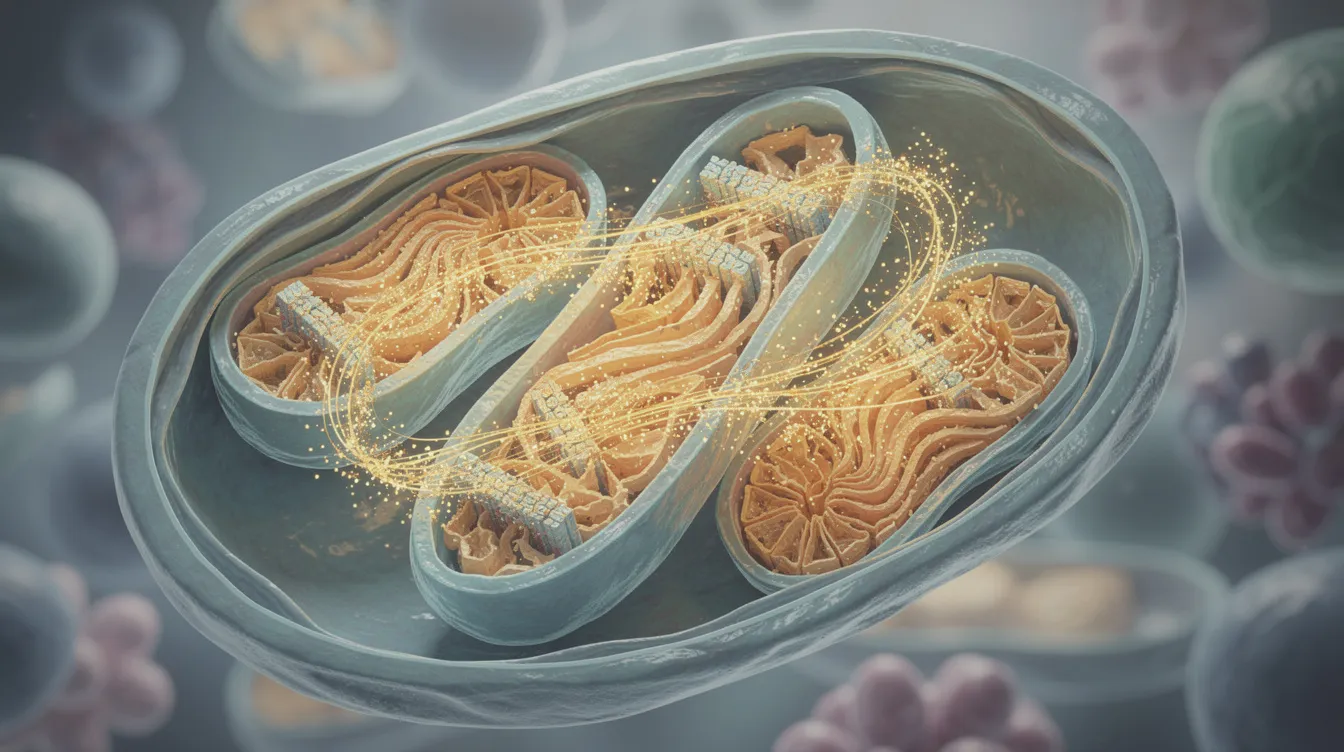
NAD+ plays an essential role in mitochondrial function by facilitating electron transport in the Krebs cycle and atp production. Each NAD+ molecule accepts electrons to form NADH before regeneration via the electron transport chain. This process is fundamental to adenosine triphosphate synthesis—the primary energy currency enabling every cell function from muscle contraction to brain activity.
DNA Repair and Sirtuin Activation
Beyond energy metabolism, NAD+ is critical for maintaining genomic stability through dna repair mechanisms. Poly(ADP-ribose) polymerases (PARPs) consume NAD+ to detect and signal DNA strand breaks, directly impacting how efficiently cells repair dna damage. Impaired DNA repair and reduced sirtuin activity can contribute to genomic instability, which is a hallmark of aging and age-related diseases.
NAD+ also activates sirtuins—dependent deacetylases like SIRT1 that regulate longevity pathways, mitochondrial production, inflammation, and circadian rhythms. This sirtuin activity influences everything from fatty acid oxidation to cellular senescence responses.
Age-Related NAD Decline
NAD levels decline progressively with age, dropping by approximately 50% between ages 20 and 60 in human blood and tissues. This age related decline occurs due to:
- Increased consumption by PARPs and CD38 enzymes
- Reduced biosynthesis from precursors
- Accumulating mitochondrial dysfunction
This decrease correlates with sarcopenia, metabolic syndrome, neurodegeneration, and reduced DNA repair capacity. Understanding this process is central to addressing age related diseases and supporting healthy aging strategies.
Precursors Compared: Nicotinamide Riboside NR, Nicotinamide Mononucleotide NMN, Nicotinic Acid
NAD precursors are compounds that the body uses to produce NAD+, a vital molecule involved in energy production, DNA repair, and cellular health. Many NAD precursors, such as nicotinamide riboside (NR), nicotinamide mononucleotide (NMN), and niacin, are forms of vitamin B3. Vitamins like B3 play a crucial role in supporting metabolic health and energy production, making them essential nutrients for overall wellness.
Nicotinamide Riboside (NR)
Nicotinamide riboside nr is a vitamin B3 analog first identified in milk. It enters the salvage pathway via nicotinamide riboside kinases (NRK1/2) that phosphorylate it to NMN, which nicotinamide mononucleotide adenylyltransferase (NMNAT) then converts to NAD+.
Human Trial Evidence
Multiple randomized controlled trials robustly support NR efficacy:
| Outcome | Finding |
|---|---|
| Blood NAD+ increase | 40-60% at 300-1,000 mg/day over 6-12 weeks |
| Brain NAD+ | Elevations measured via CSF in 2022 study |
| Inflammation | Reduced IL-6 levels in older adults |
| Cerebral blood flow | Improved in clinical trial participants |
Typical Dosage Ranges
Oral dosages in trials range from 250-2,000 mg/day, often split between morning and evening doses. Most research concentrates on the 300-1,000 mg/day range.
Tolerability Profile
NR demonstrates excellent tolerability with mild GI upset rare below 1,000 mg. No serious adverse events have been reported in trials extending up to 2 years. This safety profile makes it suitable for most adults seeking to increase nad levels through supplementation.
Nicotinamide Mononucleotide (NMN)
Nicotinamide mononucleotide nmn sits one step closer to NAD+ in the metabolic pathway. It functions as a direct precursor, synthesized endogenously from NR or NAM and directly converted by NMNAT1-3 to NAD+ after cellular uptake via the Slc12a8 transporter in some tissues.
Clinical Evidence in Humans
Placebo-controlled RCTs demonstrate significant benefits:
| Study Population | Dose | Key Finding |
|---|---|---|
| General adults | 250-900 mg/day | 2-fold blood NAD+ increase |
| Prediabetic women | 300 mg/day, 10 weeks | Improved insulin sensitivity |
| Older men | 250 mg/day | Increased 6-minute walk distance |
| Athletes | Various doses | Better aerobic capacity |
A 2025 Nature Aging review confirms safety up to 1,200 mg/day with no significant adverse effects beyond transient nausea.
Dosage Ranges
Studies span 100-1,200 mg/day, often using sublingual or encapsulated forms for improved absorption.
Regulatory and Sourcing Considerations
The FDA classified NMN as unapproved for supplements in 2022 due to drug investigations. This creates sourcing challenges:
Source NMN only from GMP-certified, third-party tested vendors. Purity concerns exist with some imports, making certificate of analysis (COA) verification essential.
Nicotinic Acid (NA, Niacin)
Nicotinic acid, discovered in 1937 by Conrad Elvehjem from liver extracts curing pellagra, follows the Preiss-Handler pathway. NA converts through a three-step route: nicotinic acid mononucleotide (NaMN), then nicotinic acid adenine dinucleotide (NaAD), and finally NAD+.
Clinical Uses at High Doses
High doses (1-3 g/day) treat dyslipidemia effectively:
- LDL reduction: 15-25%
- HDL increase: 20-35%
- Established cardiovascular benefits from trials like AIM-HIGH
Flushing and Adverse Effects
The prostaglandin-mediated flushing via GPBAR1 receptor activation limits tolerability:
| Dose | Flushing Incidence |
|---|---|
| 500 mg | ~80% |
| 1-2 g | Nearly universal without slow titration |
| >2 g/day | Rare hepatotoxicity risk |
Additional adverse effects include pruritus, GI distress, and contraindications in patients with peptic ulcers or gout. These symptoms make NA less practical for general NAD+ boosting despite its efficacy.
Other Precursors and Emerging Forms
Nicotinamide (NAM)
NAM is the predominant dietary B3 form, recycled via nicotinamide phosphoribosyltransferase (NAMPT)—the rate-limiting enzyme—to NMN then NAD+. It offers affordability but significant tradeoffs at high doses (>3 g/day), where it accumulates and competitively inhibits sirtuins by raising NAM/NAD+ ratios.
Emerging Precursors: NRH and NMNH
Second generation precursors show preclinical promise:
- NRH (dihydronicotinamide riboside): Boosts NAD+ 5-10x via CD73-mediated entry bypassing NRKs
- NMNH (reduced NMN): Raises NAD+ 7x and NADH 2.5x in cell studies via direct NMNAT reduction
However, these lack human trials. In vitro concerns include inflammation signals for NRH and stability issues for NMNH.
Tryptophan
Tryptophan serves as the de novo precursor via the kynurenine pathway, but only trace amounts contribute—approximately 60 mg tryptophan yields just 1 mg niacin equivalent (< 5% of NAD+ synthesis). This inefficiency makes it impractical for boosting purposes.
Label emerging forms as low-evidence pending randomized controlled trials in humans.
Administration Routes: Oral Supplements And IV Therapy
Oral Supplementation vs IV Therapy
| Factor | Oral Supplements | IV Therapy |
|---|---|---|
| Bioavailability | 20-70% (NR/NMN) | 100% |
| NAD+ increase | 20-100% | 200-500% |
| Duration of effect | Sustained with daily use | Hours |
| Cost per treatment | $30-100/month | $500-1,000/session |
| Convenience | Self-administered | Clinic-based |
| Evidence level | Multiple RCTs | Case series only |
Oral supplements achieve meaningful NAD+ increases via gut absorption and hepatic first-pass metabolism. For most individuals, this route provides sufficient elevation to support healthy metabolism and cellular level benefits.
When to Consider IV Therapy
IV therapy delivers direct NAD+ (100-500 mg infusions) bypassing all metabolism for rapid effects. Clinical scenarios where IV may be appropriate:
- Severe mitochondrial disorders
- Post-chemotherapy recovery
- Acute energy depletion states
- Non-responders to oral supplementation
- Addiction recovery programs (emerging use)
Practical Pros and Cons of IV Therapy
Advantages:
- Rapid symptom relief for energy and cognition
- Customizable dosing
- Bypasses absorption variability
Disadvantages:
- High cost ($500-1,000 per session)
- Vein irritation common
- Infection risk (1-2%)
- Nausea in approximately 30% of patients
- Lack of RCT evidence beyond case series
Always recommend physician consultation before offering or receiving IV therapy. Ensure sterile protocols and qualified administration.

Dosing, High Doses, And Safety
Standard Dosing Ranges Per Precursor
| Precursor | Standard Range | Upper Limit in Studies |
|---|---|---|
| Nicotinamide riboside | 300-1,000 mg/day | 2,000 mg/day |
| Nicotinamide mononucleotide | 250-900 mg/day | 1,200 mg/day |
| Nicotinic acid | 50-500 mg/day | 3 g/day (therapeutic) |
| Nicotinamide | 500-2,000 mg/day | 3 g/day |
Risks From Sustained High Doses
High doses carry specific risks beyond standard supplementation:
Methyl Group Depletion NA and NR require SAMe (S-adenosylmethionine) for metabolism. Sustained high doses can deplete methyl donors, affecting other methylation-dependent metabolic pathways.
Hepatotoxicity NA at doses >2 g/day elevates liver enzymes (ALT) 5-10x in some individuals. This risk necessitates regular liver function monitoring.
Metabolic Stress Excessive precursor supplementation can create imbalance in redox status and metabolic stress on clearance pathways.
High Doses of NAM Inhibit Sirtuins
This is a critical consideration often overlooked:
NAM at doses >1 g raises nicotinamide to micromolar levels that inhibit SIRT1 (IC50 ~50 μM). Since sirtuin activity drives many of NAD+’s anti aging and healthy aging benefits, excessive NAM can paradoxically blunt the very outcomes users seek.
Liver Function Monitoring
For anyone using >500 mg precursors long-term:
- Baseline ALT/AST before starting
- Repeat every 3-6 months
- Discontinue if elevations exceed 3x normal
- Consider dose reduction before cessation if elevations are modest
Testing And Monitoring NAD Levels
Baseline Testing Recommendations
When possible, establish baseline nad levels before beginning supplementation. This enables objective tracking of response rather than relying solely on subjective improvements.
Sample Types for NAD Level Measurement
| Sample Type | Method | Considerations |
|---|---|---|
| Whole blood | LC-MS/MS | Reference: 20-40 μM (young adults) |
| Muscle biopsy | Research only | Most direct tissue measure |
| Saliva | Emerging proxy | Less validated |
| CSF | Brain NAD+ specifically | Invasive, research settings only |
Note: You may need to enable JavaScript in your browser before accessing pmc.ncbi.nlm.nih.gov and being automatically redirected after 5 seconds to view some research methodologies.
Periodic Monitoring During Supplementation
During supplementation trials, consider testing every 3 months. Expect:
- 20-50% rises correlating with clinical benefits
- Stabilization typically by 8-12 weeks
- Individual variation in response magnitude
Tracking Symptomatic and Biomarker Responses
Beyond NAD+ levels, monitor:
Biomarkers:
- HbA1c (metabolic health)
- CRP (inflammation)
- Lipid panels (if using NA)
Subjective Metrics:
- Energy levels (visual analog scale)
- Sleep quality (Pittsburgh Sleep Quality Index)
- Physical performance and recovery
- Physical activity tolerance
Apps and journals help track these parameters systematically.
Practical Buyer’s Guide And Protocols
Product Quality Criteria
Check labels for these quality indicators before purchasing:
Third-Party Testing
- NSF International certification
- USP verification
- Independent COA available
Purity Standards
- ≥98% purity stated
- No unnecessary fillers or flow agents
- Heavy metal testing documented
- Endotoxin testing for sensitive individuals
Manufacturing
- GMP-certified facility
- Clear expiration dating
- Proper storage requirements listed
Trial Protocol for Beginners
A reasonable starting protocol:
- Duration: 8-12 weeks minimum
- Starting dose: 300 mg NR or NMN daily
- Timing: Morning with or without food
- Scaling: Increase after 4 weeks if tolerated and desired
Tracking Sleep, Recovery, and Energy Metrics
Quantify your response using:
| Metric | Tool | Frequency |
|---|---|---|
| Sleep quality | PSQI score or wearable | Weekly |
| Exercise recovery | Delayed onset muscle soreness scale | Post-workout |
| Energy | Visual analog scale (1-10) | Daily |
| Physical performance | Specific exercise benchmarks | Bi-weekly |
Track skeletal muscle recovery particularly if fitness is a priority—many users report improved performance in muscles during consistent supplementation.
Simple Stopping Rules
Discontinue supplementation if:
- Persistent GI upset beyond 2 weeks
- Skin rash or allergic symptoms
- Unexplained fatigue (paradoxical response)
- Liver enzyme elevation on monitoring
- Any symptoms causing concern
These stopping rules protect health status while allowing adequate trial duration for legitimate assessment.

Clinical Considerations And Contraindications
Pregnancy and Breastfeeding
Flag pregnancy and breastfeeding as contraindications for NAD+ precursor supplementation. While animal models show no teratogenicity, human extrapolation carries risk without adequate safety data. The medicine should be to avoid unnecessary supplementation during these periods.
Medication Interactions
Check interactions with common prescription medications:
| Medication Class | Potential Interaction |
|---|---|
| Allopurinol | May increase NA flushing |
| Chemotherapy agents | NAD+ may potentiate effects |
| Diabetes medications | Monitor for hypoglycemia with improved insulin sensitivity |
| Statins | Myopathy risk may increase with high-dose NA |
Active Cancer Considerations
Exercise extreme caution in patients with active cancer. NAD+ fuels cellular proliferation via NAMPT, and supplementation could theoretically support tumor growth.
Always defer to oncologists before recommending NAD+ precursors to cancer patients. This applies even during remission.
Complex Case Referral
Recommend specialist referral for:
- Renal impairment (altered excretion)
- Hepatic disease (metabolism concerns)
- Multiple comorbidities
- Patients on complex medication regimens
- Treatment-resistant symptoms
Research Gaps, Unanswered Questions, And Next Steps
8. Research Gaps and Next Steps
While significant progress has been made in understanding NAD+ precursors and their impact on health, several research gaps remain. More long-term human studies are needed to clarify the safety and efficacy of various NAD+ precursors, especially in diverse populations and age groups. Additionally, the optimal dosing, timing, and combination with other interventions (such as exercise or dietary changes) require further investigation.
Notably, researchers like mills kf have contributed to our understanding of sirtuin activation, NAD+ metabolism, and longevity pathways, particularly in relation to mitochondrial function and calorie restriction mimetics. Ongoing research in these areas is crucial to fully elucidate the mechanisms by which NAD+ precursors influence aging-related cellular processes and metabolic health.
Future studies should also explore the interplay between NAD+ metabolism and other cellular pathways, such as inflammation and DNA repair, to develop more targeted and effective interventions.
Need for Long-Term Safety Studies
Current trials extend ≤2 years and show no safety signals. However, this duration may miss:
- Cancer risk modifications
- Cardiovascular outcomes
- Sustained hepatic effects
- Immune system impacts
Five-year or longer human studies are essential before recommending widespread chronic use, particularly for other health benefits claims.
Head-to-Head Trials Needed
Direct comparisons between nicotinamide riboside nr versus nicotinamide mononucleotide nmn are notably absent. Current evidence relies on indirect comparisons suggesting:
- NR may have superior brain penetration
- NMN may have faster kinetics
- Efficacy may be dose-dependent rather than form-dependent
Rigorous head-to-head RCTs would clarify optimal precursor selection for specific goals.
IV Therapy Data Gaps
Research on IV therapy efficacy and safety remains limited to case series and anecdotal reports. Critical questions unanswered:
- Optimal dosing protocols
- Frequency of treatments needed
- Duration of benefits
- Long-term safety profile
- Cost-effectiveness versus oral routes
Future Research Priorities
Encourage investigation into:
- Dose optimization: Establishing dose-response curves (100 vs. 500 vs. 1,000 mg)
- Tissue-specific biomarkers: Measuring muscle NAD+/NADP+ ratios
- Reduced precursors: Human trials of NMNH and NRH to validate 5-10x preclinical boosts
- Population-specific protocols: Adjustments for form, diet, exercise habits, and baseline health
The balance between theoretical benefits and proven outcomes continues to evolve as research progresses.
Key Takeaways
- NAD+ drives over 500 enzymatic reactions essential for energy, dna repair, and healthy aging
- Nicotinamide riboside and nicotinamide mononucleotide offer the strongest human evidence at 300-1,000 mg/day
- Nicotinic acid remains effective but flushing limits practical use
- Oral supplementation suffices for most; reserve iv therapy for specific clinical scenarios
- High doses of NAM (>1 g) may inhibit the very sirtuins you’re trying to activate
- Always verify third-party testing and establish baseline levels when possible
- Long-term safety data remains limited—monitor liver function and adjust accordingly
Start with conservative doses, track your response systematically, and scale based on evidence rather than marketing claims. The NAD+ precursor field continues evolving rapidly—stay informed as new research emerges, and consult with qualified clinicians for personalized protocols.