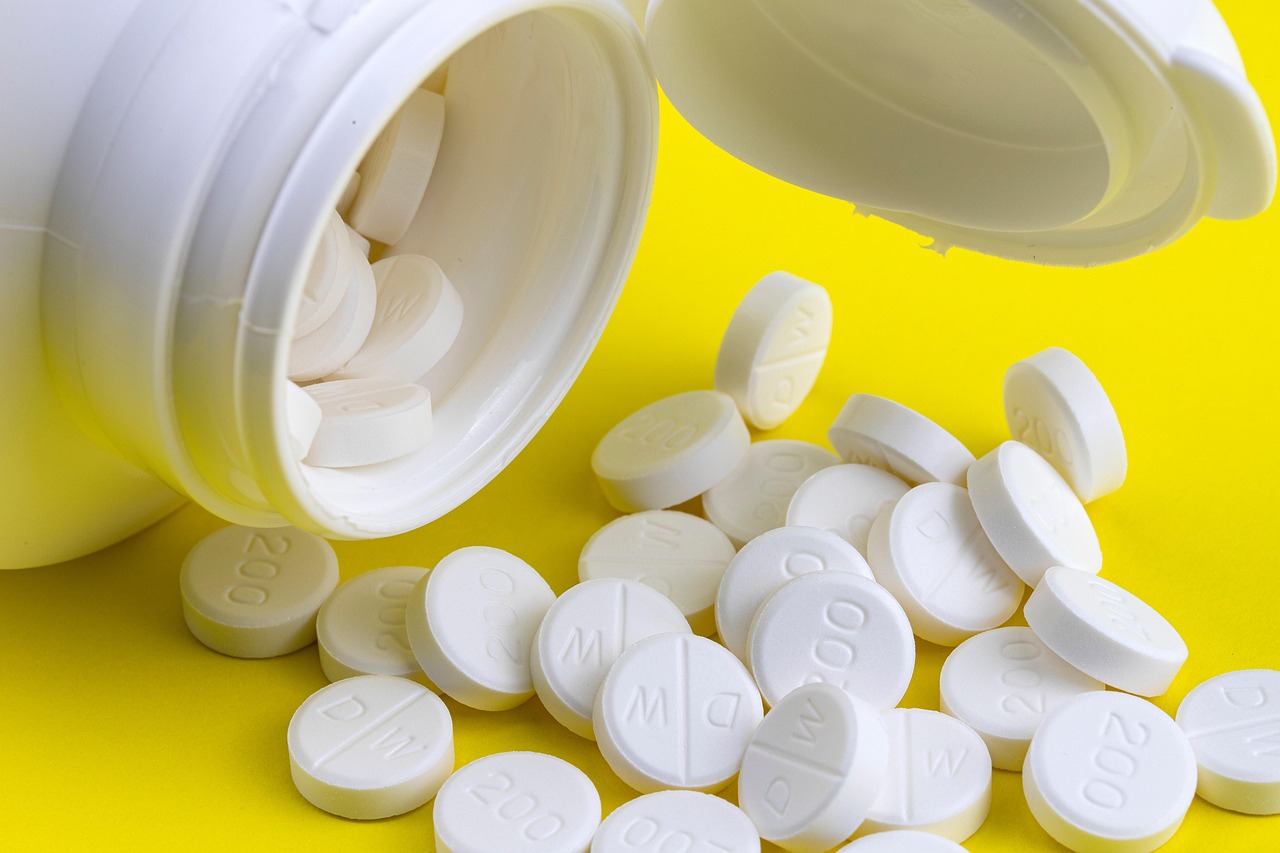
Related topic: This article is part of The NAD+ Pathway and Energy. If you want the broader overview, start with NAD Precursors Guide: NR, NMN, Niacin, IV Therapy, And Dosing. Nicotinamide riboside supplements have surged in popularity among consumers seeking to combat aging and boost cellular energy. But a critical question remains: do these supplements fuel cancer cells alongside healthy tissues? The short answer is that human evidence shows no proven harm, yet preclinical mouse model data raises flags that researchers cannot dismiss. The main uncertainties center on dose translation between animals and humans, tissue-specific uptake, and the absence of long-term clinical trials measuring cancer endpoints, as changes in NAD+ metabolism may lead to differences in cancer risk.
NR supplements are commonly consumed by individuals seeking anti-aging benefits.
NR Supplements: Basics and Popular Use
Nicotinamide adenine dinucleotide functions as a key molecule in cellular metabolism, shuttling electrons in energy-producing reactions throughout your body. NR supplements provide nicotinamide riboside, a form of vitamin B3 that serves as a direct precursor to NAD+. Unlike other vitamins in this pathway, NR bypasses rate-limiting enzymes, making it efficient at raising NAD+ levels.
Common NR supplement brands include:
| Brand | Developer | Notes |
|---|---|---|
| Niagen | ChromaDex | Over 30 human trials supporting safety |
| Tru Niagen | ChromaDex | Consumer formulation |
| Elysium Basis | Elysium Health | Combined with pterostilbene |
| Natra | Nestlé | Health Science division |
Typical consumer dosages range from 250-500 mg daily, though some research protocols use 1,000-2,000 mg split across multiple doses.
NAD Metabolism in Cancer Cells
Understanding how cancer cells exploit NAD+ metabolism reveals why nad supplements cancer risk concerns persist in research circles.
Cancer cells diverge from healthy tissues in their energy process. They favor glycolysis even when oxygen is available—the Warburg effect. Elevated NAD+ levels support enzymes like GAPDH and LDH, fueling rapid proliferation and biosynthetic demands. Elevated NAD+ may also accelerate the progression of certain cancers by supporting rapid cell proliferation.
NAMPT, the rate-limiting enzyme in NAD+ recycling, is overexpressed in many tumors:
- Non-small cell lung cancer
- Glioblastoma
- Prostate, breast, and colon cancers
This overexpression enhances antioxidant capacity, helping cancer cells survive by mitigating DNA damage from reactive oxygen species.
Metabolic differences across certain types of tumors matter. Liver cancers rely heavily on de novo NAD+ synthesis, while triple-negative breast cancer—an aggressive form—exploits NAD+ for SIRT1-mediated suppression of metastasis pathways. Hepatocellular carcinoma uses NAD+ for migration and invasion. In some contexts, targeting NAD+ metabolism could slow tumor growth, though this effect is not universal.
Preclinical Evidence From Cancer Research
Mouse studies reveal a dual-edged sword, with some findings showing tumor promotion and others showing protection. In many experiments, researchers use the injection of cancer cells into mice to model tumor development and assess the effects of NR supplementation.
A 2022 University of Missouri study led by Elena Goun used bioluminescent probes to track NR uptake in mice. The research, published in a biosensors journal, found that NR accumulated disproportionately in TNBC cells and T cells compared to healthy tissues. In immunodeficient mice, high NR levels increased primary tumor growth and brain metastasis risk. The brain lesions proved lethal.
Contrasting this, Tummala et al. published findings in Science showing NR prevented liver tumors in mice prone to hepatocellular carcinoma. At 400 mg/kg daily, NR raised hepatic NAD+ by 50-100%, induced tumor regression, and enhanced DNA repair via PARP1 activity. Some studies also examine the impact of NAD+ precursors on the life span of animal models, with mixed results regarding longevity and cancer risk.
Not everything translates from animals to humans. The doses used in mice (400 mg/kg) are 10-20x human equivalents when adjusted for body weight and metabolism.
Key methodological limitations include:
- Immunodeficient models lacking immune surveillance
- Species differences in NAD+ uptake kinetics
- Failure to replicate across syngeneic or humanized models
- Mouse metabolism clears precursors faster than human metabolism
- These animal models are also used to study other diseases influenced by NAD+ metabolism, such as cardiovascular diseases and disorders related to DNA repair, not just cancer.
Human Clinical and Epidemiologic Evidence
Human data largely reassures on safety but lacks the long-term cancer endpoints needed to prove either harm or benefits definitively.
Over 50 years of high-dose NAD+ precursor use (niacin >3g/day) in more than 2,000 participants showed no cancer incidence increase. The ONTOP trial, a large Australian study using nicotinamide 500mg twice daily, reduced non-melanoma skin cancer by 23% in high-risk patients over 12 months.
NHANES data from 1999-2014 linked higher niacin intake to 20-30% lower cancer mortality, though this is epidemiologic association, not causation.
While NAD+ precursors have not been shown to extend lifespan in humans, they may have therapeutic effects in certain diseases, such as DNA repair disorders or neurodegenerative conditions.
NR-specific trials include:
- A 2-year study in ataxia telangiectasia patients (300-900mg/day) with no adverse events
- Trials in childhood cancer survivors showing no serious issues
The limitation? Current trials run under 2 years—far shorter than the decades needed to detect carcinogenesis. Cohorts remain small (under 200 participants), and no cancer endpoints are measured directly.
Interaction With Cancer Therapies

NR supplementation during active cancer treatment raises distinct concerns about effectiveness of chemotherapy and immunotherapies.
High NAD+ levels enhance PARP activity, which repairs DNA damage. This is beneficial for healthy cells but potentially problematic during treatment: drugs like temozolomide or platinum agents rely on accumulating DNA damage to kill cancer cells. By boosting repair capacity, NAD+ supplementation could theoretically blunt treatment efficacy.
For immunotherapies, the picture is murkier. NR accumulation in T cells could enhance anti-tumor immunity via SIRT1 activation. However, it might also fuel regulatory T cells or cancer stem cells.
Clinicians should ask patients about NR supplement use and recommend pausing during active treatment until more data emerges.
No human data on immunotherapy interactions exist, making this subject to ongoing investigation rather than settled science.
Risk Assessment and Patient Guidance
High-risk groups for potential NR-related concerns include:
- Patients with active or prior cancer, especially TNBC, HCC, or brain metastases
- Those with genetic predispositions like BRCA mutations
- Patients taking NAMPT or PARP inhibitors
- Individuals with undiagnosed tumors
Clinicians should routinely query NR use, as self-reported supplement intake underestimates actual prevalence—up to 10% in wellness-focused communities.
Counseling Patients on NR Supplements
When discussing these supplements with patients, explain the evidence gaps plainly:
- No human proof of harm exists
- Mouse data showing metastasis risk used doses unlikely in humans
- Protective effects appear in some cancer models
- Short-term use appears safe based on available trials
Lifestyle alternatives that boost NAD+ without supplementation:
- Exercise (raises NAD+ 20-50% via AMPK activation)
- Intermittent fasting (upregulates NAMPT 2-fold)
- Diet rich in niacin (tuna, chicken provide 10-20mg per serving)
- Adequate sleep supports natural NAD+ cycling
Screening Considerations for People With Cancer History
For patients with cancer history who continue NR use, consider:
- Documenting informed consent noting “preclinical metastasis concerns unproven in humans”
- Baseline tumor markers where appropriate
- Follow-up at 6-12 month intervals
- Annual imaging (CT/MRI) for high-risk individuals such as TNBC survivors
No evidence-based adjusted screening frequencies exist—these recommendations represent cautious clinical judgment.
Research Gaps and Priorities in Cancer Research
The field needs long-term randomized controlled trials with cancer incidence and survival as primary endpoints. Current trials max out at 2 years with cohorts under 500 participants.
Priority research areas include:
- Tissue-specific uptake studies using human PET analogs of Goun’s bioluminescent probe
- Standardized dosing protocols comparing NR (250-1,000mg, 40-70% oral bioavailability) versus NMN
- Standardized measurement protocols using LC-MS for whole-blood NAD+ with better peripheral tissue correlation
- Replication of key mouse studies in immunocompetent and orthotopic models
- NAPRT-stratified trials to identify which cell types respond differently
Five to ten year phase III trials in at-risk cohorts, plus multi-omics analysis of NAD+ flux in metastases, should be funding priorities.
Reporting Checklist For Articles On NAD Supplements Cancer Risk
Writers and researchers covering this subject should maintain transparency:
| Element | Requirement |
|---|---|
| Dose | Specify exact amount (e.g., 300mg Niagen) |
| Formulation | Note if micronized for absorption |
| Preclinical citations | Include Goun 2022, Tummala 2014 |
| Clinical citations | Reference ONTOP trial, ataxia studies |
| Animal-human relevance | Clarify dose translation, immune differences |
| Funding sources | Disclose industry sponsorship (e.g., ChromaDex) |
| Conflicts of interest | Note author ties to supplement companies |
| Language | Avoid alarmist claims without consistent human evidence |
This article is not a substitute for professional medical advice. Always consult your browser before accessing pmc.ncbi.nlm.nih.gov or other research databases to verify primary sources.
Appendices: Key Studies and Data Sources
Seminal Animal Studies
- Goun et al. 2022 – NR probe tracking, TNBC brain metastasis (Journal of Biosensors and Bioelectronics)
- Tummala et al. 2014 – NR prevents HCC in URI-deficient mice (Science)
- Pang et al. 2023 – NR reduces HCC tumor volume 40-60% (Hepatology)
- Jiang et al. 2023 – NMN suppresses TNBC lung metastasis (Oncogene)
Major Clinical Trials
- ONTOP Trial – Nicotinamide reduces skin cancer (NEJM 2015)
- NR Ataxia Trial – 2-year safety in ataxia telangiectasia (Neurology 2021)
- NHANES Niacin-Cancer Analysis – Dietary intake associations (Journal of Nutrition 2019)
Clinical Trial Registries
- NCT04818233 – NR in cancer survivors
- NCT03818802 – NR in ataxia telangiectasia
The promise of NAD+ supplementation for longevity and health benefits remains compelling. But for anyone with cancer history, active disease, or genetic risk factors, the prudent path forward involves frank conversations with healthcare providers and patience as the science catches up to consumer demand. The moment for definitive claims has not arrived—what we have instead is a call for careful monitoring, continued research, and informed personal choice.