Related topic: This article is part of The NAD+ Pathway and Energy. If you want the broader overview, start with NAD Precursors Guide: NR, NMN, Niacin, IV Therapy, And Dosing. Niacin, or vitamin B3, supports longevity primarily through its role as a precursor to NAD+, enhancing cellular repair, energy production, and sirtuin activation. Epidemiological data links higher dietary niacin intake to reduced all-cause and cardiovascular mortality risks that plateau around 22.45 mg per day.
This guide is designed for health-conscious adults interested in evidence-based anti aging strategies, clinicians advising on supplementation, and researchers exploring NAD+ pathways. The scope covers human observational data, animal models, and mechanistic insights rather than definitive longevity trials.
What Is Vitamin B3 (Niacin)?
Vitamin B3, commonly known as niacin, is a water-soluble micronutrient essential for over 400 enzymatic reactions in the body. It serves as a precursor to nicotinamide adenine dinucleotide (NAD+) and NADP+, coenzymes critical for cellular metabolism, energy production, and DNA repair.
Historically, niacin’s importance was recognized when it was identified as the curative agent for pellagra—a niacin deficiency disease characterized by dermatitis, diarrhea, dementia, and death. This discovery prompted fortification programs in cereals and wheat flour across many foods in multiple countries.
Two Primary Forms:
| Form | Pathway | Key Characteristics |
|---|---|---|
| Nicotinic acid (NA) | Preiss-Handler pathway | Causes flushing, lipid-modifying effects |
| Niacinamide (NAM) | NAD+ salvage pathway | No flushing, mixed lifespan effects in mice |
In NAD+ biology, niacin helps turn food into energy through multiple pathways. Niacin also supports the digestive system by aiding in the breakdown and absorption of nutrients, contributing to gastrointestinal health. NAD+ levels decline by up to 50% in human tissues with age, impairing sirtuins, PARP enzymes for DNA repair, and mitochondrial function. This positions niacin as a calorie restriction mimetic candidate.
Niacin as a Dietary Supplement for Longevity
Niacin qualifies as a dietary supplement when intake exceeds typical dietary sources to achieve pharmacological NAD+ boosting, particularly in aging populations with declining endogenous synthesis. Correcting niacin deficiency like pellagra requires only 10-20 mg daily, while longevity-focused protocols often use higher amounts.
Dietary vs. Supplemental Intake:
- Most people in the US consume 15-25 mg daily from food sources like beef, chicken, tuna, and coffee
- Supplemental doses range from 50-500 mg daily (or up to 3g for lipid therapy)
- Higher doses can elevate plasma NAD+ metabolites 2-5 fold
Common over-the-counter niacin supplements include:
- Immediate-release nicotinic acid (causes flush)
- Sustained-release NA (reduced flush, higher hepatotoxicity risk)
- Inositol hexanicotinate (“no-flush” form)
- Niacinamide capsules (500-1000 mg)
- Emerging NAD+ precursors like NR and NMN
Bioavailability varies, with NA at 70-90% absorption versus NR’s 40-60% due to gut degradation.
Potential Anti Aging Mechanisms of Niacin
NAD+-related anti aging hypotheses center on restoring age-related NAD+ depletion, which fuels sirtuins (SIRT1-7), PARPs for DNA repair, and CD38 inhibition to prevent NAD+ consumption. Calorie restriction extends lifespan in worms, flies, and mice via NAD+ elevation—an effect that niacin supplementation can mimic.
Sirtuin Activation:
SIRT1 deacetylates PGC-1α for mitochondrial biogenesis, FOXO for stress resistance, and p53 for apoptosis control. Roundworm studies show 10% lifespan extension from vitamin B3 via sirtuin-mediated gene silencing. Human trials lag behind these animal findings.
Mitochondrial Support:
NAD+ enhances complex I activity, ATP production, and biogenesis via PGC-1α. Research shows niacin can reverse myopathy in mitochondrial disorders by restoring tissue NAD+ and muscle performance.
Antioxidant and Inflammation Actions:
- Niacinamide reduces oxidative stress independently in mice
- SIRT1 suppresses NF-κB, lowering IL-6 and TNF-α
- In Cockayne syndrome models, niacin boosts DNA repair and slows premature aging
- These antioxidant effects may help keep skin healthy and protect against age-related damage. Vitamin B3 has also been shown to reduce wrinkles and improve skin appearance by supporting collagen production and combating signs of aging.
Effects on Heart Health
Niacin robustly improves lipid profiles and is used to lower cholesterol by increasing HDL (‘good’) cholesterol, decreasing LDL (‘bad’) cholesterol, and reducing triglycerides. Meta-analyses of over 30,000 patients demonstrate:
| Lipid Parameter | Effect |
|---|---|
| LDL cholesterol | ↓ 10-25% |
| Triglycerides | ↓ 20-50% |
| Lp(a) | ↓ 20-30% |
| HDL cholesterol | ↑ 15-35% |
However, the “niacin paradox” emerges from RCTs. Trials like AIM-HIGH and HPS2-THRIVE failed to show cardiovascular event reduction despite lipid improvements, possibly due to off-target effects or concurrent statin use.
NHANES data (2003-2018, n=26,746) links the highest dietary niacin quartile (>22.45 mg daily) to 20-30% lower CVD mortality, with benefits strongest in non-diabetics, females, and elderly populations.
Blood Pressure and Vascular Effects:
- Blood pressure drops 5-10 mmHg systolic via endothelial GP109A activation
- Flow-mediated dilation improves 20-40%
- Benefits to blood vessels may contribute to lower heart disease risk
Prescription niacin at doses above 500 mg daily warrants a cardiology consult given hepatotoxicity and diabetes risk (fasting glucose may increase 10-20 mg/dL). Coordination with blood pressure medicines is essential.
Effects on Brain Function and Cognitive Aging
Human studies on cognition are sparse but promising. Small trials show 100-300 mg niacinamide may improve mild cognitive impairment via NAD+ elevation (50% increase in CSF NAD+). NHANES data associates high niacin intake with lower dementia risk proxies.
Neuroprotective Mechanisms:
- NAD+ supports SIRT1/2, mitigating amyloid and tau via autophagy
- PARP1 enhances neuronal DNA repair post-ischemia (reducing infarct 30-50% in models)
- Mitochondrial support prevents bioenergetic failure relevant to Alzheimer’s and Parkinson’s
- These pathways support brain function and nervous system integrity
Advise neurology consultation for cognitive concerns, as high doses risk hyperglycemia that may exacerbate vascular dementia.

Niacin Flush, Side Effects, and Safety
Flush Mechanism:
Skin flushing affects 50-80% of people taking niacin at doses above 50 mg of immediate-release nicotinic acid. The flush arises from GPR109A receptor activation on skin Langerhans cells, triggering prostaglandin D2 release. Symptoms include redness, warmth, and pruritus peaking 20-60 minutes post-dose. Tolerance typically develops within 1-2 weeks.
Common Acute Side Effects:
- Upset stomach and GI symptoms (nausea 10-20%)
- Headache
- Transient flushing and redness
Serious Concerns at High Doses:
- Liver damage: ALT elevation >3x upper limit in 5-10% at 1-3g daily
- Fulminant liver failure (rare, < 0.1%)
- Hyperglycemia (HbA1c increase 0.5-1%)
- Myopathy with CK elevation
Too much niacin can cause serious side effects. Seek immediate medical help for jaundice, severe abdominal pain, vision changes, or persistent vomiting. The NIH upper limit is 35 mg daily for non-food sources.
Formulation, Flow Agents, and Bioavailability
Flow agents like magnesium stearate (0.5-2%) and silicon dioxide prevent clumping in tablets but raise concerns. Stearates may reduce dissolution 10-20% and cause gut irritation in sensitive individuals.
Label Recommendations:
- Check for flow agents exceeding 1%
- Avoid formulations with hydrogenated oils or talc
- Look for clearly stated mg per serving
Pharmaceutical-grade (USP) formulations offer 90-100% bioavailability versus consumer products at 70-80%. Extended-release microcrystalline NA minimizes flush via 8-12 hour kinetics. Liposomal or sublingual forms may boost absorption 20-30%.
Drug Interactions and Contraindications
Major Interaction Classes:
| Drug Class | Concern |
|---|---|
| Statins | Myopathy risk increased 3x |
| Antihypertensives | Blood pressure overdrop |
| Antidiabetics | Glucose rise counters medication effect |
| Anticoagulants | Minor interaction |
| Allopurinol | Gout flare risk |
Alcohol amplifies hepatotoxicity and should be limited when taking niacin at therapeutic doses.
Contraindications for high doses:
- Active peptic ulcer disease
- Uncontrolled gout
- Uncontrolled diabetes
- Liver disease (Child-Pugh B/C)
Complete medication reconciliation with your doctor before starting niacin therapy.
Practical Dosing, Monitoring, and Continued Use
The recommended dietary allowance for adults is 14-16 mg NE daily (1 NE = 1 mg niacin or 60 mg tryptophan). The RDA is 16 mg NE for individuals assigned male at birth and 14 mg NE for those assigned female at birth, reflecting differences in nutrient requirements. Pregnancy requires 18 mg, lactation 17 mg.
Prescription dose ranges for lipid therapy span 1-3g daily, divided and titrated from 100 mg starting doses.
Baseline Testing Before Use:
- Liver function tests (LFTs)
- Fasting glucose and HbA1c
- Complete lipid panel
Monitoring Schedule:
- Every 3 months initially
- Every 6 months once stable
- Discontinue if ALT exceeds 3x upper limit or glucose exceeds 200 mg/dL uncontrolled
How to Implement Niacin for Longevity
Step 1: Optimize Diet First
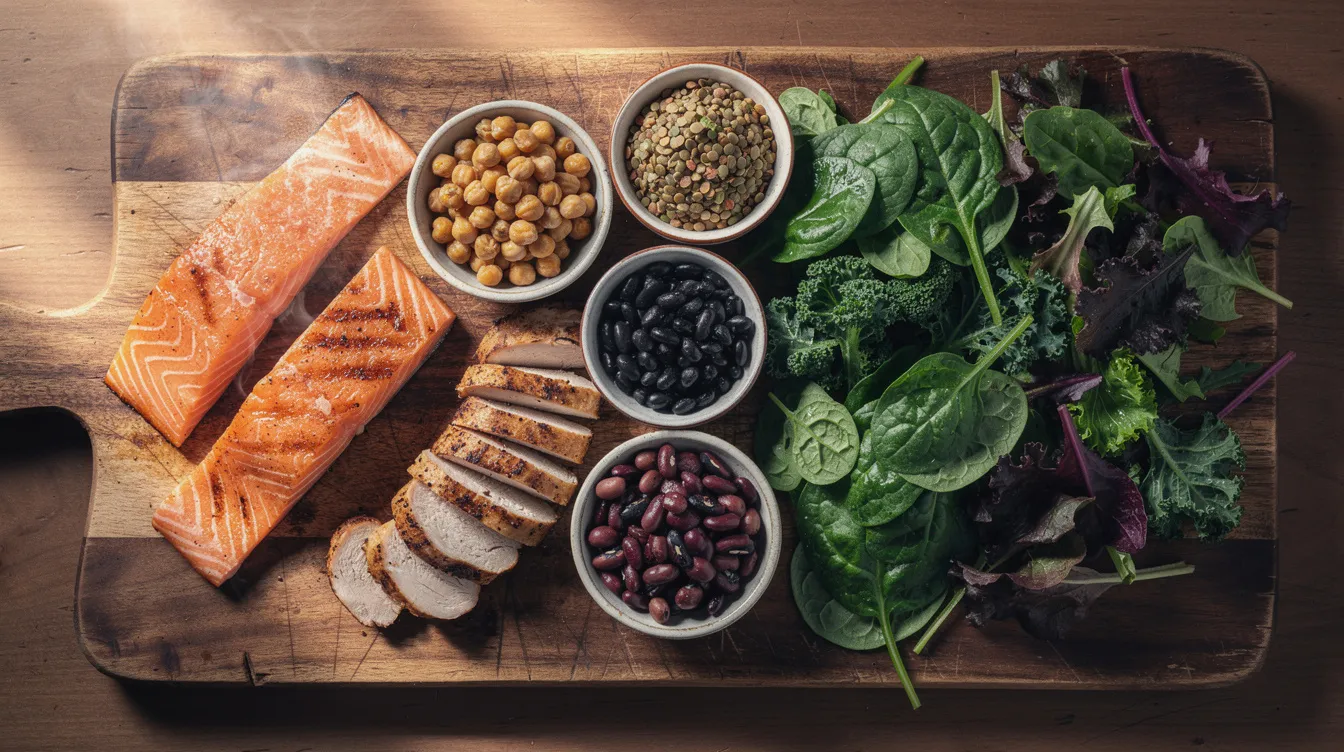
Ensure enough niacin from diet before supplementing. Good sources and niacin rich foods include:
- Beef and chicken (5-12 mg per 100g)
- Tuna and salmon (10-20 mg per 100g)
- Fortified cereals
- Legumes and peanuts
Target approximately 20 mg daily from food.
Step 2: Trial Low-Dose Supplementation
Under healthcare professional supervision, start with 50-100 mg NA at bedtime.
Step 3: Titrate Slowly
Increase by 50 mg weekly toward 250-500 mg while monitoring. To reduce flushing, take aspirin 81 mg 30 minutes before your dose.
Step 4: Document Everything
Record rationale and monitoring plan in your medical record. Note “NAD+ support for longevity, baseline normal LFT/glucose” and track flush symptoms.

Choosing Supplements and Quality Signals
Quality Checklist:
- Prefer USP or NSF third-party tested products
- Look for ConsumerLab or equivalent verification
- Examine ingredient list for flow agents under 1%
- Avoid “no-flush” inositol forms if lipid benefits are your goal
- Insist on clear mg per serving validated by HPLC assay
- Reject products with unclear dosing instructions
Pure niacin remains the most affordable option at less than $0.10 daily.
Research Gaps and Evidence Priorities
Unanswered Clinical Questions:
- No longevity RCTs in healthy elderly exist (only surrogate NAD+ endpoints)
- Optimal form unclear (NA vs. NR vs. NMN)
- Diabetes subgroup risk requires more study
- Benefits affect different populations variably
Research Priorities:
- Phase III trials on composite aging endpoints (frailty, cognition, mortality)
- Head-to-head comparisons of niacin forms
- Long-term safety data in older adults
Animal studies (10% worm lifespan extension) and surrogate markers overpromise relative to human evidence. NHANES associations are correlational, not causal. A study published on this topic requires replication before drawing strong conclusions.
Summary and Actionable Takeaways
Key Benefits:
- Dietary intake above 22 mg daily associated with 20-30% lower mortality risk
- NAD+ mechanisms mechanistically robust for longevity pathways
- Supports heart health, brain function, and cellular metabolism
Key Risks:
- Flushing at moderate doses
- Liver damage at high levels above 2g daily
- Glucose elevation affecting diabetes management
Before Starting:
Consult with a healthcare professional before beginning supplementation, especially if you take medicines for cholesterol, blood pressure, or blood sugar.
Monitoring Checklist for Continued Use:
- Baseline LFTs, glucose, HbA1c, lipid panel completed
- Slow titration schedule documented
- Flush log maintained
- Labs repeated every 3 months initially
- Healthcare professional follow-up scheduled
- Medication interactions reviewed
Whether you’re optimizing your diet or considering supplements, approach niacin for longevity as a long-term strategy requiring personalized guidance and consistent monitoring.