Related topic: This article is part of The Foundational Longevity Stack. If you want the broader overview, start with Foundational Longevity Stack: Evidence-Based Core Supplements. Most people know omega-3s are good for them. Far fewer know how much they actually need to take for longevity benefits.
A meta-analysis of 17 prospective studies involving 42,500 participants found that those in the top quintile of blood omega-3 levels had 15-18% lower all-cause mortality risk compared to those in the bottom quintile. That’s a meaningful difference—one that hinges not on whether you take omega-3s, but on how much you take and whether you’re actually absorbing them.
This guide breaks down the evidence behind the optimal omega 3 longevity dose, explains the difference between supplement forms, and provides actionable protocols for testing and adjusting your intake. Whether you’re optimizing cardiovascular health or slowing cellular aging, the specifics matter. Omega-3 fatty acids, especially EPA and DHA, play a key role in supporting heart health and reducing the risk of chronic diseases, including cardiovascular disease and other age-related conditions, making them essential for long-term health and longevity.

Overview of Omega-3 Fatty Acids and Essential Fatty Acids
Omega 3 fatty acids belong to a family of long-chain polyunsaturated fatty acids (PUFAs) characterized by multiple double bonds, with the first double bond positioned at the third carbon from the methyl end of the fatty acid chain. This structural feature gives them their name and distinguishes them from omega-6 and omega-9 fatty acids.
Why These Fats Are “Essential”
Essential fatty acids earn that designation because the human body cannot synthesize them from scratch. Mammals lack the enzymes required to insert double bonds beyond the ninth carbon in a fatty acid chain, which means you must obtain these fats through your diet.
Linoleic acid is an essential omega-6 fatty acid that competes with omega-3s for metabolic pathways, so balancing linoleic acid intake with omega-3s is important for optimal health.
The three primary omega-3s you need to know:
| Fatty Acid | Abbreviation | Carbon Chain | Primary Sources |
|---|---|---|---|
| Alpha-linolenic acid | ALA | 18 carbons | Flaxseed, chia seeds, walnuts |
| Eicosapentaenoic acid | EPA | 20 carbons | Fatty fish, fish oil, algae |
| Docosahexaenoic acid | DHA | 22 carbons | Fatty fish, fish oil, algae |
Alpha linolenic acid serves as the plant-based precursor to EPA and DHA, but here’s the catch: human conversion efficiency from ALA to the longer-chain forms is remarkably poor. Studies consistently show conversion rates under 5-10%, meaning you’d need to consume massive amounts of flaxseed to achieve meaningful EPA and DHA levels.
When researchers talk about omega-3 benefits for longevity, they’re almost always referring to EPA and DHA—not ALA.
Dietary Sources of Long-Chain Omega-3s
Cold water fatty fish represent the most concentrated dietary sources of EPA and DHA:
- Salmon: 1.5-2.5g EPA+DHA per 100g serving
- Mackerel: 2-4g per 100g serving
- Sardines: 1-2g per 100g serving
- Anchovies: High concentration, often used in supplement production
Wild caught fish typically contain higher omega-3 concentrations than farmed varieties, though farmed fish fed omega-3-enriched diets can approach similar levels.
For those who don’t regularly eat fish, fish oil supplements and algae oil provide alternative pathways to adequate intake.
The Longevity Connection
Why does any of this matter for lifespan? The correlation between circulating omega-3 levels and mortality risk is remarkably consistent across populations and study designs.
The 17-study meta-analysis mentioned earlier adjusted for major confounders including age, smoking status, and baseline health conditions. The mortality reduction held across different populations, suggesting a fundamental biological mechanism rather than a statistical artifact.
Higher omega-3 levels appear to slow cellular aging processes, reduce systemic inflammation, and improve cardiovascular outcomes—all factors that influence how long you live and how well you live during those years. Multiple studies have shown that higher omega-3 status is associated with a reduced risk and lower risk of chronic diseases and premature mortality.
Eicosapentaenoic Acid (EPA) and Docosahexaenoic Acid (DHA)
These two fatty acids do different jobs in your body. Understanding their distinct roles helps explain why optimal supplementation often includes both.
Defining Eicosapentaenoic Acid
Eicosapentaenoic acid (EPA), chemically designated as C20:5 n-3, is a 20-carbon omega-3 with five double bonds. Cold-water fish serve as the primary dietary source, though algae produce it as well.
EPA’s physiological significance centers on its role as a precursor to specialized lipid mediators. Unlike conventional anti-inflammatory compounds that simply suppress inflammation, EPA-derived molecules actively resolve it.
Key EPA-derived compounds:
- Resolvins: Actively terminate inflammatory responses
- Protectins: Shield tissues from inflammatory damage
- E-series lipid mediators: Coordinate return to homeostasis
Clinical trials have found that low dose EPA may offer significant benefits for heart health and mood, highlighting its importance even at lower supplementation levels.
Defining Docosahexaenoic Acid
Docosahexaenoic acid (DHA), denoted C22:6 n-3, contains 22 carbons and six double bonds, making it the longest and most unsaturated of the common omega-3s. This structural complexity gives it unique biophysical properties.
DHA concentrates in neural tissues to a remarkable degree:
- Photoreceptor membranes: 50-60% of fatty acids
- Brain gray matter phospholipids: 20-30% of fatty acids
This concentration isn’t accidental. DHA’s structure provides the membrane fluidity that neurons require for rapid signal transmission and synaptic plasticity.
EPA’s Primary Physiological Roles
EPA’s cardiovascular benefits appear across multiple mechanisms:
Anti-inflammatory effects: EPA competes with arachidonic acid (an omega-6 fatty acid) for incorporation into cell membranes. When inflammatory signals arrive, cells with higher EPA content produce less inflammatory eicosanoids.
Platelet function: EPA inhibits platelet aggregation, reducing thrombus formation risk. This affects blood clotting dynamics in ways that may prevent major adverse cardiovascular events. Clinical trials have demonstrated that EPA supplementation can reduce the incidence of major cardiovascular events such as heart attack and stroke.
Blood pressure modulation: Meta-analyses show modest but consistent blood pressure reductions of 2-5 mmHg systolic with EPA supplementation. This won’t replace medication for high blood pressure, but it contributes to overall cardiovascular health.
Metabolic effects: EPA modulates adipocyte biology, improving insulin sensitivity and triglyceride metabolism. These effects help explain its role in reducing cardiovascular disease risk factors.
DHA’s Primary Physiological Roles
DHA’s territory is primarily neural and visual:
Brain structure and function: DHA maintains neuronal membrane fluidity, supports synaptogenesis (the formation of new synaptic connections), and provides neuroprotection against oxidative stress and apoptosis.
Retinal health: The exceptionally high DHA concentration in photoreceptor membranes supports visual function. Deficiencies link to visual impairments.
Fetal development: DHA accumulation in fetal brain tissue occurs most rapidly during the third trimester and continues through early childhood. Adequate maternal DHA status supports optimal cognitive development.
Cellular health: DHA integrates into cell membranes throughout the body, influencing membrane protein function and cellular signaling.
While EPA dominates cardiovascular protection, DHA dominates brain and eye health. Most longevity-focused supplementation includes both.
Fish Oil, Algal Oil, and Dietary Supplements
When fish consumption falls short, dietary supplements fill the gap. But not all supplements deliver equal results. Corn oil is frequently used as a placebo in omega-3 clinical trials, and its fatty acid composition can influence the interpretation of study results.
Common Supplement Sources
Fish oil remains the most widely used omega-3 supplement. Most commercial products derive from small, oily fish like menhaden, sardines, and anchovies. These species accumulate less environmental contamination than larger predatory fish while providing concentrated EPA and DHA.
Typical fish oil supplements provide 300-1000mg combined EPA+DHA per gram of oil. The remainder consists of other fatty acids and triglycerides.
Algae oil (often marketed as algal oil) comes from microalgae like Schizochytrium sp. This matters because algae sit at the base of the marine food chain—they’re where fish get their omega-3s in the first place.
Krill oil derives from small crustaceans and delivers EPA/DHA in phospholipid form. The phospholipid structure may enhance absorption, though krill oil typically provides lower total omega-3 content per capsule.
Algal Oil Versus Fish Oil
The comparison depends on your priorities:
| Factor | Fish Oil | Algal Oil |
|---|---|---|
| EPA+DHA content | High (300-1000mg/g) | Comparable |
| Bioavailability | Well-established | Equivalent in trials |
| Heavy metals/PCBs | Possible (quality-dependent) | Minimal |
| Sustainability | Variable | Generally better |
| Oxidation risk | Higher (longer supply chain) | Lower |
| Cost | Usually cheaper | Premium pricing |
| Broader PUFA profile | More diverse | More targeted |
Randomized trials comparing algal oil to fish oil show equivalent increases in the omega-3 index (the percentage of EPA+DHA in red blood cells). For vegans and those concerned about marine contaminants, algae oil offers a viable alternative.
Fortified Foods and Cod Liver Oil
Beyond standard oil supplements, other delivery vehicles exist:
Fortified foods including omega-3 enriched eggs, milk, yogurt, and orange juice typically provide 100-500mg EPA/DHA per serving. These contribute to intake but rarely provide sufficient doses for longevity optimization.
Cod liver oil uniquely combines 400-1200mg EPA+DHA with vitamins A and D. This traditional supplement offers cardiovascular benefits alongside fat-soluble vitamins, but requires caution: vitamin A toxicity can occur at doses exceeding 3000mcg RAE daily. If you take cod liver oil, account for its vitamin A content in your total intake.
Label-Checking for EPA and DHA Amounts
This is where many consumers get confused. A label might advertise “1000mg fish oil” while delivering only 300mg of actual EPA+DHA.
What to look for:
- EPA amount per serving (in mg)
- DHA amount per serving (in mg)
- Total omega-3 content (may include other omega-3s)
- Serving size (capsules per serving)
Red flags:
- Only “total fish oil” listed without EPA/DHA breakdown
- Vague claims like “omega-3 rich”
- Missing concentration information
A quality supplement clearly states how much EPA and how much DHA each serving contains. If you have to guess, find a different product.
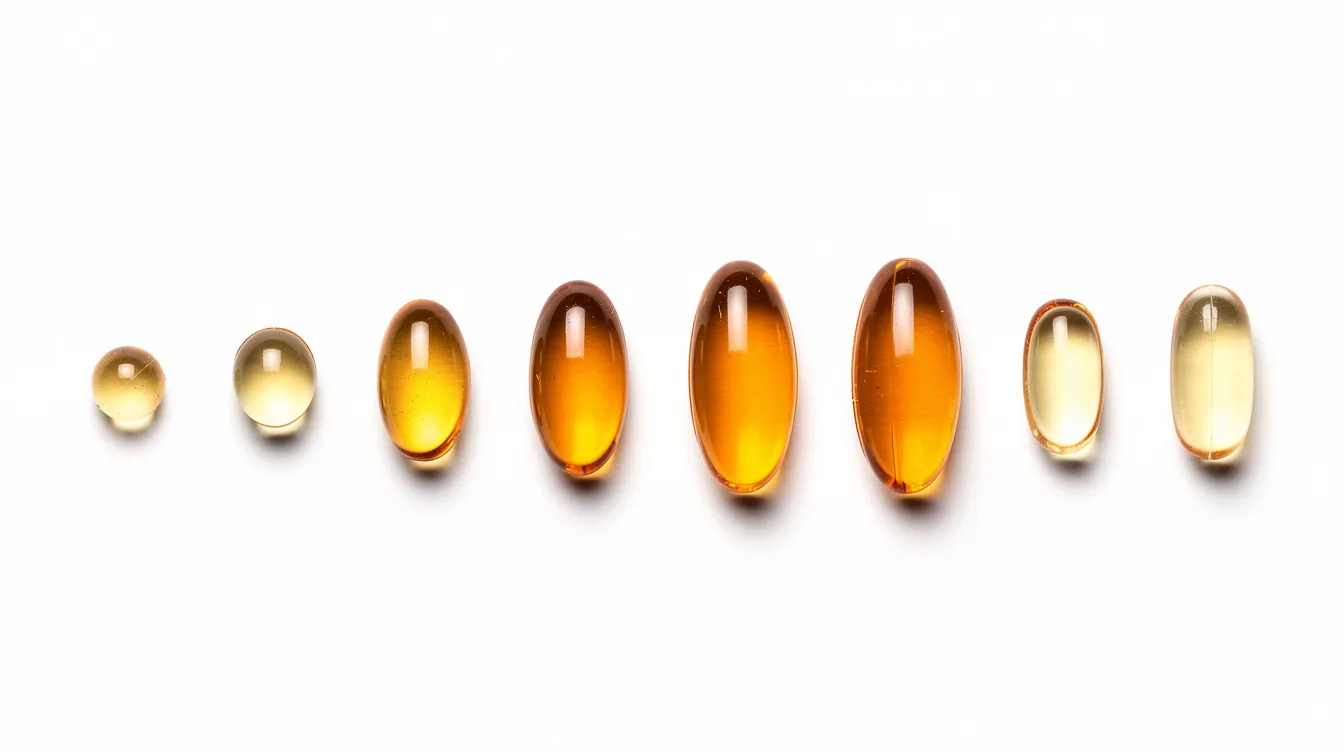
Supplement Forms and Bioavailability: Ethyl Ester Form vs Triglyceride
The molecular form of your omega-3 supplement significantly affects how much you actually absorb.
The Ethyl Ester Production Process
Most concentrated omega-3 supplements start as natural triglycerides extracted from fish. To increase EPA/DHA concentration (sometimes to 90%+ purity), manufacturers use a process called transesterification.
This involves:
- Reacting natural triglycerides with ethanol
- Applying high temperature and pressure
- Separating and concentrating the EPA/DHA ethyl esters
- Removing excess ethanol and byproducts
The result: ethyl ester (EE) form omega-3s that offer high purity at lower production costs. However, this pharmaceutical process changes how your body handles the fatty acids.
Bioavailability Comparison
A 2011 meta-analysis of 10 trials quantified the absorption differences:
| Form | Relative Bioavailability | Notes |
|---|---|---|
| Natural triglycerides (TG) | 100% (reference) | As found in fish |
| Ethyl ester (EE) | 73% without fat | Requires dietary fat |
| Re-esterified TG (rTG) | 124% vs natural TG | Concentrated and well-absorbed |
| Phospholipid (krill) | 150-200% vs TG | Enhanced lymphatic uptake |
The triglyceride form consistently outperforms ethyl ester form by 20-50% in absorption studies. Your digestive system evolved to process triglycerides—they’re the natural triglycerides found in food. Ethyl esters require an extra metabolic step.
Effect of Dietary Fat on Ethyl Ester Absorption
Here’s what most people don’t realize about their fish oil supplements: taking fish oil in ethyl ester form on an empty stomach dramatically reduces absorption.
Pharmacokinetic studies show that co-ingesting 20-40g of dietary fat increases ethyl ester uptake by 4-10 fold. That’s not a small effect—it’s the difference between wasting most of your supplement and actually absorbing it.
Practical translation: if your supplement uses ethyl ester form, always take it with a meal containing fat. Avocado, nuts, olive oil, or simply a normal meal with some fat content makes the difference.
Re-Esterified Triglyceride and Phospholipid Forms
Re-esterified triglyceride (rTG) represents a middle ground. Manufacturers take concentrated ethyl esters and convert them back to triglyceride form. You get high concentration plus good bioavailability, though at higher cost.
Phospholipid forms (primarily from krill oil) attach EPA/DHA to phospholipid carriers. This enhances lymphatic absorption and may improve delivery to neural tissues where phospholipids integrate directly into cell membranes.
The form matters as much as the dose. A 1000mg ethyl ester supplement taken without food might deliver less EPA/DHA than a 500mg triglyceride supplement taken with dinner.
Clinical Trials and Evidence for Longevity Dose
Moving from mechanisms to outcomes: what do controlled studies actually show about omega-3s and lifespan? Several large trials have found that omega-3 supplementation is associated with a lower incidence of fatal coronary heart disease.
Randomized Controlled Trial Designs
The gold standard for establishing causation is the randomized controlled trial. Several large RCTs have examined omega-3 supplementation with mortality and aging endpoints.
DO-HEALTH Trial (2025 post-hoc analysis)
This 3-year multicenter trial enrolled 777 adults aged 70+ years. Participants received 1g/day omega-3 (EPA+DHA) with or without additional interventions.
Key design elements:
- Randomized, placebo-controlled
- Multi-arm (omega-3 alone, with vitamin D, with exercise)
- Primary endpoints included epigenetic aging markers
REDUCE-IT Trial
This cardiovascular outcomes trial used 4g/day of icosapent ethyl (highly purified EPA) in patients with elevated triglycerides and established cardiovascular disease or diabetes.
VITAL Trial
Large-scale trial examining 1g/day omega-3 supplementation in over 25,000 participants for cancer and cardiovascular outcomes.
Dose Ranges Used in Major Trials
The clinical trials evaluating omega-3 benefits span a wide dosing range:
| Trial | Daily Dose | Form | Population |
|---|---|---|---|
| DO-HEALTH | 1g EPA+DHA | Mixed | Healthy elderly |
| REDUCE-IT | 4g EPA | Ethyl ester | High CV risk |
| VITAL | 1g EPA+DHA | Mixed | General population |
| GISSI-Prevenzione | 1g EPA+DHA | Mixed | Post-MI patients |
Most longevity-focused research uses 1-2g/day, while therapeutic trials for high cardiovascular risk often go to 4g/day.
Mortality and Longevity Outcomes
The evidence for mortality reduction comes from both observational and interventional data:
Observational findings:
The Framingham Offspring Cohort found that participants with an omega-3 index above 6.8% lived an average of 4.7 years longer than those with lower levels. The highest quintile showed 34% reduced mortality risk.
The pooled 17-study meta-analysis (42,500 participants) confirmed 15-21% mortality risk reduction comparing highest to lowest omega-3 quintiles. This held for both all-cause mortality (18% reduction) and cardiovascular death.
Interventional findings:
The DO-HEALTH trial’s epigenetic analysis revealed that 1g/day omega-3 slowed biological aging by 2.9-3.8 months across three validated aging clocks (PhenoAge, GrimAge2, and DunedinPACE). When combined with vitamin D (2000IU) and exercise, effects were amplified.
GISSI-Prevenzione showed 10-20% reduction in sudden cardiac death risk with 1g/day supplementation in post-heart attack patients.

Biomarker Variability Across Trials
Not all trials show consistent results, and understanding why helps interpret the evidence:
Population differences: Trials in healthy adults versus those with established coronary heart disease or high cardiovascular risk show different effect sizes. Benefits appear stronger in deficient populations.
Duration: Short trials (under 2 years) may miss longevity effects that accumulate over time. The DO-HEALTH 3-year duration captured epigenetic changes that shorter trials might miss.
Endpoint selection: Epigenetic clocks versus hard outcomes (death, heart disease events) measure different things. Biomarkers can shift before clinical events become apparent.
Mouse studies: The Interventions Testing Program found no lifespan extension in mice fed low or high fish oil doses. This challenges omega-3’s status as a geroprotector, though mouse lipid metabolism differs substantially from humans.
The human observational data strongly supports the omega-3 longevity connection. Interventional data confirms biological effects. The magnitude of lifespan extension remains under investigation.
Recommended Omega-3 Longevity Dose for Healthy Adults
Given the evidence, what should you actually take?
Dose Range Recommendation
For healthy adults seeking longevity benefits, the evidence points to 1-2g/day of combined EPA+DHA as the optimal range.
This recommendation comes from:
- Clinical trial doses showing epigenetic and mortality benefits
- Expert consensus from omega-3 researchers like William S. Harris
- Achievability through reasonable supplementation or dietary supplementation combined with fish consumption
Starting point: 1g/day EPA+DHA for most adults. This matches the DO-HEALTH protocol that demonstrated slowed epigenetic aging.
Adjustment upward to 2g/day may be warranted for those with:
- Low baseline omega-3 index
- Higher body weight
- Reduced absorption capacity
- Elevated inflammation markers
Target Omega-3 Index Percentage
The omega-3 index measures EPA+DHA as a percentage of total fatty acids in red blood cells. This reflects your tissue omega-3 status over the previous 120 days (red cell lifespan).
Target zones:
| Omega-3 Index | Status | Mortality Risk |
|---|---|---|
| < 4% | Deficient | Highest |
| 4-8% | Adequate | Intermediate |
| 8-12% | Optimal | Lowest |
An omega-3 index of 8-12% correlates with maximal longevity benefits in cohort studies. Most Americans fall between 4-6%, well below optimal.
Reaching 8%+ typically requires consistent intake of 1-2g/day EPA+DHA for 4-6 months, though individual fatty acid levels vary based on genetics, diet, and absorption.
Testing Before and After Supplementation
Personalized dosing beats population averages. Here’s the protocol:
- Baseline testing: Measure omega-3 index before starting supplementation
- Initial supplementation: Begin with 1g/day EPA+DHA
- Follow-up testing: Retest at 4-6 months to assess response
- Dose adjustment: Increase if below target, maintain if within range
Testing laboratories like OmegaQuant offer direct-to-consumer erythrocyte membrane fatty acid profiles. These provide your omega-3 index plus individual fatty acid levels.
Maintenance Dosing After Target Reached
Once you achieve an omega-3 index in the 8-12% range, maintenance dosing can often decrease to 500-1000mg/day.
The omega-3 index reflects a rolling 120-day average. Consistent moderate intake maintains levels more effectively than sporadic high doses.
Continue annual testing to verify your maintenance dose sustains your target. Factors like dietary changes, weight fluctuations, or absorption issues can shift your needs over time.
Cardiovascular Disease Risk Factors and Omega-3s
Beyond longevity, omega-3s directly influence multiple cardiovascular disease risk factors. They also support joint health due to their anti-inflammatory properties, providing benefits beyond cardiovascular protection.
Triglyceride Lowering Effects
This is the most robust and dose-dependent cardiovascular benefit. Meta-analyses of 38 RCTs confirm:
- 2-4g/day EPA+DHA: 20-30% triglyceride reduction
- 1g/day: More modest effects (10-15%)
- Baseline dependent: Greater reductions in those starting with higher triglycerides
The FDA has approved prescription omega-3 products (like Vascepa and Lovaza) specifically for severe hypertriglyceridemia (triglycerides >500mg/dL).
For general longevity supplementation at 1-2g/day, expect meaningful but not dramatic triglyceride effects in the 15-20% reduction range.
Influence on Blood Pressure
The blood pressure effects of omega-3s are real but modest:
- Systolic BP reduction: 2-4 mmHg in meta-analyses
- Diastolic blood pressure: Similar small reductions
- Greatest effects: In those with existing hypertension
These reductions won’t replace antihypertensive medication for someone with clinical high blood pressure. However, population-wide, even 2-3 mmHg systolic reduction translates to meaningful cardiovascular event prevention.
The effects appear more pronounced with higher doses (2-4g/day) and in hypertensive populations.
Arrhythmia and Sudden Death Risk
Some of the most compelling cardiovascular data concerns sudden cardiac death:
GISSI-Prevenzione: 1g/day omega-3 reduced sudden death risk by 45% in post-heart attack patients—an effect that appeared within months of starting supplementation.
Proposed mechanisms:
- Membrane stabilization in cardiac myocytes
- Reduced ventricular arrhythmia susceptibility
- Improved heart rate variability
A note of caution: some recent trials suggest high-dose omega-3 (4g/day) may slightly increase atrial fibrillation risk in susceptible individuals. This appears specific to very high doses and pre-existing arrhythmia risk.
Medication Interactions Review
Omega-3s interact with several medication classes:
Anticoagulants (warfarin, heparin): Omega-3s have mild antiplatelet effects that may enhance anticoagulation. Monitor INR more frequently when starting or changing omega-3 doses.
Antiplatelet agents (aspirin, clopidogrel): Additive effects on platelet function. Generally not clinically significant at longevity doses, but worth discussing with your physician.
Blood pressure medications: Additive hypotensive effects. May allow dose reduction of antihypertensives over time.
Statins: Generally safe to combine. Some evidence suggests synergistic cardiovascular benefits.
If you take any cardiovascular medications, inform your clinician about omega-3 supplementation, particularly at doses above 2g/day.
Omega-3 Blood Testing and Monitoring
Personalized dosing requires measurement. The omega-3 index provides the most clinically relevant marker.
Omega-3 Index Testing for Personalized Dosing
The omega-3 index specifically measures EPA+DHA as a percentage of total fatty acids in erythrocyte (red blood cell) membranes. This matters because:
- Red blood cells incorporate fatty acids from plasma
- Their 120-day lifespan provides a medium-term average
- Membrane composition reflects tissue omega-3 status better than plasma levels
Testing requires a blood samples—either a venous draw or a dried blood spot (finger prick). Several labs offer this testing:
- OmegaQuant: Founded by omega-3 researcher William Harris
- HS-Omega-3 Index: Research-grade testing
- Some standard lipid panels: Now include omega-3 index
Cost typically ranges from $50-100 for direct-to-consumer testing.
Testing Frequency Timeline
A practical schedule for most adults:
- Baseline: Before starting supplementation
- 4-6 months: After establishing consistent supplementation
- If on target: Annual testing for maintenance
- If below target: Increase dose, retest in 3-4 months
- After protocol changes: 3-4 months post-adjustment
More frequent testing rarely provides additional actionable information given the omega-3 index’s 120-day averaging.
Target Thresholds for Adequacy and Ideal Range
| Omega-3 Index | Classification | Recommendation |
|---|---|---|
| < 4% | Deficient/High Risk | Increase intake significantly |
| 4-6% | Suboptimal | Increase to reach 8%+ |
| 6-8% | Adequate | May benefit from modest increase |
| 8-12% | Optimal | Maintain current intake |
| >12% | High | Generally safe, no additional benefit shown |
The 8-12% range represents the target based on mortality data. Below 4% associates with substantially elevated cardiovascular and mortality risk. Most health organizations have not yet adopted omega-3 index targets in official guidelines, though research supports their clinical utility.
Safety, Side Effects, and Upper Limits
Omega-3 supplements have an excellent safety profile at recommended longevity doses, but awareness of potential issues prevents problems.
Common Mild Side Effects
Most side effects occur at higher doses and resolve with adjustment:
- Fishy aftertaste/burps: 5-10% incidence, worse with ethyl ester forms
- Gastrointestinal upset: 3-5%, including nausea, diarrhea, bloating
- Fishy breath: Related to incomplete digestion
- Easy bruising: Rare, related to antiplatelet effects
Mitigation strategies:
- Take with meals
- Freeze capsules before taking (slows release)
- Switch to triglyceride or enteric-coated forms
- Split doses across meals
Established Supplemental Upper Intake Limits
The FDA considers up to 5g/day EPA+DHA from dietary supplements generally recognized as safe.
The european food safety authority similarly notes that supplemental intakes up to 5g/day have not shown adverse effects in clinical trials.
However, the food and nutrition board has not established a formal Tolerable Upper Intake Level (UL) for omega-3s due to insufficient data on long-term very-high-dose safety.
For longevity purposes, 1-2g/day sits well within established safety margins.
Oxidative Rancidity in Aged Oils
Fish oil degrades through oxidation, producing harmful lipid peroxides. Signs of rancidity:
- Strong fishy smell when capsule is opened
- Off taste beyond mild fishiness
- Cloudiness or discoloration
Technical indicator: Peroxide value >5 meq/kg indicates problematic oxidation.
Oxidized oils may actually promote rather than reduce inflammation, negating the health benefits you’re seeking.
Quality supplements:
- Include antioxidants (vitamin E/tocopherols)
- Use nitrogen flushing to displace oxygen
- Have recent manufacture dates
- Store recommendations for cool, dark conditions
Bleeding Risk Consultation
At longevity doses (1-2g/day), clinically significant bleeding is rare. However, consider consultation if:
- You take anticoagulants or antiplatelet drugs
- You have a bleeding disorder
- You’re scheduled for surgery (some surgeons recommend stopping 1-2 weeks prior)
- You bruise unusually easily
High dose fish oil (>3g/day) carries theoretical increased bleeding risk, though clinical trial data doesn’t show dramatic effects even at 4g/day.
Choosing High-Quality Fish Oil and EPA/DHA Supplements
Quality varies enormously in the supplement market. Here’s how to identify products worth taking fish oil supplements seriously.
Check EPA and DHA Per Serving on Labels
The label must clearly state:
- EPA content in milligrams per serving
- DHA content in milligrams per serving
- Number of capsules per serving
Calculate your cost per gram of EPA+DHA, not per capsule. A cheaper supplement with lower concentration may actually cost more per effective dose.
Minimum targets for longevity dosing:
- 500mg combined EPA+DHA per serving minimum
- Higher concentrations (>70% omega-3) reduce pill burden
Verify Form: Triglyceride Versus Ethyl Ester
Labels don’t always clearly state the molecular form. Look for:
Triglyceride indicators:
- “Triglyceride form” or “TG”
- “rTG” or “re-esterified triglyceride”
- “Natural form”
Ethyl ester indicators:
- “EE” or “ethyl ester”
- Very high concentrations (>80%) often indicate EE
- Generic fish oil at low prices usually is EE
When in doubt, contact the manufacturer. Quality brands willingly disclose their form.
Third-Party Purity Testing Certification
Independent testing verifies what’s actually in the bottle:
IFOS (International Fish Oil Standards):
- 5-star rating indicates highest purity
- Tests for oxidation, heavy metals, PCBs, dioxins
- Publicly searchable database
USP Verified:
- United States Pharmacopeia certification
- Verifies identity, potency, purity, dissolution
NSF International:
- Tests for contaminants
- Common in athletic supplement verification
ConsumerLab:
- Independent testing and reviews
- Subscription-based access to results
Look for products with < 0.1ppm mercury and PCB levels well below regulatory limits.
Sustainable Sourcing Certifications
Environmental impact matters for long-term omega-3 availability:
- Friend of the Sea: Sustainable fishing practices
- MSC (Marine Stewardship Council): Chain of custody and sustainable fisheries
- IKOS: International Krill Oil Standards
Algae oil inherently avoids fishery impact since it’s cultivated rather than wild-harvested.
Dosing Protocols and Practical Administration Tips
Getting the details right maximizes your supplement’s effectiveness.
Morning Versus Evening Dosing
Research doesn’t show a strong advantage for either timing. Consider:
Morning dosing advantages:
- Better compliance (part of established routine)
- Energizing for some individuals
- Avoids potential evening reflux issues
Evening dosing advantages:
- Larger meals provide more fat for absorption
- May reduce fishy aftertaste overnight
- Easier to combine with dinner
Practical recommendation: Take omega-3s whenever you’ll consistently remember and with a meal containing fat.
Splitting Large Doses Across Meals
For doses above 2g/day:
- Split into 2-3 servings
- Distribute across meals
- Reduces GI side effects
- May improve total absorption
Single large doses stress digestive capacity and increase side effect risk. Splitting also provides more consistent blood levels throughout the day.
Taking Ethyl Ester With Fatty Meals
If your supplement uses ethyl ester form, this isn’t optional—it’s essential for absorption.
Fat requirements for optimal absorption:
- 20-40g dietary fat with the dose
- Roughly equivalent to: one avocado, 3 tbsp olive oil, or a normal fatty meal
Meal timing:
- Take during or immediately after the meal
- Fat must be digesting simultaneously with the omega-3s
- A small snack isn’t sufficient
If you take supplements first thing in the morning without food, switch to triglyceride form or change your timing.

Proper Storage to Limit Oxidation
Omega-3s are highly susceptible to oxidative degradation:
Storage requirements:
- Cool temperature (refrigeration extends shelf life)
- Dark location (light accelerates oxidation)
- Sealed container (minimize air exposure)
- Use within expiration date
Signs your oil has degraded:
- Strong rancid or very fishy smell
- Changed color or consistency
- Expired or long past purchase date
Some high-quality products include nitrogen flushing and light-blocking bottles. These premium features justify higher prices by delivering fresh, effective omega-3s.
Special Populations and Clinical Considerations
Standard recommendations don’t apply universally. Certain groups need modified approaches.
Pregnancy and Lactation Dosing
DHA accumulates rapidly in fetal brain tissue during the third trimester and continues through early childhood. Adequate maternal status directly impacts infant development.
ACOG recommendations: 650mg DHA/day during pregnancy and lactation
Practical guidance:
- Choose low-mercury sources (small fish, algae)
- Emphasize DHA over EPA for neural development
- Continue through breastfeeding
- Check that prenatal supplements provide adequate DHA
Many prenatal supplements contain minimal omega-3s. Separate DHA supplementation often necessary to reach recommended levels.
Elderly Adult Adjustments
Older adults often have lower baseline omega-3 index (frequently < 4%) and may benefit from higher supplementation:
Recommendations for adults 65+:
- Target 1-2g/day EPA+DHA
- Test omega-3 index given high deficiency prevalence
- Monitor for medication interactions (many take multiple prescriptions)
- Consider triglyceride form given potential absorption issues
The DO-HEALTH trial specifically enrolled adults 70+ and showed epigenetic benefits at 1g/day, supporting this dose range in elderly populations.
Prescription Omega-3 Products
For clinical indications beyond longevity, prescription products offer standardized pharmaceutical-grade options:
Vascepa (icosapent ethyl): Pure EPA, 4g/day for severe hypertriglyceridemia
Lovaza (omega-3-acid ethyl esters): EPA+DHA combination for triglycerides >500mg/dL
Epanova: Omega-3 carboxylic acids, improved absorption without fat
These products undergo pharmaceutical manufacturing standards and provide precisely dosed EPA/DHA for managing total coronary heart disease risk in high-risk patients.
Insurance may cover prescription products for appropriate indications, potentially making them cost-effective despite higher sticker prices.
Chronic Disease Patient Consultation
Several conditions warrant clinician involvement before omega-3 supplementation:
Immune conditions: Omega-3s modulate immune response. Those with autoimmune diseases or on immunosuppressants should discuss with their physician. Rheumatoid arthritis patients may benefit from anti inflammatory effects but need appropriate monitoring.
Arrhythmias: While omega-3s generally reduce arrhythmia risk, very high doses (4g/day) may increase atrial fibrillation risk in susceptible individuals.
Bleeding disorders or anticoagulation: Additive effects on hemostasis require monitoring.
Scheduled surgery: Many surgeons recommend discontinuing omega-3s 1-2 weeks preoperatively.
Mental health conditions: Omega-3s show promise for depression and other mental health applications, but should complement rather than replace standard treatments.
Research Gaps and Future Clinical Trials
Despite substantial evidence, important questions remain unanswered.
Unanswered Dosing Questions for Longevity
Current evidence supports 1-2g/day for longevity, but key uncertainties persist:
- 1g vs 2g head-to-head: No trials directly compare these doses for longevity endpoints
- EPA:DHA ratio optimization: Is there an ideal balance for aging?
- Baseline-dependent responses: Do those with low vs. adequate baseline status respond differently?
- Duration of benefit accumulation: Does 10 years of supplementation provide more benefit than 3?
These gaps reflect the challenge and expense of long-duration randomized trials with mortality endpoints.
Standardized Biomarker Use in Trials
Research would benefit from consistent outcome measurement:
- Omega-3 index: Not yet routinely measured in cardiovascular trials
- Epigenetic clocks: Multiple versions exist with varying sensitivity
- Inflammatory markers: Inconsistent selection across studies
Standardization would improve meta-analysis quality and enable clearer dose-response relationships.
Long-Duration Randomized Longevity Studies
The ideal study—a 10+ year RCT in healthy adults with mortality as primary endpoint—doesn’t exist for omega-3s.
Why it matters: Current longevity evidence relies heavily on observational associations. While consistent and biologically plausible, confounding remains possible.
Challenges:
- Cost (hundreds of millions of dollars)
- Duration (a decade minimum)
- Compliance maintenance
- Ethical considerations for placebo arm
Alternative approaches:
- Mendelian randomization studies
- Longer-term follow-up of existing trials
- Continued epigenetic clock research as surrogate endpoints
Until such data exists, the preponderance of evidence supports longevity benefits, but definitive proof awaits.
References, Tools, and Resources
Practical resources for implementing omega-3 optimization.
Clinical Guideline Sources
American Heart Association (AHA):
- Recommends 1g/day EPA+DHA for coronary heart disease
- Endorses fish consumption (two servings weekly minimum)
- Supports prescription omega-3s for severe hypertriglyceridemia
European Society of Cardiology (ESC):
- Similar cardiovascular recommendations
- Emphasizes marine omega-3s over plant sources
Academy of Nutrition and Dietetics:
- Supports omega-3 intake through food and supplements
- Guidance for specific life stages
These organizations provide evidence-based frameworks for healthcare provider recommendations.
Certified Omega-3 Testing Labs
OmegaQuant (omegaquant.com):
- Founded by William Harris, PhD
- Gold-standard omega-3 index testing
- Direct-to-consumer and clinical options
- Fingerprick and venous options
HS-Omega-3 Index:
- Research-grade analysis
- Used in many published studies
- Available through some clinicians
Cleveland HeartLab:
- Comprehensive cardiovascular biomarker panels
- Includes omega-3 analysis
Test interpretation typically accompanies results, showing your index relative to risk categories.
Dietary Supplement Label Databases
NIH Office of Dietary Supplements (ODS):
- Dietary Supplement Label Database
- Searchable by brand and product
- Verifies label claims
IFOS Consumer Report:
- Searchable database of tested fish oils
- Purity and concentration data
- Free public access
ConsumerLab:
- Independent testing and reviews
- Subscription required for full access
- Identifies products that fail testing
These resources help verify that your chosen product delivers what the label claims.
Key Takeaways
- Target dose: 1-2g/day EPA+DHA for longevity in healthy adults
- Optimal omega-3 index: 8-12% associated with lowest mortality risk
- Form matters: Triglyceride forms absorb 20-50% better than ethyl esters
- Test and adjust: Measure baseline omega-3 index, retest at 4-6 months, adjust accordingly
- Take with fat: Especially critical for ethyl ester forms (4-10x absorption difference)
- Quality indicators: Third-party testing, clear EPA/DHA amounts, sustainable sourcing
- Safety: FDA considers up to 5g/day safe; most side effects mild and dose-related
- Special populations: Higher DHA for pregnancy, increased attention for elderly and those on medications
The relationship between omega 3 longevity dose and lifespan isn’t speculation—it’s supported by consistent observational data and mechanistic understanding. The practical steps are straightforward: test your levels, supplement appropriately, verify absorption, and retest.
Fish consumption provides the original pathway to adequate omega-3 status. For those who don’t regularly eat fish, high-quality fish oil supplements or algae oil offer equivalent biological effects when dosed properly.
Start with a baseline omega-3 index test. That single number tells you whether you’re in the deficient, adequate, or optimal range—and guides every decision that follows.