Related topic: This article is part of Expert Protocol Profiles. If you want the broader overview, start with Longevity Protocols 2026: Practical, Evidence-Guided Roadmap. Peter Attia has become one of the most influential voices in longevity medicine, and his supplement stack reflects years of refinement based on clinical trial data, patient outcomes, and personal experimentation. What separates his approach from generic supplement advice is the emphasis on testing—every intervention gets measured against biomarkers to confirm efficacy.
This guide breaks down the peter attia supplement stack as of 2025-2026, covering doses, timing, and the lab tests you need to make informed decisions about your own supplementation.
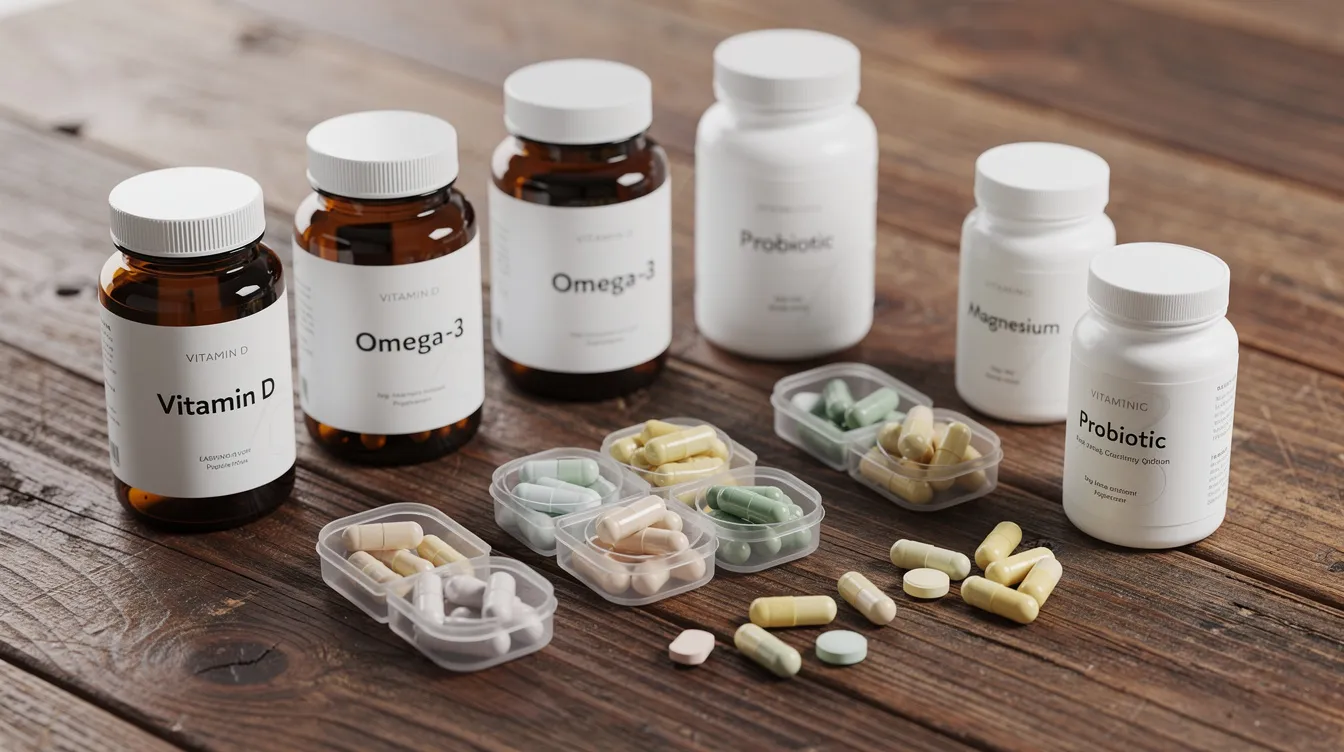
Quick Summary Of Daily Supplements
Attia takes a core set of daily supplements targeting three primary goals: extending lifespan and healthspan, supporting heart health, and preserving cognitive function as aging progresses.
The foundation includes:
- High-EPA fish oil (2.5g EPA, 1g DHA)
- Vitamin D3 (5,000 IU)
- Methylated b vitamins (folate, B12, periodic B6)
- Magnesium across multiple forms (~1g elemental daily)
- Theracurmin for brain health
- Creatine monohydrate (5g)
- Nighttime sleep stack (glycine, ashwagandha, magnesium l threonate)
The critical point Attia describes in his drive podcast episodes and AMAs: supplements must be personalized. For example, peter’s patients are often advised to monitor their Omega-3 Index and follow his specific fish oil dosage recommendations to achieve optimal health outcomes. What works for peter’s patients may not apply to you without baseline testing and retesting to confirm response.
Fish Oil
Fish oil anchors the stack for cardiovascular and metabolic benefits. Attia targets 2.5 grams EPA paired with 1 gram DHA daily, typically achieved with four capsules of a high-EPA formulation like Carlson MaxOmega 2000.
Why the emphasis on EPA over balanced formulations? Research shows high-EPA fish oil delivers superior triglyceride reduction—up to 25-30% at these doses—while still providing DHA for brain health.
Key recommendations:
- Measure your Omega-3 Index every 4-6 months
- Target an Omega-3 Index above 8%
- Population studies correlate this range with 30-50% reduced cardiovascular risk
Even regular consumption of fatty fish rarely achieves optimal levels without supplementation. The exact dose you need depends on your baseline index and dietary intake.
Vitamin D And Bone Health
Vitamin d supports bone health, immune function, and potentially reduces cancer risk. Attia targets serum 25-hydroxy vitamin d levels between 40-60 ng/mL—a range supported by meta-analyses showing minimized fracture risk without toxicity concerns.
His protocol:
- Baseline 25-OH vitamin D test before starting
- 5,000 IU D3 daily, taken with fat for absorption
- Retest 8-12 weeks after any dose adjustment
Genetic variations in vitamin D receptor efficiency mean some people require higher doses to reach target levels. Testing removes the guesswork and prevents both underdosing and the risk of toxicity above 100 ng/mL.
B Vitamins And Homocysteine
Elevated homocysteine levels independently predict dementia and cardiovascular disease, with longitudinal studies showing odds ratios up to 2.5 for cognitive decline. Attia addresses this with methylated versions of key b vitamins.
Daily protocol:
- Methylfolate: 400 mcg
- Methyl B12: 500 mcg
- Vitamin B6: 50 mg only three times weekly
The pulsed B6 approach prevents peripheral neuropathy risk associated with chronic high intake exceeding 100 mg daily. This amino acid metabolism pathway requires all three vitamins working together.
Monitor homocysteine levels every 6 months. Target: below 10 μmol/L.
Magnesium Strategy
Modern diets fall roughly 50% below magnesium needs, making supplementation essential for most people. Attia’s approach involves strategic use of multiple forms totaling around 1 gram elemental magnesium daily.
The rationale for splitting forms:
| Form | Timing | Purpose | Bioavailability |
|---|---|---|---|
| Magnesium chloride (SlowMag) | Daytime | Muscle/metabolic support | 60-70% |
| Magnesium l threonate | Evening | Cognitive/sleep | Crosses BBB |
| Magnesium oxide | Filler only | Not primary | 4% (poorly absorbed) |
Avoid relying on magnesium oxide as your primary source—it’s poorly absorbed compared to chelated forms.
Magnesium L-Threonate And Blood Brain Barrier
Standard magnesium forms don’t effectively cross the blood brain barrier. Magnesium l threonate is unique: it uses a threonate transporter to penetrate the BBB, elevating cerebrospinal fluid magnesium by approximately 15% in animal models.
Human studies with 1.5-2 gram doses over 12 weeks show improved synaptic density and memory retention. Attia times two capsules in the evening for dual sleep and neuroprotection benefits.
Product sourcing matters. Look for licensed Magtein products—the market contains underdosed knockoffs claiming similar efficacy without the patented formulation.

Cognitive Function And Brain Health
Preserving cognitive function ranks among Attia’s primary longevity goals. His interventions target inflammation, amyloid accumulation, and synaptic health.
Supplements favored for brain health:
- Theracurmin (highest evidence for mild cognitive impairment)
- Magnesium L-threonate (brain penetration)
- Creatine (brain phosphocreatine replenishment)
- High-DHA fish oil (neuronal membrane support)
Track your baseline with simple cognitive assessments like the Montreal Cognitive Assessment (MoCA). Age-related cognitive decline runs 1-2% annually—quarterly tracking helps quantify whether interventions are working.
Theracurmin For Cognitive Function
Standard turmeric supplements have poor bioavailability. Theracurmin uses nanoparticle technology achieving 27-fold higher absorption than unenhanced curcumin powder.
Clinical trial data:
- Dosing: 90-180 mg daily
- Phase III trials show 20-30% reductions in amyloid plaques
- Improvements in verbal memory scores in mild cognitive impairment patients
- Reductions in inflammatory markers like IL-6
Attia prioritizes Theracurmin over alternatives like Meriva or Longvida based on stronger clinical data. Monitor hs-CRP and cognition every 3 months to assess effectiveness.
Sleep And Nighttime Stack
Quality sleep underpins recovery, cognitive health, and metabolic function. Attia’s nighttime stack layers multiple compounds timed 30-60 minutes before bed.
Core sleep supplements:
- Glycine: 2 grams (lowers core body temperature 0.5-1°C for faster sleep onset)
- Ashwagandha KSM-66: 600 mg (reduces cortisol 23%, improves sleep efficiency 15%)
- Magnesium L-Threonate: Two capsules evening dose
Before starting ashwagandha or any new supplement, consult a doctor, especially if you have health conditions or are taking prescription medications.
For jet lag specifically, Attia adds:
- Melatonin: 1-3 mg
- Phosphatidylserine: 400-600 mg (blunts cortisol spikes exceeding 50% post-travel)
Use a sleep tracker to establish baseline metrics before starting, then reassess after 2-4 weeks.

Athletic Greens
Athletic greens AG1 provides micronutrient insurance covering 75+ compounds including adaptogens and prebiotics. Attia integrates one scoop into his morning routine, increasing to two scoops on high-training days.
Practical considerations:
- Review the AG1 ingredient list against your existing supplements to identify redundancies
- At $99 monthly, cost-benefit analysis matters
- Third-party testing provides quality assurance
- No supplement replaces whole foods, but AG1 bridges gaps for athletes with 20-30% higher nutrient demands
Run a trial period and assess whether you notice tangible benefits before committing long-term.
Glucose Control Probiotic
Pendulum Glucose Control targets butyrate-producing bacterial strains like Akkermansia. Research shows improvements in postprandial glucose by 15-20 mg/dL and HbA1c reductions of 0.5-1% in prediabetics.
Implementation:
- Two capsules morning dosing
- Pair with continuous glucose monitoring to track excursions
- Target postprandial glucose under 140 mg/dL
- Monitor HbA1c every 3 months
This intervention reflects Attia’s focus on metabolic flexibility—insulin resistance prevalence has doubled since 2000, making glucose control increasingly relevant for longevity.
Baby Aspirin And Heart Health
Baby aspirin at 81 mg daily remains controversial for primary prevention. Attia frames this as a risk-benefit conversation requiring clinician involvement.
The tradeoffs:
| Potential Benefits | Potential Risks |
|---|---|
| 20-25% reduction in cardiovascular events | 50-70% increased bleeding odds |
| Platelet inhibition | GI complications |
Before starting, assess bleeding risk using tools like HAS-BLED. The USPSTF de-emphasized routine aspirin use post-2022, so revisit this decision annually as new research on heart health interventions emerges. This isn’t like taking rapamycin or other prescription medications where FDA guidance is clearer—aspirin requires individualized assessment.
Creatine And Protein Strategy
Creatine monohydrate stands among the most evidence-backed supplements available, with 500+ human studies confirming safety and efficacy over 20+ years.
Creatine protocol:
- 5 grams daily, no cycling required
- Time around workouts
- Brands: Thorne or Optimum Nutrition
- Benefits: 5-15% strength gains plus cognitive benefits (especially in vegetarians)
For protein, Attia uses whey isolate at 20-50 grams per serving:
- High leucine content (2.5-3g per serving) triggers muscle protein synthesis
- Blend flavored and unflavored powders for adherence
- Lower carbs and fats in isolate versus concentrate
- Track muscle mass and strength monthly
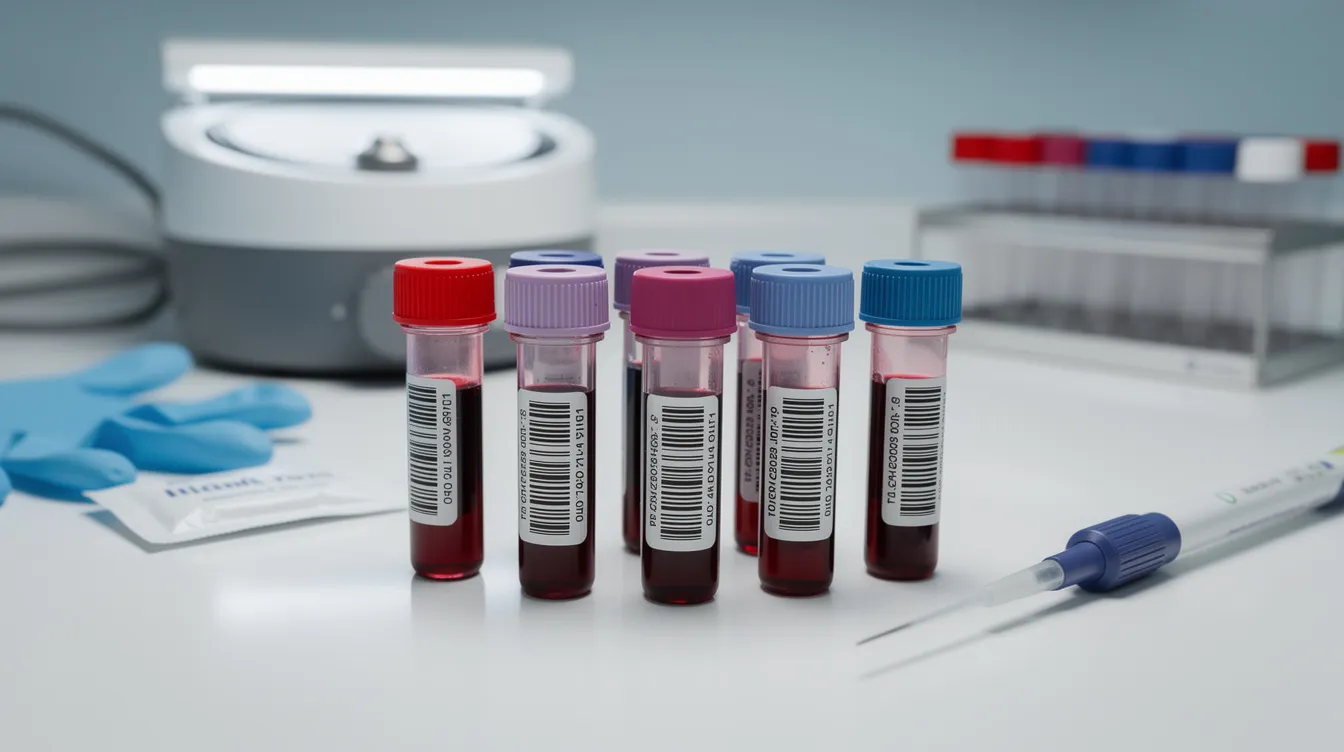
Measuring Effectiveness And Lab Testing
Without testing, you’re guessing. Attia’s framework evaluates every supplement through biomarker changes.
Essential labs:
| Marker | Target | Testing Frequency |
|---|---|---|
| Omega-3 Index | >8% | Every 4-6 months |
| 25-OH Vitamin D | 40-60 ng/mL | Every 8-12 weeks post-change |
| Homocysteine | < 10 μmol/L | Every 6 months |
| hs-CRP | < 1 mg/L | Every 3 months |
| HbA1c | < 5.4% | Every 3 months |
Use continuous glucose monitoring to evaluate glucose control interventions in real-time. This approach supports informed decisions rather than blind supplementation.
Practical Stacking Tips And Safety
Adding multiple supplements simultaneously makes it impossible to attribute effects. Attia recommends introducing one at a time over 2-4 weeks.
Stacking guidelines:
- Stagger fat-soluble supplements (fish oil, D3) from minerals (magnesium post-meals)
- Check interactions using tools like LiverTox (example: curcumin with blood thinners)
- Most supplements are contraindicated in pregnancy except folate and B12 at RDA levels
- Screen for interactions with prescription drugs you’re currently taking
- Note that some animal studies and fruit flies research don’t translate directly to humans
Quality matters: ConsumerLab audits find heavy metal contamination in 20% of fish oils. Choose third-party tested products (NSF certification).
Appendix: Dosage Cheat Sheet
| Supplement | Dose | Timing | Testing |
|---|---|---|---|
| Fish Oil | 2.5g EPA / 1g DHA | With meals | Omega-3 Index q4-6mo |
| Vitamin D3 | 5,000 IU | With fat | 25-OH q8-12wk |
| Methylfolate | 400 mcg | Daily | Homocysteine q6mo |
| Methyl B12 | 500 mcg | Daily | Homocysteine q6mo |
| Vitamin B6 | 50 mg | 3x weekly | Homocysteine q6mo |
| Magnesium (total) | ~1g elemental | Split day/night | RBC magnesium |
| Theracurmin | 90-180 mg | Daily | hs-CRP, cognition q3mo |
| Glycine | 2g | Pre-bed | Sleep tracker |
| Ashwagandha KSM-66 | 600 mg | Evening | Sleep tracker |
| Creatine | 5g | Around workouts | Strength tests monthly |
| Whey Protein | 20-50g | Post-workout | Body composition |
Alternative brands where evidence is equivalent: Nordic Naturals (fish oil), generic creatine monohydrate, Jarrow Formulas (B vitamins).
Remember: Attia’s stack evolved from early skepticism (pre-2018) to this refined protocol through rigorous self-experimentation. The goal isn’t to copy his exact doses—it’s to prolong lifespan and healthspan through testing, tracking inflammation markers, supporting dna repair mechanisms, and adjusting based on your individual response. Research continues evolving, with trends toward brain-penetrant forms and postbiotics. Your body, your data, your optimization.
Start with baseline labs. Add one supplement. Retest. Adjust. This is how you build an evidence based reason for every capsule you take.
Ongoing research is evaluating supplements such as NAD, NMN, and resveratrol for their potential to extend lifespan and improve healthspan, based on emerging clinical and scientific evidence.