Related topic: This article is part of Biological Age Testing and Tracking. If you want the broader overview, start with Best Biological Age Test Guide: How Biological Age Tests Work And Compare. Your birthdate tells one story. Your body tells another. A phenotypic age calculator bridges this gap by translating routine blood test results into an estimate of how fast your body is actually aging.
Summary of Biological Age
Biological age reflects cumulative physiological wear from lifestyle, genetics, environment, and health choices. Unlike chronological age, which simply counts years since your date of birth, biological age captures your body’s functional state. This distinction matters because a 50-year-old can biologically resemble someone in their 30s—or much older—depending on these combined factors. The phenotypic age model, developed by researchers at UCLA and Yale, provides one of the most accessible ways to measure this difference.
What Phenotypic Age Tells You
Phenotypic age provides valuable insights into your health status beyond what a calendar reveals. A lower phenotypic age than your chronological age suggests slower aging and reduced disease risk. A higher number signals accelerated aging.
Note that this single metric shouldn’t replace comprehensive health assessments. It’s a snapshot, not a complete diagnostic picture.
Use it as a data point to influence conversations with your physician, not as a standalone verdict on your overall well being.
How the Biological Age Calculator Works
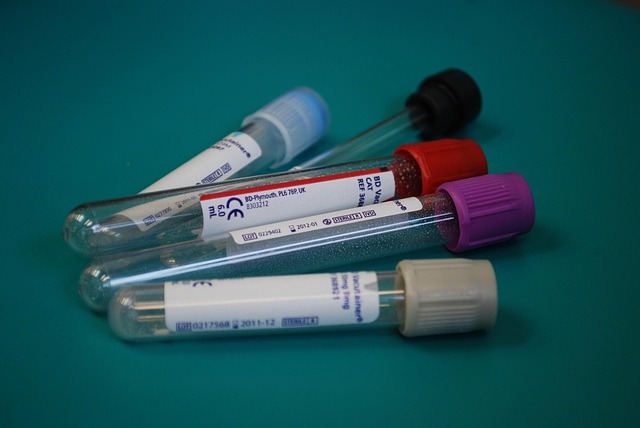
The calculator requires your chronological age and nine biomarkers from standard blood panels. Dr. Morgan Levine’s team created this model in 2018 by analyzing thousands of participants in the NHANES III dataset, filtering 42 potential biomarkers down to nine that best predict mortality and healthspan.
Required Blood Test Results
The nine core biomarkers, all available from routine CBC and chemistry panels:
| Biomarker | Units | Normal Range | Abnormal Example |
|---|---|---|---|
| Albumin | g/dL | 3.5-5.0 | <3.5 (inflammation) |
| Creatinine | mg/dL | 0.6-1.2 | >1.2 (kidney issues) |
| Glucose | mg/dL | 70-99 | 150 (prediabetes) |
| C-Reactive Protein | mg/L | <3.0 | 10 (chronic inflammation) |
| Lymphocyte % | % | 20-40 | <20 (immune suppression) |
| Mean Cell Volume | fL | 80-100 | >100 (B12 deficiency) |
| Red Cell Distribution Width | % | 11.5-14.5 | 16 (anisocytosis) |
| Alkaline Phosphatase | U/L | 44-147 | >147 (liver function concern) |
| White Blood Cell Count | x10³/μL | 4.5-11.0 | >11 (infection/stress) |
Calculation Methodology
The algorithm applies coefficients from a penalized regression model to your biomarker values. Enter your data, and the formula computes a linear combination that maps to phenotypic age. The original study, published as “An epigenetic biomarker of aging for lifespan and healthspan,” validated this approach across independent cohorts from uk biobank and similar datasets.
The Science Behind Phenotypic Age
These biomarkers capture inflammation, metabolic health, immune function, and blood cell quality—reflecting organ systems that degrade with the aging process. CRP and albumin measure inflammatory state. Glucose and creatinine assess metabolic and kidney function. Lymphocytes and WBC indicate immune status.
Compared to epigenetic clocks requiring DNA methylation tests, phenotypic age achieves similar predictive power using accessible bloodwork. The model demonstrates an AUC of approximately 0.88 for 10-year mortality prediction, outperforming chronological age alone.
Interpreting Your Test Results And Age Calculator Output
Your result displays a single number representing your phenotypic age. Calculate the gap by subtracting chronological age from this value.
- Negative gap (-3 or lower): Slower aging, lower risk
- Average gap (-3 to +3): Aligns with population norms
- Positive gap (+3 or higher): Accelerated aging, elevated risk
Risk Translation And Clinical Context
Each five-year phenotypic age increase correlates with roughly 1.5-2x higher mortality hazard. A gap exceeding +10 years warrants discussion with a healthcare professional. They may order follow-up tests like HbA1c or imaging to identify underlying conditions.

Lifestyle Factors That Affect Biological Age
Lifestyle habits significantly influence your biological age. Ranked by estimated impact:
- Smoking: Adds 10-15 years; cessation yields the largest improvement
- Obesity (BMI >30): Contributes 5-8 years via elevated glucose and CRP
- Sedentary behavior: Adds 2-4 years
- Poor diet: Worsens results by 3-5 years
Conversely, exercise (150+ minutes weekly) can reverse 2-5 years. A Mediterranean diet slows aging by 3-7 years. Track progress with quarterly blood tests and measurable targets like 10,000 steps per day or fasting glucose below 90 mg/dL.
Recommendations Based On Phenotypic Age
Short-term steps:
- Add 30-minute daily walks
- Eliminate processed carbs and sugar
- Consider omega-3 supplementation (1-2g EPA/DHA daily)
Long-term approach:
- Monitor phenotypic age every 6-12 months
- Adjust lifestyle based on which biomarkers change
For complex cases with gaps exceeding +10 years, consult a physician for personalized interventions. Family history and existing conditions may require specialized attention.
Limitations Of Biological Age Calculations
The model derives from US NHANES data, potentially limiting accuracy for non-US or non-Caucasian populations. Acute illness can skew biomarkers temporarily—an infection elevates WBC regardless of true biological age. The calculator correlates with aging but doesn’t specify causation or guaranteed fixes. View it as one tool among many, not a definitive health verdict.
User Flow For The Biological Age Calculator
Navigate from homepage to results in three steps: input data, confirm entries, view results.
Input Form: Blood Test Results And Demographics
Required fields:
- Age and sex
- All nine biomarkers with appropriate units
Optional fields enhance interpretation:
- BMI, smoking status, exercise frequency
Include inline help text explaining each biomarker and where to find values on standard lab reports. Flag implausible entries (glucose >500 mg/dL) before calculation.
Age Calculator UI And Visuals
Display the phenotypic age prominently as a large number. Add a visual bar graph showing your age gap—green for negative, red for positive. Include tooltips explaining each biomarker’s contribution to your score.

Provide a print option for sharing results with healthcare providers. The submit button should trigger immediate calculation with results appearing on the same page.
Privacy, Safety, And Data Handling
All calculations run locally via JavaScript—no data leaves your device. No persistent storage occurs. This free tool serves informational purposes only and isn’t FDA-approved. Always consult healthcare professionals before making medical decisions based on results. Subscribe to longevity science updates to learn about improvements to biological age estimation over time.
References And Appendix: Test Results Sources
- Levine et al., “An epigenetic biomarker of aging for lifespan and healthspan” (2018), PMC5940111
- NHANES III clinical reference ranges for all nine biomarkers
- UK Biobank validation cohort data