Related topic: This article is part of Metabolic and Prescription Longevity Drugs. If you want the broader overview, start with Prescription Longevity Drugs: Clinical Guide To Preventive Medicine. Rapamycin has become one of the most discussed interventions in longevity research. Originally developed for transplant medicine, this mtor inhibitor has demonstrated consistent life-extending effects in animal models—prompting researchers and clinicians to explore whether similar benefits might translate to human aging.
The challenge? Moving from promising mouse data to practical human protocols requires careful consideration of dosing, monitoring, and realistic expectations.
This guide provides a comprehensive framework for understanding and potentially implementing a rapamycin longevity protocol. You’ll learn the science behind mtor inhibition, review the current evidence from clinical trials, and find actionable protocols for weekly dosing, safety monitoring, and lifestyle integration.
What you will learn:
- The mechanism by which rapamycin targets the mtor pathway and influences the aging process
- Current evidence from the PEARL Trial and other human studies
- Practical dosing strategies including starter doses and titration schedules
- Safety monitoring protocols with specific lab thresholds
- How to integrate rapamycin therapy with resistance training and nutritional strategies
Overview of Rapamycin Therapy and Goals
Protocol Objective
The rapamycin longevity protocol represents a fundamental departure from the drug’s traditional clinical use. In transplant medicine, rapamycin serves as a potent immunosuppressant to prevent organ rejection. For longevity purposes, the objective shifts entirely: selectively inhibiting the mechanistic target of rapamycin pathway to potentially extend healthspan and lifespan without causing chronic immune suppression.
This distinction matters because it changes everything about how the drug is dosed, monitored, and evaluated.
Target Population
The target population consists of generally healthy older adults seeking to optimize aging outcomes. These individuals are not treating an acute illness but rather attempting to modulate fundamental aging pathways. The approach requires:
- Adults typically over age 50 with no significant contraindications
- Individuals with stable metabolic health and functioning immune system
- Patients willing to commit to regular monitoring and follow-up
- Those who understand the off-label nature of this use
Important: Human longevity trials remain in early stages. No study has yet demonstrated lifespan extension in humans.
Core Outcomes to Track
Based on the PEARL Trial and mechanistic understanding, these are the key endpoints worth monitoring:
| Outcome Category | Specific Markers |
|---|---|
| Immune Function | Immune response markers, infection frequency |
| Cardiometabolic | Lipid panel, fasting glucose, HbA1c |
| Muscle-Related | Lean muscle mass, physical performance |
| Biological Age | Epigenetic clocks, inflammatory markers |
| Patient-Reported | Chronic pain levels, energy, mobility |
The PEARL Trial demonstrated that low-dose intermittent rapamycin resulted in modest changes in biomarkers of biological aging over one year, establishing proof of concept that this approach can alter age related markers.
mTOR Pathway: Mechanism to Mention
Rapamycin is a well-known mtor inhibitor, originally developed as an immunosuppressant, that has gained attention for its potential to extend lifespan and delay age-related diseases. mTOR inhibitors as a class are being actively studied for their effects on aging and age-related diseases, with ongoing research into their therapeutic potential and safety profiles.
2.1 Mechanism of action: mTOR pathway and aging
The mtor pathway serves as a master regulator of cell growth, protein synthesis, and cellular metabolism. Cell biol research has shown that mTOR signaling and autophagy play crucial roles in aging at the cellular level, influencing processes such as cellular senescence and neurodegeneration.
mTOR Pathway Role in Aging
The mtor pathway serves as a master regulator of cell growth, protein synthesis, and cellular metabolism. Cell biol research has demonstrated that mTOR signaling and autophagy are crucial in the aging process, highlighting how these cellular mechanisms impact longevity and age-related diseases. This conserved growth pathway is repeatedly linked to aging across species—from yeast science to mammalian target studies.
Here’s the core problem: chronic mTORC1 overactivation drives age related decline. As we age, this pathway remains inappropriately active, promoting cellular processes that were beneficial during early adulthood but become detrimental later in life.
The mtor regulation system essentially operates as a cellular “accelerator pedal.” When constantly pressed, it drives the cell toward growth and proliferation at the expense of maintenance and repair pathways. This creates an imbalance that contributes to cellular senescence and age related diseases.
Rapamycin Mechanism on mTORC1
Rapamycin works by selectively inhibiting mTORC1, one of two complexes formed by the mechanistic target of rapamycin protein. The drug binds to a protein called FKBP12, and this complex then inhibits mTORC1 activity.
The pharmacokinetics support longevity application in several ways:
- Long half-life: A single weekly dose sustains biologically meaningful mTORC1 inhibition for several days
- Selective targeting: Lower doses preferentially affect mTORC1 without significant mTORC2 inhibition
- Effective threshold: Weekly doses in the 3-10 mg range engage aging-related pathways without requiring the high circulating levels (>20 ng/mL) used in transplant settings
Autophagy Induction
Autophagy represents one of the primary mechanisms through which rapamycin may confer longevity benefits. This cellular “housekeeping” process clears damaged organelles, misfolded proteins, and other cellular debris.
When mTORC1 is active, it suppresses autophagy. By inhibiting mTORC1, rapamycin treatment removes this suppression and promotes autophagic activity. The result: more efficient cellular maintenance and reduced accumulation of damaged components that contribute to aging cell dysfunction.
This mechanism is central to the rationale for intermittent, low-dose rapamycin use—it captures the cellular repair benefits while attempting to minimize chronic effects on other pathways.
Immune Modulation Effects
A critical distinction exists between rapamycin’s immune effects in different contexts:
Transplant Setting:
- Daily high-dose administration
- Goal: suppress immune function to prevent rejection
- Results in declining immune function
Longevity Setting:
- Intermittent administration (typically weekly)
- Goal: “pulse” the drug rather than continuously suppress immunity
- May actually improve immune function in older adults
Early clinical studies suggest that short-term rapamycin or rapalogs may enhance immune function in an older human cohort. The intermittent dosing strategy allows immune function to rebound between doses, potentially improving overall immune response capacity.
Notably, intermittent late-life rapamycin administration has been shown to extend lifespan in both sexes in animal models, underscoring the importance of timing and dosing strategy.
Evidence Synthesis: Systematic Review and Trials
Rapamycin has emerged as a promising candidate in the search for interventions that may extend healthy lifespan. Evidence from animal studies and early human trials suggests that rapamycin can modulate aging processes and reduce the incidence of age-related diseases. In addition to rapamycin, other mTOR inhibitors are also being evaluated in clinical trials for their potential gerotherapeutic effects.
Key Human Randomized Trials
The PEARL Trial (Participatory Evaluation of Aging with Rapamycin for Longevity) represents the most significant human evidence for rapamycin longevity use. Published in 2025, this randomized control trial provided the first long-term data on healthy people using rapamycin specifically for aging.
Key PEARL Trial findings:
- Low-dose weekly rapamycin was safe and well tolerated over one year
- Participants showed modest changes in biomarkers of biological aging
- Improvements in lean muscle mass were observed
- Reduced chronic pain, particularly in women
- The placebo group showed no similar improvements
These outcome data establish proof of concept that rapamycin can alter aging-related markers in humans, though they stop short of demonstrating longevity benefits in terms of actual lifespan extension.
Systematic Review Findings
The most comprehensive evidence comes from preclinical models. According to the National Institute on Aging’s Interventions Testing Program, rapamycin is the only treatment that has consistently increased lifespan in genetically heterogeneous mice nature studies.
| Finding | Detail |
|---|---|
| Lifespan Extension | 15-36% increase in median and maximal lifespan |
| Sex Differences | Effects vary by sex (sex dependent outcomes) |
| Timing Flexibility | Effective even when rapamycin fed late in life |
| Consistency | Only intervention to show repeatable results across multiple sites |
This systematic review of animal evidence demonstrates that rapamycin extends murine lifespan consistently, with rapamycin mediated lifespan increase observed across different strains, sexes, and intervention timings.
Limitations in Longevity Endpoints
Despite promising effects in animal models, critical gaps exist:
- No human lifespan data: No trial has demonstrated that life extends lifespan in humans
- Short follow-up: The PEARL Trial lasted only one year—insufficient to assess true longevity endpoints
- Secondary outcomes only: Current human data focuses on biomarkers, not clinical outcomes
- Translation uncertainty: Whether the 15-36% lifespan extension in mice scales to humans remains uncertain
The honest assessment: long-term clinical benefits remain to be established. The complex relationship between animal models and human outcomes means that enthusiasm must be tempered with scientific caution.
Common Safety Signals
The safety profile from available evidence is more reassuring than many expected:
- Most common side effect: Rare mouth sores (well below 50% incidence)
- Tolerability: Treatment with 1 mg rapamycin daily lacked side effects in healthy elderly populations
- Weekly dosing: 5-7 mg once weekly described as “well tolerated”
However, metabolic risk signals warrant monitoring:
- Lipid panel changes (triglycerides, LDL)
- Fasting glucose or HbA1c elevations
- Liver function changes
- Complete blood count alterations
Longevity Benefits: Expected Outcomes and Uncertainties
- Studies have shown that mTOR inhibitors like rapamycin and everolimus can reduce cellular senescence and improve markers of aging in human skin, suggesting potential benefits for skin health and rejuvenation.
Plausible Healthspan Endpoints
Based on mechanistic understanding and early human evidence, these endpoints represent realistic targets for rapamycin administration:
Functional Outcomes:
- Improved physical performance and mobility
- Enhanced cognitive function
- Reduced chronic pain
- Better insulin sensitivity
Biomarker Outcomes:
- Enhanced immune function markers
- Improved cardiometabolic parameters
- Favorable changes in biological age clocks
- Better muscle-related biomarkers
- Improvements in markers of aging in human skin, as observed in some clinical studies of topical mTOR inhibitors
Disease Prevention (Theoretical):
- Reduced risk of coronary artery disease
- Lower incidence of age related diseases
- Decreased cognitive effects of aging
- Better neurological systems function
The PEARL Trial specifically documented improvements in lean muscle mass and reduction in chronic pain, suggesting that even early-stage protocols can achieve measurable improvements in functional health.
Magnitude of Effects in Animals
Animal data shows substantial effects:
- Median lifespan: 15-36% extension depending on strain and timing
- Maximum lifespan: Also extended, suggesting true aging intervention
- Late intervention: Even rapamycin started in older animals extends lifespan
- Dose response: Effects show dose dependent acute effects in some parameters
These findings from biomedical research on animal models represent the strongest preclinical evidence for any anti aging therapy intervention.
Human Evidence Gaps
Current knowledge gaps include:
| Gap | Implication |
|---|---|
| No lifespan data | Cannot confirm life extension in humans |
| No dosing comparison | Intermittent vs. daily schedules not formally compared in longevity studies |
| Optimal dose unknown | Precise dose-response relationship uncharacterized |
| Duration uncertain | How long to continue therapy? |
| Sustainability unclear | Do benefits persist after stopping? |
| Psychological parameters | Effects on mood, cognition need more study |
The scaling of effects from animal models to humans remains the central uncertainty. What produces a one-third lifespan extension in mice may produce only “modest” biomarker changes in humans—or potentially more substantial effects over longer timeframes.
Dosing Strategy: Principles for Longevity-Focused Use
Prioritize Lowest Effective Exposure
The foundational principle: use the lowest exposure that produces clear benefits while minimizing chronic immunosuppression.
This differs fundamentally from transplant dosing where maximum immunosuppression is desired. For longevity, the goal is selective mTOR inhibition—enough to engage aging pathways without excessive immune suppression.
Guiding logic:
- Start with minimum necessary exposure
- Monitor closely for both efficacy and side effects
- Avoid chronic suppression
- Titrate based on individual response
Prefer Intermittent Over Chronic Dosing
Intermittent dosing is strongly preferred for longevity purposes. The rationale rests on several pillars:
- Immune recovery: Allows immune function to rebound between doses
- mTORC2 sparing: Extended intervals reduce risk of unintended mTORC2 inhibition
- Long half-life: Single weekly dose sustains meaningful mTORC1 inhibition for days
- Natural decay: Allows pathway suppression to decay naturally
While both intermittent and daily dosing schedules have shown negligible side effects in appropriate populations, the intermittent rapamycin approach better aligns with longevity goals.
Avoid Transplant-Level Doses
A critical threshold exists:
| Dosing Context | Target Level | Typical Dose |
|---|---|---|
| Transplant immunosuppression | >20 ng/mL | Daily high-dose |
| Longevity protocol | < 20 ng/mL | 3-10 mg weekly |
Doses substantially above the 3-10 mg weekly range risk drifting into immunosuppressive exposure profiles, which defeats the purpose of longevity-focused use.
Individualize by Age and Comorbidity
Dosing should account for:
- Body weight: Approximately 0.075-0.15 mg/kg once weekly
- Age: Older patients may need more cautious titration
- General health status: Assessment of baseline function
- Comorbidities: May require dose adjustment or closer monitoring
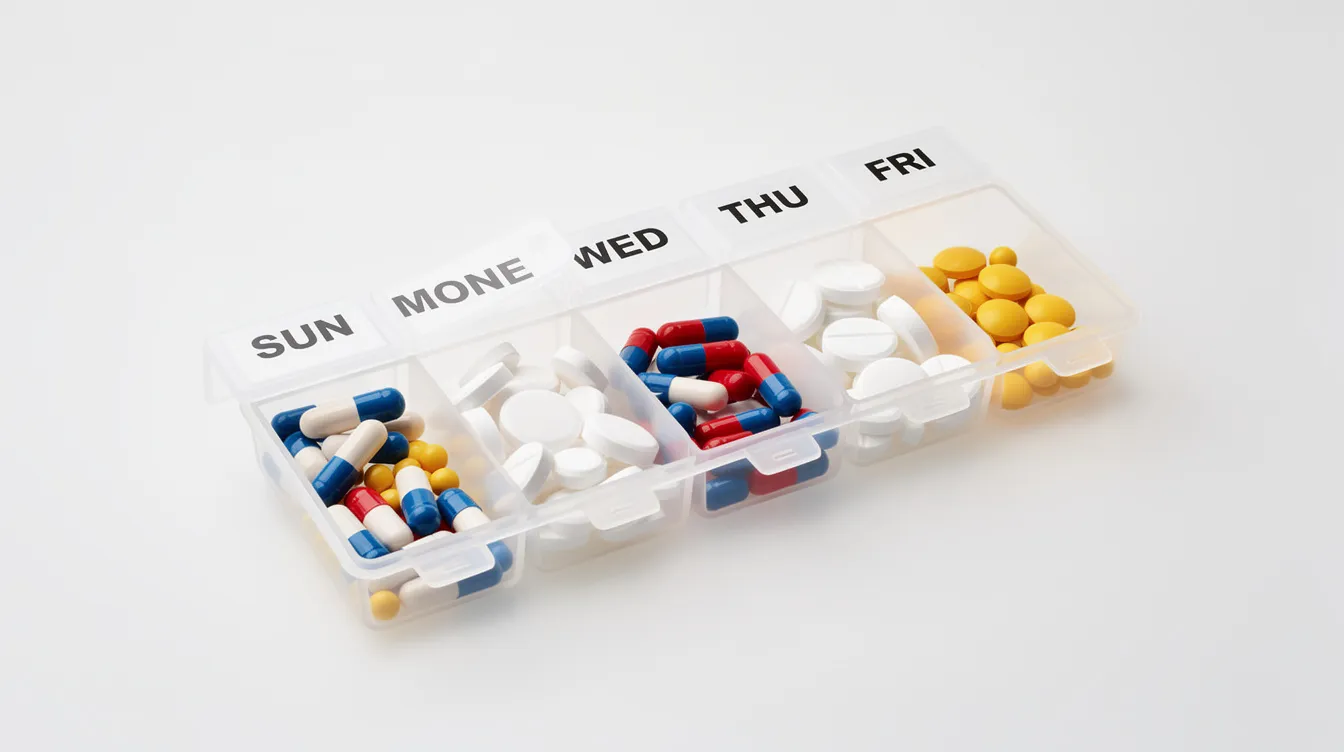
This weight-based approach naturally accommodates individual variability. A 70 kg adult would typically receive 5-10 mg weekly.
Weekly Dosing: Common Schedules and Titration
Starter Weekly Dose Options
Multiple sources converge on similar starter recommendations:
Beginner Protocol:
- Dose: 2-3 mg once weekly
- Duration: 4-6 weeks initial phase
- Goal: Establish tolerance with minimal risk
This low starting dose carries minimal side effect risk and allows assessment of individual tolerability before escalation.
Titration Increments and Timing
For those tolerating the starter dose well:
| Phase | Dose | Duration | Notes |
|---|---|---|---|
| Starter | 2-3 mg weekly | 4-6 weeks | Establish baseline tolerance |
| Intermediate | 5 mg weekly | 6-8 weeks | Monitor labs regularly |
| Advanced | 10 mg weekly | Ongoing with cycling | Experienced users only |
| Maximum | Up to 20 mg weekly | With cycling and oversight | Requires clinician supervision |
The effective human dosing window appears broader than initially assumed. Weekly doses in the 3-10 mg range can engage aging-related pathways. Doses below this range may fail to meaningfully influence mTOR signaling, while doses substantially above 10 mg risk immunosuppressive profiles.
Food Administration
Rapamycin should be taken with a consistent, healthy-fat meal to optimize absorption. The drug is lipophilic with variable absorption characteristics, so consistency matters more than the specific meal composition.
Take rapamycin at the same time each week with a similar fat-containing meal for consistent pharmacokinetics.
Grapefruit and CYP3A4 Interactions
Critical dietary warning:
Grapefruit (and related citrus including Seville orange and pomelo) contains potent CYP3A4 inhibitors that dramatically increase rapamycin concentrations. This can convert a safe longevity dose into excessive exposure.
You must avoid entirely while on rapamycin:
- Grapefruit juice
- Fresh grapefruit
- Seville oranges
- Pomelo
CYP3A4 inhibitor medications to review:
- Certain antifungals (ketoconazole, itraconazole)
- Macrolide antibiotics (erythromycin, clarithromycin)
- Protease inhibitors
- Some calcium channel blockers
If these medications are medically necessary, rapamycin dosing requires careful adjustment in consultation with a clinician familiar with post absorptive protein metabolism and drug interactions.
Intermittent Dosing: Cycles and Rationale
On-Off Cycle Examples
The most commonly referenced cycling protocol:
Standard Cycle:
- 6 weeks on (weekly dosing)
- 2 weeks off (no doses)
- Repeat indefinitely
Alternative cycles:
- 8 weeks on, 4 weeks off
- 4 weeks on, 2 weeks off (more conservative)
For advanced dosing (10 mg or higher), cycling becomes particularly important to reduce cumulative exposure and off-target effects.
Rationale for Recovery Windows
The biological rationale for intermittent administration:
- mTORC1 decay: While suppression decays gradually due to the long half-life, dedicated off-cycles accelerate complete relief
- Immune reconstitution: Time for immune surveillance and response capacity to re-establish
- mTORC2 protection: Reduces cumulative risk of unintended mTORC2 inhibition
- Adaptive capacity: May help preserve tolerance and prevent adaptation
Cumulative Exposure Reduction
Cycling deliberately reduces lifetime exposure compared to continuous daily dosing. This reflects harm reduction principles: capture aging-related benefits while minimizing cumulative burden on metabolic regulation and immune function.
The approach acknowledges that while transient rapamycin treatment may provide benefits, sustained high-level exposure carries different risks.
Reassessment Epochs
Recommended reassessment timing:
- Initial: After 4-6 weeks of starting therapy
- Dose changes: When moving between protocol phases
- Cycle completion: At the end of each on-off cycle
- Quarterly: For stable patients on maintenance protocols
- Annually: Comprehensive reassessment with full biomarker panel
Starter Protocols: Sample Regimens and Escalation
Beginner Weekly Protocol Example
Week 0:
- Obtain baseline labs (lipid panel, glucose/HbA1c, LFTs, CBC)
- Complete informed consent
- Review medication interactions
- Confirm grapefruit avoidance
Weeks 1-6:
- 2-3 mg rapamycin once weekly
- Take with healthy-fat meal
- Same day each week for consistency
- Monitor for mouth sores or other symptoms
Week 6 Reassessment:
- Repeat labs
- Review tolerability
- Assess side effects
- Decision point: continue, escalate, or pause
Intermediate Weekly Protocol Example
Weeks 7-12:
- 5 mg rapamycin once weekly
- Continue consistent timing and food intake
- More frequent symptom monitoring
Week 12 Reassessment:
- Full lab panel
- Comprehensive side effect review
- Evaluate efficacy markers if available
- Decision: maintain, escalate, or initiate cycling
Cycling Protocol Example
For intermediate users seeking enhanced protocol:
| Phase | Duration | Dose | Notes |
|---|---|---|---|
| On-cycle | 6 weeks | 5 mg weekly | Standard monitoring |
| Off-cycle | 2 weeks | No dose | Recovery window |
| Repeat | Ongoing | As above | Reassess every 2-3 cycles |
Advanced cycling (experienced users only):
- 10 mg weekly for 6 weeks
- 2 weeks off
- Requires clinician oversight
- More frequent lab monitoring
Escalation Timeline
Typical progression:
| Timepoint | Action | Labs |
|---|---|---|
| Week 0 | Baseline, consent | Full panel |
| Weeks 1-6 | 2-3 mg weekly | — |
| Week 6 | Reassessment | Repeat panel |
| Weeks 7-12 | 5 mg weekly | — |
| Week 12 | Reassessment | Repeat panel |
| Week 12+ | Maintain or escalate | Per protocol |
Some users might escalate to 10 mg weekly around Week 12, but only after careful clinical evaluation.
Checkpoint Assessments
Each checkpoint should include:
- Lab review: Lipids, glucose/HbA1c, liver function, CBC
- Side effect assessment: Mouth sores, infections, metabolic symptoms
- Interaction review: Confirm continued grapefruit and CYP3A4 inhibitor avoidance
- Adherence evaluation: Verify consistent dosing
- Decision documentation: Continue, escalate, reduce, or pause
Safety Monitoring: Labs, Symptoms, and Frequency
Baseline Labs to Obtain
Before initiating rapamycin therapy, obtain:
| Lab Category | Specific Tests | Purpose |
|---|---|---|
| Lipids | Total cholesterol, LDL, HDL, triglycerides | Metabolic baseline |
| Glucose | Fasting glucose, HbA1c | Carbohydrate metabolism |
| Liver | AST, ALT, bilirubin, alkaline phosphatase | Hepatic function |
| Hematologic | WBC, platelets, hemoglobin | Blood cell status |
| Optional | Inflammatory markers, insulin level | Enhanced monitoring |
These establish the patient’s baseline against which future changes can be assessed.
Monitoring Frequency During Titration
Initial phase (weeks 1-6):
- Clinical assessment at 4-6 weeks
- Focus on tolerability and side effects
Escalation points:
- Repeat full labs when increasing dose
- Additional labs 4-6 weeks after each escalation
Stable maintenance:
- Labs every 3-6 months initially
- Can extend to every 6-12 months if stable
Lab Thresholds for Dose Changes
While specific numerical thresholds require clinical judgment, concerning trends include:
Consider dose reduction or pause if:
- Significant triglyceride or LDL increases
- Fasting glucose or HbA1c suggesting metabolic dysregulation
- Platelet or WBC decreases suggesting hematologic suppression
- Liver enzyme elevations
Consider protocol modification if:
- Frequent or severe infections
- Persistent mouth sores affecting quality of life
- Worsening insulin resistance
Infection Reporting
Patients must be explicitly instructed:
Report any infections promptly—even minor ones warrant clinical attention given rapamycin’s immunomodulatory effects.
Track infection frequency and severity as part of ongoing monitoring. If infections become frequent or severe, dose reduction or cessation should be considered regardless of other lab values.
Adverse Effects and Contraindications for Rapamycin Therapy
Common Side Effects
The tolerability profile is notably favorable:
Most common:
- Mouth sores (rare, typically mild)
- Incidence well below 50% in most populations
Less common:
- Gastrointestinal symptoms
- Headache
- Fatigue
The PEARL Trial data confirm that low-dose weekly rapamycin was well tolerated over one year, with the 5-7 mg weekly schedule described as lacking significant side effects except for occasional mouth sores.
Metabolic Risk Signals
While direct side effects are rare, metabolic changes require attention:
| Signal | Monitoring | Action |
|---|---|---|
| Lipid changes | Repeat lipid panel | Consider supplements, dose adjustment |
| Glucose dysregulation | Fasting glucose, HbA1c | Dietary modification, possible dose reduction |
| Liver changes | Transaminases | More frequent monitoring, possible pause |
| Hematologic effects | CBC | Clinical review, possible dose adjustment |
These signals don’t constitute absolute contraindications but indicate need for intervention.
Absolute Contraindications
Clear contraindications:
- Uncontrolled infections or immunocompromised states
- Significant hepatic disease
- Inability to undergo regular lab monitoring
- Pregnancy
Relative contraindications (require careful consideration):
- Severe dyslipidemia
- Uncontrolled diabetes
- History of tuberous sclerosis (may actually be an indication in some cases)
- Active malignancy
Rapamycin shows promise for longevity, but it is a strong medication, not just a regular supplement. Anyone considering these therapies must work with a physician.
Off Label Rapamycin: Legal, Ethical, and Clinician Workflow
Off-Label Use Considerations
Rapamycin is FDA-approved for transplant immunosuppression and certain other indications—not for longevity in healthy older adults. This means off label rapamycin use for longevity constitutes off-label prescribing.
Key points:
- Off-label prescribing is legal in the US and many jurisdictions
- Requires specific informed consent
- Documentation must acknowledge non-approved indication
- Evidence in humans remains preliminary
Clinicians must explicitly communicate that:
- This use is outside FDA approval
- Human lifespan extension has not been demonstrated
- Long-term benefits remain unestablished
Informed Consent Template
Essential elements to include:
- Indication acknowledgment: Rapamycin is approved for transplant use, not longevity
- Mechanism explanation: Drug inhibits mTOR, a pathway linked to aging
- Evidence summary: Animal studies show promise; human lifespan extension unproven
- Expected benefits: Modest biomarker improvements, potential functional benefits
- Known risks: Rare mouth sores, metabolic monitoring requirements
- Interaction warnings: Grapefruit and medication restrictions
- Right to discontinue: Either party can stop therapy at any time
- Shared decision-making: Ongoing partnership in care decisions
Clinician Shared-Decision Checklist
Before prescribing:
- Confirm patient is healthy adult seeking longevity optimization
- Assess baseline health status (exercise capacity, metabolic health)
- Review current medications for interactions
- Confirm patient understands off-label nature
- Complete informed consent review and signature
- Agree on baseline labs and monitoring schedule
- Establish target dose and titration timeline
- Document patient’s specific goals and expectations
- Create communication plan for reporting concerns
Integration With Lifestyle and Supplements for Longevity
Resistance Training Schedule
Rapamycin should be combined with a comprehensive longevity plan. Resistance training emerges as an essential companion intervention.
Rationale:
- Rapamycin improves muscle-related biomarkers and lean mass
- Benefits are maximized with exercise stimulus for human muscle adaptation
- Blood flow restriction exercise may provide additional benefit for those with limitations
Recommendations:
- 2-4 resistance training sessions weekly
- Progressive overload principle
- Focus on compound movements
- Include both upper and lower body

The PEARL Trial showed improvements in lean muscle mass—effects likely enhanced when combined with appropriate training stimulus.
Protein Timing Near Workouts
Adequate protein supports the anabolic adaptations rapamycin may facilitate:
- Post-workout window: Protein within 2 hours of training
- Daily intake: 1.2-1.6 g/kg body weight for older adults
- Quality sources: Complete proteins with essential amino acids
- Distribution: Spread intake across meals (not concentrated in one meal)
This relates to the balance between mTOR’s role in protein synthesis and rapamycin’s inhibitory effects—appropriate nutrient timing may help optimize this metabolically distinct relationship.
Supplements for Lipid Support
When metabolic changes occur, consider evidence-based interventions:
For lipid support:
- Omega-3 fatty acids (EPA/DHA)
- Plant sterols
- Soluble fiber supplementation
For general metabolic health:
- CoQ10 (especially if statins are used)
- Vitamin D (if deficient)
- Magnesium
Rapamycin is just one piece of the puzzle. Optimal outcomes require integration with lifestyle, nutrition, and potentially other evidence-based interventions.
Data And Follow-Up: Documentation and Systematic Review Contribution
Log Dose and Side Effects
Patients should maintain detailed documentation:
Essential logging:
- Exact dose taken
- Date and time of administration
- Any side effects (even minor)
- Factors that might influence tolerability
Format options:
- Digital health app
- Simple spreadsheet
- Paper journal
This documentation serves multiple purposes: pattern identification, clinical communication, and contribution to broader evidence if the patient later enrolls in formal studies.
Periodic Outcome Reassessment
Beyond safety labs, assess outcomes periodically:
Functional assessments (every 6-12 months):
- Grip strength
- 6-minute walk distance
- Subjective pain and fatigue scores
Biomarker reassessment:
- Immune markers
- Inflammatory markers
- Cardiometabolic parameters
Patient-reported outcomes:
- Quality of life
- Energy levels
- Physical function
Registry and Trial Enrollment
Contributing to the evidence base matters. Given that longevity-focused rapamycin use remains preliminary in humans, enrollment in observational registries or clinical trials helps accumulate crucial data.
The PEARL Trial exemplifies studies that advance the field. Check for:
- Ongoing clinical trials at clinicaltrials.gov
- Observational registries at academic centers
- Patient-reported outcome databases
Your browser before accessing pmc.ncbi.nlm.nih.gov or similar databases can help identify current enrollment opportunities.
Implementation Checklist: Clinician and Patient Steps
Pre-Initiation
Clinician steps:
- Review patient eligibility and contraindications
- Complete comprehensive medication review
- Order baseline labs
- Prepare informed consent documentation
- Identify monitoring schedule
Patient steps:
- Complete baseline labs
- Review and sign informed consent
- Eliminate grapefruit from diet
- Review current medications with clinician
- Establish logging system for doses and symptoms
Initiation Phase
Starting low weekly dose:
- Prescribe 2-3 mg weekly
- Specify consistent day of week
- Instruct on food administration (with healthy-fat meal)
- Provide written grapefruit and interaction warnings
- Schedule 4-6 week follow-up
First Follow-Up Visit
At 4-6 weeks:
- Review symptom log
- Assess tolerability
- Obtain follow-up labs
- Address questions or concerns
- Determine whether to continue, escalate, or pause
- Document decision and rationale

References And Resources: Key Trials and Tools
Major Studies to Review
Primary human evidence:
- PEARL Trial (2025): First long-term data on healthy adults using rapamycin for longevity
Animal evidence:
- NIA Interventions Testing Program: Demonstrates 15-36% lifespan extension in mice
Key publications:
- PMC10415559 (2023): Disease-oriented dosing guidance and intermittent vs. daily comparison
- Frontiers in Aging (2025-2026): Updated perspectives on mechanisms and clinical applications
Monitoring Checklist Summary
Baseline:
- Lipid panel
- Fasting glucose/HbA1c
- Liver function tests
- Complete blood count
- Medication interaction review
- Dietary history (grapefruit)
Follow-up:
- Safety labs at 6 weeks, 3 months, 6 months, annually
- Clinical symptom review each visit
- Infection tracking
- Functional assessments every 6-12 months
Consent Template Elements
Essential documentation:
- Statement that rapamycin is used off-label
- Explanation of mTOR mechanism
- Summary of evidence with explicit limitations
- Description of expected benefits (modest)
- List of known side effects and monitoring requirements
- Interaction warnings
- Acknowledgment that benefits are unproven
- Right to discontinue statement
- Signatures from both clinician and patient
Key Takeaways
- Rapamycin shows consistent lifespan extension in animal models (15-36%), but human lifespan extension remains unproven
- The PEARL Trial demonstrates safety and modest biomarker improvements over one year
- Weekly dosing (3-10 mg) with intermittent cycles represents the preferred longevity strategy
- Safety monitoring requires baseline labs and regular follow-up, with attention to metabolic signals
- Off-label use demands thorough informed consent and shared decision-making
- Integration with resistance training and nutrition optimization may enhance outcomes
- Contributing to registries and trials helps advance the evidence base
Conclusion
The rapamycin longevity protocol represents one of the most promising—and most carefully scrutinized—interventions in modern longevity research. The animal data is compelling: consistent lifespan extension across strains, sexes, and timing of intervention. The early human data from the PEARL Trial suggests safety and modest biological effects.
But the translation from mice to humans remains the critical unknown. No trial has yet demonstrated that rapamycin can delay aging or increase lifespan in humans. The evidence base, while growing, remains preliminary.
For those considering this protocol, the path forward requires partnership with a knowledgeable clinician, commitment to rigorous monitoring, and realistic expectations. Rapamycin is not a supplement—it’s a powerful medication that demands respect.
If you’re exploring rapamycin for longevity, start with a qualified physician who understands both the promise and limitations of current evidence. Obtain proper baseline labs. Begin with conservative dosing. Monitor diligently. And consider contributing your data to registries or trials that can help answer the questions we all want answered.
The next chapter of rapamycin research will be written by careful human studies—and the patients and clinicians willing to participate in advancing the science of human aging.