Related topic: This article is part of Head-to-Head Protocol Comparisons. If you want the broader overview, start with Compare Longevity Protocols: Practical Framework For Low-Risk Biohacking. The search for compounds that can slow biological aging has led researchers to an unexpected place: the produce aisle. Two flavonoids gaining attention in longevity science—quercetin and fisetin—have emerged as leading candidates for clearing senescent cells from the body. But which one delivers better results, and should you consider taking both?
This comparison breaks down what current research tells us about quercetin vs fisetin as senolytic agents. You’ll learn how each compound works at the cellular level, their relative strengths across different tissues, practical dosing strategies, and what questions remain unanswered. Whether you’re a clinician exploring anti-aging interventions or a health-conscious consumer evaluating supplement options, this guide provides the evidence you need to make informed decisions.
The key takeaway? Fisetin demonstrates superior senolytic potency across diverse cell types, while quercetin offers broader antioxidant and anti-inflammatory benefits. Combined, these two flavonoids may enhance clearance of senescent cells more effectively than either alone.

What Are Quercetin and Fisetin In Cellular Senescence Context
Quercetin is a flavonoid polyphenol—a class of plant compounds with well-documented health benefits. You’ll find it abundantly in everyday foods, which explains why it’s been studied extensively for decades. In the context of cellular senescence, quercetin functions as a natural senolytic, meaning it selectively induces apoptosis in senescent cells while largely sparing healthy, proliferating cells.
Cellular senescence can be induced in different cell types by various stressors such as DNA damage, oxidative stress, or chemotherapeutic agents.
The mechanism involves inhibiting anti-apoptotic pathways, particularly BCL-2 and BCL-xL proteins that normally protect cells from programmed cell death. Quercetin also disrupts PI3K/AKT signaling, a pathway that senescent cells exploit for survival.
Fisetin belongs to the same flavonoid family but has a distinct molecular profile. Research has positioned fisetin as potentially the most potent senolytic among natural compounds tested, outperforming quercetin in multiple preclinical models. Its senolytic action centers on modulating PI3K/AKT and mTOR pathways, activating apoptosis specifically in senescent cells to restore tissue homeostasis.
Dietary Sources
Both compounds are available through diet, though concentrations vary significantly by food source:
| Compound | Primary Food Sources | Relative Concentration |
|---|---|---|
| Quercetin | Onions, capers, apples, berries, green tea | Higher (5-10mg per serving in onions) |
| Fisetin | Strawberries, apples, persimmons, onions, grapes | Lower (requires larger servings) |
Quercetin appears in higher amounts across more foods, making it easier to obtain through diet. Fisetin concentrations in foods are generally found in smaller amounts, which is why supplementation becomes relevant for those seeking senolytic doses.
The distinction matters because achieving senolytic effects likely requires concentrations far exceeding what typical diet provides—a point we’ll address in the dosage section.
Mechanisms: Oxidative Stress, ROS Accumulation, and Mitochondrial Dysfunction
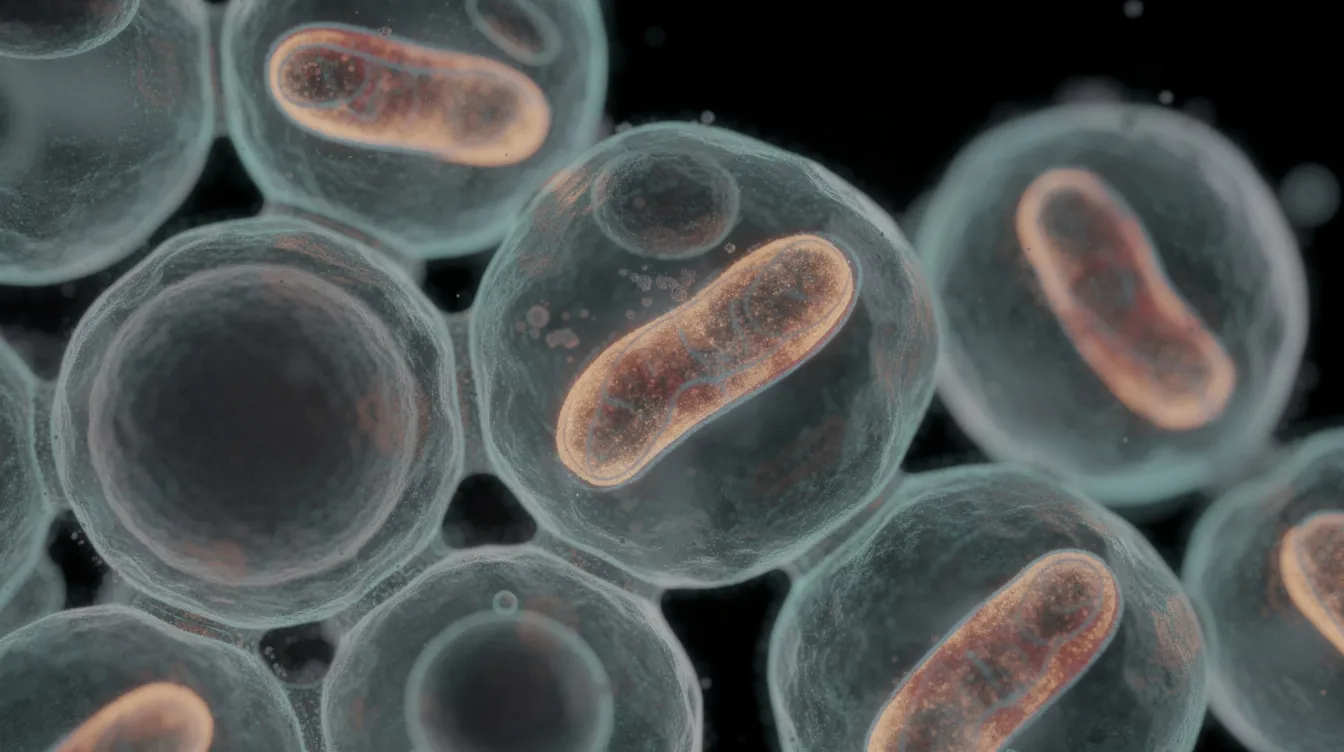
Understanding how these flavonoids work requires examining the cellular environment they’re designed to target. Senescent cells accumulate with age partly due to chronic oxidative stress, which creates a self-reinforcing cycle of damage and dysfunction.
Antioxidant Actions Relevant to Oxidative Stress
Both quercetin and fisetin exert antioxidant effects by scavenging free radicals, though they emphasize different aspects of redox homeostasis:
Quercetin’s antioxidant profile:
- Strong direct neutralization of reactive oxygen species
- Inhibition of NF-κB inflammatory signaling
- Suppression of NLRP3 inflammasome activation
- Helps protect cells from inflammatory cascade damage
Fisetin’s antioxidant profile:
- Effective free radical scavenging
- Superior decrease in senescence associated secretory phenotype (SASP) factors
- Targets downstream inflammatory mediators that propagate oxidative damage
- Balances autophagy-promoting pathways
The SASP distinction is clinically relevant. Senescent cells secrete a cocktail of inflammatory cytokines, proteases, and growth factors that damage neighboring tissues and can induce senescence in previously healthy cells. Fisetin’s ability to dampen this secretory phenotype may explain some of its broader tissue-protective effects.
How ROS Accumulation Affects Cell Function
ROS accumulation impairs cellular health through multiple mechanisms:
- Protein damage: Oxidized proteins lose function and aggregate
- Lipid peroxidation: Cell membrane integrity becomes compromised
- DNA damage: Oxidative lesions trigger repair responses or mutations
- Signaling disruption: Chronic ROS activates p53 and p16 pathways that enforce senescence
This creates a pro-senescence environment where cells either die, become senescent, or struggle to maintain normal function. The accumulation of senescent cells then generates more ROS through their dysfunctional mitochondria, amplifying the problem.
Mitochondrial Dysfunction and Senescence Links
Mitochondria sit at the center of the aging process. When mitochondrial function declines:
- ATP production drops, starving cells of energy
- Electron transport chain inefficiency increases electron leak
- Leaked electrons generate additional ROS
- Damaged mitochondria release mtDNA fragments that trigger inflammation
- Bioenergetic collapse pushes cells toward senescence
The connection between mitochondrial dysfunction and cellular senescence runs in both directions. Dysfunctional mitochondria promote senescence, and senescent cells accumulate more damaged mitochondria.
Pathways Where Flavonoids Intervene
Both quercetin and fisetin target pathways central to cellular health and senescence:
| Pathway | Quercetin Effect | Fisetin Effect |
|---|---|---|
| Nrf2 (antioxidant response) | Activation | Activation |
| mTOR (growth/autophagy balance) | Inhibition | Strong inhibition |
| AMPK (energy sensing) | Activation | Activation |
| BCL-2/BCL-xL (cell survival) | Inhibition | Moderate inhibition |
| PI3K/AKT (survival signaling) | Disruption | Strong disruption |
Fisetin appears to more potently affect mTOR and PI3K/AKT, promoting autophagy—the cellular housekeeping process that clears damaged mitochondria and protein aggregates. This may contribute to its stronger senolytic activity in many models.
Senolytic Properties and Senolytic Efficacy Against Senescent Cells
Moving from general mechanisms to specific senolytic activity reveals important differences between these compounds.
In Vitro Senolytic Properties
Laboratory studies using cultured cells provide the most controlled comparison of senolytic properties:
Fisetin performance:
- Selectively induces apoptosis in senescent but not proliferating human umbilical vein endothelial cells (HUVECs)
- Demonstrates senolytic activity across multiple cell types including fibroblasts, endothelial cells, and neurons
- Identified as the safest and most potent senolytic among natural compounds screened in comparative studies
Quercetin performance:
- Shows moderate senolytic potency, particularly in senescent endothelial cells
- Requires combination with dasatinib for enhanced efficacy in many models
- Forms the basis of Mayo Clinic’s pioneering D+Q (dasatinib plus quercetin) protocol
In these experiments, researchers often use antibody-based techniques such as immunoblotting or immunofluorescence to detect changes in protein expression or localization in response to quercetin or fisetin treatment.
The dasatinib-quercetin combination deserves attention. Dasatinib is a tyrosine kinase inhibitor originally developed for cancer treatment. When paired with quercetin, it targets senescent fibroblasts more effectively than either compound alone. This combination has moved into human trials, representing the most advanced senolytic approach currently being tested clinically.
Comparative Senolytic Efficacy Metrics
When researchers directly compare these compounds, fisetin generally shows higher senolytic efficacy metrics:
- Greater percentage reduction in senescent cell numbers
- Broader tissue coverage without requiring combination agents
- Extension of median and maximum lifespan in aged mice
- Reduced age-related pathology across multiple organ systems
However, context matters. A recent study highlighted sex- and genotype-specific differences in response to senolytics, suggesting personalized approaches may eventually replace one-size-fits-all recommendations.
Cell Types Showing Differential Sensitivity
Not all senescent cells respond equally to each compound:
| Cell Type | More Sensitive To |
|---|---|
| Senescent endothelial cells | Quercetin |
| Senescent fibroblasts | Variable (combination often needed) |
| Senescent neurons | Fisetin |
| Adipose tissue senescent cells | Both effective |
This differential sensitivity across different cell types has practical implications. Someone primarily concerned with cardiovascular health might prioritize quercetin, while someone focused on cognitive function might lean toward fisetin.
Combinations That Boost Senolytic Efficacy
The most promising approach may be combining compounds rather than choosing one:
- Dasatinib + Quercetin (D+Q): The original Mayo Clinic protocol, well-studied in preclinical models
- Dasatinib + Quercetin + Fisetin (DQF): Enhanced clearance with additional antioxidant protection
- Quercetin + Fisetin: Complementary mechanisms targeting different survival pathways
Longitudinal studies comparing DQF versus D+Q noted that fisetin appeared to mitigate epigenetic age acceleration observed with D+Q alone. This suggests fisetin adds value beyond its direct senolytic effect, possibly through its antioxidant benefits.
Comparative Benefits: Targeting Senescent Cells Across Organs
Moving beyond cellular mechanisms, how do these compounds compare for targeting senescent cells in specific organ systems? The evidence varies by tissue type.
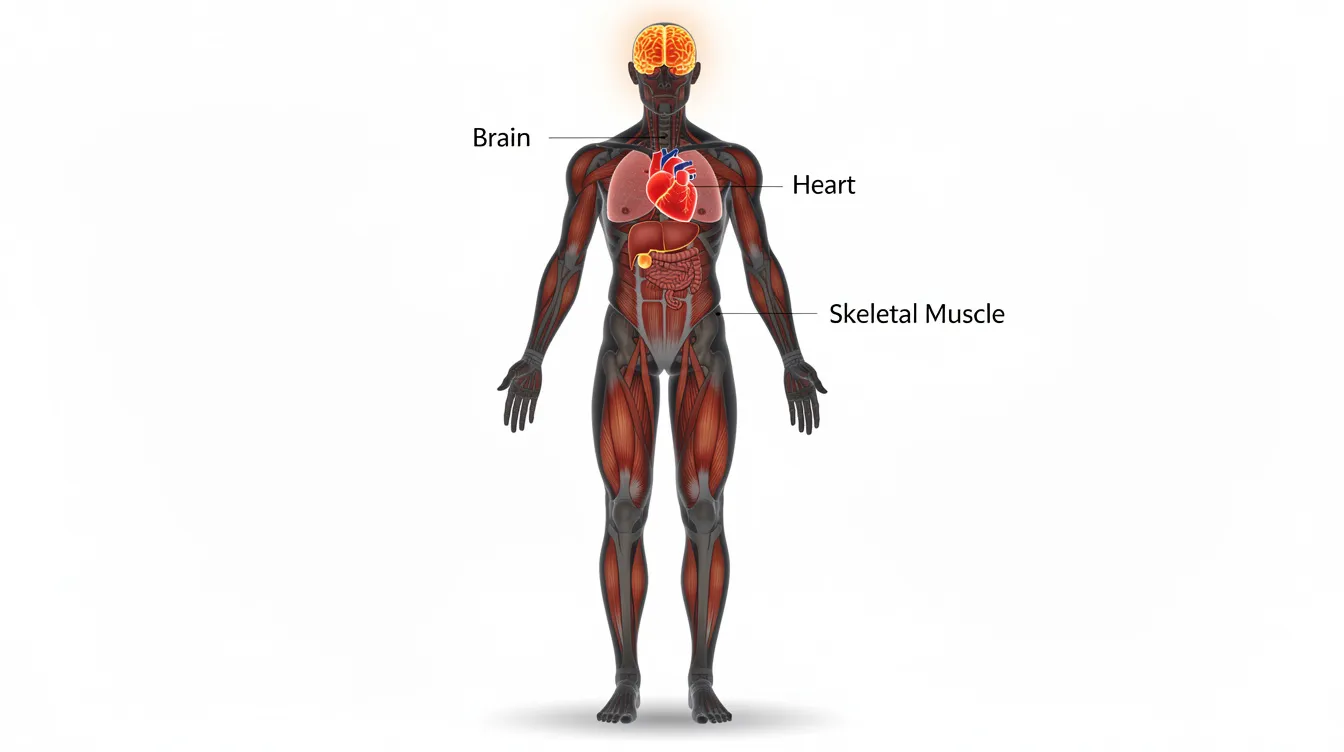
Neuroprotective Benefits and BBB Penetration
Fisetin offers stronger neuroprotective benefits based on current evidence:
Fisetin advantages for brain health:
- Better blood-brain barrier (BBB) penetration
- Disrupts tau protein aggregation linked to Alzheimer’s disease
- Protects against neurodegenerative decline in animal studies
- Supports cognitive function through multiple pathways
Quercetin brain effects:
- Provides solid neuroprotection through anti-inflammatory action
- Limited BBB penetration compared to fisetin
- May support neuronal function indirectly through systemic inflammation reduction
The BBB penetration difference is significant. Many compounds that work well in vitro fail in vivo because they can’t reach brain tissue in therapeutic concentrations. Fisetin’s ability to cross this barrier positions it as a stronger candidate for cognitive protection.
Cardiovascular and Immune-Related Benefits
Here the comparison shifts in quercetin’s favor:
Quercetin cardiovascular strengths:
- Improves endothelial function through nitric oxide modulation
- Supports cardiovascular health via reduced systemic inflammation
- Inhibits inflammasome activation affecting immune response
- Better studied in human cardiovascular outcomes
Fisetin cardiovascular effects:
- Reduces SASP factors that affect vascular inflammation
- Clears senescent cells from cardiovascular tissue
- Less direct evidence for endothelial function improvement
Both quercetin and fisetin contribute to cardiovascular health, but quercetin has a longer track record in this area and more mechanistic evidence for direct vascular benefits.
Metabolic and Musculoskeletal Impacts
Fisetin shows particular promise for metabolic and healthspan outcomes:
- Extension of healthspan in animal models via autophagy promotion
- Balance of mTOR/AMPK signaling affecting metabolic function
- Clearance of senescent cells from muscle and adipose tissue
Musculoskeletal impacts are less differentiated between the compounds, though both likely contribute through general senescence clearance in tissues like muscle and cartilage.
Evidence Strength Ranking
Not all claims have equal support. Here’s how the evidence stacks up:
| Benefit Category | Stronger Compound | Evidence Level |
|---|---|---|
| Lifespan extension | Fisetin | Strong preclinical (mouse) |
| Neuroprotection | Fisetin | Moderate preclinical |
| Cardiovascular function | Quercetin | Moderate human + preclinical |
| Senolytic potency | Fisetin | Strong preclinical |
| Anti-inflammatory | Quercetin | Strong mechanistic |
| Combined senolytic effect | Both together | Emerging |
Human evidence remains limited for both compounds as senolytics. Most strong claims derive from animal studies and cell culture work.
Pharmacokinetics, Bioavailability, and Dosage Strategies
Understanding how these compounds behave in the body is essential for effective supplementation. Both face significant bioavailability challenges.
Oral Bioavailability Comparison
Neither flavonoid absorbs well in standard oral form:
| Compound | Oral Bioavailability | Primary Limiting Factors |
|---|---|---|
| Quercetin | 1-5% | Rapid metabolism, P-glycoprotein efflux |
| Fisetin | Similarly low | Hepatic metabolism, poor solubility |
This means taking 500mg of quercetin orally delivers only 5-25mg to systemic circulation. The rest undergoes first-pass metabolism or never absorbs from the gut.
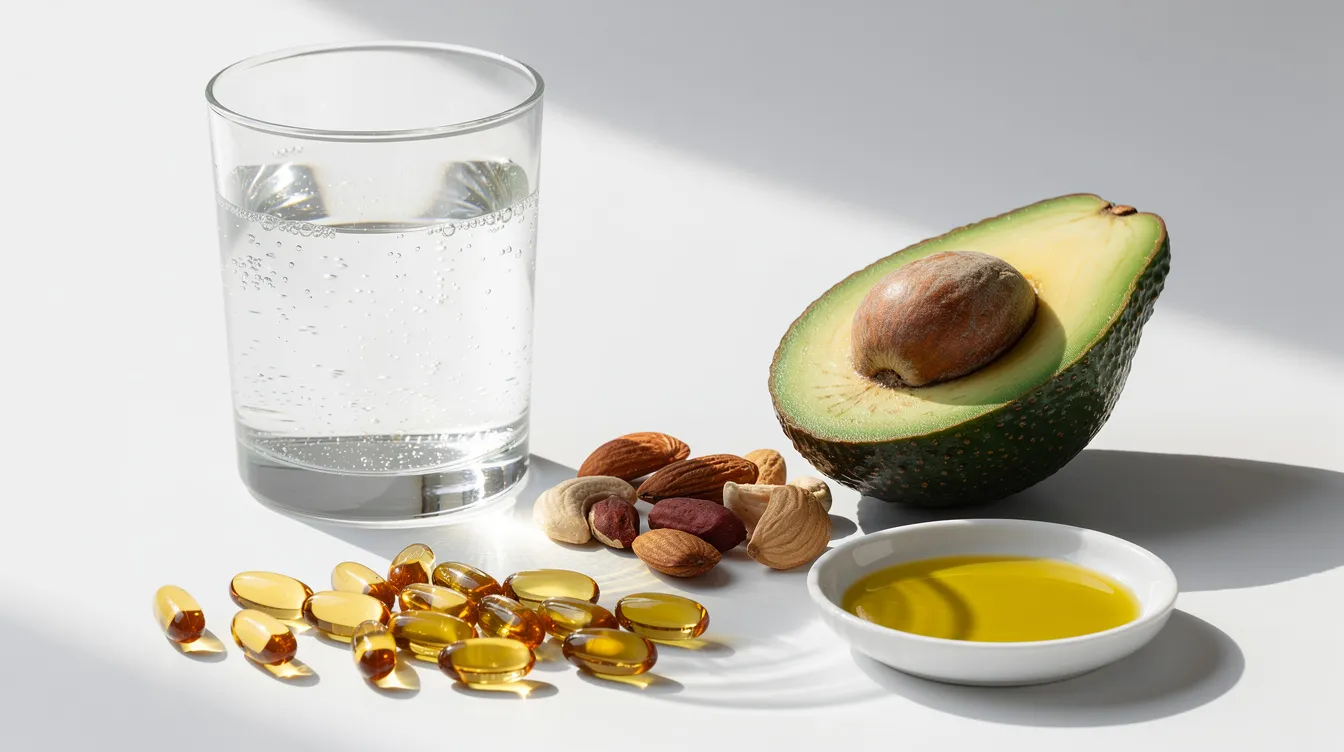
Bioavailability enhancement strategies exist:
- Phytosome formulations: Quercefit® and similar products claim 10-20x improved bioavailability
- Liposomal delivery: Encapsulating flavonoids in lipid spheres improves absorption
- Co-administration with fats: Both compounds are lipophilic and absorb better with dietary fat
- PQQ pairing: Some evidence suggests improved cellular uptake
When evaluating products, formulation matters as much as raw dose.
Pulse Dosing Versus Continuous Dosing
Senolytic strategy differs from typical supplement approaches. Rather than daily doses, researchers generally prefer pulse dosing:
Rationale for pulsing:
- Senescent cells need time to re-accumulate between treatments
- Continuous exposure may affect non senescent cells
- Higher intermittent doses achieve better senolytic effect than lower daily doses
- Reduces potential for adaptation or tolerance
Mayo Clinic D+Q protocol:
- Dasatinib 100mg + Quercetin 1000-1500mg
- Administered for 3 consecutive days
- Repeated every 1-4 weeks depending on indication
Fisetin pulse protocols (from mouse studies):
- 20 mg/kg body weight in mice
- Translates to approximately 1-2 grams for a human pulse
- Administered for 2-3 day bursts
This contrasts with taking lower doses continuously, which may provide antioxidant benefits but likely doesn’t achieve meaningful senolytic activity.
Recommended Dosage Ranges
Based on current research, these ranges emerge as reasonable starting points:
Quercetin:
- Antioxidant/anti-inflammatory: 500-1000mg daily
- Senolytic pulse: 1000-1500mg daily for 2-3 days, every 2-4 weeks
- Enhanced bioavailability forms (phytosome): 250-500mg may achieve equivalent effects
Fisetin:
- General supplementation: 100-500mg daily
- Senolytic pulse: 500-1500mg daily for 2-3 days, every 2-4 weeks
- Body weight calculation: ~20mg/kg extrapolated from animal studies
Note that high doses of either compound should not be taken without consulting a healthcare provider, particularly for individuals on medications or with underlying health conditions.
Combining Quercetin and Fisetin: Synergy and Practical Use
The case for using both compounds together rests on complementary mechanisms and emerging evidence of synergistic effects.
Rationale for Combined Supplementation
Why combine rather than choose one?
Mechanistic complementarity:
- Quercetin primarily targets BCL-2/BCL-xL and inflammation pathways
- Fisetin emphasizes PI3K/AKT/mTOR and SASP reduction
- Together they hit more senescent cell survival mechanisms
- Different cell type sensitivities covered by combination
Research support:
- Studies show superior outcomes versus monotherapy
- DQF protocols demonstrate additional antioxidant protection
- Stronger anti-cancer effects observed in combination
- Enhanced senescent cell clearance across tissue types
The treatment of clearing senescent cells becomes more comprehensive when multiple survival pathways are targeted simultaneously.
Timing Strategies to Maximize Senolytic Efficacy
Practical protocols for combination use:
Pulse protocol example:
- 500mg quercetin (or 250mg phytosome) + 250mg fisetin
- Take for 2-3 consecutive days
- Repeat every 4-8 weeks
- Ideally take with a fat-containing meal
Considerations:
- Take both compounds at the same time for pathway synchronization
- Morning dosing may be preferable for metabolic reasons
- Avoid combining with medications metabolized by CYP3A4
Some practitioners suggest starting with individual compounds at lower doses to assess tolerance before moving to combination protocols.
Formulation Features That Improve Absorption
When selecting products for combination use, look for:
- Bioavailability enhancement: Phytosome, liposomal, or micronized forms
- Clean formulations: Minimal fillers that might affect absorption
- Fat-soluble pairing: Products designed to be taken with lipids
- Verified potency: Third-party testing confirming labeled doses
The body processes these compounds differently based on formulation. A 500mg dose of standard quercetin may deliver less active compound than 100mg of an enhanced form.
Safety, Side Effects, and Interactions Affecting Oxidative Stress
Both flavonoids are generally well-tolerated, but senolytic dosing presents specific considerations.
Common Adverse Effects and Monitoring Points
Quercetin side effects (high doses >1g):
- Mild gastrointestinal upset
- Headache
- Tingling sensations
- Usually resolve with dose reduction
Fisetin side effects:
- Minimal adverse effects reported
- Identified as the safest natural senolytic in comparative screening
- Occasional mild GI symptoms
Monitoring recommendations:
- Liver enzymes (AST, ALT) periodically during pulse protocols
- Kidney function markers for those with impaired renal function
- General wellness assessment between pulse cycles
In DQF trials lasting 6-12 months, no severe adverse events occurred. However, interestingly, D+Q without fisetin showed some acceleration on epigenetic aging clocks that appeared mitigated when fisetin was added.
Major Drug-Supplement Interactions
The most significant interaction concern involves quercetin’s effect on drug metabolism:
CYP3A4 inhibition (quercetin):
- Statins: May increase statin blood levels
- Cyclosporine: Potential for increased immunosuppressant exposure
- Calcium channel blockers: Effect may be enhanced
- Various other medications metabolized by this enzyme
Other interactions to consider:
- Anticoagulants: Both flavonoids have mild anti-platelet effects
- Chemotherapy drugs: May alter efficacy or toxicity
- Antibiotics: Some evidence for interaction with fluoroquinolones
Always disclose supplement use to prescribing physicians, and checking your browser before accessing pmc.ncbi.nlm.nih.gov for interaction databases can provide updated information. You may be automatically redirected after 5 seconds when accessing some databases.
Precautions for Vulnerable Populations
Specific groups requiring extra caution:
| Population | Concern | Recommendation |
|---|---|---|
| Kidney impairment | Altered clearance | Use lower doses, monitor function |
| On blood thinners | Additive anti-platelet effect | Medical supervision required |
| Pregnant/nursing | Insufficient safety data | Avoid senolytic protocols |
| Undergoing surgery | Bleeding risk | Stop 2 weeks before procedures |
| Cancer patients | Complex interactions | Oncologist guidance essential |
The senolytic effect itself—inducing senescent cell death—raises theoretical concerns about release of cellular contents. While not clinically problematic in healthy individuals, those with compromised clearance systems may need modified approaches.
Research Gaps: Senescent Cells, Mitochondrial Dysfunction, and ROS Accumulation
Despite promising preclinical data, significant gaps remain in human evidence.
Gaps in Human Senolytic Efficacy Trials
Most compelling senolytic data comes from animal studies or small pilot trials:
Current human evidence limitations:
- Largest D+Q/DQF study included only 19 participants
- Mixed epigenetic outcomes observed
- D+Q alone showed some clock acceleration and shortened telomeres
- DQF blunted negative effects but lacked statistical significance
- No large RCTs with senescent cell burden as primary outcome
Needed studies:
- Larger randomized controlled trials (100+ participants)
- Direct measurement of senescence markers in tissues
- Use of validated biomarkers like GL13 clearing assays
- SASP factor panels before and after treatment
- Long-term follow-up (2+ years)
The transplantation of senescent cells into young mice demonstrates the causal role of senescence in aging, but translating this to human intervention requires more rigorous trials.
Trials Linking Mitochondrial Dysfunction to Outcomes
While both flavonoids affect mitochondrial pathways mechanistically, human data connecting supplementation to mitochondrial health outcomes is sparse:
Current gaps:
- No human trials measuring mtDNA mutation rates with flavonoid supplementation
- Limited data on OXPHOS (oxidative phosphorylation) improvements
- Unclear whether senolytic effects or direct mitochondrial support drives benefits
- Need for studies using mitochondrial function assays in human tissues
Understanding whether these compounds primarily help by eliminating cells with damaged mitochondria versus improving mitochondrial function in surviving cells would inform optimal use.
Recommended Trials Measuring ROS Accumulation Biomarkers
Future research should incorporate oxidative stress measurements:
Suggested biomarkers:
- 8-OHdG (8-hydroxy-2’-deoxyguanosine): DNA oxidation marker
- F2-isoprostanes: Lipid peroxidation indicator
- Protein carbonyls: Protein oxidation assessment
- Glutathione ratios: Cellular redox status
Trial design recommendations:
- Pre/post-dosing biomarker assessment
- Correlation with clinical outcomes
- Multi-omics approaches for pathway validation
- Comparison of pulse versus continuous dosing effects on markers
Integration of advanced aging clocks with functional biomarkers would strengthen the evidence base considerably.
How to Evaluate Products and Claims
With growing consumer interest, product quality varies significantly. Here’s how to assess what you’re buying.
Checklist for Clinical Evidence
When evaluating senolytic supplement claims, verify:
- Peer-reviewed research cited: Look for actual published studies, not just “research shows”
- Human trials prioritized: Animal studies inform but don’t confirm human efficacy
- Dose relevance: Do cited studies use doses achievable with the product?
- Outcome measures specified: What exactly was measured and improved?
- Conflicts of interest disclosed: Company-funded studies require extra scrutiny
Be wary of products citing in vitro studies as proof of senolytic activity—cell culture conditions differ dramatically from human physiology.
Verify Dose and Formulation Transparency
Product evaluation criteria:
| Feature | What to Look For | Red Flag |
|---|---|---|
| Dose disclosure | Exact mg per serving clearly stated | “Proprietary blend” hiding amounts |
| Formulation type | Specified (standard, phytosome, liposomal) | No bioavailability information |
| Purity testing | Third-party HPLC verification (>98% purity) | No testing documentation |
| Filler disclosure | Complete inactive ingredient list | Undisclosed additives |
| Batch testing | Certificate of analysis available | No quality verification offered |
For quercetin, look for doses of at least 500mg standard or 250mg enhanced forms. For fisetin, products should provide at least 100mg per serving for meaningful effect.
Gingerenone A has appeared in some senolytic discussions, but evidence for this compound remains limited compared to quercetin and fisetin.
Recommend Consulting a Healthcare Provider
This guidance appears throughout longevity literature for good reason:
When professional consultation is essential:
- Taking multiple medications (polypharmacy risk)
- Managing chronic conditions
- Considering senolytic pulse protocols
- Experiencing unexpected symptoms during supplementation
- Planning to use combination formulas
What to discuss:
- Current medication interactions
- Appropriate dosing based on health status
- Monitoring parameters during use
- Personalization based on sex and potential genotype differences
Head-to-head comparison studies have shown individual variation in senolytic response, suggesting that what works optimally for one person may differ for another.
Conclusion and Practical Recommendations
The quercetin vs fisetin comparison reveals distinct profiles rather than a clear winner across all categories.
Comparative Strengths Summary
Fisetin advantages:
- Superior raw senolytic potency across multiple cell types
- Lifespan extension demonstrated in animal models
- Stronger neuroprotective profile with better BBB penetration
- Minimal side effects even at high doses
- Reduces senescence markers effectively
Quercetin advantages:
- Broader systemic anti-inflammatory action
- Better established cardiovascular benefits
- More accessible through diet
- Longer research history with more human data
- Effective combination agent (particularly with dasatinib)
Shared limitations:
- Low oral bioavailability requiring enhanced formulations
- Sparse long-term human efficacy data as senolytics
- Variable epigenetic impacts requiring further study
- Dose-response relationships not fully characterized in humans
Brief Guidance for Clinicians and Consumers
For clinicians considering senolytic interventions:
- Monitor baseline and follow-up biomarkers during pulse therapy
- Consider DQF over D+Q based on emerging epigenetic data
- Assess patient medications for CYP3A4 interactions
- Start conservatively and adjust based on tolerance
- Document outcomes to contribute to evidence base
For consumers exploring these compounds:
- Start with combined low-dose pulses rather than high single-compound approaches
- Prioritize enhanced bioavailability formulations
- Use pulse protocols (2-3 days every 4-8 weeks) rather than continuous daily dosing
- Work with a healthcare provider, especially if on medications
- Set realistic expectations—human senolytic data remains preliminary
Practical starting protocol:
- 500mg quercetin (phytosome preferred) + 125-250mg fisetin
- Take with fat-containing meal
- 2-3 consecutive days
- Repeat monthly to every other month
- Assess tolerance before increasing doses
The development of senolytic therapies represents one of the most promising approaches to addressing aging at its cellular roots. While the expression of enthusiasm in longevity circles is understandable, maintaining evidence-based expectations serves everyone better. Neither quercetin nor fisetin is a proven anti-aging treatment in humans yet—but both offer intriguing potential backed by compelling preclinical science.
As larger trials report results and our understanding of how these compounds affect specific tissues deepens, recommendations will evolve. For now, combining quercetin and fisetin in a supervised pulse protocol represents a reasonable approach for those wishing to explore senolytic supplementation, with the understanding that we’re still in early chapters of this research story.
The upregulated interest in senolytics reflects broader recognition that cellular senescence drives many age-related pathologies. How effectively these natural compounds can be inhibited from accumulating—or cleared once present—remains the central question. The answer will likely involve not just quercetin or fisetin alone, but understanding which nutrients, compounds, and lifestyle interventions work together to maintain cellular health across the lifespan.