Related topic: This article is part of Expert Protocol Profiles. If you want the broader overview, start with Longevity Protocols 2026: Practical, Evidence-Guided Roadmap. Rhonda Patrick has become one of the most trusted voices in longevity science, translating complex research into actionable health protocols. Her supplement stack represents years of refinement based on biomarker data, mechanistic research, and personal experimentation.
This outline breaks down her complete regimen with a focus on evidence quality, practical dosing, and realistic expectations. The target audience includes biohackers, athletes, longevity-focused individuals, and anyone seeking to address common micronutrient deficiencies through strategic supplementation. You won’t find vague wellness advice here—just specific protocols backed by the research Rhonda discusses in her work.
Quick Summary Of The Stack And Improving Longevity
Rhonda Patrick’s approach to supplementation centers on five foundational compounds that appear consistently across her interviews, podcasts, and foundmyfitness premium member content. These four essential supplements (plus one) form what she considers the baseline:
| Supplement | Daily Dose | Primary Target |
|---|---|---|
| Omega-3 (EPA/DHA) | 2,000-2,400 mg | Inflammation, brain function |
| Vitamin D3 + K2 | 4,000-6,000 IU + 100 mcg | Immune function, bone health |
| Magnesium | 120-130 mg | Sleep, muscle function |
| Multivitamin | Per label | Baseline nutrient coverage |
| Sulforaphane | Per label | Detoxification, antioxidant |
The organizing principle isn’t random supplementation. Rhonda Patrick reveals her strategy focuses on covering nutritional gaps first, then selectively adding compounds when there’s a clear physiological reason. This could mean higher training demands, immune stress, poor sleep, or dietary limitations.
Her longevity goals target several interconnected systems:
- Mitochondrial function and energy production
- Reduction of chronic inflammation
- Optimization of cognitive function
- Prevention of brain aging markers
- Support for cellular repair mechanisms
The omega 3 index above 8 percent serves as her primary tracked biomarker for cardiovascular and neurological health. This isn’t arbitrary—research suggests maintaining this threshold correlates with lower risk of sudden cardiac death risk and all cause mortality.
Vitamin D blood levels between 40-60 ng/ml represent her target range, supported by vitamin d supplementation paired with K2 to ensure proper calcium distribution to bones rather than arteries.
Morning Stack: Fish Oil, Alpha Lipoic Acid, Collagen Powder
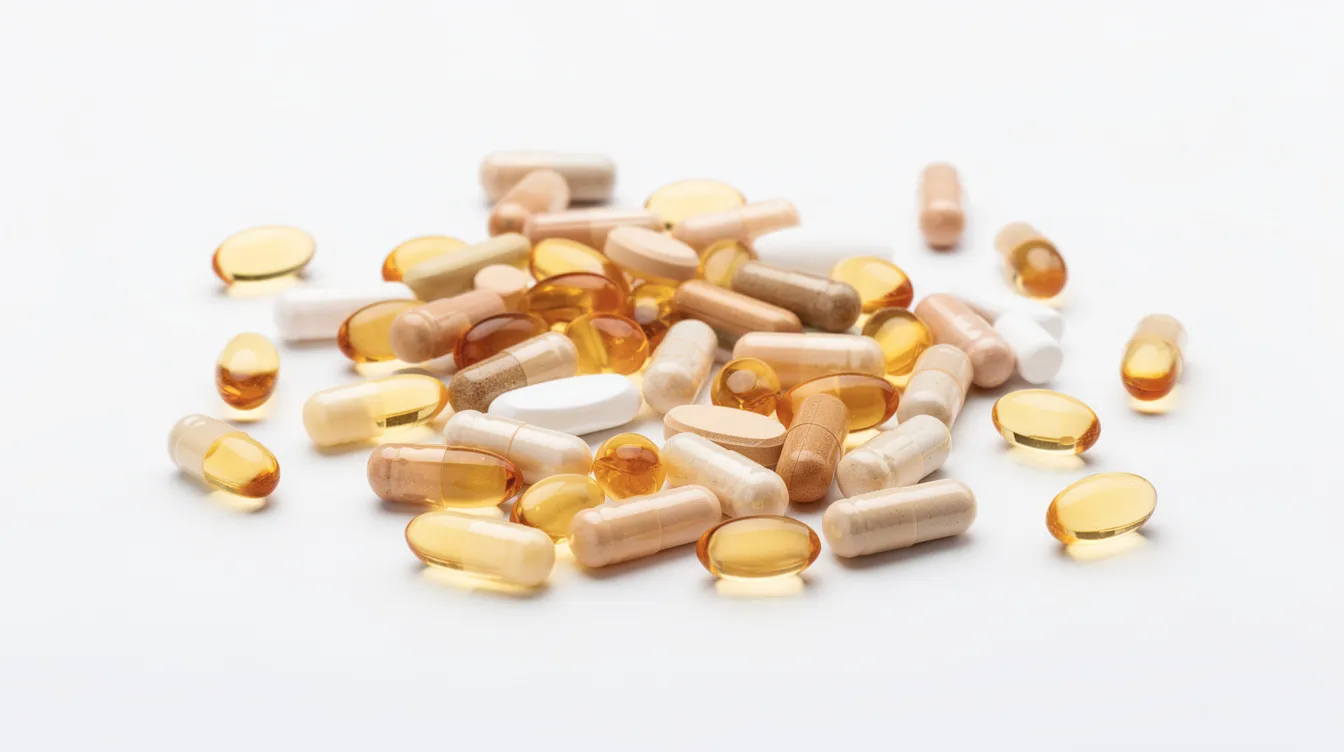
The morning portion of Rhonda’s regimen typically includes her first omega-3 dose, alpha lipoic acid, multivitamin, and collagen powder. This timing isn’t accidental—fat-soluble supplements absorb better with food, and the metabolic demands of the day make morning an ideal window for energy-supporting compounds.
Here’s what Rhonda takes in the morning:
- Fish oil (first dose of 1,000-1,200 mg EPA/DHA)
- Alpha lipoic acid (600 mg)
- Multivitamin (Pure Encapsulations ONE)
- Collagen powder (10-15 grams)
- PQQ (20 mg)
- Cocoa flavanols (approximately 500 mg)
Timing sensitivity matters for several of these:
Taking fish oil supplements with breakfast supports fat absorption and reduces the gastrointestinal distress some people experience. The same dose on an empty stomach may cause fish burps and reduced bioavailability.
Alpha lipoic acid is sometimes recommended on an empty stomach for glucose metabolism effects, though Rhonda takes it during daytime hours without specifying strict timing relative to meals.
Collagen powder can be taken anytime since it’s essentially protein. Mixing it into coffee or smoothies works well for compliance.
Fish Oil And Bill Harris Omega-3 Index
The omega-3 index represents a shift from “take some fish oil” to biomarker-driven optimization. Bill Harris developed this measurement, which calculates EPA and DHA as a percentage of total fatty acids in red blood cells. Rhonda targets maintaining her index above 8 percent—a threshold linked with stronger cardiovascular and cognitive outcomes.
Why does this metric matter more than just taking a standard dose?
Individual absorption varies dramatically. Two people taking the same dose of fish oil can have completely different omega-3 indices based on:
- Baseline dietary intake (how often they eat fish or fatty fish)
- Genetic variations in fatty acid metabolism
- Gut health and absorption capacity
- Competition with omega-6 intake (alpha linolenic acid conversion)
Rhonda takes approximately 2,000 to 2,400 mg of combined EPA and DHA daily, often split into two doses. This is substantially higher than what many people take from a single capsule. Her preferred brand is Metagenics EPA DHA 2400, selected specifically for third-party oxidation verification.
Testing frequency recommendations:
- Initial test: Before starting or modifying omega-3 supplementation
- Follow-up test: 3-4 months after reaching target dose (allows red blood cells to reach steady state)
- Maintenance testing: Every 6-12 months to confirm levels
The omega-3 index test is different from standard blood lipid panels. You’ll need to specifically request it or use a direct-to-consumer testing service. Most functional medicine practitioners are familiar with this measurement given Bill Harris’s influence on the field.
Human studies consistently show that maintaining an omega-3 index above 8 percent associates with lower levels of inflammatory markers and reduced risk of cardiovascular events. One key point Rhonda discusses: she has actually lowered her omega-3 dose in recent updates based on testing data, demonstrating that more isn’t always better once you’ve reached optimal levels.
The anti inflammatory effects of adequate EPA and DHA intake extend beyond cardiovascular health. Research suggests benefits for reduced inflammation throughout the body, including joint tissues and neural pathways involved in brain function.
Alpha Lipoic Acid Details
Alpha lipoic acid exists in two forms—R-ALA (the naturally occurring compound found in mitochondria) and S-ALA (the synthetic form). Most supplements contain a 50/50 racemic mixture, though R-ALA is considered more bioactive.
Rhonda Patrick details her use at 600 mg daily, though sources don’t specify which form she takes. This dose is notably higher than typical ALA supplementation in general populations (most supplements contain 100-300 mg), suggesting targeted metabolic optimization rather than general antioxidant coverage.
Why Rhonda uses ALA:
- Glucose metabolism enhancement and insulin sensitivity support
- Antioxidant activity (both water and fat-soluble environments)
- Regeneration of other antioxidants like vitamin e and glutathione
- Mitochondrial function support
The compound found in ALA functions as a cofactor for mitochondrial enzymes involved in energy production. This mechanistic basis makes it particularly relevant for longevity-focused protocols where mitochondrial health is a priority.
Common ALA dosage comparison:
| Use Case | Typical Dose | Notes |
|---|---|---|
| General antioxidant | 100-300 mg | Basic support |
| Glucose metabolism | 300-600 mg | Insulin sensitivity focus |
| Therapeutic (neuropathy) | 600-1,200 mg | Medical supervision recommended |
| Rhonda’s protocol | 600 mg | Marked as optional |
The “optional” designation in Rhonda’s routine suggests ALA may be deployed strategically during periods of higher training demands or metabolic stress rather than year-round. This conditional approach reflects her broader philosophy of adding supplements when there’s a clear physiological reason.
Side effects at higher doses can include gastrointestinal discomfort and, rarely, skin rash. ALA can also lower blood sugar, which matters for people on diabetes medications—a drug interaction worth noting.
Collagen Powder Notes
Collagen supplementation appears in Rhonda’s stack at 10-15 grams daily, using hydrolyzed forms for optimal absorption. This dose represents a meaningful therapeutic amount rather than a token serving.
Benefits Rhonda references:
- Skin health and elasticity support
- Joint and connective tissue integrity
- Tendon and ligament resilience (particularly relevant for athletes)
- Support for collagen synthesis throughout the body
The hydrolyzed format breaks collagen into smaller peptides that cross the intestinal barrier more efficiently than gelatin or non-hydrolyzed collagen. Research on collagen supplementation shows benefits for skin aging markers and joint comfort, though the evidence quality varies.
Powdered versus capsule formats:
| Format | Pros | Cons |
|---|---|---|
| Powder | Higher doses practical, mixes into beverages | Texture may be off-putting |
| Capsules | Convenient, no taste | Would need 10-15 capsules for equivalent dose |
For anyone targeting 10-15 grams daily, powder is essentially the only practical option. Capsules typically contain 500-1,000 mg each, meaning you’d need to swallow a small handful to match Rhonda’s dose.
Timing relative to vitamin C intake deserves mention—some research suggests collagen synthesis may benefit from concurrent vitamin C availability, though Rhonda doesn’t specify strict co-administration timing.

Evening Stack And Miscellaneous Supplements Including Athletic Greens
The evening portion of Rhonda’s regimen shifts toward sleep optimization, recovery, and compounds that may benefit from circadian timing. Taken around dinner and before bed, this stack includes:
- Vitamin D (4,000-6,000 IU) paired with K2 (100 mcg MK-7)
- Magnesium glycinate (120-130 mg)
- Fish oil (second dose)
- CoQ10/Ubiquinol (100-300 mg)
- Melatonin (10 mg)
- Vitamin C (variable, especially during illness exposure)
- Myositol
The vitamin d connection to circadian rhythm regulation makes evening supplementation logical for some people. However, others find high-dose vitamin D energizing and prefer morning administration. Individual response varies.
Adequate magnesium intake supports sleep architecture directly through GABA receptor modulation and muscle relaxation. Rhonda’s evening magnesium choice is a specifically formulated blend called Magnesi-Om (berry flavor), which contains magnesium gluconate, acetyl taurinate, and citrate combined with L-theanine. This evening formulation includes monk fruit sweetener and targets sleep quality and stress management.
The daytime magnesium glycinate (120-130 mg) differs from the evening blend—glycinate is selected for bioavailability and lower laxative effects compared to oxide or citrate forms. The glycine component may also support inhibitory neurotransmission.
Supplements Rhonda typically avoids at night:
- Stimulating compounds (caffeine-containing supplements)
- High-dose B vitamins (can be energizing)
- Creatine (typically taken earlier in the day)
The melatonin dose of 10 mg stands out as substantially above typical over-the-counter doses (0.3-5 mg). Sources don’t elaborate extensively on this dosing strategy, suggesting it may relate to specific sleep challenges, circadian optimization goals, or chronotype considerations.
Athletic greens appears mentioned in relation to Rhonda’s regimen, positioned as a potential multinutrient whole-food option. Its placement seems supplementary to her primary stack rather than a cornerstone.
Athletic Greens Evaluation
Athletic greens represents a different approach to nutrient coverage—whole-food-derived powders versus isolated compounds. As a multinutrient option, it provides broad micronutrient coverage in a single serving.
Key advantages Rhonda has referenced:
- Convenience of multiple nutrients in one product
- Whole-food-derived compounds with potential synergistic effects
- Probiotic and prebiotic components for gut health
- Adaptogen inclusion for stress support
However, Rhonda’s explicit use of Pure Encapsulations ONE as her multivitamin suggests she may view athletic greens as complementary rather than a replacement for targeted supplementation. The lack of detailed discussion across multiple sources indicates it may be a secondary consideration in her protocol.
For someone choosing between approaches, the tradeoffs look like this:
| Approach | Best For | Limitation |
|---|---|---|
| Athletic Greens | Convenience seekers, general wellness | Lower doses of specific compounds |
| Targeted supplements | Optimization focused, biomarker-driven | More pills, more complexity |
| Combined approach | Those wanting both | Higher cost, potential redundancy |
The adequate intake of most micronutrients can be achieved through either approach. The question becomes whether you need therapeutic doses of specific compounds (omega-3, vitamin D, magnesium) that greens powders typically don’t provide at sufficient levels.
Targeted Cognitive Goals: Cognitive Function, Cognitive Decline, Brain Aging, Alzheimer’s Disease
Multiple supplements in Rhonda’s stack specifically target cognitive outcomes and brain aging pathways. This isn’t incidental—preserving cognitive function represents one of her primary longevity goals.
Supplements mapped to cognitive function outcomes:
| Supplement | Mechanism | Evidence Strength |
|---|---|---|
| Omega-3 (EPA/DHA) | Neuroinflammation reduction, myelin support | Strong |
| Magnesium | NMDA receptor modulation, synaptic plasticity | Moderate |
| Creatine | Brain ATP regeneration, energy production | Moderate |
| Cocoa flavanols | Cerebral blood flow enhancement | Mixed |
| PQQ | Mitochondrial biogenesis | Limited |
| CoQ10 | Neuronal energy metabolism | Moderate |
The omega 3s (EPA/DHA) provide the strongest evidence base for cognitive support. They directly support brain structure through multiple pathways: reducing neuroinflammation, supporting neuroplasticity, and maintaining myelin integrity. The 2,000-2,400 mg daily dose with emphasis on omega-3 index above 8 percent suggests cognitive optimization is a primary goal rather than general health support.
Evidence for slowing cognitive decline:
Research suggests that maintaining higher omega-3 levels associates with slower rates of brain volume loss in older adults. The anti inflammatory effects may be particularly relevant given inflammation’s role as a leading cause of neurodegenerative progression.
Creatine supplementation (5 grams daily in Rhonda’s standard protocol) explicitly supports brain energy and cognitive function. The mechanism involves phosphocreatine-mediated ATP regeneration in neurons, supporting sustained mental effort and potentially protecting against cognitive decline. Rhonda scales her creatine intake based on context—travel or poor sleep can push her intake up to 15 or even 20 grams to support recovery and cognitive function.
For brain aging specifically, the stack addresses several pathways:
- Oxidative stress reduction: Alpha lipoic acid, CoQ10, sulforaphane
- Inflammation modulation: Omega-3s, magnesium
- Energy metabolism: Creatine, PQQ, CoQ10
- Vascular support: Cocoa flavanols, omega-3s
Alzheimer’s disease rationale:
Several compounds in the stack have been studied in the context of Alzheimer’s disease risk reduction, though it’s crucial to note this represents preventive optimization rather than treatment claims. The disease pathology involves amyloid accumulation, tau tangles, neuroinflammation, and metabolic dysfunction—many of which these supplements theoretically address.
However, evidence quality varies substantially. A few studies have examined direct Alzheimer’s prevention, but most data comes from:
- Epidemiological associations (higher omega-3 intake correlates with lower risk)
- Mechanistic studies (compounds reduce relevant biomarkers)
- Short-term cognitive improvement trials in healthy populations
The cocoa flavanols (approximately 500 mg daily) deserve special mention. While they support vascular function and blood flow to the brain, one large randomized controlled trial sub-study found no sustained cognition benefit from cocoa extract over 3 years (Grodstein et al., 2023). The placebo group showed similar cognitive trajectories, suggesting beneficial effects may be more mechanistic than clinically proven in some populations.
Priority interventions for brain aging based on evidence strength:
- Maintain omega-3 index above 8% (strongest evidence)
- Ensure adequate magnesium (common deficiency with cognitive implications)
- Consider creatine for brain energy support (emerging evidence)
- Optimize vitamin D levels (associations with cognitive outcomes)
- Add specialized compounds based on individual risk factors
Lion’s mane mushroom doesn’t appear in Rhonda’s documented stack, though it’s commonly discussed in nootropic circles for nerve growth factor support. This absence may reflect her preference for compounds with stronger human data or simply incomplete documentation of her full protocol.

Mechanisms And Biomarkers: DNA Damage, Cancer Risk, Improving Longevity
The architecture of Rhonda’s stack addresses interconnected pathways implicated in aging and disease risk. Understanding these mechanisms helps explain why specific compounds were selected over alternatives.
Supplements linked to reduced DNA damage markers:
| Compound | Mechanism | Target |
|---|---|---|
| Sulforaphane | Nrf2 activation, phase II enzyme induction | Carcinogen neutralization |
| Alpha lipoic acid | Free radical scavenging, glutathione regeneration | Oxidative damage prevention |
| Omega-3s | Membrane protection, inflammation reduction | Oxidative stress reduction |
| Vitamin D | Gene expression modulation | DNA repair pathways |
Sulforaphane from broccoli sprouts (Avmacol brand) represents a particularly potent approach to endogenous antioxidant activation. Rather than providing direct antioxidant activity, sulforaphane induces Nrf2-antioxidant response element pathways, leading to upregulation of phase II detoxification enzymes including glutathione S-transferase, thioredoxin reductase, and NAD(P)H quinone oxidoreductase.
This mechanism provides more robust and sustained protection than exogenous antioxidants. The body produces its own defense enzymes rather than relying on consumed antioxidants that may be rapidly depleted. The compound found naturally in cruciferous vegetables explains why Rhonda emphasizes whole-food sources alongside supplementation.
Cancer risk modulation evidence:
Multiple compounds theoretically address cancer risk through antioxidant and anti-inflammatory mechanisms. However, specific epidemiological evidence directly linking Rhonda’s protocol to reduced cancer incidence doesn’t exist—the approach is based on mechanistic rationale:
- Reactive oxygen species reduction: ALA, CoQ10, omega-3s
- Inflammation pathway modulation: Omega-3s, magnesium
- Carcinogen detoxification: Sulforaphane
- Glucose metabolism optimization: Benfotiamine, ALA (chronic hyperglycemia associates with greater risk)
Benfotiamine (200 mg, used selectively) contributes to antioxidant defense and glucose metabolism modulation. The association between chronic hyperglycemia and cancer incidence makes blood sugar optimization a longevity-relevant target.
Biomarkers for longevity assessment:
The materials emphasize several measurable targets:
| Biomarker | Target Range | Testing Frequency |
|---|---|---|
| Omega-3 Index | >8% | Every 6-12 months |
| Vitamin D (25-OH) | 40-60 ng/ml | Every 6-12 months |
| hs-CRP | <1 mg/L | Annually |
| Homocysteine | <10 μmol/L | Annually |
| Fasting glucose | <100 mg/dL | Per standard care |
While sources don’t explicitly list all biomarkers Rhonda tracks, these represent logical candidates for comprehensive longevity optimization:
- Omega-3 index: Primary tracked metric, validated by Bill Harris research
- Vitamin D: Explicit target of 40-60 ng/ml
- Inflammatory markers: hs-CRP (high-sensitivity C-reactive protein)
- Metabolic markers: Fasting glucose, HbA1c, insulin
The approach represents evidence-based personalization—adjusting supplement doses based on biomarker feedback rather than following static protocols indefinitely. Rhonda’s recent adjustment of her omega-3 dose based on testing demonstrates this principle in action.
Gene expression considerations:
Several supplements in the stack modulate gene expression pathways:
- Vitamin D acts as a hormone affecting expression of hundreds of genes
- Sulforaphane activates Nrf2 pathway genes
- Omega-3s influence inflammatory gene expression
This transcriptomic layer adds complexity beyond simple nutrient repletion. The supplements don’t just fill gaps—they actively signal cellular processes related to inflammation, detoxification, and stress response.
Dosing, Safety, And Interactions
Understanding drug supplement interactions becomes critical when managing a complex stack. Several compounds in Rhonda’s protocol warrant consideration for specific populations.
Key drug-supplement interactions to check:
| Supplement | Potential Interaction | Who Should Be Careful |
|---|---|---|
| Omega-3s (>2g) | Antiplatelet effects | Those on blood thinners, pre-surgery |
| Vitamin K2 | Warfarin competition | Warfarin users |
| Magnesium | Reduced antibiotic absorption | Fluoroquinolone/tetracycline users |
| Melatonin (high dose) | CYP1A2 interactions | Certain medication users |
| ALA | Blood sugar lowering | Diabetes medication users |
The omega-3 dose of 2,000+ mg daily has documented antiplatelet properties and could theoretically interact with anticoagulants or antiplatelet medications. Anyone on warfarin, aspirin therapy, or other blood clotting medications should discuss with their physician before adding high-dose fish oil.
Vitamin K2, while supporting bone health and calcium distribution, could interfere with warfarin therapy. The vitamin K2 works precisely by affecting clotting factor activity—the same pathway warfarin targets.
Safe upper limits to consider:
| Supplement | Tolerable Upper Intake | Rhonda’s Dose | Notes |
|---|---|---|---|
| Vitamin D | 4,000 IU (conservative) | 4,000-6,000 IU | Monitor blood levels |
| Magnesium | 350 mg (supplemental) | ~250 mg total | From supplements only |
| Omega-3s | No established UL | 2,000-2,400 mg | Monitor for bleeding |
| ALA | No established UL | 600 mg | Individual tolerance varies |
Note that magnesium upper limits refer to elemental magnesium from supplements specifically—dietary magnesium doesn’t count toward this limit. The combined daytime and evening doses in Rhonda’s protocol approach but don’t exceed this threshold.
Common side effects to monitor:
- Fish oil: Fish burps, loose stool (take with food to minimize)
- Magnesium: Loose stool (especially citrate/oxide forms)
- Melatonin: Morning grogginess, vivid dreams at higher doses
- ALA: GI discomfort, rare skin reactions
- Vitamin D: Hypercalcemia signs at very high doses (thirst, frequent urination)
The melatonin dose of 10 mg substantially exceeds physiologic replacement doses (0.3-1 mg) and may cause morning drowsiness in some people. Starting lower and titrating up based on response makes sense for anyone experimenting with melatonin.
One source recommends avoiding accidental doubles when using supplements—specifically warning against combining a D3+K2 supplement with additional standalone K2 unless intended. Tracking total daily intake across multiple products prevents inadvertent overdosing.
Brands, Sourcing, And Third-Party Testing
Brand selection in Rhonda’s protocol prioritizes purity, third-party verification, and oxidation stability. This isn’t brand loyalty for its own sake—it reflects understanding of supplement quality variability.
Brands Rhonda mentions for each supplement:
| Supplement | Preferred Brand | Selection Criteria |
|---|---|---|
| Omega-3 | Metagenics EPA DHA 2400 | Oxidation verification, heavy metal testing |
| Multivitamin | Pure Encapsulations ONE | Hypoallergenic, third-party verified |
| Creatine | Thorne | Purity testing |
| Evening Magnesium | Magnesi-Om (berry flavor) | Specific formulation with L-theanine |
| Sulforaphane | Avmacol | Standardized glucoraphanin content |
Third-party testing to look for:
The most meaningful certifications include:
- NSF International: Tests for banned substances, label accuracy
- USP (United States Pharmacopeia): Verifies potency, purity, dissolution
- Informed Choice/Informed Sport: Specifically for athletic banned substances
- ConsumerLab: Independent testing and quality ratings
- IFOS (International Fish Oil Standards): Specific to fish oil oxidation and purity
For fish oil supplements specifically, oxidation represents a critical concern. Rancid fish oil may not only be ineffective but potentially harmful—oxidized fatty acids can promote rather than reduce inflammation. Third-party testing for TOTOX (total oxidation) values provides meaningful quality assurance.
Reading a Certificate of Analysis (CoA):
When evaluating supplements, request the CoA from manufacturers. Key elements to review:
- Identity testing: Confirms the stated ingredient is actually present
- Potency verification: Actual amounts versus label claims
- Contaminant testing: Heavy metals, pesticides, microbial counts
- For fish oil: TOTOX value, EPA/DHA actual content
A legitimate manufacturer will provide CoAs readily. Resistance to sharing this documentation suggests quality control concerns.
Research Priorities And Gaps For Cognitive Decline And Cancer Risk
While Rhonda’s stack reflects current best evidence, significant gaps remain in the research landscape. Understanding these limitations helps set realistic expectations.
Weak areas in current evidence:
| Compound | Gap | What We Need |
|---|---|---|
| PQQ | Limited human studies | Double blind trials with cognitive endpoints |
| Cocoa flavanols | Mixed long-term cognitive data | Larger trials in at-risk populations |
| Sulforaphane | Dosing optimization unclear | Dose-response studies |
| NR/Urolithin A | Emerging, limited longevity data | Long-term outcome studies |
| Combined protocols | Unknown interaction effects | Full-stack efficacy trials |
PQQ is explicitly noted as having “limited research” in the source materials. The mechanistic rationale for mitochondrial biogenesis support is compelling, but few studies have examined clinically meaningful cognitive or longevity outcomes in humans. The average age of participants in existing trials tends to skew younger, limiting applicability to aging populations most concerned about cognitive decline.
Priority clinical trials to cite:
For those tracking the evidence landscape:
- VITAL (omega-3s and vitamin D for disease prevention)
- COSMOS (cocoa flavanols cardiovascular and cognitive outcomes)
- Ongoing NR/NMN longevity trials
- Sulforaphane metabolic outcome studies
The COSMOS trial represents particularly relevant data given Rhonda’s use of cocoa flavanols. While some cardiovascular benefits emerged, the cognitive substudy showed no sustained advantage over placebo—a finding that tempers enthusiasm for cocoa’s brain benefits.
Observational data to interpret cautiously:
Much of the evidence supporting longevity supplementation comes from observational studies showing associations between higher nutrient levels and better outcomes. These don’t establish causation:
- Higher omega-3 index correlating with lower cardiovascular risk could reflect fish consumption and other healthy behaviors
- Vitamin D associations may indicate outdoor activity and overall health status
- Low vitamin D or omega-3 might be markers rather than causes of disease
This doesn’t mean supplementation is useless—randomized controlled trial evidence does exist for many compounds. But extrapolating dramatic benefits from observational associations overestimates what supplements can deliver.
The combined protocol problem:
No studies have examined Rhonda’s specific combination of supplements as a unified intervention. We know individual compounds have mechanisms of action, but:
- Potential interactions (positive or negative) remain unstudied
- Cumulative effects on biomarkers aren’t characterized
- Long-term safety of the combined approach is unknown
This represents a fundamental limitation of all multi-supplement protocols. The evidence base consists of individual compound studies that are then combined based on mechanistic reasoning.
Actionable Stack Plan And Next Steps
Building from Rhonda’s protocol, here’s a practical implementation approach for someone new to optimized supplementation.
Starter protocol based on Rhonda’s routine:
The essential supplements to begin with address the most common micronutrient deficiencies while providing meaningful health benefits:
| Priority | Supplement | Starting Dose | Purpose |
|---|---|---|---|
| 1 | Omega-3 (EPA/DHA) | 1,000-2,000 mg | Foundation for inflammation/brain |
| 2 | Vitamin D3 + K2 | 2,000-4,000 IU + 100 mcg | Immune, bone, baseline support |
| 3 | Magnesium glycinate | 100-200 mg | Sleep, muscle cramps, cognition |
| 4 | Multivitamin | Per label | Gap coverage |
This represents the minimum effective stack that addresses widespread deficiencies without overwhelming complexity. Add compounds sequentially after establishing this foundation and obtaining baseline testing.
Tests to complete before changing supplements:
| Test | Purpose | When to Test |
|---|---|---|
| Omega-3 Index | Establish baseline for dosing | Before starting/after 3-4 months |
| 25-OH Vitamin D | Determine dose requirements | Before starting/after 2-3 months |
| Complete metabolic panel | Baseline liver/kidney function | Before high-dose supplementation |
| hs-CRP | Inflammation baseline | Before anti-inflammatory protocols |
| Lipid panel | Cardiovascular baseline | Before/after omega-3 optimization |
Testing before supplementation allows you to identify specific deficiencies rather than guessing. Someone with vitamin D at 45 ng/ml needs different supplementation than someone at 15 ng/ml.
Follow-up timing for reassessment:
| Timeframe | Action |
|---|---|
| 2-4 weeks | Assess tolerance, side effects |
| 3 months | Retest vitamin D, consider omega-3 index |
| 6 months | Full biomarker panel reassessment |
| 12 months | Comprehensive review and protocol adjustment |
Scaling up the protocol:
After establishing the foundation and confirming tolerability:
Month 2-3 additions:
- Increase omega-3 toward 2,000-2,400 mg if index below 8%
- Add collagen powder (10-15 grams) if joint or skin support desired
- Consider sulforaphane for detoxification support
Month 4-6 additions (based on goals):
- Creatine (5 grams) for muscle strength and brain support
- CoQ10/Ubiquinol (100-200 mg) for energy and cardiovascular support
- Alpha lipoic acid (300-600 mg) for glucose metabolism
Situational supplements:
- Glutamine (6 grams) on training days or during cold/flu season
- Zinc lozenges during illness exposure
- Melatonin for sleep optimization (start with 0.5-3 mg before considering higher doses)
- Probiotics after antibiotics or alcohol consumption
Implementation tips from Rhonda’s approach:
- Split omega-3 dosing into two daily administrations
- Take fat-soluble supplements (D, K2, omega-3) with meals containing fat
- Consider evening magnesium specifically for sleep support
- Mix creatine into coffee for compliance (Rhonda’s approach)
- Track supplements that require cycling (consider NR breaks periodically)
Who should modify this protocol:
| Population | Modification |
|---|---|
| Pregnant/nursing | Consult physician, adjust doses |
| On blood thinners | Lower omega-3, eliminate K2, medical supervision |
| Kidney disease | Limit magnesium, caution with high-dose supplements |
| Diabetes medications | Monitor ALA blood sugar effects |
| Post-menopausal women | May need iron during menstruation (if applicable) |
The protocol assumes a baseline healthy adult. Pre-existing conditions, medications, and individual circumstances require adjustments that a healthcare provider can help determine.
Common mistakes to avoid:
- Adding everything at once (makes identifying reactions impossible)
- Ignoring testing data (defeating the biomarker-driven approach)
- Exceeding reasonable doses hoping for greater effects
- Neglecting dietary foundations (supplements complement, don’t replace, food)
- Forgetting to reassess periodically (protocols should evolve)

Key Takeaways
- Rhonda Patrick’s supplement stack prioritizes addressing common deficiencies before adding specialized compounds
- The omega-3 index above 8% serves as a primary tracked biomarker for cardiovascular and brain health
- Fish oil supplements should be third-party tested for oxidation and purity
- Vitamin d supplementation paired with K2 targets blood levels of 40-60 ng/ml
- Alpha lipoic acid and collagen powder round out the morning stack for metabolic and structural support
- Evening supplementation focuses on sleep optimization with magnesium blends and melatonin
- Cognitive function targets include omega-3s, creatine, and cocoa flavanols, though evidence quality varies
- Cancer risk and dna damage reduction rest on mechanistic rationale rather than direct prevention trials
- Testing before and during supplementation allows evidence-based dose adjustment
- Start with the four essential supplements foundation before adding complexity
The rhonda patrick supplement stack represents a sophisticated approach to nutritional optimization built on biomarker feedback rather than arbitrary dosing. Whether you adopt her full protocol or start with foundational compounds, the key principles remain consistent: test, implement, reassess, and adjust based on data rather than assumptions.
Before making significant changes to your supplement routine, baseline testing provides the information needed to personalize effectively. Start with the foundations, track your response, and build complexity only as warranted by your goals and biomarker data.