
Related topic: This article is part of Head-to-Head Protocol Comparisons. If you want the broader overview, start with Compare Longevity Protocols: Practical Framework For Low-Risk Biohacking. The debate between sirtuins and mTOR represents one of the most consequential discussions in modern longevity research. These two molecular systems operate as opposing forces within your cells—one promoting growth when nutrients abound, the other activating cellular repair when resources become scarce.
For researchers, clinicians, and health professionals working to translate bench findings into healthspan-extending interventions, understanding this dynamic is essential. The tension between these pathways shapes nearly every aspect of the aging process, from metabolic syndrome to neurodegeneration.
This article frames the sirtuins vs mtor debate around achieving metabolic balance to influence aging outcomes. You’ll find specific biomarkers to monitor, intervention strategies to evaluate, and practical recommendations for designing studies that target both pathways effectively.
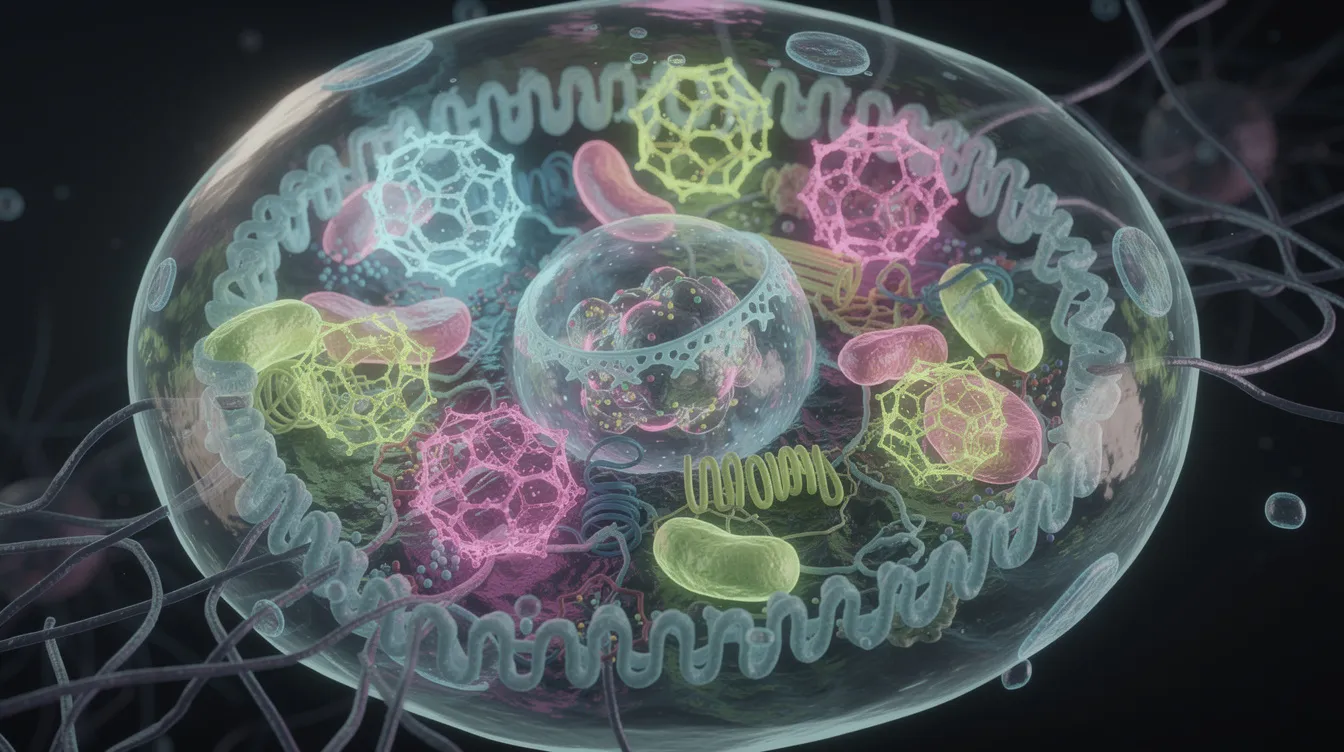
Longevity Pathways Overview
Longevity pathways are interconnected networks of molecular signaling cascades that regulate how cells allocate resources between growth, reproduction, and survival. These pathways don’t operate in isolation—they form a sophisticated communication system that determines whether your cells prioritize building new tissue or repairing existing damage. Additionally, these pathways enable cells to send chemical messages to influence the behavior of neighboring or distant other cells, thereby coordinating overall tissue function.
The relevance to healthspan extends beyond simple lifespan extension. Dysregulation of these pathways contributes directly to hallmarks of aging including:
- Impaired autophagy leading to protein aggregation
- Mitochondrial dysfunction and reduced energy output
- Accumulation of senescent cells
- Chronic inflammation
- Genomic instability
The Four Core Pathways
Four primary signaling networks compose the longevity pathway landscape:
| Pathway | Primary Function | Activation Trigger |
|---|---|---|
| mTOR | Senses nutrients, promotes anabolic processes | Amino acids, growth factors, insulin |
| Sirtuins | NAD+-dependent repair and stress responses | Caloric restriction, NAD+ availability |
| Insulin/IGF-1 | Integrates growth signals | Glucose, insulin |
| AMPK | Energy sensor activating catabolic processes | Low ATP/AMP ratio, exercise |
These pathways communicate through extensive crosstalk. When nutrients are abundant, mTOR dominates, pushing cells toward growth and proliferation. When energy becomes limited, AMPK and sirtuins take precedence, shifting cellular priorities toward maintenance and repair.
Relevance to Healthspan and Age Related Outcomes
The connection between these pathways and age related diseases isn’t theoretical—it’s mechanistic. Balanced activation of repair pathways has been linked to:
- Delayed cardiac aging in experimental models
- Reduced cardiomyopathy risk
- Lower incidence of cardiovascular disease associated with balanced mTOR activity
- Improved cognitive function with aging
- Enhanced metabolic flexibility
In model organisms ranging from yeast to mice, interventions that temper growth signaling while enhancing repair mechanisms consistently extend lifespan. More importantly, they extend healthspan—the period of life free from chronic disease and disability.
Understanding how to manipulate this balance represents the practical challenge for anyone working in translational longevity research.
mTOR Pathway
The mtor pathway centers on the serine/threonine kinase mechanistic target of rapamycin—often called the mammalian target of rapamycin. This pathway functions as the master regulator of cell growth, integrating signals from nutrients, growth factors, and cellular energy status to determine whether conditions favor biosynthesis.
Primary Complexes
mTOR operates through two distinct protein complexes with different functions and regulatory properties:
mTORC1 (mTOR Complex 1)
- Sensitive to rapamycin
- Responds to amino acids, particularly leucine
- Primary driver of protein synthesis and cell growth
- Suppresses autophagy when active
mTORC2 (mTOR Complex 2)
- Less responsive to rapamycin
- Regulates cytoskeletal organization
- Influences cell survival signaling
- Modulates Akt activity
For longevity research, mTORC1 receives the most attention because its chronic activation correlates strongly with accelerated aging phenotypes.
Role in Cell Growth and Protein Synthesis
mTORC1 promotes cell growth through several downstream mechanisms:
- S6 Kinase (S6K) phosphorylation: Enhances ribosomal protein synthesis
- 4E-BP1 phosphorylation: Releases translation initiation factors
- Ribosomal biogenesis: Increases cellular capacity for protein production
- Autophagy suppression: Prioritizes building over recycling
When mTORC1 is active, cells shift into an anabolic state. They synthesize proteins, grow larger, and prepare for division. This makes perfect sense during development, tissue repair, or recovery from injury.
Short-Term Benefits vs. Chronic Activation Risks
The challenge emerges when you consider the difference between adaptive and maladaptive mTOR activation:
Adaptive (Short-term) Benefits:
- Cardiac hypertrophy during pressure overload
- Muscle protein synthesis following exercise
- Wound healing and tissue regeneration
- Fetal development and cardiomyocyte replication
Maladaptive (Chronic) Risks:
- Maladaptive cardiac hypertrophy
- Mitochondrial dysfunction
- Impaired autophagy and protein aggregation
- Accelerated cellular aging
Research in mice demonstrates this distinction clearly. Cardiac-specific Akt/mTOR overactivation leads to initial adaptive hypertrophy, but sustained activation results in heart failure. The pathway that supports growth becomes the pathway that drives decline when it cannot be properly regulated.
mTOR Pathway and Deregulated Nutrient Sensing
Deregulated nutrient sensing represents one of the nine hallmarks of aging. It refers to the persistent hyperactivation of growth pathways like mTORC1 in response to chronic nutrient excess—independent of actual energy needs.
In a healthy system, mTORC1 activates when nutrients are available and cellular conditions favor growth. When nutrients become scarce, mTORC1 activity decreases, allowing repair processes to predominate. Deregulated nutrient sensing disrupts this balance, keeping growth pathways engaged even when they shouldn’t be.
Connection to Persistent mTOR Activation
The mechanism involves several upstream activators:
- Akt signaling: Potentiates mTORC1 even in non-growth contexts
- Rag GTPases: Respond to amino acid levels at the lysosome
- RHEB: Direct activator of mTORC1 when not inhibited by TSC complex
When these pathways remain chronically engaged, the downstream consequences include:
- Impaired autophagy
- Accumulation of damaged organelles
- Reduced metabolic flexibility
- Persistent suppression of repair mechanisms
Dietary Triggers That Stimulate mTOR
Specific dietary patterns drive mTOR activation:
| Dietary Factor | Mechanism | Effect on mTOR |
|---|---|---|
| High leucine intake | Activates Rag GTPases | Strong mTORC1 activation |
| Elevated glucose | Engages PI3K/Akt | Indirect mTOR stimulation |
| High insulin levels | Activates PI3K/Akt pathway | Sustained mTOR activity |
| Excess calories | Combined nutrient signals | Chronic pathway engagement |
Interestingly, genetic evidence from long-lived humans supports the importance of tempered nutrient responsiveness. Centenarians carry rare variants in mTOR-related genes including RPS6, FLCN, and SIK3 that reduce pathway signaling. This suggests evolutionary selection for balanced nutrient sensing over unchecked growth responses.
The implication for interventions is clear: reducing mTOR hyperactivation—whether through dietary modification or pharmacologic means—may represent a viable strategy to promote healthy aging.
Sirtuin Pathway
Sirtuins are a family of seven NAD+-dependent class III histone deacetylases (SIRT1-7). Unlike kinases that add phosphate groups, sirtuins remove acetyl groups from proteins, fundamentally altering their activity. This makes sirtuins rely on nicotinamide adenine dinucleotide (NAD+) as a required co-substrate for their enzymatic function.
The dependency on NAD+ creates a direct link between cellular energy status and sirtuin activity. When NAD+ levels rise—as occurs during caloric restriction, fasting, or exercise—sirtuin activity increases. This couples the sensing of energy scarcity to the activation of repair and stress resistance programs.
Sirtuin Family Members and Their Roles
Each sirtuin has distinct subcellular localization and target preferences:
| Sirtuin | Location | Primary Functions |
|---|---|---|
| SIRT1 | Nucleus/Cytoplasm | Metabolic regulation, DNA repair, gene expression |
| SIRT2 | Cytoplasm | Cell cycle regulation, microtubule dynamics |
| SIRT3 | Mitochondria | Oxidative metabolism, antioxidant defense |
| SIRT4 | Mitochondria | Amino acid metabolism, insulin secretion |
| SIRT5 | Mitochondria | Urea cycle, glycolysis regulation |
| SIRT6 | Nucleus | Genomic stability, telomere maintenance |
| SIRT7 | Nucleolus | Ribosomal DNA transcription |
SIRT1 receives the most research attention as the mammalian homolog of yeast Sir2—the original longevity gene discovered in that species. SIRT3 plays a critical role in mitochondrial function and has been called the “mitochondrial gatekeeper” of aging.
Gene Regulation and Repair Functions
SIRT1 deacetylates several key transcription factors and regulatory proteins:
- PGC-1α: Master regulator of mitochondrial biogenesis
- FOXO transcription factors: Stress resistance and cell cycle control
- p53: Tumor suppressor and DNA damage response
- NF-κB: Inflammatory signaling modulation
Through these targets, SIRT1 influences processes spanning from energy metabolism to inflammatory responses to cellular survival decisions.
SIRT3 complements nuclear sirtuin functions by operating within mitochondria. It deacetylates SOD2 (superoxide dismutase 2) to enhance antioxidative defense, protecting mitochondrial components from reactive oxygen species damage. This function becomes increasingly important role as cells age and oxidative stress accumulates.
Stress Resistance and Longevity Association
Sirtuins promote stress resistance through multiple mechanisms:
- Enhanced autophagy: Clearing damaged proteins and organelles
- Improved DNA repair: Activating repair enzymes and checkpoint proteins
- Metabolic adaptation: Shifting toward oxidative metabolism
- Reduced inflammation: Suppressing NF-κB-driven inflammatory genes
Collectively, sirtuins counteract six hallmarks of aging: genomic instability, loss of proteostasis, mitochondrial dysfunction, deregulated nutrient sensing, altered intercellular communication, and stem cell exhaustion.
The association with neurodegeneration is particularly notable. SIRT1 deficiency accelerates neurodegenerative phenotypes, while activation provides neuroprotective effects through its influence on transcription and mitochondrial health.
Sirtuins and AMPK Pathway Interaction
The ampk pathway activates in low-energy states when the AMP/ATP ratio rises. This typically occurs during exercise, fasting, or any condition where ATP consumption exceeds production. AMPK functions as the cellular fuel gauge, triggering catabolic processes to conserve energy and restore ATP levels.
AMPK Activation Mechanisms
AMPK responds to energy stress through:
- Direct binding of AMP and ADP
- Phosphorylation by upstream kinases (LKB1, CaMKK2)
- Allosteric activation by AMP
Once activated, AMPK phosphorylates targets that:
- Inhibit anabolic processes (protein synthesis, lipid synthesis)
- Stimulate catabolic processes (fatty acid oxidation, glucose uptake)
- Induce autophagy through ULK1 phosphorylation
- Suppress mTORC1 via TSC2 phosphorylation
How AMPK Supports Sirtuin Activity
AMPK and sirtuins form a mutually reinforcing partnership:
AMPK → Sirtuins:
- AMPK increases NAMPT expression
- NAMPT synthesizes NAD+ from nicotinamide
- Elevated NAD+ enhances sirtuin activity
Sirtuins → AMPK:
- SIRT1 deacetylates LKB1
- Deacetylated LKB1 has enhanced activity
- Active LKB1 phosphorylates and activates AMPK
This creates a feedforward loop where energy stress simultaneously activates both systems. The loop amplifies the shift from growth to repair, ensuring that cellular resources redirect toward maintenance when conditions demand it.
Feedback Loops Between AMPK and mTOR
The relationship between AMPK and mTOR is antagonistic:
AMPK directly inhibits mTORC1 via TSC/Rheb, while mTORC1 suppresses AMPK. This ensures repair dominates during scarcity and growth dominates during abundance.
Key regulatory nodes include:
| Regulator | Target | Effect |
|---|---|---|
| AMPK | TSC2 | Phosphorylation activates TSC2 |
| Active TSC2 | Rheb | Inhibits Rheb, suppressing mTORC1 |
| AMPK | Raptor | Direct mTORC1 inhibition |
| mTORC1 | AMPK | Suppresses AMPK activity |
This reciprocal inhibition creates a bistable switch. Cells tend toward either growth mode (mTOR dominant) or repair mode (AMPK/sirtuin dominant), with transitions occurring when nutrient or energy conditions change sufficiently.
Notably, the lifespan-extending effects of Sir2/SIRT1 in yeast appear to be mTOR-independent, suggesting that sirtuin activation provides benefits beyond simply inhibiting growth signaling.
Sirtuins vs mTOR: Direct Comparison
Understanding the direct opposition between sirtuins and mTOR clarifies why interventions targeting one pathway often affect the other. These systems compete for cellular resources and push cells toward opposite metabolic states.
While genetic evidence supports the repair emphasis for longevity, it has been suggested by several studies that the benefits of targeting these pathways may depend on context and individual variation.
Effects on Autophagy
Autophagy—the cellular recycling system—provides the clearest contrast between these pathways:
mTORC1 Suppresses Autophagy:
- Phosphorylates ULK1 at inhibitory sites
- Blocks autophagosome formation
- Prioritizes protein synthesis over recycling
- Allows damaged components to accumulate
Sirtuins Promote Autophagy:
- SIRT1 deacetylates autophagy genes (ATG5, ATG7)
- Activation enhances lysosomal degradation
- Clears damaged proteins and organelles
- Supports cellular quality control
The practical implication: chronic mTOR activation leads to accumulation of dysfunctional components, while sirtuin activation promotes their clearance. This explains why autophagy declines with age (when mTOR tends toward hyperactivation) and why caloric restriction (which activates sirtuins) restores autophagic function.
Protein Synthesis vs. Repair Emphasis
The core metabolic tension:
| Process | mTOR Effect | Sirtuin Effect |
|---|---|---|
| Protein synthesis | Strongly promotes via S6K/RPS6 | Neutral to mildly suppressive |
| Ribosomal biogenesis | Increases | Decreases |
| DNA repair | Suppresses indirectly | Promotes via PARP1, NBS1 deacetylation |
| Antioxidant defense | Neutral | Enhances via SIRT3/SOD2 |
| Inflammatory signaling | Promotes | Suppresses |
Genetic evidence supports the repair emphasis as beneficial for longevity. RPS6 variants that reduce translation rates extend lifespan in mice. Long-lived humans carry similar variants in genes that temper protein synthesis rates.
Therapeutic Trade-offs
Interventions targeting either pathway come with specific considerations:
Inhibiting mTOR (e.g., rapamycin):
Potential Benefits:
- Extended lifespan in yeast, flies, worms, and mice
- Mimics nutrient scarcity signaling
- Restores autophagy
- May benefit cardiovascular aging
Potential Risks:
- Immunosuppression (20% infection incidence in clinical trials)
- Impaired wound healing
- Possible dysglycemia
- Unknown long-term effects in healthy humans
High doses of rapamycin are used in organ transplantation to prevent rejection, but these elevated levels may have different effects and risks compared to the low doses being explored for longevity.
Activating Sirtuins (e.g., NAD+ precursors):
Potential Benefits:
- Improved insulin sensitivity in human trials
- Enhanced mitochondrial function
- Reduced oxidative stress
- Generally well-tolerated
Potential Risks:
- Effects may depend on AMPK synergy
- Theoretical risk of NAD+ depletion from overactivation
- Limited long-term safety data
- Variable individual responses
The ideal intervention likely combines both strategies: moderate mTOR inhibition with sirtuin activation, mimicking the metabolic signature of caloric restriction without severe dietary restriction.
Biomarkers to Monitor Pathway Balance
For researchers and clinicians designing interventions, several biomarkers help assess pathway status:
mTOR Activity Markers:
- p-S6K (phosphorylated S6 kinase): Direct mTORC1 readout
- p-4E-BP1: Translation initiation status
- p-ULK1 (Ser757): Autophagy suppression marker
Sirtuin Activity Markers:
- NAD+/NADH ratio: Sirtuin substrate availability
- Acetyl-p53: SIRT1 activity indicator
- Acetyl-SOD2: SIRT3 activity indicator
Downstream Functional Markers:
- LC3-II levels: Autophagy flux
- γ-H2AX: DNA damage
- 8-oxo-dG: Oxidative DNA damage
- Mitochondrial DNA copy number
A well-designed intervention study should track markers from each category to assess whether pathway rebalancing is occurring.
Energy Metabolism and Mitochondrial Dysfunction
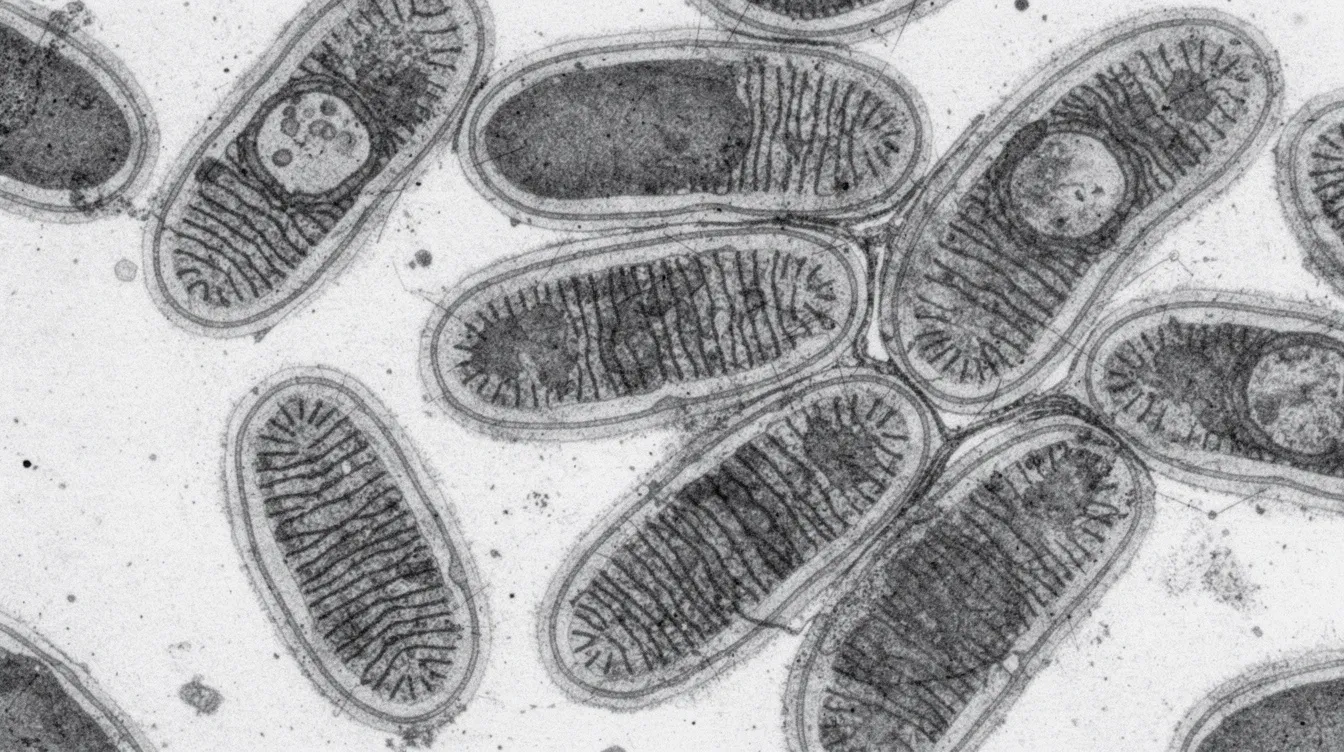
Mitochondria sit at the intersection of sirtuin and mTOR signaling. These organelles produce the ATP that powers cellular functions, and their health directly influences both pathway activity and aging outcomes.
Certain supplements, such as resveratrol, NMN, and krill oil, have been explored for their potential to support mitochondrial function and enhance longevity pathways.
Sirtuins and Mitochondrial Biogenesis
SIRT1 drives mitochondrial biogenesis through a well-characterized mechanism:
- SIRT1 deacetylates PGC-1α
- Deacetylated PGC-1α becomes transcriptionally active
- Active PGC-1α promotes TFAM expression
- TFAM supports mtDNA replication and transcription
- New mitochondria are generated
SIRT3 complements this by enhancing the function of existing mitochondria. It deacetylates components of the electron transport chain, improving OXPHOS efficiency and reducing electron leak that generates reactive oxygen species.
Together, SIRT1 and SIRT3 counter age-related bioenergetic decline by:
- Increasing mitochondrial mass
- Improving per-mitochondrion efficiency
- Reducing oxidative damage
- Maintaining mtDNA integrity
mTOR and Cellular Energy Allocation
mTOR influences energy metabolism differently:
When mTORC1 is Active:
- HIF-1α activation promotes glycolysis
- Lipid synthesis pathways are upregulated
- Oxidative metabolism is relatively suppressed
- ATP production is rapid but less efficient
This metabolic program supports rapid cell growth by prioritizing biosynthetic precursors over maximal ATP yield. It makes sense for proliferating cells but becomes problematic when sustained in non-dividing cells of aging tissues.
Chronic mTOR activation creates a metabolic pattern where:
- Cells become increasingly dependent on glycolysis
- Mitochondrial quality declines
- Oxidative stress accumulates
- Energy production becomes inefficient
Signs of Mitochondrial Dysfunction
Recognizing mitochondrial dysfunction helps identify when interventions may be beneficial:
| Marker | Normal Range | Dysfunction Indicator |
|---|---|---|
| mtDNA copy number | Tissue-specific | >50% reduction |
| Complex I activity | Tissue-specific | >30% reduction |
| ATP production rate | Context-dependent | Significant decline |
| ROS generation | Low | Elevated |
| mtDNA mutations | Rare | Accumulated |
| Membrane potential | Hyperpolarized | Depolarized |
Research in cardiac models demonstrates that both mTOR inhibition and SIRT1 activation can normalize these parameters. This supports the concept that mitochondrial health represents a convergent endpoint for longevity-promoting interventions, regardless of which pathway is primarily targeted.
DNA Damage and Age-Related Diseases
Genomic integrity declines with age as dna damage accumulates faster than repair mechanisms can address it. Both sirtuins and mTOR influence this balance, though in opposing directions.
Sirtuin Contributions to DNA Repair
Sirtuins participate in multiple dna repair pathways:
SIRT1:
- Deacetylates PARP1 for efficient base excision repair
- Modifies NBS1 for non-homologous end joining
- Regulates p53 to balance repair vs. apoptosis decisions
- Facilitates homologous recombination through Rad51 regulation
SIRT6:
- Promotes genomic stability at telomeres
- Facilitates double-strand break repair
- Suppresses LINE-1 retrotransposon activation
- Maintains chromatin structure near damage sites
SIRT1 deficiency accelerates the aging process in model organisms and has been specifically linked to accelerated neurodegeneration. The neuroprotective effects of SIRT1 appear to involve both its repair functions and its ability to regulate inflammatory responses that contribute to neuronal damage.
mTOR Dysregulation and Disease Risk
Chronic mTOR hyperactivation elevates age related diseases risk through several mechanisms:
Direct Effects:
- Suppressed autophagy allows damaged DNA to persist
- Reduced proteostasis leads to protein aggregation
- Mitochondrial dysfunction increases oxidative stress
- Sustained anabolic signaling depletes repair resources
Downstream Consequences:
- Accelerated cellular senescence
- Increased chronic inflammation (inflammaging)
- Impaired tissue regeneration
- Enhanced cancer susceptibility
In aging hearts, sustained Akt/mTOR signaling disrupts mitochondrial energetics and promotes pathological hypertrophy. The pathway that supports adaptation in youth becomes a driver of dysfunction in aging tissues.
Recommended Assays for DNA Damage Assessment
For researchers designing intervention studies, these assays help quantify genomic damage burden:
Strand Break Assessment:
- Comet assay (single-cell gel electrophoresis)
- γ-H2AX immunostaining (double-strand breaks)
- TUNEL assay (apoptotic fragmentation)
Oxidative Lesion Quantification:
- 8-oxo-dG measurement (urine, tissue)
- 8-oxo-guanine DNA glycosylase activity
- Oxidized base immunostaining
Telomere Assessment:
- qPCR-based telomere length
- Flow-FISH for telomere measurement
- Single telomere length analysis (STELA)
Tracking these markers before and during interventions provides objective evidence of whether pathway modulation reduces genomic damage accumulation.
Insulin Resistance and Metabolic Consequences
The intersection of longevity pathways and metabolic health becomes most apparent in insulin signaling. Insulin resistance represents both a cause and consequence of pathway imbalance, making it a critical target for longevity interventions.
Chronic mTOR Activation and Insulin Resistance
mTORC1 hyperactivation contributes to insulin resistance through a well-documented mechanism:
- Sustained mTORC1 activity increases S6K signaling
- S6K serine-phosphorylates IRS-1 (insulin receptor substrate 1)
- Serine-phosphorylated IRS-1 cannot be tyrosine-phosphorylated by insulin receptor
- PI3K/Akt signaling is uncoupled from insulin receptor activation
- Glucose uptake and metabolic insulin responses diminish
Beyond IRS-1 inhibition, chronic mTOR activation promotes:
- SREBP-1c activation and lipogenesis
- Hepatic lipid accumulation
- β-cell exhaustion and eventual senescence
- Progression toward type 2 diabetes
This creates a vicious cycle: nutrient excess activates mTOR, which causes insulin resistance, which requires higher insulin levels, which further activates mTOR.
Sirtuin Actions That Improve Insulin Sensitivity
Sirtuins counter these metabolic disturbances through multiple mechanisms:
SIRT1 Effects:
- Deacetylates FOXO1 to suppress gluconeogenesis
- Activates PGC-1α for mitochondrial fat oxidation
- Reduces hepatic lipid accumulation
- Improves peripheral glucose disposal
SIRT3 Effects:
- Enhances mitochondrial fatty acid oxidation
- Reduces oxidative stress that impairs insulin signaling
- Supports β-cell function under metabolic stress
Exercise provides a natural intervention that activates both the SIRT1-mTOR axis, conferring β-cell protection while improving peripheral insulin sensitivity. This represents an integrated approach where physical activity modulates both pathways simultaneously.
Metabolic Endpoints for Intervention Studies
Clinical trials targeting longevity pathways should track metabolic outcomes:
| Endpoint | Measurement Method | Significance |
|---|---|---|
| HOMA-IR | Fasting glucose × fasting insulin / 405 | Insulin resistance index |
| QUICKI | 1 / (log insulin + log glucose) | Insulin sensitivity |
| HbA1c | Immunoassay or HPLC | Long-term glycemic control |
| HOMA-B | 20 × insulin / (glucose - 3.5) | β-cell function |
| Matsuda index | OGTT-derived | Whole-body insulin sensitivity |
| Lipid profile | Standard panel | Metabolic health |
Stratifying participants by baseline insulin resistance may reveal differential responses to interventions. Hyperinsulinemic individuals show amplified mTOR-driven decline but may also demonstrate greater benefit from mTOR inhibition.
Clinical and Therapeutic Implications
Translating pathway biology into clinical interventions requires understanding available tools, their mechanisms, and their limitations. Both pharmacologic and lifestyle approaches can modulate the sirtuins vs mtor balance.
Pharmacologic mTOR Inhibitors
Rapamycin (Sirolimus)
- Allosterically binds FKBP12 protein
- FKBP12-rapamycin complex disrupts mTORC1-Raptor interaction
- Originally discovered on Easter Island as an antifungal compound
- Extended lifespan in yeast, flies, worms, and mice
Clinical Considerations:
- Currently approved for immunosuppression and cancer
- Causes hyperlipidemia, hyperglycemia in some patients
- Infection risk approximately 20% in transplant populations
- Optimal dosing for longevity unknown in humans
Rapalogs (Everolimus, Temsirolimus)
- Modified rapamycin derivatives
- Potentially improved pharmacokinetics
- Similar mechanism of action
- May offer better tolerability profiles
Dual PI3K/mTOR Inhibitors (Dactolisib)
- Targets broader signaling network
- Under investigation primarily for cancer
- More profound pathway suppression
- Greater risk of metabolic disturbance
Sirtuin-Activating Strategies
NAD+ Precursors
The most developed sirtuin activation strategy involves boosting cellular NAD+ levels:
| Precursor | Typical Dose | NAD+ Increase | Evidence Level |
|---|---|---|---|
| Nicotinamide riboside (NR) | 300-1000 mg/day | 40-60% in trials | Moderate |
| Nicotinamide mononucleotide (NMN) | 250-500 mg/day | Variable | Growing interest |
| Nicotinamide | Variable | Less efficient | Limited |
Human trials with NR demonstrate improved insulin sensitivity and increased NAD+ levels in peripheral blood mononuclear cells. Long-term effects on healthspan outcomes remain under investigation.
Resveratrol
- Polyphenol found in red wine
- Proposed to mimic caloric restriction via SIRT1
- Variable bioavailability limits efficacy
- Inconsistent results in human trials
- May require combination approaches
NAMPT Activators
- Target rate-limiting enzyme in NAD+ synthesis
- Experimental stage
- Potential for more sustained NAD+ elevation
- Safety profile under evaluation
Lifestyle Interventions Targeting Both Pathways
Lifestyle modifications often modulate both pathways simultaneously, offering potentially synergistic benefits:
Intermittent Fasting
- 16:8 protocol (16 hours fasting, 8 hours eating window)
- Reduces mTORC1 activity 20-30% during fasting periods
- Elevates NAD+ and sirtuin activity
- Accessible for most individuals
- Mimics caloric restriction signaling without severe caloric deficit
Caloric Restriction
- 20-30% reduction from ad libitum intake
- Extended rodent lifespan by 30-50% in multiple studies
- Robust activation of AMPK/sirtuin axis
- Sustained mTOR suppression
- Difficult to maintain long-term in humans
Exercise
- High-intensity interval training (HIIT) activates AMPK/SIRT1
- Resistance training transiently activates mTOR
- Net effect favors repair pathway activation
- Improves insulin sensitivity
- Enhances mitochondrial biogenesis
Cautions About Infection Risk and Off-Target Effects
Any intervention that inhibits mtor carries potential safety concerns:
Rapamycin’s immunosuppressive effects result in approximately 20% infection incidence in transplant populations. While low doses used for longevity may have different risk profiles, this remains a significant consideration.
mTOR Inhibition Risks:
- Impaired T-cell and B-cell function
- Reduced wound healing capacity
- Possible increased cancer risk (paradoxically, given mTOR’s role in cancer)
- Metabolic disturbances including dysglycemia
Sirtuin Activation Risks:
- Theoretical NAD+ depletion from chronic overactivation
- Potential interference with DNA damage responses (PARP1 competition for NAD+)
- Unknown long-term effects of supraphysiologic NAD+ levels
- Variable individual responses based on genetic background
Clinicians considering these interventions must weigh potential longevity benefits against established and theoretical risks, particularly in patients with compromised immune function or metabolic disease.
Practical Recommendations for Researchers and Clinicians
Translating the sirtuins vs mtor understanding into actionable research requires careful study design. The following recommendations address key considerations for intervention trials.
Trial Design Comparing Sirtuin Activation vs. mTOR Inhibition
A well-designed comparative trial should include:
Study Arms:
- Sirtuin activation (e.g., NR 1000mg/day + metformin 500mg twice daily)
- mTOR inhibition (e.g., low-dose rapamycin 1mg weekly)
- Combination approach
- Placebo control
Sample Size and Duration:
- 200-500 participants per arm for adequate power
- 2-5 year follow-up for healthspan endpoints
- Interim analyses at 6 and 12 months for safety
Primary Endpoints:
- Frailty index (validated composite measure)
- Physical function assessments (grip strength, gait speed)
- Cognitive testing battery
Secondary Endpoints:
- Metabolic parameters (HOMA-IR, HbA1c)
- Inflammatory markers (CRP, IL-6)
- Body composition changes
- Quality of life measures
Biomarker Integration in Protocols
Mechanistic biomarkers should be incorporated at multiple timepoints:
Autophagy/mTOR Status:
- p-ULK1 (Ser757): mTORC1-mediated autophagy suppression
- p-S6K: Direct mTORC1 activity
- LC3-II/LC3-I ratio: Autophagy flux
Sirtuin Activity:
- NAD+/NADH ratio in peripheral blood mononuclear cells
- Acetyl-p53 levels
- Acetyl-PGC-1α in muscle biopsies
DNA Damage:
- γ-H2AX quantification
- 8-oxo-dG (urinary or tissue)
- Telomere length by qPCR
Mitochondrial Function:
- Muscle mtDNA copy number
- Respiratory chain enzyme activities
- Maximal oxygen consumption (VO2max)
Stratification by Insulin Resistance Status
Baseline metabolic status likely influences intervention response. Pre-stratification recommendations:
Assessment Methods:
- QUICKI score (simple, validated)
- Oral glucose tolerance test (more detailed)
- HOMA-IR (widely used)
Stratification Groups:
- Insulin sensitive (HOMA-IR < 2.0)
- Pre-diabetic (HOMA-IR 2.0-3.5)
- Insulin resistant (HOMA-IR > 3.5)
Rationale:
- Hyperinsulinemic individuals show amplified mTOR-driven decline
- Greater potential benefit from mTOR inhibition in this group
- Sirtuin activation may have different efficacy profiles based on metabolic status
This stratification allows for subgroup analyses that may reveal differential treatment effects, guiding personalized intervention approaches.
Conclusion: Balancing Longevity Pathways
The sirtuins vs mtor debate ultimately points toward integration rather than simple opposition. Both pathways evolved to serve essential functions—mTOR enables growth, development, and tissue repair, while sirtuins and AMPK maintain cellular integrity during stress and scarcity.
The challenge of extending healthspan lies in achieving appropriate balance. Chronic mTOR dominance, driven by persistent nutrient abundance, accelerates the aging process by suppressing autophagy, impairing mitochondrial function, and promoting chronic inflammation. Activating sirtuin-mediated repair programs—through caloric restriction, exercise, or pharmacologic intervention—can restore balance and age slower.
Key Takeaways
- mTOR and sirtuins represent opposing but complementary longevity pathways
- Deregulated nutrient sensing drives chronic mTOR activation in modern environments
- AMPK provides the metabolic link between energy sensing and sirtuin activation
- Autophagy, mitochondrial function, and dna repair serve as convergent targets
- Both pharmacologic and lifestyle interventions can modulate pathway balance
- Biomarkers exist to monitor intervention effects at the cellular level
An Integrated Approach
The evidence supports combining multiple strategies:
- Lifestyle foundation: Intermittent fasting, regular exercise, moderate caloric intake
- Targeted supplementation: NAD+ precursors to support sirtuin activity
- Pharmacologic consideration: Low-dose mTOR inhibition in appropriate populations
- Monitoring: Regular biomarker assessment to track pathway status
Genetic evidence from centenarians suggests that balanced variants in both pathways—tempering growth while maintaining repair capacity—characterize extreme longevity genes. This argues against aggressive single-pathway targeting in favor of achieving the metabolic signature that long-lived individuals naturally possess.
For researchers and clinicians, the practical path forward involves designing studies that test combination approaches, incorporating comprehensive biomarker panels, and stratifying participants to identify who benefits most from specific interventions.
The goal is not to completely inhibit mtor or maximally activate sirtuins. It is to achieve the balance that allows cells to grow when appropriate, repair when necessary, and maintain function across the lifespan. This balanced approach—informed by mechanistic understanding and validated through rigorous human trials—represents the most promising path toward increased lifespan and extended healthspan.