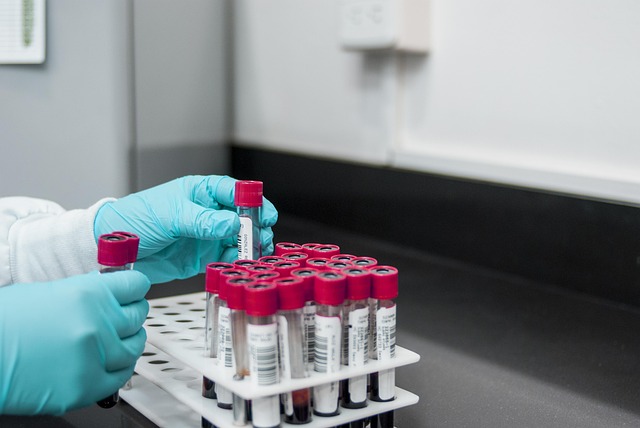
Related topic: This article is part of Emerging and Fringe Protocols. If you want the broader overview, start with Emerging Longevity Protocols: Practical Outline for Research and Practice. In March 2026, stem cell therapy has moved from theoretical promise to clinical validation. A Phase 2b trial published in Cell Stem Cell demonstrated that older adults treated with mesenchymal stem cells walked 63.4 meters farther than placebo groups and nearly one-third transitioned from frail to non-frail status within nine months. Regenerative medicine has developed from early tissue repair concepts to advanced stem cell therapies, reflecting decades of scientific progress and innovation.
This article targets an informed audience interested in longevity science—healthcare professionals, biohackers, investors, and consumers tracking the regenerative medicine sector. Specialized centers now play a crucial role in delivering stem cell therapy for longevity, offering dedicated environments that combine advanced medical practices with patient-focused care. We’ll cover the fundamentals of stem cell research, examine the latest clinical trials, explore treatment protocols, and assess what these developments mean for extending healthy human life.
Here’s what you’ll learn:
- How regenerative medicine differs from traditional treatments
- The types of adult stem cells driving longevity research
- Evidence from recent clinical trials on aging and frailty
- Safety considerations and regulatory pathways
- Future directions in this rapidly evolving field
What Is Regenerative Medicine And Stem Cells
Regenerative medicine is the field focused on restoring, maintaining, or enhancing tissue and organ function through biological interventions rather than symptom management.
At its core, this discipline harnesses the body’s natural repair mechanisms. Stem cells serve as the primary tool because they possess two essential abilities: self-renewal and differentiation into specialized cell types including epithelial cells, cartilage cells, and blood cells. These abilities enable stem cells to regenerate damaged tissues and organs, offering the potential to restore function and improve patient outcomes.
Basic stem cell types include:
| Type | Source | Clinical Focus |
|---|---|---|
| Embryonic stem cells | Early embryos | Research (limited clinical use) |
| Adult stem cells | Bone marrow, fat, dental pulp | Active clinical trials |
| Cord blood stem cells | Umbilical cord blood | Established transplant use |
| Induced pluripotent | Reprogrammed adult cells | Emerging research |
Unlike traditional pharmaceutical treatments that manage symptoms of chronic disease, stem cell therapy aims to address underlying biology. The goal is to help the body heal by replacing damaged tissues, modulating inflammation, and restoring vascular function at the cellular level. Regenerative medicine seeks to regenerate tissues and organs, not just manage symptoms, by harnessing the inherent ability of cells to promote natural healing and functional recovery.
Types and Sources of Stem Cells: Bone Marrow, Cord Blood, MSCs
Understanding where stem cells come from matters for treatment selection. Each source offers distinct advantages for regenerative therapies. Tissue engineering often uses biologically compatible structures called scaffolds to support the growth and shaping of new tissues and organs. Stem cell therapies have the potential to repair or replace damaged organs, offering hope for restoring function in cases of injury or disease.
Bone Marrow Stem Cell Uses
Bone marrow remains one of the most clinically advanced sources. Laromestrocel (Lomecel-B), featured in the landmark 2026 Phase 2b trial, is manufactured from bone marrow of healthy young donors by Longeveron Inc.
Key applications include:
- Hematopoietic stem cell transplants for blood cancers
- Mesenchymal stem cell isolation for tissue repair
- Treatment of age-related frailty (as demonstrated in recent trials)
Cord Blood Advantages
Cord blood offers several benefits over adult-derived sources:
- Younger cell age with fewer accumulated mutations
- Established banking infrastructure worldwide
- Lower risk of immune rejection in many instances
- Rich source of hematopoietic stem cells
Mesenchymal Stem Cells (MSCs)
Mesenchymal stem cells have emerged as the dominant focus of longevity research. These cells can be derived from multiple tissues including bone marrow, adipose (fat) tissue, and dental pulp.
In clinical applications, MSCs are often injected into targeted tissues to promote repair and regeneration. MSCs work primarily through paracrine mechanisms—secreting growth factors, cytokines, and proteins rather than simply replacing tissue. A 2024 study demonstrated that MSC secretome alone could repair radiation-damaged brain cells in vitro and promote new capillary formation.
The distinction between autologous (patient’s own) and allogeneic (donor-derived) MSCs is becoming clinically significant, with autologous cells offering what industry sources describe as superior “epigenetic compatibility.”
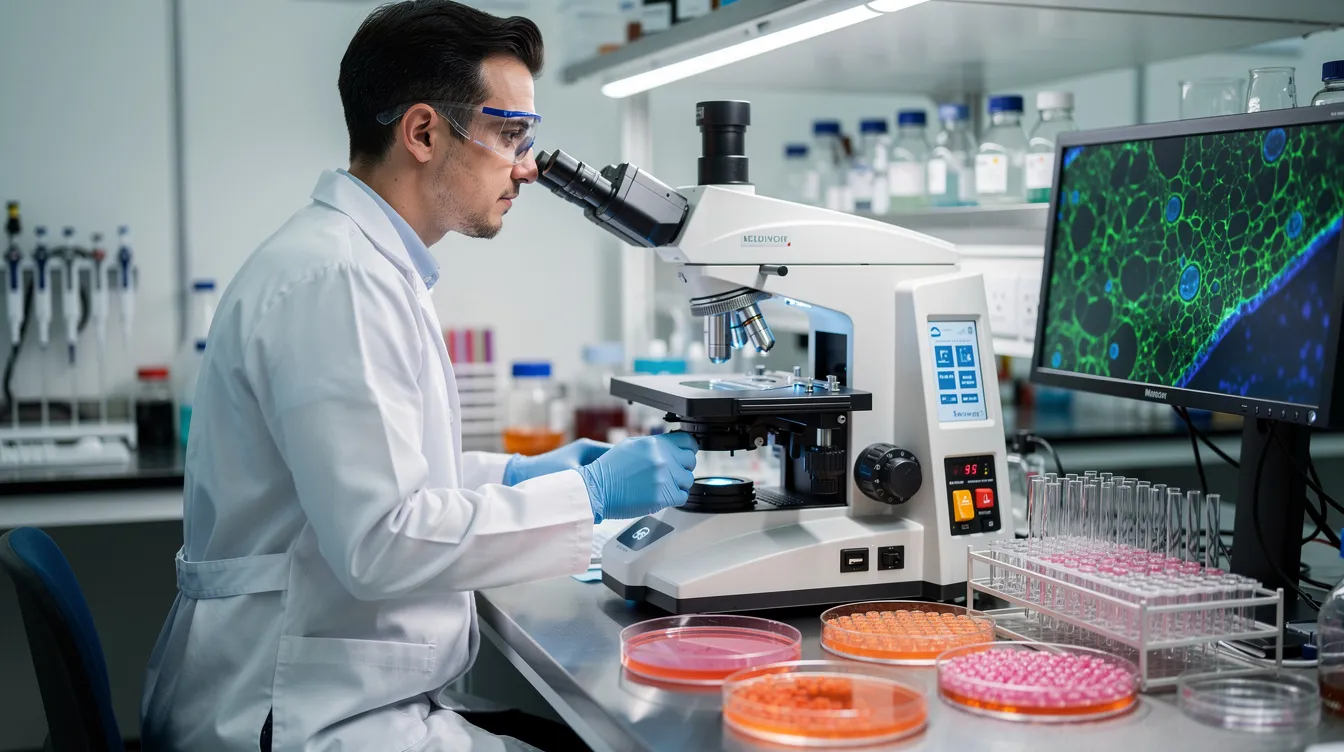
How Stem Cell Therapy Helps the Body Heal
The therapeutic potential of stem cell treatments operates through multiple biological mechanisms. These therapies are developed to treat a range of conditions, including those resulting from trauma. Regenerative medicine aims to restore tissues and organs damaged by trauma, disease, or aging. Understanding these pathways illuminates why this approach differs fundamentally from conventional medicine.
Paracrine Signaling Role
MSCs function as biological factories, producing bioactive molecules that orchestrate healing responses. These secreted factors include:
- Growth factors promoting tissue regeneration
- Anti-inflammatory cytokines reducing chronic inflammation
- Exosomes carrying signaling molecules between cells
- Proteins that support vascular repair
The 2024 study cited above proved this principle—MSC secretome alone promoted capillary formation in damaged brain tissue without any cell replacement occurring.
Tissue Replacement Potential
Beyond signaling, stem cells can differentiate into various cell types needed for repair. Implanted cells may become:
- New muscle fibers in weakened tissue
- Cartilage cells in damaged joints
- Vascular endothelial cells restoring blood flow
- Skin cells for wound healing and skin regeneration
- Connective tissue supporting organ structure
Immune-Modulation Effects
Chronic, systemic inflammation—termed “inflammaging”—drives major age-related diseases from heart disease to neurodegeneration. MSCs combat this through metabolic modulation, creating anti-inflammatory microenvironments that restore structure and function to aging tissues.
This immune-modulation capability makes stem cell therapies particularly relevant for conditions where inflammation underlies the disease process.
Mesenchymal Stem Cells and Bone Marrow Aging
As the body ages, the bone marrow environment changes dramatically, compromising its regenerative capacity. Studies in mice have provided valuable insights into how aging affects MSC function and bone marrow environments. This section examines how aging affects MSCs and what research suggests about reversing these changes.
MSC Senescence Impacts on Bone Marrow
Senescence—the state where cells stop dividing but don’t die—accumulates with age. Senescent MSCs:
- Secrete inflammatory factors (the senescence-associated secretory phenotype)
- Lose proliferation capacity
- Show impaired differentiation potential
- Create hostile microenvironments for neighboring cells
The Phase 2b trial results, showing 30.8% of treated patients transitioning from frail to non-frail status, suggest exogenous MSC administration can partially overcome endogenous senescence.
Mitochondrial Dysfunction in Aged MSCs
Mitochondrial function declines in aging cell populations. Aged MSCs show:
- Reduced energy production efficiency
- Increased reactive oxygen species generation
- Compromised DNA repair capacity
- Altered metabolic profiles
- Altered expression of genes involved in mitochondrial activity, such as those regulating complex I
MSC Fate Shift Toward Adipogenesis
One hallmark of bone marrow aging is the shift in MSC differentiation preferences. Rather than becoming bone-forming osteoblasts, aged MSCs preferentially differentiate into fat cells. This adipogenic shift contributes to:
- Reduced bone density (osteoporosis)
- Fatty infiltration of bone marrow
- Decreased hematopoietic support
- Weakened skeletal structure
Topics for Deeper Literature Review
For those seeking deeper understanding, key research areas include:
- Telomere dynamics in MSC populations
- Epigenetic changes during MSC aging
- Niche factors influencing MSC function
- Interventions to restore youthful MSC phenotypes
Clinical Trials and Evidence For Longevity Benefits
The evidence base for stem cell therapy longevity applications has strengthened considerably. Here we catalog major trials and assess their implications. For example, the landmark clinical trial involving mesenchymal stem cells for age-related frailty has significantly advanced the field and demonstrated the potential of cellular therapies in promoting healthy aging.
Major Clinical Trials
| Trial | Population | Intervention | Status |
|---|---|---|---|
| Laromestrocel Phase 2b | 148 adults, 70-85 years | Bone marrow MSCs | Published 2026 |
| Life Biosciences ER-100 | Age-related eye disease | Partial epigenetic reprogramming | Initiated early 2026 |
| Multiple industry trials | Various conditions | Allogeneic MSCs | Ongoing |
Trial Endpoints Related to Longevity
The laromestrocel trial evaluated longevity-relevant endpoints:
- Six-minute walk test (6MWT) as primary functional outcome
- Transition from frail to non-frail status
- Upper-body strength measurements
- Patient-reported outcomes on daily function
Results demonstrated dose-dependent improvement, with the 200 million-cell dose producing the largest benefits.
Trial Quality and Sample Sizes
The laromestrocel Phase 2b represents high-quality evidence:
- Randomized, placebo-controlled design
- Adequate sample size (n=148) for dose-finding
- Published in top-tier journal (Cell Stem Cell)
- Nine-month follow-up duration
- Clear, clinically meaningful endpoints
According to industry predictions, the FDA is expected to approve at least two cell therapies in 2026, with at least one potentially based on limited clinical trial data without completed Phase 3 results.
Ongoing Clinical Trial Registry Entries
Researchers and investors should monitor:
- ClinicalTrials.gov for new MSC longevity studies
- International registries for non-US trials
- Retro Biosciences’ HSC reprogramming approaches
- Partial epigenetic reprogramming platforms

Key Clinical Trial Case Studies
Laromestrocel Phase 2b Trial (Cell Stem Cell, 2026)
This landmark trial enrolled 148 participants aged 70-85 with age-related frailty. The study design included:
Population: Older adults with documented frailty Intervention: Single intravenous dose of laromestrocel (donor-derived bone marrow MSCs) Comparator: Placebo control Follow-up: Nine months
Key Results:
- 63.4-meter improvement in six-minute walk test versus placebo (200M cell dose)
- 30.8% of treated patients achieved non-frail status
- Improved upper-body strength measurements
- Patients reported feeling stronger and more capable in daily activities
- Pro-vascular and anti-inflammatory effects demonstrated
The therapy targeted three biological mechanisms: inflammaging, vascular dysfunction, and endogenous stem cell decline.
Life Biosciences Partial Epigenetic Reprogramming
While still early-stage, this program represents a different mechanistic approach. Life Biosciences, backed by significant venture capital and guided by Harvard researcher David Sinclair, tests ER-100 for age-related eye diseases.
The rationale: partial cellular rejuvenation maintains cell identity while restoring youthful function, avoiding the tumor risks associated with complete reprogramming. Preclinical data from August 2025 demonstrated therapeutic impacts for optic neuropathies and metabolic dysfunction-associated steatohepatitis (MASH).
Safety Outcomes
Both programs report favorable safety profiles:
- Laromestrocel Phase 2a established safety prior to dose optimization
- No tumor formation concerns with adult stem cell approaches
- Partial reprogramming avoids full pluripotency risks
- Adverse event rates comparable to placebo in published data
Protocols: Harvesting, Processing, and Administration
Understanding the technical workflow helps patients and researchers evaluate treatment quality. A multidisciplinary team of medical professionals, support staff, and service providers collaborates at every stage to ensure quality and safety throughout the process.
Bone Marrow Harvest Steps
Standard bone marrow harvest involves:
- Donor screening for infectious disease and genetic factors
- Aspiration from posterior iliac crest under local or general anesthesia
- Volume collection typically 10-20 mL per kilogram donor weight
- Initial processing to isolate mononuclear cells
- MSC selection and culture expansion
Cord Blood Collection Steps
Cord blood banking follows established protocols:
- Collection immediately after delivery
- Volume typically 60-120 mL obtained
- Processing within 48 hours of collection
- Cryopreservation in liquid nitrogen
- Testing for cell viability and sterility
MSC Isolation and Expansion Checkpoints
Critical quality control points include:
| Checkpoint | Parameter | Acceptance Criteria |
|---|---|---|
| Isolation | Surface markers | CD73+, CD90+, CD105+ |
| Expansion | Population doublings | Maintain differentiation capacity |
| Release | Sterility | Negative bacterial/fungal |
| Release | Viability | >70% viable cells |
| Release | Identity | Confirmed MSC phenotype |
For laromestrocel specifically, manufacturing uses bone marrow from healthy young donors, with cells expanded under standardized conditions by Longeveron Inc.
Safety, Risks, and Regulatory Considerations
Any medical intervention carries risks. Stem cell therapies require careful safety evaluation and regulatory oversight.
Common Adverse Events to Report
Patients and clinicians should monitor for:
- Injection site reactions (pain, swelling, bruising)
- Infusion-related symptoms (fever, chills)
- Vascular complications (rare with proper technique)
- Immune reactions (more common with allogeneic cells)
- Tumor formation (theoretical concern, rarely observed with adult stem cells)
FDA and International Regulatory Pathways
The regulatory landscape is evolving:
FDA Pathways:
- Biologics License Application (BLA) for manufactured cell products
- Regenerative Medicine Advanced Therapy (RMAT) designation for expedited review
- Breakthrough Therapy designation for serious conditions
- 351 vs 361 classification determining regulatory burden
International Considerations:
- EMA advanced therapy medicinal products (ATMP) framework
- Japan’s conditional approval pathway
- Country-specific requirements for cell banking and manufacturing
Ethical Sourcing and Informed Consent
Responsible programs ensure:
- Voluntary donor consent with clear explanation of cell use
- Compensation that doesn’t constitute undue inducement
- Privacy protections for donor genetic information
- Transparency about allogeneic versus autologous sources
- Clear patient understanding of experimental status
Patient Journey and Treatment Logistics
For those considering stem cell treatments, understanding the practical workflow helps set realistic expectations.
Pre-Treatment Evaluation Steps
Comprehensive assessment typically includes:
- Medical history review and physical examination
- Functional assessments (6MWT, grip strength, frailty indices)
- Laboratory workup (blood counts, inflammatory markers)
- Imaging as indicated for specific conditions
- Discussion of treatment options and expectations
- Informed consent process
Inpatient Versus Outpatient Workflows
Most MSC infusions occur in outpatient settings:
| Setting | Procedure Type | Monitoring Duration |
|---|---|---|
| Outpatient | IV infusion | 2-4 hours post-procedure |
| Outpatient | Local injection | 1-2 hours post-procedure |
| Inpatient | Complex procedures | 24-48 hours |
The laromestrocel trial used single intravenous administration, suggesting outpatient feasibility for similar protocols.
Follow-Up and Monitoring Schedules
Post-treatment monitoring in the Phase 2b trial included nine-month assessments. Standard follow-up might include:
- Week 1: Safety check and adverse event monitoring
- Month 1: Initial response assessment
- Month 3: Interim functional evaluation
- Month 6-12: Primary endpoint assessment
- Annual: Long-term safety and durability monitoring

Measuring Outcomes: Biomarkers and Functional Metrics
Demonstrating treatment benefit requires appropriate outcome measures. Here we recommend assessment approaches. These metrics are especially relevant in chronic diseases such as diabetes, where tissue regeneration and restoration of function are critical.
Biomarker Panels to Include
Biological markers indicating treatment response:
- Inflammatory markers (CRP, IL-6, TNF-alpha)
- Vascular function indicators (endothelial function, flow-mediated dilation)
- Metabolic markers (glucose regulation, lipid profiles)
- Senescence markers (p16, p21 gene expression levels)
- Frailty indices (composite biological age measures)
Functional Longevity Metrics
Physical function tests validated for aging research:
- Six-minute walk test (primary outcome in laromestrocel trial)
- Grip strength measurement
- Gait speed assessment
- Chair stand test
- Activities of daily living questionnaires
- Patient-reported quality of life measures
Imaging Modalities for Tissue Repair
Structural assessment options:
- MRI for soft tissue and organ evaluation
- Ultrasound for vascular function and muscle mass
- DEXA for bone density changes
- Echocardiography for cardiac applications
- PET/CT for metabolic activity in specific applications
Research Deep Dive: Mechanisms of MSC Ageing and Recovery
For readers seeking deeper understanding, this section explores the biology underlying MSC aging and potential recovery pathways. Inhibiting pathways that contribute to cellular senescence and mitochondrial dysfunction is crucial for maintaining stem cell regenerative capacity and enhancing the effectiveness of stem cell therapy longevity.
Mitochondrial Roles in MSC Ageing
Mitochondria serve as both energy generators and signaling hubs in stem cells. Age-related changes include:
- Decreased oxidative phosphorylation efficiency
- Accumulated mitochondrial DNA mutations
- Altered mitochondrial dynamics (fusion/fission balance)
- Compromised mitophagy (removal of damaged mitochondria)
These changes reduce MSC regenerative capacity and contribute to the aging process at the tissue level.
ROS Impact on MSC Function
Reactive oxygen species accumulation damages cellular components:
- DNA strand breaks and mutations
- Protein oxidation affecting function
- Lipid peroxidation damaging membranes
- Activation of senescence pathways
Antioxidant interventions and metabolic modulation represent potential strategies to preserve MSC function. Additionally, light-based techniques such as optogenetics can be used to modulate bioelectric signals, which may help reduce ROS accumulation and support cellular longevity.
Senescence Signaling Pathways
Key molecular pathways driving MSC senescence:
| Pathway | Components | Intervention Targets |
|---|---|---|
| p53/p21 | DNA damage response | Senolytics |
| p16/Rb | Cell cycle arrest | Reprogramming factors |
| SASP | Inflammatory secretion | Anti-inflammatory agents |
| mTOR | Metabolic regulation | Rapamycin analogs |
Understanding these pathways informs intervention design.
Experimental Interventions to Review
Emerging approaches under investigation:
- Senolytic drugs eliminating senescent cells
- Partial epigenetic reprogramming (Life Biosciences approach)
- Mitochondrial transfer technologies
- Metabolic interventions (NAD+ precursors, caloric restriction mimetics)
- Gene therapy targeting senescence drivers
- Young blood factors and plasma exchange
Systems-level modeling studies are capturing long-lasting effects of these interventions, offering quantitative platforms for hypothesis testing, indicating which aging interventions warrant experimental validation.
Future Directions in Regenerative Medicine for Longevity
The field is advancing rapidly. Here we highlight key developments to watch. Advances in regenerative medicine are influencing longevity research around the world.
Gene-Editing and Ex Vivo Rejuvenation Approaches
Emerging technologies include:
- CRISPR-based editing to correct age-related mutations
- Partial epigenetic reprogramming using Yamanaka factors (Life Biosciences model)
- Ex vivo cell rejuvenation before autologous reinfusion
- Telomere extension strategies in isolated cells
The concept of “bio-liquidity” is emerging—banking younger cells as a liquid asset deployable throughout life for multiple regenerative procedures.
Allogeneic Versus Autologous MSC Strategies
Both approaches offer distinct advantages:
Allogeneic (Donor-Derived):
- Standardized, off-the-shelf availability
- Scalable manufacturing
- Consistent cell quality
- Used in laromestrocel trials
Autologous (Patient’s Own):
- Superior epigenetic compatibility
- Reduced immune rejection risk
- Personalized medicine approach
- Requires advance banking
Future trials will likely compare these strategies directly.
Areas for Future Clinical Trials Exploration
Priority research directions:
- Dose optimization studies (building on Phase 2b findings)
- Combination approaches (stem cells plus senolytics)
- Earlier intervention in pre-frail populations
- Tissue-specific applications (cardiac, neural, musculoskeletal)
- Long-term durability studies beyond one year
- Expansion into cancer survivors with radiation damage

Key Takeaways
- The Phase 2b laromestrocel trial published in Cell Stem Cell (2026) represents the first major clinical validation of stem cell therapy specifically for age-related frailty, with treated patients showing meaningful improvements in walking distance and frailty status.
- MSCs work primarily through paracrine mechanisms—secreting growth factors and anti-inflammatory molecules—rather than simply replacing tissue, which explains their broad therapeutic potential across multiple organ systems.
- Three biological mechanisms underlie aging-related frailty that MSC therapy targets: inflammaging, vascular dysfunction, and decline in endogenous stem cell supply.
- The FDA is expected to approve at least two cell therapies in 2026, indicating regulatory pathways are maturing for regenerative medicine applications.
- Autologous cell banking is emerging as a standard of care concept, with “bio-liquidity” positioning stored younger cells as assets deployable throughout life.
Whether you’re tracking this space as a patient, investor, or healthcare professional, the convergence of stem cell science and longevity research represents one of the most promising frontiers in modern medicine. The evidence base is growing, regulatory pathways are clarifying, and the fundamental biology supporting these approaches is increasingly well understood.
For those interested in exploring stem cell therapies, consulting with specialists at academic medical centers conducting registered clinical trials offers the safest path to accessing cutting-edge treatments while contributing to the science that will benefit future patients.