Related topic: This article is part of Senolytics and Cellular Cleanup. If you want the broader overview, start with Senolytics for Longevity: Targeting Senescent Cells To Support Healthy Aging. Few compounds have experienced such a dramatic rise and fall in scientific reputation as resveratrol. This naturally occurring polyphenol found in grapes, peanuts, and blueberries was once hailed as a potential fountain of youth, capable of extending lifespan and protecting against everything from obesity to cancer.
The excitement began in 2003 when David Sinclair published a groundbreaking study in Nature claiming that resveratrol could mimic calorie restriction in yeast by activating a longevity gene called Sir2 (now SIRT1), extending lifespan by an impressive 70%. Three years later, his mouse experiments suggested similar benefits for mammals, showing improved health and survival even on a high fat diet.
Pharmaceutical giant GlaxoSmithKline took notice, acquiring Sinclair’s company Sirtris for over $700 million. But the fairy tale didn’t last. Replication failures by independent labs led GSK to shutter the acquisition by 2010. Meanwhile, a separate scandal at the University of Connecticut exposed Professor Dipak Das for 145 counts of data fabrication and falsification across seven years of resveratrol research.
The resveratrol controversy now centers on a stark disconnect between persistent commercial promotion and mounting negative scientific evidence. One important aspect of this controversy is the gap between how resveratrol is marketed for its therapeutic potential and the lack of robust clinical evidence supporting these claims.
Key questions this review addresses:
- Does dietary resveratrol correlate with health outcomes independently of confounding factors?
- Can resveratrol supplements deliver bioactive doses given their low bioavailability?
- Is the SIRT1 activation hypothesis valid for humans?
- How do whole foods compare to isolated extracts for efficacy?
- What are the real alcohol risks when consuming red wine for its resveratrol?
- What regulatory gaps exist, and what trials are needed to resolve the science?
Evidence From a Diet Rich in Resveratrol
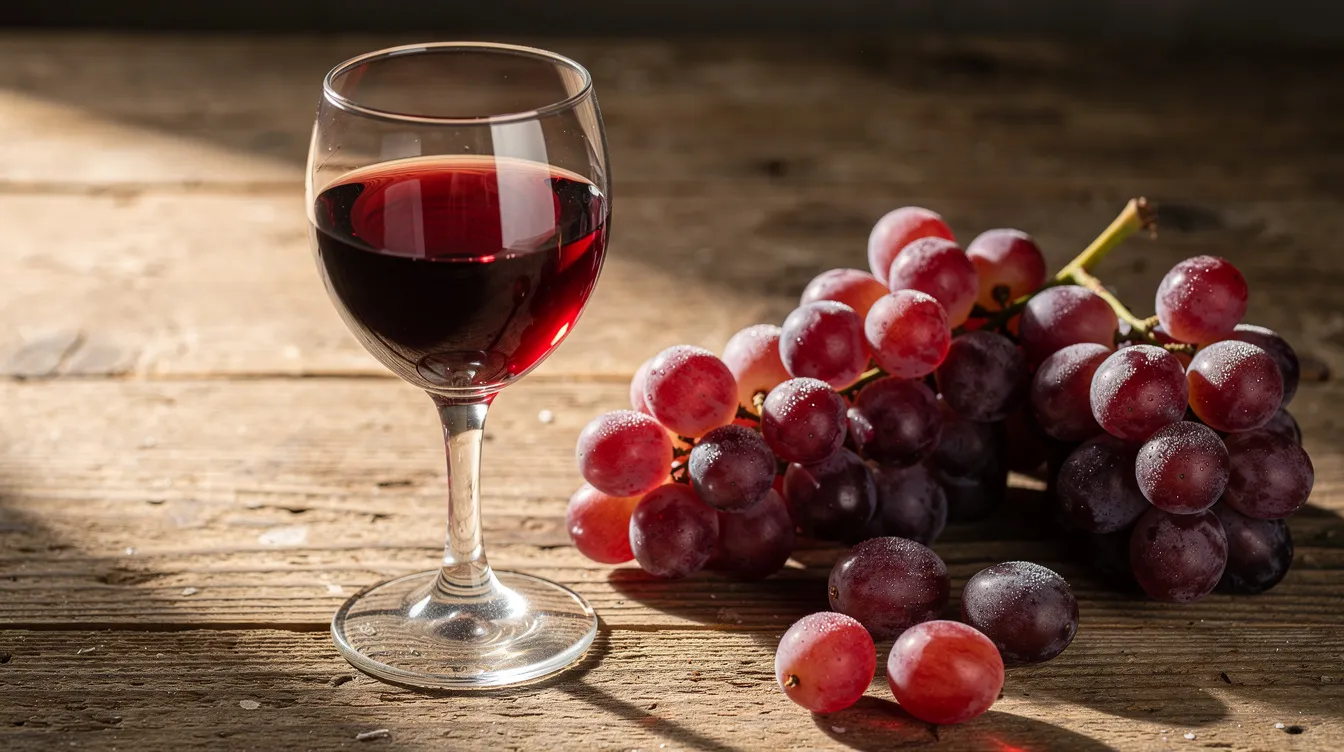
Observational studies of populations consuming a diet rich in resveratrol initially sparked the entire field. The “French Paradox”—the observation that southern France and Italy experienced lower cardiovascular disease rates despite diets high in saturated fat—was attributed partly to red wine consumption and its resveratrol content.
Plants produce resveratrol as a defense mechanism against external stresses such as fungal infection, which contributes to its presence in foods like grapes and peanuts.
Urinary Resveratrol Biomarker Findings
Scientists have attempted to measure actual resveratrol exposure through urinary metabolites like resveratrol-glucuronide. The results challenge conventional assumptions. The highest urinary resveratrol concentrations appear not in Mediterranean wine-drinking populations, but in Japanese and U.S. groups consuming supplements or other sources.
Detailed analysis reveals:
| Population | Urinary Resveratrol | Primary Source |
|---|---|---|
| High wine consumers | 0.1-1 nmol/L | Wine |
| Supplement users | Up to 10 nmol/L | Supplements |
A Toulouse study following over 1,000 elderly participants found that higher metabolites correlated with slightly lower inflammation markers, but no mortality benefit emerged after five years of follow-up.
Confounding Lifestyle Factors
The association between resveratrol-rich diets and better health outcomes suffers from severe confounding. Mediterranean populations exhibit multiple protective factors simultaneously:
- Mediterranean diets rich in olive oil, nuts, fish, and vegetables
- Higher physical activity levels
- Lower obesity rates (BMI ~25 versus ~30 in low-resveratrol groups)
- Favorable genetic variants like APOE
- Intake of synergistic polyphenols including hydroxytyrosol and quercetin
A 2014 Circulation study applied multivariate adjustments and found that apparent resveratrol-cardiovascular disease links weakened by 70-90%. The residual beneficial effects appeared attributable to overall polyphenol intake from whole foods rather than resveratrol alone.
This research pattern makes causal inference nearly impossible. We cannot separate resveratrol’s independent contribution from the broader lifestyle and dietary context.
Resveratrol Supplements: Claims, Quality, and Risks
The supplement industry has capitalized on early resveratrol hype, creating a market worth hundreds of millions annually. But what do consumers actually receive, and does it work?
Resveratrol supplements are available in various forms, including trans-resveratrol, cis-resveratrol, and glucosides. The form of resveratrol can significantly influence its absorption, bioavailability, and overall effectiveness in the body.
Common Supplement Sources
Resveratrol supplements derive primarily from:
- Polygonum cuspidatum (Japanese knotweed) root — yields 98% trans-resveratrol purity
- Grape skin extracts
- Berry extracts
- Peanut-derived products
Most commercial products claim 100-500 mg per capsule, with typical consumer doses ranging from 50-250 mg daily. This far exceeds the 0.1-5 mg/day obtained from foods in even the most wine-heavy diets.
Supplement Dosages Versus Study Doses
Human clinical trials have used wildly inconsistent doses, ranging from 5 mg to 5 g daily. This variation makes comparing results extremely difficult.
The RESHAW trial used 100 mg daily for six months and found no vascular improvements compared to placebo. Higher dose studies haven’t fared better.
Human Trial Evidence
The most comprehensive assessment comes from a 2023 meta-analysis examining 21 randomized controlled trials involving 1,359 participants. In these studies, participants were treated with varying doses of resveratrol, and outcomes were measured after treatment to assess its effects. The researchers found no significant improvements in key metabolic markers:
| Outcome | Change | Statistical Significance |
|---|---|---|
| Fasting glucose | -0.15 mmol/L | p=0.32 (not significant) |
| HbA1c | -0.05% | p=0.41 (not significant) |
| Insulin | -1.2 pmol/L | p=0.28 (not significant) |
| LDL cholesterol | -0.08 mmol/L | p=0.44 (not significant) |
These results directly refute claims about diabetes management and insulin sensitivity benefits in humans, despite earlier positive rodent data.
Known Drug Interactions
Resveratrol supplements carry meaningful interaction risks:
- CYP3A4 inhibition: Can raise warfarin levels by approximately 40%, risking bleeding complications. One case report documented INR doubling at 1 g/day.
- P-glycoprotein modulation: May alter digoxin bioavailability unpredictably
- Estrogenic effects: Contraindicates use for hormone-sensitive cancers
- Antidiabetic combinations: Metformin plus resveratrol may amplify hypoglycemia risk
Reported Adverse Effects
Clinical trials have documented dose-dependent side effects:
- Gastrointestinal distress: Nausea in 15-25% of participants at doses exceeding 1 g
- Diarrhea: Affects approximately 20% at higher doses
- Liver enzyme elevations: ALT increased to twice the upper limit of normal in 2% of participants at 2.5 g
- Theoretical hormesis concerns: Very high doses may paradoxically promote oxidative stress rather than protect cells against it
Red Wine, Alcohol, and Resveratrol Perception
The romantic notion of enjoying red wine for heart health has driven much public interest in resveratrol. But the math doesn’t support this approach, especially considering that alcohol is a leading cause of death worldwide.
Red Wine’s Actual Resveratrol Contribution
Red wine contributes minimally to total resveratrol intake. Concentrations average just 0.2-5 mg/L, varying by:
- Grape variety (Pinot Noir contains ~1.9 mg/L versus Cabernet at ~0.8 mg/L)
- Growing region and vintage
- Production and processing methods
Two glasses of wine yield approximately 0.5-2 mg of resveratrol—a tiny fraction of supplement doses used in research.
Alcohol-Related Health Risks
Whatever resveratrol benefits wine might provide, alcohol’s harms dominate the equation. Ethanol drives:
- Oxidative stress throughout the body
- Hypertension (3-4 mmHg systolic blood pressure rise per drink)
- Cardiomyopathy with chronic heavy use
- Elevated cancer risk (7% breast cancer risk increase per 10 g/day in women)
WHO data estimates 3 million annual deaths globally from alcohol consumption. Importantly, de-alcoholized wine trials have shown no endothelial function benefits, suggesting that any cardiovascular improvements from wine likely come from alcohol’s acute effects rather than resveratrol content.
Moderation Recommendations
Standard alcohol guidelines recommend limits for those who choose to drink:
| Group | Weekly Limit | Notes |
|---|---|---|
| Women | ≤7 drinks | Greater sensitivity to alcohol effects |
| Men | ≤14 drinks | J-shaped CVD curve peaks at 1 drink/day |
| High-risk groups | Abstinence | Includes children, pregnant women, those with addiction history |
The emerging scientific consensus increasingly favors abstinence for optimal health rather than moderate consumption.
Resveratrol and Heart Disease: Evidence and Mechanisms
Given the original French Paradox observations, cardiovascular disease prevention has been the primary focus of resveratrol research. Some research has explored how resveratrol may modulate the expression of genes involved in inflammation and cardiovascular function. What does the evidence actually show?
Epidemiologic Links
Studies like the PREDIMED trial (n=8,000) have reported that higher urinary resveratrol correlates with 20-30% lower cardiovascular mortality. However, this association weakens substantially after statistical adjustment:
- Hazard ratio: 0.85 (95% CI: 0.72-1.01)
- p-value: 0.06 (not statistically significant)
This pattern—initial promise that fades under scrutiny—characterizes the entire field.
Strength of Cardiovascular Outcome Data
The largest randomized trial, VITAL (n=25,871), used 500 mg daily and found:
- No reduction in heart attack (HR 0.99)
- No reduction in stroke (HR 1.02)
Smaller trials note modest biomarker shifts, such as 5-10% reductions in LDL oxidation, but these surrogate endpoints haven’t translated to clinical benefit.
Key Research Gaps
Critical gaps prevent definitive conclusions:
- No long-term trials (5+ years) examining hard cardiovascular endpoints
- Most participants have been white/European, limiting generalizability
- Bioavailability hurdles: Peak plasma levels reach only 0.1-2 μM after a 1 g oral dose, versus the 10-50 μM concentrations effective in rodent experiments
Clinical Trials and Mechanistic Insights
Resveratrol, a polyphenolic compound found in red wine, grapes, and certain berries, has been the subject of intense scientific debate. While some studies suggest it offers significant health benefits, others question its efficacy and safety. The controversy centers on conflicting clinical trial results, differences in dosage, and the mechanisms by which resveratrol acts in the body. Additionally, some studies have investigated resveratrol’s ability to cross the blood-brain barrier and its potential to support brain health and protect against neurological diseases.
Randomized Trial Results
A 2022 meta-analysis of 15 randomized trials (n=800) examining cardiovascular biomarkers found:
- Modest HDL increase: +0.05 mmol/L (p=0.04)
- No significant changes in blood pressure
- No improvements in flow-mediated dilation
- No reductions in hs-CRP inflammation marker
The RESVERAS trial (150 mg/day for one year) showed improved insulin sensitivity in diabetics (HOMA-IR reduced by 15%) but no effect in healthy controls. Results remain inconsistent across populations.
The SIRT1 Activation Hypothesis
The original excitement stemmed from the idea that resveratrol activates SIRT1, a protein involved in cell survival, energy metabolism, and response to stress. In yeast and animals, this pathway appeared to mimic calorie restriction benefits.
The problem: human SIRT1 requires concentrations 100-fold higher than achievable plasma levels to activate. Additionally, yeast benefits appear to occur through distinct AMPK pathways rather than the mechanisms initially proposed.
Alternate Proposed Mechanisms
Researchers have explored other ways resveratrol might provide health benefits:
- Antioxidant activity: ORAC value of 10,000 μmol TE/g
- Anti inflammatory effects: NF-κB inhibition reducing IL-6 by ~20% in vitro
- Nitric oxide synthase induction: Potentially improving vascular function
- Hormesis: Low doses may trigger protective stress responses
None of these mechanisms have been validated to produce meaningful clinical outcomes in humans.
Bioavailability Limitations
The fundamental barrier is pharmacokinetic: oral resveratrol has only 1% absorption, with rapid phase II conjugation converting it to sulfates and glucuronides that may lack biological activity.
- Gut microbiome can modulate aglycone release
- Fecal excretion accounts for 70-90% of ingested dose
- New micellar formulations may boost bioavailability 10-fold but remain experimental
Regulation, Dosage, and Safety Considerations
The supplement industry operates with minimal oversight, creating quality and safety concerns for consumers.
FDA Regulation Gaps
The FDA regulates resveratrol supplements under DSHEA (1994) as Generally Recognized as Safe (GRAS). This means:
- No pre-market approval required
- No efficacy demonstration mandated
- Label claims can be vague (“supports antioxidant activity”)
Independent testing reveals significant quality problems:
- 30% of products fail USP purity standards
- Heavy metal contamination detected in some products
- Labels overstate trans-resveratrol content by 20-50%
Third-Party Quality Testing
For consumers who choose to use supplements despite limited evidence, third-party verification offers some protection:
| Certification | Standards Verified |
|---|---|
| NSF International | >98% purity, absence of contaminants |
| USP Verified | Lead < 0.5 ppm, accurate labeling |
| ConsumerLab | Potency matches label claims |
The European Food Safety Authority (EFSA) has established a tolerable upper intake of 450 mg/day, though this threshold lacks robust safety data.
Clinician Discussion Recommended
Before starting any resveratrol supplement, patients should discuss with their doctor:
- Current medications and interaction potential
- Individual risk factors for adverse effects
- Genetic variations (CYP2C9 poor metabolizers may experience amplified effects)
- Whether underlying conditions might worsen with supplementation
Practical Guidance for Consumers
Given the gap between marketing claims and scientific reality, what should consumers actually do?
Prioritize Whole Foods Over Supplements
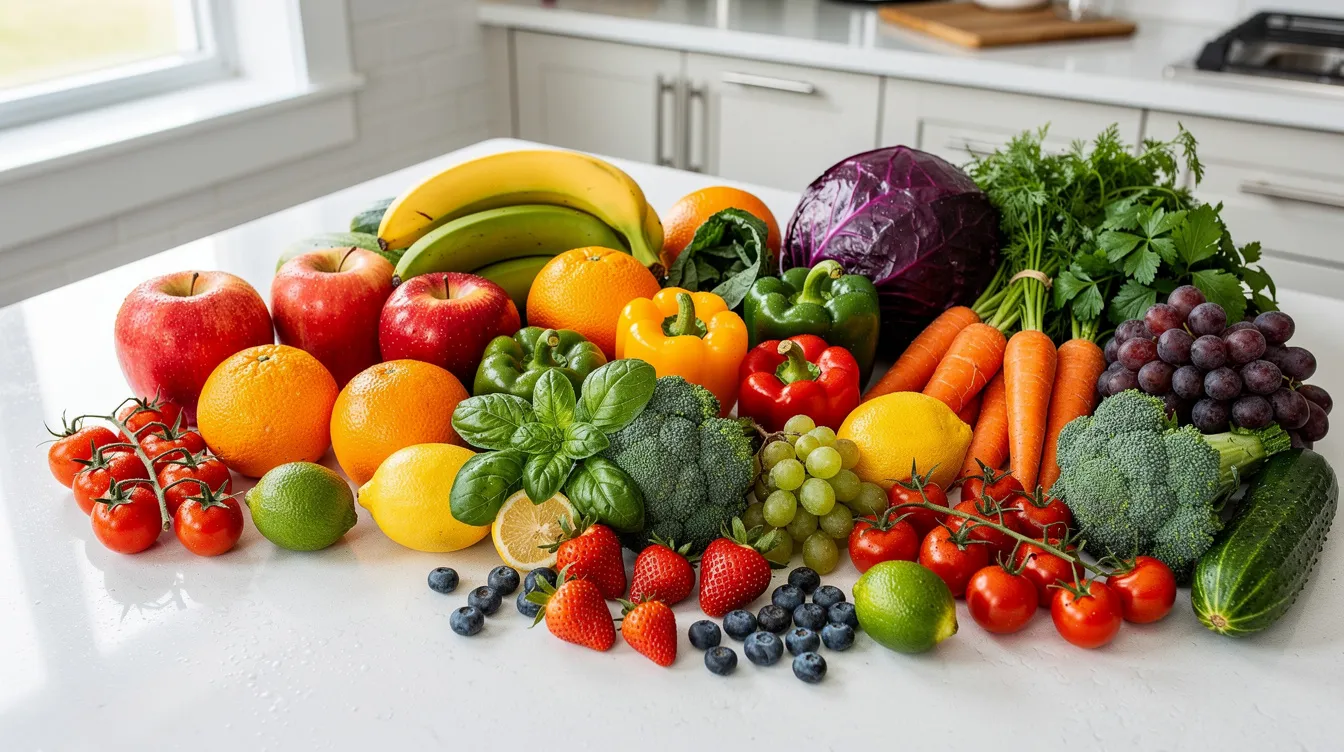
The production of beneficial effects from polyphenols appears to depend on the food matrix. Whole fruits and vegetables provide:
- Enhanced absorption (2-3x) through fiber and polyphenol synergies
- Multiple compounds working together
- No risk of contamination or mislabeling
Foods containing resveratrol include:
| Food | Resveratrol Content | Additional Benefits |
|---|---|---|
| Grapes | ~0.5 mg/100g | Fiber, vitamin C, other polyphenols |
| Blueberries | ~0.1 mg/100g | Anthocyanins, antioxidants |
| Peanuts | ~0.03 mg/100g | Protein, healthy fats |
| Dark chocolate | Trace amounts | Flavonoids, mood benefits |
A Mediterranean diet scoring above 5 (on standard assessment scales) correlates with 25% lower cardiovascular disease risk—benefits that isolated supplements have never replicated.
Moderate Red Wine Use
For those who drink alcohol, per American Heart Association guidelines:
- Women: Maximum 5 oz wine per day
- Men: Maximum 10 oz wine per day
- Avoid if: Pregnant, history of addiction, higher risk for breast cancer, liver disease, certain medications
Do not start drinking wine specifically for resveratrol. The alcohol risks outweigh any theoretical polyphenol benefit.
Report Adverse Effects
Consumers experiencing negative reactions should:
- Stop the supplement immediately
- Document symptoms and timing
- Report to their healthcare provider
- File reports with FDA MedWatch for safety tracking
Note: Some users may be automatically redirected after 5 seconds when attempting to verify your browser before accessing pmc.ncbi.nlm.nih.gov for research on supplement safety—this is normal security behavior.
Research Priorities and Takeaways
Resolving the resveratrol controversy requires targeted scientific investment and honest communication about current knowledge limits.
Top Research Priorities
Scientists and funding agencies should prioritize:
- Large-scale, long-term RCTs: Studies with n>10,000, following participants for 5+ years, measuring hard cardiovascular endpoints rather than surrogate markers
- Enhanced bioavailability formulations: Micellar or nanoparticle delivery systems that achieve therapeutic plasma concentrations
- Head-to-head comparisons: Whole food versus isolated supplement trials to test matrix effects
- SIRT1-independent mechanisms: Using knockout animal models to identify whether resveratrol works through alternate pathways
- Diverse populations: Including non-European ethnic groups underrepresented in current research
- Analog development: Testing pterostilbene (4x better absorption) and other modified compounds
Cautious Interim Recommendations for Clinicians
Based on current evidence, clinicians should:
| Situation | Recommendation |
|---|---|
| Routine prescribing | Avoid—insufficient evidence |
| Post-MI adjunct | Weak supporting data; discuss alternatives first |
| Patient already using | Monitor liver function tests, drug interactions |
| Weight management | Focus on proven interventions (diet, exercise) |
| Aging treatment | No validated anti-aging compounds exist |
Statins reduce LDL cholesterol by 40-50%—resveratrol manages approximately 5% at best. Don’t substitute unproven supplements for established therapies.
Cautious Interim Recommendations for Consumers
Consumers should approach resveratrol with appropriate skepticism:
Do:
- Eat a diet rich in colorful plants, fruits, and vegetables
- Get polyphenols from whole foods rather than pills
- Discuss any supplement plan with your doctor
- Be skeptical of anti-aging and longevity marketing claims
- Support funding for rigorous clinical research
Don’t:
- Substitute supplements for proven medical treatment
- Assume natural means safe or effective
- Rely on animal experiments to predict human benefits
- Start drinking wine specifically for resveratrol
- Give supplements to children without medical guidance
The generation of robust evidence takes time, funding, and patience. The development of resveratrol research has been plagued by fraud, hype, and irreproducibility. We may never see the compound fulfill its early promise—or we might discover it works through entirely different mechanisms than originally proposed.
For now, the wisest response to the resveratrol controversy is humble uncertainty combined with practical action: eat well, move your body, maintain a healthy weight, manage stress, and let the scientists continue their experiments before making claims about miracle molecules. The injury to public trust from oversold supplements affects the entire field of nutrition research—consumers deserve better than marketing dressed as medicine.
If you’re currently taking resveratrol supplements or considering starting, bring this article to your next doctor visit. Have an honest conversation about the evidence gaps, your individual risk factors, and whether your resources might be better spent on groceries than capsules. That conversation alone may prove more valuable than any supplement ever could.