Related topic: This article is part of Senolytics and Cellular Cleanup. If you want the broader overview, start with Senolytics for Longevity: Targeting Senescent Cells To Support Healthy Aging. The search for compounds that genuinely support healthy aging has intensified as longevity research moves from theory to clinical testing. Among the candidates drawing serious scientific attention, urolithin A stands out—not because of hype, but because of a growing body of human data linking it to mitochondrial health, cellular energy, and improved markers of aging.
This guide breaks down what urolithin A is, why supplementation matters for most people, what clinical trials actually demonstrate, and how to evaluate whether it belongs in your healthy aging protocol.
Brief Overview
This article serves one purpose: to summarize the current evidence connecting urolithin A to longevity-related outcomes in humans.
You will find three core sections:
- Mechanism: How urolithin A works at the cellular level to improve mitochondrial function and activate mitophagy
- Clinical evidence: What randomized clinical trials show about muscle health, immune cell function, and inflammation
- Practical guidance: Dosing, safety, product quality, and integration into a broader aging strategy
The goal is clarity over claims. Where the research is strong, this guide says so. Where gaps remain, those are flagged too.
What Urolithin A Is And Why Most People Lack It
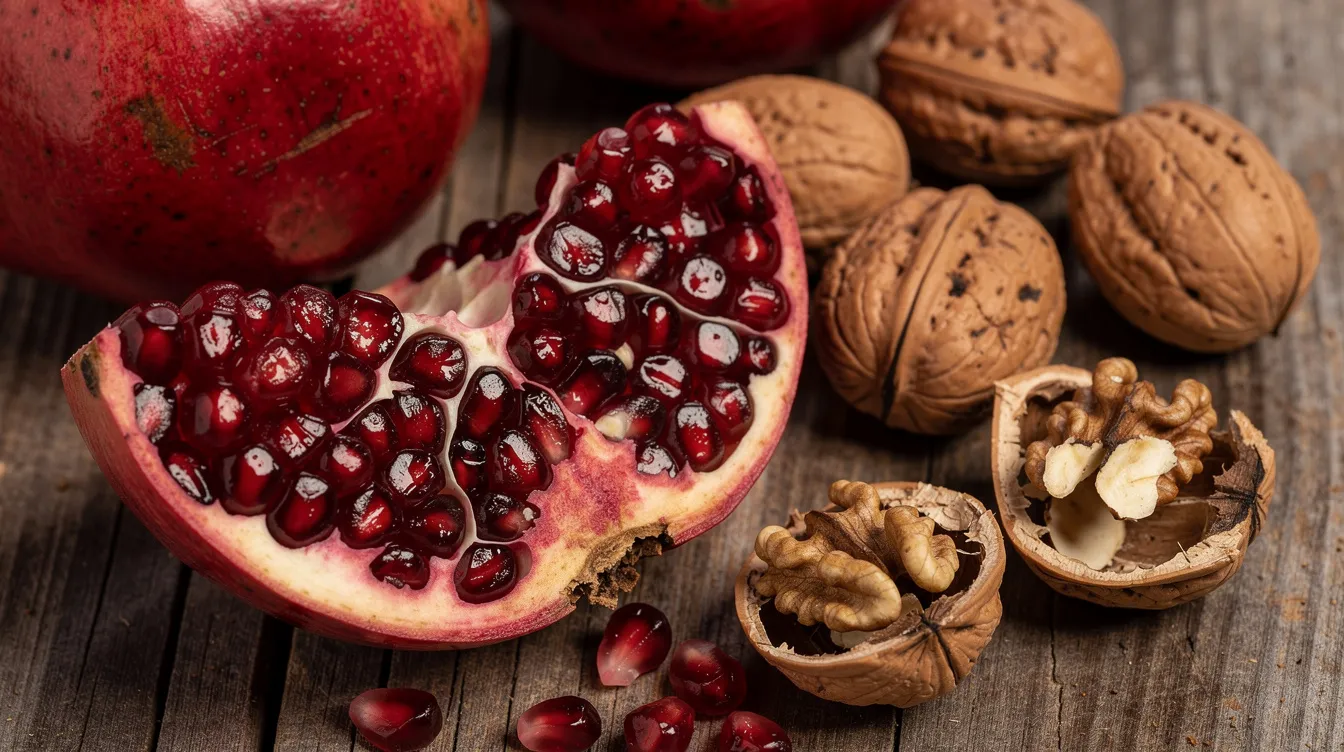
Urolithin A is a postbiotic metabolite—a compound produced when gut bacteria break down ellagitannins, polyphenols found in plant foods like pomegranates, walnuts, berries, and oak-aged wines.
The conversion happens in two steps:
- Human salivary and colonic enzymes hydrolyze ellagitannins into ellagic acid
- Specific gut bacteria then convert ellagic acid into urolithin A through dehydroxylation and lactonization reactions
The bacteria responsible include species like Gordonibacter urolithinfaciens, Gordonibacter pamelaeae, and certain Bifidobacterium and Lactobacillus strains.
Here’s the problem: most people cannot produce meaningful amounts of urolithin A from diet alone.
Research indicates that only 30-40% of people qualify as “urolithin A producers”—individuals whose gut microbiome generates plasma levels above 0.1 micromolar after consuming ellagitannin-rich foods. One study in healthy adults found that only about a third of participants had detectable urolithin A levels after consuming dietary sources, highlighting the need for supplementation to increase blood levels. The majority fall into the non-producer category, showing negligible conversion regardless of how much pomegranate juice or walnuts they consume.
This variability stems from several factors:
| Factor | Impact on Production |
|---|---|
| Age | Older adults often have reduced microbial diversity |
| Diet | Low-fiber diets limit beneficial bacteria populations |
| Antibiotic use | Disrupts gut bacteria responsible for conversion |
| Baseline microbiome | Individual variation in bacterial species present |
For non-producers—and that includes most people—direct supplementation bypasses gut microbiome variability entirely. Oral doses of 500-1000 mg in humans achieve peak plasma concentrations of 1-5 micromolar, levels sufficient for the biological effects observed in clinical studies.
This is why supplementation has become the practical solution for achieving consistent, reliable urolithin A exposure.
How Urolithin A Improves Mitochondrial Health And Cellular Energy
The primary mechanism linking urolithin A to longevity involves mitochondria—the organelles responsible for producing cellular energy through ATP generation.
Mitophagy Activation
Urolithin A’s central action is activating mitophagy, the selective autophagic process that clears damaged mitochondria from cells. This isn’t passive—it requires active signaling through specific pathways.
At concentrations of 5-20 micromolar, urolithin A:
- Modulates transcription factor EB (TFEB), a master regulator of autophagy genes
- Activates the PINK1/Parkin pathway, which tags dysfunctional mitochondria for degradation
- Upregulates mitophagy markers including LC3-II and promotes p62 degradation
- Triggers Parkin translocation to mitochondrial membranes, initiating clearance
The result: old, inefficient mitochondria get removed. But mitophagy is only half the story.
Biogenesis and Energy Restoration
Clearing damaged mitochondria creates space and signals for new, healthy ones to form. Urolithin A upregulates PGC-1α, a key driver of mitochondrial biogenesis. This enhances oxidative phosphorylation capacity—meaning cells produce ATP more efficiently.
The downstream effects on cellular energy include:
- Elevated NAD+ levels, a critical cofactor for energy metabolism
- Improved fatty acid β-oxidation
- Reduced accumulation of metabolic byproducts like acylcarnitines and ceramides
In human plasma from clinical trials, 1000 mg daily over 4 months produced measurable changes:
| Biomarker | Change from Baseline |
|---|---|
| Acylcarnitines | Reduced 20-30% |
| Ceramides | Reduced 15-25% |
These reductions indicate improved mitochondrial function—the cellular machinery is processing fuel more efficiently and accumulating fewer metabolic intermediates.
Cellular Renewal Connection
This cycle of clearing dysfunctional mitochondria and generating new ones represents a form of cellular renewal at the organelle level. The compound doesn’t simply support existing mitochondria; it promotes turnover and quality control.
This mechanism explains why effects appear gradually rather than immediately. Mitophagy and biogenesis take time. Cells need weeks to months to shift their mitochondrial population toward healthier, more efficient organelles.
Effects On Immune Cells And Age-Related Immune Decline
Beyond muscle, urolithin A exerts measurable effects on immune cells—particularly relevant to immune aging and the chronic low-grade systemic inflammation that characterizes aging (often termed “inflammaging”).
T Cell Phenotype Shifts
In a randomized trial involving 50 healthy middle aged adults (ages 45-70) receiving 1000 mg daily for four weeks, researchers observed significant changes in T cell populations:
- Expanded naïve CD8+ T cells: These are youthful, antigen-inexperienced cells that decline with age. Their expansion suggests reversal of typical age-related T cell skewing.
- Metabolic reprogramming: Treated immune cells shifted toward oxidizing fatty acids and amino acids rather than glucose, indicating enhanced metabolic flexibility.
- Reduced exhaustion markers: T cells showed lower expression of exhaustion phenotypes that impair their ability to respond to infections.
- Increased proliferative capacity: The cells demonstrated greater ability to multiply when activated.
Additionally, natural killer (NK) cell counts increased—a subset critical for antiviral and antitumor surveillance that also declines with age.
Systemic Inflammation Reduction
Multiple studies report significantly lower levels of C-reactive protein (CRP) and other inflammatory markers following urolithin A supplementation. CRP is a systemic inflammation marker linked to age-related diseases including cardiovascular disease, cancer, and neurodegeneration.
The magnitude is meaningful: approximately 20-30% reduction in CRP across studies. This isn’t eliminating inflammation, but it represents a clinically relevant shift away from the chronic inflammatory state that accelerates aging processes.
Why This Matters for Immune Function
Age-related immune decline creates real consequences:
- Impaired vaccine responses
- Slower infection clearance
- Reduced tumor surveillance capacity
The mitochondrial rejuvenation observed in immune cells—evidenced by upregulated PGC-1α expression promoting biogenesis and mitophagy—correlates with these functional improvements. Immune cells are highly metabolically active; their function depends on healthy mitochondria.
This positions urolithin A as relevant not just for muscle health but for broader immune resilience as aging progresses.
Evidence From Clinically Tested Trials
The human evidence for urolithin A comes from multiple clinically tested trials, though this field remains relatively young.
A systematic review of five clinical studies encompassing approximately 250 healthy individuals tested doses ranging from 10 to 1000 mg daily over durations spanning 28 days to 4 months. Notably, Singh A has been a key author and contributor to research on urolithin A, mitophagy, and aging, providing important insights into its clinical effects.
Consistent Findings Across Trials
The trials revealed dose-dependent effects including:
- Anti-inflammatory responses (CRP reduction)
- Upregulation of mitochondrial genes (PGC-1α, TFEB targets)
- Increased autophagy markers (LC3)
- Enhanced fatty acid oxidation pathways
What Trials Did Not Show
Notably, trials did not demonstrate:
- Changes in maximal ATP production
- Alterations in biogenesis dynamics as measured
- Modifications to gut microbiota composition
This distinction matters. Urolithin A appears to improve mitochondrial efficiency and quality rather than simply boosting raw ATP output.
Limitations to Consider
Before treating this evidence as definitive, several limitations deserve attention:
| Limitation | Details |
|---|---|
| Sample size | Typically 30-66 participants per trial |
| Duration | Longest follow-up at 4 months |
| Population | Mostly healthy older adults without comorbidities |
| Endpoints | Surrogate biomarkers rather than hard longevity outcomes |
These are preliminary findings in a young field—not the final word.
Trial: Muscle Strength, Muscle Function, And Energy Levels
The most detailed muscle trial involved a double blind, placebo controlled design testing 66 adults aged 65-90 receiving 1000 mg daily for 4 months.
Trial Design
Participants were randomized to urolithin A or placebo. Primary endpoints focused on muscle endurance—specifically, the number of muscle contractions subjects could perform until fatigue in standardized tests of the finger flexor and tibialis anterior (lower leg) muscles.
Secondary endpoints included:
- 6-minute walk distance
- Hand muscle ATP production (measured via magnetic resonance spectroscopy)
- Self-reported energy levels
- Plasma biomarkers
Muscle Endurance Results
The results for muscle endurance were statistically significant and substantial:
| Muscle Group | Urolithin A Group | Placebo Group |
|---|---|---|
| Finger flexor contractions | +95.3 | +11.6 |
| Tibialis anterior contractions | +41.4 | +5.7 |
These represent 2-3x improvements compared to placebo in sustained contraction capacity—the ability to perform repeated muscle actions without fatigue.
Other Muscle Function Outcomes
Results for other endpoints were mixed:
- 6-minute walk distance: Non-significant trend toward improvement (+15m vs placebo)
- Hand muscle ATP production: Non-significant changes
- Self-reported energy levels: Participants reported increased energy as one of the subjective benefits
The primary benefit appears concentrated in muscle endurance rather than strength per se or cardiorespiratory capacity.
Biomarker Changes
Plasma biomarkers aligned with the mechanistic predictions:
- Acylcarnitines: Reduced (indicating improved mitochondrial metabolism)
- CRP: Reduced (indicating lower inflammation)
- Anthropometrics and cardiovascular metrics: Unchanged
The trial demonstrates urolithin A improves markers of muscle function without affecting body composition or cardiovascular parameters directly.
Trial: Immune Cells And Cellular Renewal Outcomes
The MitoImmune trial specifically examined immune cell effects in middle aged adults.
Trial Design
This study enrolled participants aged 45-70 years and dosed at 1000 mg daily for four weeks. The focus was immune profiling rather than muscle outcomes.
Key Findings
Immune cells changes included:
- Expansion of naïve CD8+ T cells
- Metabolic reprogramming toward fat and protein oxidation
- Elevation of NK cell counts
- Increased PGC-1α expression in immune cells (indicating mitochondrial biogenesis)
These findings suggest improved mitochondrial function in immune cell populations translates to phenotypic changes associated with younger, more functional immune systems.
Safety Profile
The trial reported excellent short-term tolerability:
- Adverse events were mild and unrelated to treatment
- Transient GI discomfort was the most common report
- No serious adverse events occurred
This aligns with the broader safety data showing urolithin A has a good safety profile across tested doses and durations.
Mitopure Products, Quality, And Consumer Claims
Timeline Mitopure represents the most prominent commercial urolithin A formulation on the market. After third-party testing and certifications, it is important to note that urolithin A (Mitopure) is generally recognized as safe (GRAS) by the FDA, indicating its regulatory safety status.
Formulation Claims
Mitopure products claim:
- Greater than 99% purity through optimized chemical synthesis
- Bypasses microbial variability by providing urolithin A directly
- Patented urolithin A formulation used in clinical trials
- Available in Mitopure softgels and powder formats
- Non GMO formulation
The company positions the product as delivering bioavailable urolithin A equivalent to consuming “kilograms of pomegranates daily”—a claim supported by the conversion math, though framed for marketing impact.
Third-Party Testing
Verification matters for dietary supplements. Timeline’s certifications include:
| Certification | What It Verifies |
|---|---|
| NSF Certified for Sport | Absence of banned substances, label accuracy |
| Eurofins testing | Absence of heavy metals, microbes, adulterants |
These represent credible third-party verification, though they don’t guarantee effectiveness—only purity and label compliance.
Consumer Considerations
Before buying directly or through retailers, evaluate:
- Pricing: $100-150 per month exceeds many generic alternatives
- Labeling: Confirm exact urolithin A content versus precursors
- Independent testing: NSF Certified is meaningful, but independent assays for potency add confidence
- Trial data: The clinical trials used Timeline’s formulation, which supports (but doesn’t guarantee) translation to consumer products
Generic alternatives may exist at lower price points, but few have comparable clinical data using their specific formulations. The value calculation depends on how much premium you’re willing to pay for formulation-specific evidence.
Who Might Benefit: Most People Versus Age-Related Needs
Not everyone needs urolithin A supplementation equally.
Most Likely Beneficiaries
The strongest case for supplementation applies to:
Older adults (65+): Trials showing clearest muscle endurance and immune improvements targeted this demographic. Age-related mitochondrial decline is most pronounced here.
Low-fitness adults: Those with poor baseline exercise capacity may have more dysfunctional mitochondria to clear and more room for improvement.
Non-producers: The 60-70% of people whose gut bacteria cannot convert ellagitannins effectively. Without supplementation, dietary sources provide minimal benefit.
Those with poor gut microbiomes: Antibiotic history, low-fiber diets, or digestive issues may compromise natural production.
The “Most People” Reality
Because most people fall into the non-producer category or produce insufficient amounts, supplementation becomes the practical path to achieving therapeutic plasma levels.
Consuming pomegranate juice or walnuts remains beneficial for other reasons, but relying on diet alone for urolithin A rarely generates meaningful concentrations.
Who Should Consult Clinicians First
Certain populations should seek medical guidance before supplementation:
- Individuals with mitochondrial disorders (potential interactions unclear)
- Those with inflammatory diseases (mechanism may interact with disease processes)
- People taking multiple medications (drug interactions not fully characterized)
- Anyone with liver or kidney disease (metabolic clearance may be affected)
No serious adverse events emerged in trials, but these were conducted in healthy populations. Extrapolation to clinical conditions requires caution.
Younger Athletes
Younger, fit individuals represent a less clear-cut case. While ergogenic benefits for improved recovery are plausible, the trials focused on older populations with more pronounced mitochondrial dysfunction. The marginal benefit for a 25-year-old athlete with healthy mitochondria remains unstudied.
Practical Dosage, Safety, And Clinically Tested Usage
If you’re considering urolithin A, here’s what the evidence supports.
Evidence-Based Dosing
Clinical trials used doses primarily at two levels:
| Dose | Plasma Levels Achieved | Trial Context |
|---|---|---|
| 500 mg daily | ~1-2 micromolar | Sufficient for biomarker changes |
| 1000 mg daily | ~2-5 micromolar | Used in primary efficacy trials |
The 500-1000 mg daily range represents the clinically tested sweet spot. Doses up to 2000 mg showed no dose-limiting toxicity in short-term studies, but higher doses haven’t demonstrated proportionally greater benefits.
Safety Profile
The safety data is reassuring across trials:
- Adverse events were mild to moderate
- Less than 5% reported GI upset (stomach discomfort, transient digestive issues)
- Events were generally unrelated to treatment when assessed
- No serious adverse events in any published trial
This represents a good safety profile for a dietary supplement, though long-term data beyond 4 months remains limited.
Monitoring Recommendations
For prudent long-term use:
- Baseline and periodic liver function tests (hepatic metabolism)
- Baseline and periodic kidney function tests (renal clearance)
- Track any GI symptoms, fatigue changes, or unexpected effects
- Note improvements in energy or reduced brain fog (subjective markers)
Trial Duration Before Assessment
How long should you try before evaluating effectiveness?
Given the mechanism—mitophagy and biogenesis of new mitochondria—expect gradual rather than immediate effects:
- 2 months: Minimum for initial assessment
- 4 months: Full trial period used in efficacy studies
Assess based on:
- Subjective energy levels (visual analog scale)
- Muscle endurance (can you sustain activities longer?)
- Objective metrics if available (grip strength, walk distance)
- Biomarkers if obtainable (CRP, lipid panels)
If no difference is perceived after 4 months, the intervention may not be providing meaningful individual benefit.

Integrating Urolithin A Into Healthy Aging For Energy Levels And Muscle Function
Urolithin A works best as part of a broader healthy aging protocol, not as a standalone intervention.
Combine With Resistance Training
The synergy between urolithin A and resistance training is mechanistically logical:
- Exercise itself activates mitophagy through metabolic stress
- Training promotes mitochondrial biogenesis via PGC-1α
- Urolithin A amplifies these same pathways
Practical recommendation: 2-3 resistance training sessions per week targeting major muscle groups. This doesn’t require gym access—bodyweight exercises, resistance bands, or simple equipment suffice.
Pair With Protein-Rich Diet
Muscle protein synthesis requires adequate amino acid availability:
- Target approximately 1.6 g protein per kg bodyweight daily
- Distribute protein intake across meals rather than concentrating in one
- Prioritize high-quality sources (leucine-rich proteins optimize synthesis)
Without sufficient protein, the improved mitochondrial function from urolithin A won’t fully translate to muscle health gains.
Optimize Sleep
Sleep is when cellular repair processes peak:
- Target more than 7 hours nightly
- Consistent sleep-wake timing supports circadian repair rhythms
- Sleep deprivation impairs autophagy and cellular renewal
Tracking Progress
Objective measurement improves assessment accuracy:
| Metric | How to Track | Frequency |
|---|---|---|
| Energy levels | Visual analog scale (1-10) | Daily or weekly |
| Grip strength | Hand dynamometer | Monthly |
| Functional capacity | 6-minute walk test | Monthly |
| Muscle endurance | Repetitions to fatigue | Bi-weekly |
Apps for logging these metrics create data you can actually evaluate rather than relying on vague impressions.
Gaps, Research Priorities, And Next Steps
The urolithin A evidence base, while promising, contains significant gaps requiring acknowledgment.
What We Don’t Yet Know
Long-term outcomes: No trials exceed 4 months. Whether improved biomarkers translate to:
- Extended healthspan
- Reduced mortality
- Prevention of age-related diseases
…remains unknown. The link from mitophagy activation to true longevity outcomes is theoretical, not proven.
Diverse populations: Trials enrolled mostly healthy older adults. Data is needed on:
- Frail elderly
- Those with existing diseases
- Varied ethnic populations
- Different age ranges
Real-world function: Surrogate biomarkers dominate current evidence. Priorities should include:
- Activities of daily living (ADL) improvements
- Quality of life measures
- Functional independence outcomes
Research Priorities
Future studies should address:
- Cellular renewal assays in vivo: Do human tissues show actual mitochondrial turnover?
- Head-to-head comparisons: How does urolithin A compare to other geroprotectors like NAD boosters or rapamycin analogs?
- Combination protocols: Does urolithin A plus exercise exceed either alone?
- Dose-response refinement: Is 500 mg as effective as 1000 mg for different outcomes?
Industry and Consumer Considerations
The supplement industry requires ongoing scrutiny:
- Independent replication of company-sponsored trials
- Transparency in formulation and testing (blockchain-tracked purity is emerging)
- Clear distinction between clinically tested doses and consumer products
Other studies from independent groups would strengthen confidence substantially. Currently, much of the human data comes from trials supported by Timeline or affiliated researchers.
Key Takeaways
- Urolithin A is a postbiotic metabolite produced from ellagitannins by gut bacteria, but most people cannot produce meaningful amounts naturally.
- The primary mechanism involves activating mitophagy to clear damaged mitochondria and promote biogenesis of healthy replacements.
- Clinical trials demonstrate improvements in muscle endurance, immune cell function, and inflammation markers at doses of 500-1000 mg daily.
- Trials show statistically significant muscle endurance gains and expanded naïve T cell populations, but maximum 4-month follow-up limits conclusions.
- Timeline Mitopure is the most studied formulation with NSF Certified verification, though premium pricing exceeds alternatives.
- Older adults and those with low fitness likely benefit most; supplementation bypasses the gut microbiome limitations affecting most people.
- Integration with resistance training, protein intake, and sleep optimization amplifies benefits.
- Long-term longevity outcomes remain unstudied—current evidence supports mechanism and intermediate biomarkers, not lifespan extension.
Conclusion
Urolithin A represents one of the more promising compounds in longevity research—not because it promises immortality, but because its mechanism is clear, its human data is accumulating, and its safety appears favorable across tested durations.
The evidence supports benefits for mitochondrial health, cellular energy, muscle function, and immune aging in middle aged adults and older adults. What remains unproven is whether these translate to the outcomes people actually care about: longer, healthier lives.
If you’re considering urolithin A, start with realistic expectations. Track objective metrics over 2-4 months. Combine supplementation with the fundamentals that matter regardless—exercise, nutrition, sleep. And recognize that the difference between a promising intervention and a proven longevity strategy is years of additional research.
The evidence justifies interest. It doesn’t yet justify certainty.
Related reading
- Senolytics for Longevity: Targeting Senescent Cells To Support Healthy Aging
- Spermidine Longevity Supplement: Evidence, Mechanisms, and Product Guide
- Ca AKG Longevity Supplement: Evidence, Uses, and Future Directions
- Understanding the Resveratrol Controversy: Supplements, Diet, Red Wine, and Heart Disease