Related topic: This article is part of Emerging and Fringe Protocols. If you want the broader overview, start with Emerging Longevity Protocols: Practical Outline for Research and Practice. Vagus nerve stimulation longevity refers to the targeted activation of the vagus nerve to enhance parasympathetic tone, reduce chronic inflammation, and promote systemic resilience. This article provides insights and summarizes research on how VNS can extend not just lifespan but also healthspan through bioelectronic intervention.
This concept positions VNS as a tool that modulates the autonomic nervous system to counteract age-related declines in vagal function. These declines correlate directly with increased morbidity and mortality in older populations. In healthy aging research, VNS aligns with proven interventions like caloric restriction and exercise by targeting the cholinergic anti-inflammatory pathway.

Vagus Nerve Within the Nervous System
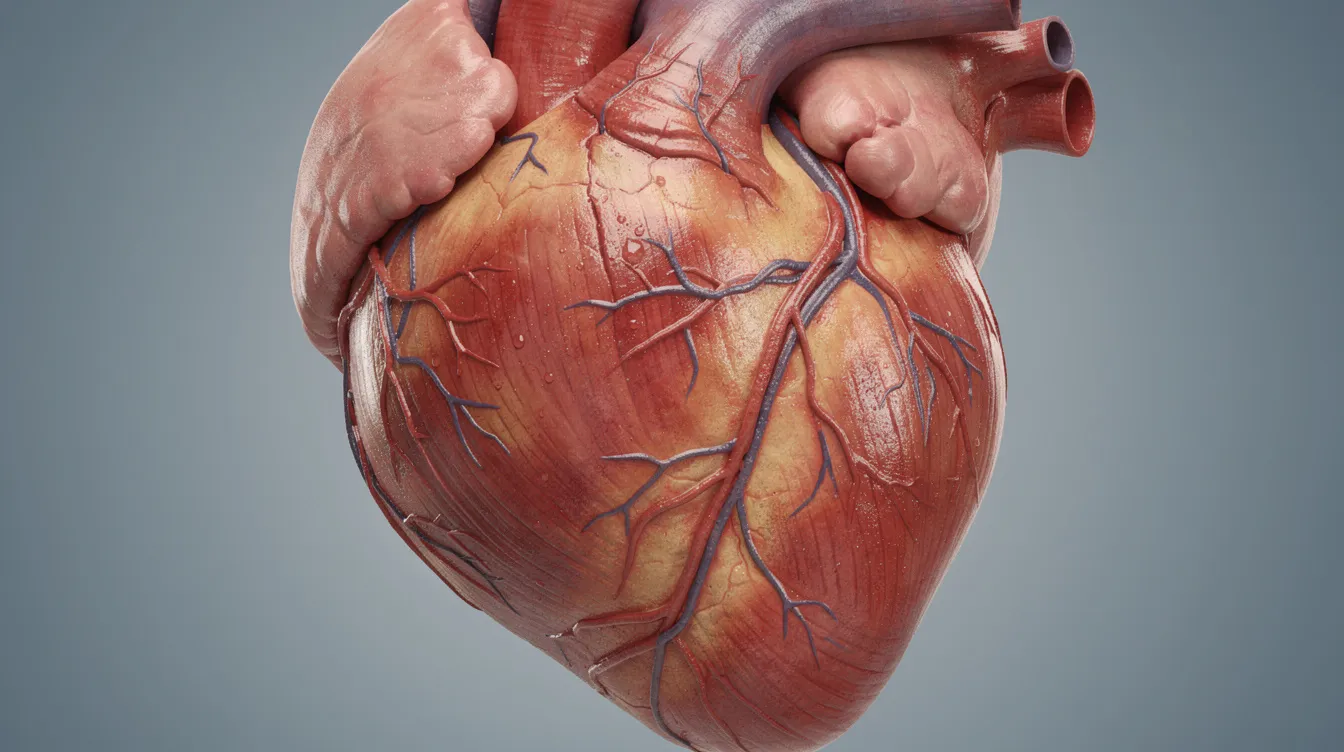
The vagus nerve (cranial nerve X) is the longest cranial nerve in your body. It originates in the medulla oblongata of the brainstem and extends through the neck, thorax, and abdomen, innervating the heart, lungs, gut, and liver.
Key anatomical features include:
| Component | Function |
|---|---|
| Afferent fibers (~80%) | Carry sensory information to the brain |
| Efferent fibers (~20%) | Send motor signals to organs |
| Auricular branch | Accessible for non-invasive stimulation |
| Nucleus tractus solitarius (NTS) | Processes afferent signals |
| Dorsal motor nucleus | Controls efferent output |
As the primary component of the parasympathetic nervous system, the vagus nerve promotes rest and digest functions. It counterbalances sympathetic fight or flight activity to maintain balance throughout the body. Normal vagal or autonomic function is characterized by healthy, adaptable heart rate variability (HRV), indicating a well-functioning and resilient nervous system.
Vagal tone directly connects to brainstem-autonomic networks, integrating signals from the NTS to higher brain centers like the hypothalamus and amygdala.
Mechanisms Linking Vagus Stimulation to Healthy Aging
Understanding how nerve stimulation affects the aging process requires examining several interconnected pathways.
Cholinergic Anti-Inflammatory Pathway (CAP)
VNS activates the CAP, where efferent vagal fibers release acetylcholine onto alpha-7 nicotinic receptors on splenic macrophages. This process leads to suppression of pro-inflammatory cytokines like TNF-alpha and IL-6 by up to 70% in preclinical models, resulting in reduced inflammation and improved systemic health. The inflammatory reflex directly mitigates inflammaging—a central driver of age-related disease.
Immune Response Modulation
Vagal modulation extends to inhibiting NF-kB signaling, reducing systemic inflammation linked to chronic stress and neurodegeneration. Chronic stress and elevated cortisol levels can exacerbate inflammation and accelerate aging; VNS may help regulate cortisol, supporting healthier immune and inflammatory responses.
Mitochondrial Function
VNS enhances mitochondrial biogenesis via PGC-1alpha upregulation and improves electron transport chain efficiency. Improved mitochondrial function supports cellular energy metabolism, which is crucial for maintaining cellular health and combating age-related decline. This counters oxidative stress accumulation in aging cell populations.
Cellular Repair and Autophagy
Intermittent stimulation mimics caloric restriction effects by activating AMPK pathways. This facilitates clearance of damaged proteins and organelles, enhancing the body’s natural repair mechanisms and slowing the aging process.
Heart Rate Variability, Low HRV, and Heart Rate
Heart rate variability measures beat-to-beat fluctuations in heart rate and serves as the primary biomarker of vagal tone. High-frequency components (like RMSSD) reflect parasympathetic activity and dominance.
The relationship between HRV and health follows a clear pattern:
- High HRV indicates robust autonomic function and adaptability
- Low HRV signals autonomic dysfunction and accelerated aging
- Resting heart rate inversely correlates with HRV
When resting heart rate exceeds 70 bpm alongside low HRV, this signals poor vagal modulation. Research suggests these individuals face increased risk of cardiovascular events and mortality.
Low HRV as a Longevity Risk Marker
Epidemiological data from longitudinal cohorts like the Framingham Heart Study demonstrate concerning patterns. Low HRV (RMSSD < 20 ms) associates with 2-3 fold higher mortality over 10 years, independent of other risk factors.
Recommended Thresholds for Low HRV Reporting:
| Population | RMSSD Threshold | SDNN Threshold |
|---|---|---|
| Adults 60+ | < 15-20 ms | < 50 ms |
| General adults | < 20 ms | < 50 ms |
Longevity studies should incorporate serial HRV tracking via wearables. When participants fall below these thresholds, interventions like VNS may help restore vagal tone and protect against premature mortality. Vagus nerve stimulation may also delay the onset of age-related diseases by reducing systemic inflammation and restoring autonomic balance.
Cardiovascular Health and Vagus Modulation
Vagal stimulation produces measurable cardiovascular effects that support healthy aging.
Heart Rate Effects
VNS slows heart rate by inhibiting sinoatrial node firing through acetylcholine release on M2 muscarinic receptors. Responsive individuals see average reductions of 5-10 bpm in resting heart rate.
Blood Pressure Effects
Through baroreflex enhancement and vasodilation, trials show systolic blood pressure reductions of 8-12 mmHg with chronic VNS application.
Arrhythmia Risk Reduction
VNS may reduce arrhythmia risk by stabilizing cardiac repolarization and suppressing ectopic foci. Evidence suggests potential reduction in atrial fibrillation incidence by 20-30% via anti-inflammatory effects on atrial tissue.
Recommended Cardiovascular Trial Endpoints:
- Resting heart rate
- HRV metrics (RMSSD, SDNN)
- Blood pressure variability
- Arrhythmia burden via Holter monitoring
Evidence: VNS Studies Relevant to Longevity
Several studies have examined VNS effects relevant to longevity, though direct lifespan data remains limited.
Invasive VNS Trials
Clinical trials for epilepsy (using Cyberonics devices since 1997) report HRV improvements (RMSSD +25-40%) and CRP reduction by 30% over 12 months. Secondary longevity signals include stabilized cognitive function in older participants.
The RECOVER trial (2026) in 214 treatment-resistant depression patients demonstrated impressive durability:
- ~80% maintained meaningful benefits at 24 months
- 30-40% of initial non-responders improved later
- Remission durability exceeded 90% in strong responders
Non-Invasive Auricular VNS (taVNS)
taVNS trials show similar benefits:
- HRV gains of +15-30% RMSSD
- IL-6 reductions of 20-50%
- Effects persisting 6-12 months
VNS devices and research are being adopted and studied around the world, reflecting a global interest in longevity interventions.
Research Gaps
No long-term RCTs currently track mortality or healthspan beyond 2-5 years. Preclinical models suggest cognitive and anti-inflammatory benefits supporting longevity, but human lifespan data remains absent.
Interventions, Devices, and Protocols
VNS devices fall into two main categories, each with distinct applications.
Invasive VNS Devices
| Device | Application | Parameters |
|---|---|---|
| LivaNova VNS Therapy System | Epilepsy, depression, heart failure | 0.25-2.5 mA, 250-500 μs, 20-30 Hz |
| ANTHEM-HF devices | Heart failure (reduced NT-proBNP 30%) | Similar ranges |
Non-Invasive Wearables
Consumer options include:
- gammaCore: FDA-cleared for cluster headache
- Sensate: Pectoral device for stress and relaxation
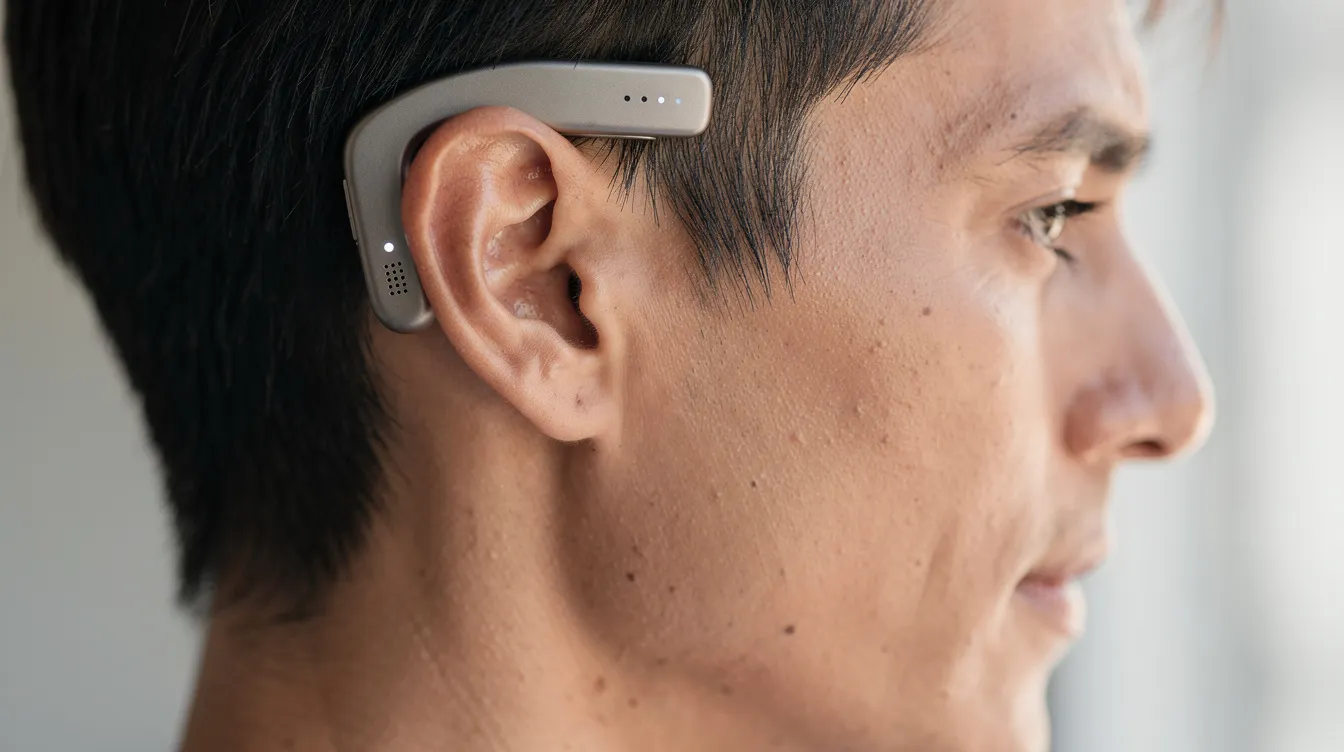
- Nurosym/Parasym: Ear-clip devices targeting auricular branch
- Pulsetto Fit: Consumer-grade auricular stimulation
Some protocols and devices are also being explored for their potential to improve sleep quality and support healthy circadian rhythms. Optimizing sleep through VNS may enhance relaxation, HRV, and overall nervous system health.
Common Trial Parameters
Most taVNS research uses 20-25 Hz, 200-500 μs pulse width, 0.5-5 mA intensity for 15-60 minutes daily.
Conservative Protocols for Older Adults
For elderly participants, start with:
- 10 Hz frequency
- 100 μs pulse width
- 0.25 mA intensity
- 10 minutes twice daily
Titrate based on HRV response while monitoring for bradycardia.
Measuring Outcomes: HRV, Heart Rate, Biomarkers
Standardized outcome measurement ensures data comparability across studies.
Primary: RMSSD
RMSSD (root mean square of successive differences) offers the highest vagal specificity. A >20% increase post-VNS indicates treatment response. Measure via 5-minute ECG or wearables during rest.
Secondary: Resting Heart Rate
Target resting heart rate below 65 bpm. Track daily using consumer wearables or clinical monitoring. Maintaining consistent waking times is important for regulating circadian rhythms, which supports improvements in HRV and overall well-being.
Inflammation Markers
| Marker | Goal | Measurement Schedule |
|---|---|---|
| CRP | < 1 mg/L | Baseline, 3, 6, 12 months |
| IL-6 | < 3 pg/mL | Baseline, 3, 6, 12 months |
VNS reduces these markers dose-dependently, providing objective evidence of the inflammatory reflex activation.
Safety, Limitations, and Ethical Considerations
Common Adverse Effects (Invasive VNS)
- Voice alteration: 20-30%
- Cough: 10-15%
- Dyspnea: 5%
- Infection: < 2%
Contraindications
- Bradycardia
- Carotid hypersensitivity
- Active implantable devices
Non-Invasive taVNS Risks
Mild effects include skin irritation and ear discomfort in less than 5% of users.
Placebo and Blinding Challenges
The physical sensation of stimulation complicates blinding. Sham conditions show 20-30% placebo HRV response, suggesting careful control design is essential.
Equity and Access Issues
Invasive VNS costs $30,000+ USD, creating significant access barriers. Consumer devices range from $200-1000 but vary in FDA clearance status. The gap between technology promise and evidence creates risk of hype outpacing science.
Practical Recommendations for Clinicians and Researchers
Screening Before VNS Enrollment
Screen for low HRV (RMSSD < 20 ms) via ambulatory monitoring. This identifies high-risk aging patients most likely to benefit from intervention.
Incremental Dosing for Elderly Participants
Start at 50% of standard trial parameters. Increase by 20% weekly while monitoring for orthostatic symptoms. This conservative approach prevents adverse events while allowing dose optimization.
Combine VNS with Lifestyle Interventions
Deep breathing exercises, cold water exposure, and yoga can boost baseline vagal tone by approximately 15%. These practices create synergy with device-based stimulation and support overall recovery.
Standardized Outcome Reporting
Follow CONSORT extensions for bioelectronics. Include HRV time-series, cytokine panels, and 24-month durability data similar to RECOVER trial reporting.
Future Directions
The field requires several advances before VNS can be established as a mainstream longevity intervention.
Priority Research Areas:
- Longitudinal RCTs (n>500, 5-10 years) tracking lifespan surrogates like epigenetic clocks and frailty indices
- Investigation of VNS effects on cellular senescence via p16/p21 markers and SASP reduction
- Development of AI-personalized algorithms adjusting parameters to real-time HRV (closed-loop systems potentially enhancing efficacy by 25%)
- Integration with wearables for continuous cardiovascular health monitoring
The ability to personalize stimulation based on individual HRV response represents a significant opportunity. As technology and research advance, adaptive protocols may enable prevention strategies tailored to each person’s unique physiology.

Conclusion
Vagus nerve stimulation longevity represents a promising frontier in healthy aging science. The evidence connecting VNS to reduced inflammation, improved cardiovascular health, and enhanced autonomic function continues to grow. While direct lifespan data remains limited, the mechanistic foundations are compelling.
The nature of aging as a complex system means no single intervention will extend life dramatically. However, VNS offers a non-pharmacological approach that addresses root causes rather than symptoms. For those tracking HRV and seeking to optimize vagal tone, the technology provides a research-backed option worth monitoring.
Moving forward, coordinated multidisciplinary longevity research programs must prioritize:
- Standardized protocols across research centers
- Long-term outcome tracking beyond current 2-5 year windows
- Equitable access to both invasive and consumer-grade devices
Track your HRV baseline today using available wearables. If you consistently measure below recommended thresholds, discuss VNS options with a clinician experienced in autonomic interventions. The data you collect now informs better decisions as this field matures.