Related topic: This article is part of Expert Protocol Profiles. If you want the broader overview, start with Longevity Protocols 2026: Practical, Evidence-Guided Roadmap. Valter Longo has spent decades at the USC Longevity Institute in Southern California researching how nutrition affects aging at the molecular level. His work, published in journals including PLOS Medicine, has produced two interconnected approaches: the everyday longevity diet and the periodic fasting mimicking diet. Longo’s research aims to create cures for serious diseases such as Alzheimer’s, cardiovascular diseases, and diabetes through innovative dietary protocols and scientific research. This new article breaks down both strategies, the clinical trials supporting them, and how to implement them for a longer life.
Article Outlines: Purpose And Audience
This article serves as a comprehensive, evidence-based guide to understanding and implementing Valter Longo’s longevity protocol. The goal is to bridge biological sciences research with practical daily nutrition choices.
Primary audience segments include:
- Health-conscious individuals aged 40+ seeking to slow aging
- Those managing risk factors for diabetes, cardiovascular disease, or cancer
- Healthcare professionals seeking patient education resources
- Fitness enthusiasts interested in evidence-based longevity approaches
Target keywords: valter longo longevity protocol, fasting mimicking diet, longevity diet, intermittent fasting for longevity, age-related disease prevention.
Overview Of The Longevity Diet

Valter longo longevity protocol – article outlines: purpose and audience
The longevity diet represents a multi-pillar nutritional approach designed to slow biological aging rather than simply achieve weight loss. Developed through research at USC, it synthesizes over a century of nutrition science conducted across laboratory animals, primates, and human populations including centenarians.
The scientific rationale centers on modulating genetic pathways that regulate aging and disease risk. These pathways affect measurable biomarkers including insulin levels, C-reactive protein, insulin-like growth factor 1 (IGF-1), and cholesterol. A recent modeling study estimating impact has shown that adopting the longevity diet can significantly increase life expectancy and reduce the risk of chronic diseases.
Expected outcomes for healthy longevity include:
- Increased healthspan and life expectancy
- Reduced incidence of age-related diseases
- Prevention of bone and muscle loss
- Healthier body composition and reduced body fat
- A diet rich in essential nutrients, supporting overall health and contributing to the diet’s longevity benefits
Core Principles: Longevity Diet Components
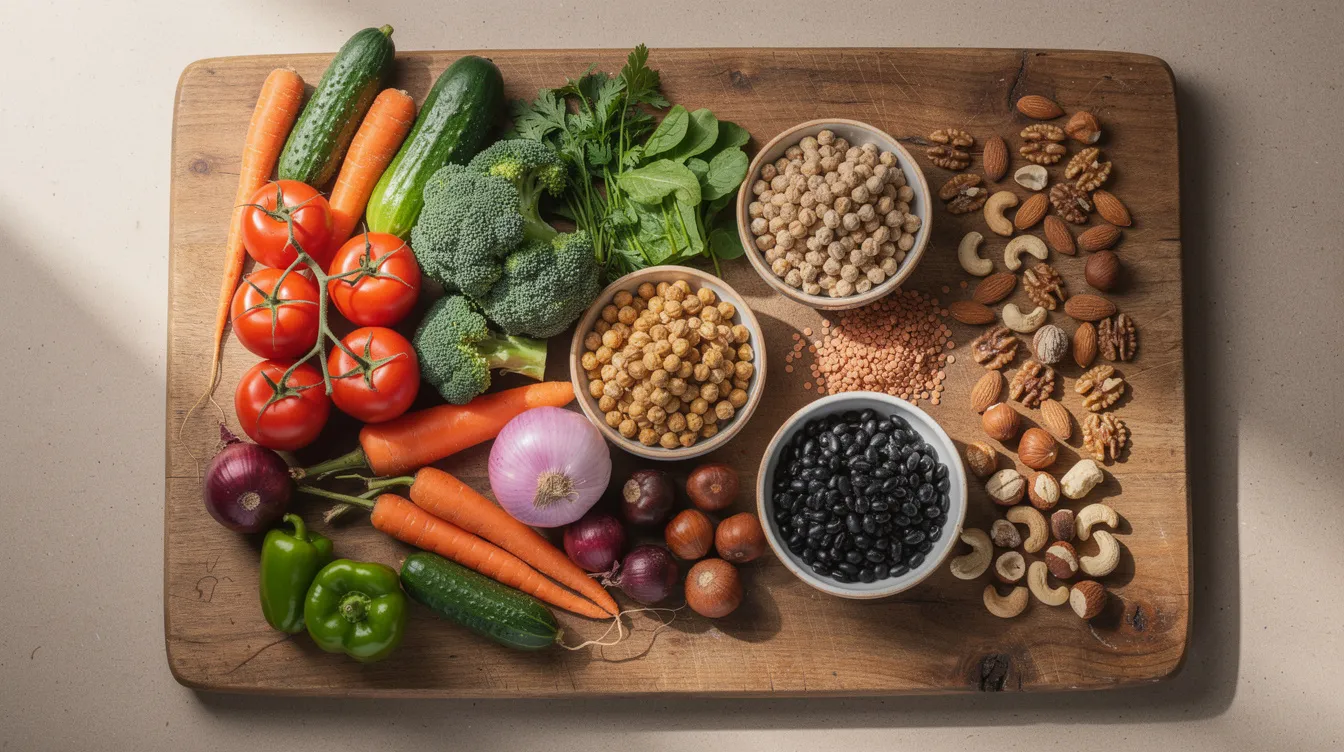
The foundational composition emphasizes plant based foods with moderate fish consumption. As Longo noted, the diet contains “lots of legumes, whole grains, and vegetables; some fish; no red meat or processed meat and very low white meat; low sugar and refined grains; good levels of nuts and olive oil, and some dark chocolate.”
Plant-forward food composition:
- Generous amounts of legumes (black beans, lentils, chickpeas)
- Whole grains instead of refined grains
- High quantities of vegetables as the foundation of most meals, while balancing fruit intake to avoid excess sugar
- Fish 2-3 times weekly
- Nuts and extra virgin olive oil daily
Protein timing recommendations: Keep protein intake low to moderate if under 65, but increase protein for those over 65 to counter muscle loss and frailty. Consuming too much protein, especially from animal sources, may be detrimental to longevity and overall health.
Daily eating window: Consume all meals within 11-12 hours, allowing a 12-13 hour overnight fast. This supports circadian alignment without severe restriction.
Role of fasting: The protocol incorporates intermittent fasting (daily time-restricted eating) alongside periodic fasting mimicking cycles occurring quarterly.
Fasting-Mimicking Diet: Protocol And Benefits
The fasting mimicking diet represents a major innovation in longevity research. This five-day program uses formulated foods that provide nutrition while keeping the body in a fasting-like metabolic state.
Five-day protocol summary:
- Duration: Five consecutive days
- Total calories: Approximately 40-50% of normal intake
- Frequency: Quarterly (every 3-4 months)
- Goal: Trigger stem cell activation and cellular regeneration
Short-term metabolic benefits:
- Reduced insulin resistance
- Lower blood pressure
- Improved cholesterol markers
- Decreased C-reactive protein
Anti-inflammatory benefits: The protocol reduces inflammatory markers associated with aging and chronic disease, potentially lowering disease risk across multiple organ systems.
Clinical trial outcomes: A study of 71 participants found that three repetitions of the five-day protocol over three months significantly reduced health hazards for aging and age-related diseases, including markers for diabetes, heart disease, and cancer risk.
Fasting Mimicking Diets: Variations And Scheduling
Single-cycle versus quarterly schedules:
| Approach | Frequency | Evidence Level | Best For |
|---|---|---|---|
| Quarterly cycles | Every 3 months | Strong (clinical trials) | Optimal benefits |
| Single cycle | Once | Moderate | Initial trial |
| Bi-annual | Every 6 months | Limited | Maintenance phase |
Shorter intermittent fasting options: For those unable to commit to five-day cycles, daily 12-hour fasting windows provide an entry point to the protocol’s benefits.
Candidate selection criteria:
- Generally healthy adults without contraindications
- Those willing to consult physicians before starting
- Individuals able to complete five consecutive days
- People without nut allergies (nuts are protein sources)
Comparing Mediterranean Diet And Longevity Diet
The longevity diet shares roots with the mediterranean diet observed in blue zones—regions with exceptional longevity including Sardinia, Okinawa, and Loma Linda. However, key distinctions exist.
| Feature | Mediterranean Diet | Longevity Diet |
|---|---|---|
| Plant emphasis | High | High |
| Olive oil | Central | Central |
| Fish consumption | Regular | Moderate |
| Red meat | Occasional | Avoided |
| Eating window | Unspecified | 11-12 hours |
| Periodic fasting | Not specified | Quarterly FMD cycles |
| Age-based protein | Not specified | Adjusted by age |
| Added sugar | Limited | Very low |
Key similarities: Both emphasize plant based fats, vegetables, fish, and extra virgin olive oil while limiting the western diet staples of processed foods and saturated fats.
Distinctive longevity diet features: Formalized 12-hour eating windows, structured quarterly fasting cycles, and age-specific protein recommendations based on mechanistic research rather than purely observational data.
Heart Health And Cardiovascular Disease Outcomes
Cardiovascular disease remains the leading cause of mortality, and the protocol specifically targets heart health through multiple molecular mechanisms.
Evidence for improved markers:
- Reduced insulin levels
- Lower C-reactive protein (inflammation)
- Improved cholesterol profiles
- Decreased IGF-1 levels
The plant-forward composition with legumes, whole grains, nuts, and olive oil provides documented cardiovascular benefits. Eliminating red meat removes saturated fats and processed compounds associated with heart disease.
Mechanisms reducing risk: The periodic fasting components improve insulin sensitivity, reduce blood pressure, and favorably affect lipoprotein metabolism. The 12-hour eating window supports circadian alignment of metabolic processes.
Weight Management: Lose Weight And Maintain Muscle
The protocol achieves weight loss and reduced body fat through moderate caloric deficit rather than severe restriction.
Strategies to lose weight safely:
- Focus on nutrient-dense plant foods
- Maintain consistent eating windows
- Complete quarterly FMD cycles
- Avoid refined grains and added sugar
Protein adjustments for older adults: Those over 65 need increased protein to preserve muscle mass and prevent sarcopenia. Adequate plant protein from legumes and nuts distributed across meals supports muscle synthesis.
Exercise recommendations: Combine the nutrition protocol with resistance exercise to maximize lean mass preservation during body weight reduction. This is particularly important for maintaining strength and function as you age.
Healthy Fats And Food Choices
Plant based fats should comprise approximately 30% of daily total calories, sourced primarily from whole foods.
Sources of healthy fats:
- Extra virgin olive oil (1-2 tablespoons daily)
- Nuts (one ounce daily)
- Seeds (flax, chia, hemp)
- Avocados (moderate amounts)
- Fish (omega-3 fatty acids)
Portion guidance: Nuts provide 160-190 calories per ounce; olive oil supplies 120 calories per tablespoon. These are nutrient-dense but require portion awareness.
Foods to avoid:
- Processed oils and trans fats
- Red meat and processed meat
- Foods high in saturated fats
- Western diet staples (fast food, fried items)

Personalization For Longer Life And Healthier Life
Longo emphasizes that food consumption patterns require individualization based on sex, age, health status, and genetics.
Age-specific modifications:
- Under 65: Moderate protein restriction beneficial
- Over 65: Increase protein to counter frailty
- Transition timing varies individually
Chronic disease tailoring:
- Diabetes: Requires medical supervision for fasting
- Cardiovascular disease: May need modified fasting approach
- Cancer history: Requires disease-specific considerations
Genetic and sex-based factors: Variation in genes affecting fat and glucose metabolism influences individual responses. Women have distinct micronutrient needs, particularly during reproductive years and post-menopause.
Implementation: 5-Day Fasting-Mimicking Cycle And Everyday Plan
Step-by-step fasting mimicking schedule:
- Select five consecutive days quarterly (January, April, July, October)
- Consume approximately 40-50% of normal calories
- Focus on plant-based, nutrient-dense foods
- Avoid strenuous exercise during the cycle
- Return to everyday longevity diet after completion
Sample one-week everyday diet menu:
| Meal | Components |
|---|---|
| Breakfast (7 AM) | Big bowl of legume-based dish with vegetables |
| Lunch | Fish or plant protein with whole grains and vegetables |
| Dinner (6 PM) | Legumes, vegetables, olive oil-based preparation |
| Snack | Small handful of nuts or dark chocolate |
| Fasting | 7 PM to 7 AM (12-hour window) |
Monitoring metrics:
- Fasting blood glucose
- Lipid panel (cholesterol, triglycerides)
- C-reactive protein
- Body weight and waist circumference
- Blood pressure
Clinician consultation: Essential before starting, especially for those on medications, with pre-existing conditions, or over 65.
Risks, Contraindications, And Clinical Evidence
Major contraindications:
- Pregnancy and breastfeeding
- Diabetes (without medical supervision)
- Nut allergies or sensitivities
- Eating disorder history
- Active cancer treatment
Safety screening protocols: Medical professionals should assess medication interactions, baseline health status, and individual risk factors before protocol initiation.
Evidence limitations: Current clinical trials involve relatively small sample sizes (71 participants in primary study). Long-term randomized controlled trials with lifespan outcomes remain lacking. Most evidence originates from Longo’s laboratory, though independent replication studies are underway.
Research Gaps, Future Studies, And Policy Implications
Key unanswered questions:
- Optimal FMD frequency for different populations
- Predictive factors for individual responsiveness
- Long-term effects on bone density and hormonal function
- Comparative effectiveness versus other dietary approaches
Proposed trial designs: Large-scale, multi-site studies comparing longevity protocol to standard care, with outcomes measuring actual lifespan, disease incidence, and quality of life over 10+ years.
Public health implications: Integration of evidence-based fasting recommendations into clinical guidelines, expanded insurance coverage for nutritional counseling, and workplace wellness program development around longevity principles.
Callouts: Practical Tips, Recipes, And Tracking
Simple recipe ideas:
- Lentil soup with generous amounts of vegetables and olive oil
- Grilled fish with quinoa and roasted vegetables
- Black beans with brown rice and avocado
- Nut-based snack mix with dark chocolate pieces
Tracking tools for adherence:
- Food logging apps to monitor eating windows
- Blood pressure monitors for home use
- Quarterly blood work tracking (glucose, lipids, CRP)
- Weight and waist measurement logs

The Valter Longo longevity protocol offers a science-backed framework for extending healthspan through strategic nutrition and periodic fasting. Start with the everyday longevity diet—establishing your 12-hour eating window and plant-forward food choices—before attempting full fasting mimicking cycles. Consult your physician, establish baseline metrics, and track your progress quarterly.