Related topic: This article is part of Demographic and Budget Protocols. If you want the broader overview, start with Personalized Longevity Protocols: A Practical Guide to Extending Healthspan. Research from 101 countries spanning 1961-2018 reveals a striking pattern: populations consuming higher proportions of plant-based proteins consistently demonstrate longer adult life expectancies. This vegan longevity protocol synthesizes emerging evidence from Blue Zones research, clinical trials, and longevity nutrition science into actionable strategies for optimizing brain health, cognitive health, and healthy aging.
Whether you’re a middle-aged adult seeking preventive cognitive optimization or an older adult aiming to preserve muscle mass and mental sharpness, this protocol provides the framework for evidence-based dietary choices. Maintaining a healthy diet is essential for supporting both longevity and cognitive health.
Protocol Overview and Goals
The target audience for this protocol includes adults aged 40-65 seeking preventive brain health optimization and older adults 65+ focused on mitigating cognitive decline and sarcopenia through a plant based diet.
Expected Outcomes:
- 10-20% reductions in all-cause mortality risk based on Blue Zones data
- Improved biomarkers including lower inflammation and better lipid profiles
- Enhanced cognitive scores on validated assessments
Research findings suggest these outcomes are achievable with consistent adherence to the vegan longevity protocol.
Primary Longevity Metrics to Track: | Metric | Target Range | Review Frequency | |——–|————-|——————| | HbA1c | < 5.7% | Quarterly | | CRP (inflammation) | < 1 mg/L | Quarterly | | VO2 max | Age-appropriate | Every 6 months | | Grip strength | Above median | Every 6 months | | MoCA cognitive score | >26/30 | Quarterly |
Other studies support the use of these metrics for tracking progress in similar longevity protocols.
Duration: This is a lifelong protocol structured in 90-day phases for initial adherence building, with formal reviews at baseline, 3 months, 6 months, and annually thereafter.
Plant Based Diet Foundation

Vegan longevity protocol – protocol overview and goals
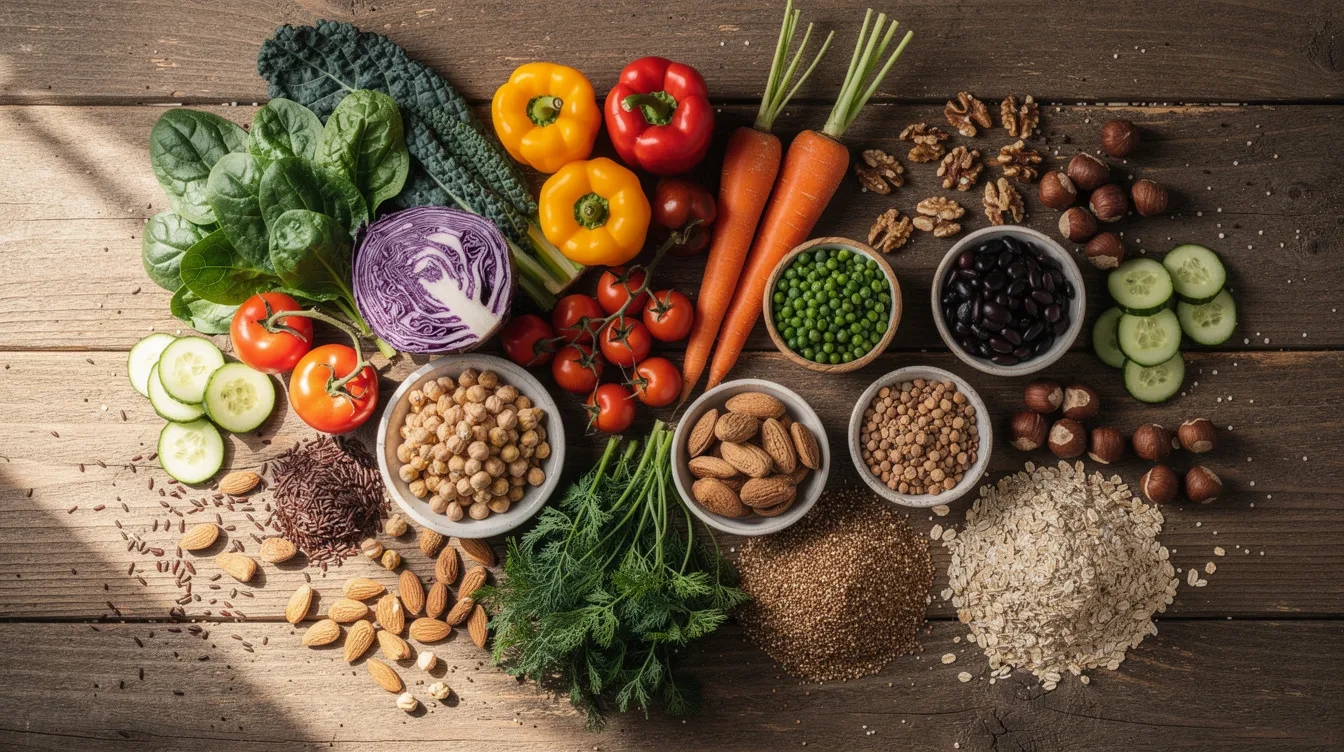
The foundation of this dietary pattern centers on nutrient dense whole plant foods that provide maximum health benefits per calorie. Including a wide variety of food groups—such as legumes, vegetables, fruits, nuts, seeds, and whole grains—is essential to ensure balanced nutrition and to meet all nutrient requirements on a vegan longevity protocol.
Core Whole-Food Staples:
- Legumes: lentils, chickpeas, black beans (protein and fiber)
- Cruciferous vegetables: broccoli, kale, cabbage (sulforaphane)
- Allium family: garlic, onions (organosulfur compounds)
- Berries: blueberries, strawberries (anthocyanins)
- Nuts and seeds: almonds, walnuts, chia, flax (good fats and fiber)
- Whole grains: quinoa, oats, barley (beta-glucans)
- Tubers: sweet potatoes (resistant starch)
Daily Macronutrient Targets:
- Protein: 10-20% of calories (0.8-1.2g/kg body weight, adjusted for age and activity)
- Complex carbohydrates: 50-60%
- Fats: 25-35% from avocados, olive oil, and nuts
Fiber and Phytonutrient Goals:
- Fiber: 40-60g daily (25-30g soluble, remainder insoluble)
- Aim for 8-10 plant colors daily
- Polyphenols: 1000-2000mg from foods like turmeric (1g with black pepper), ginger, and rosemary
Vitamins from a diverse range of plant foods play a crucial role in supporting overall health and preventing deficiencies, making them an important focus of this protocol.
Replacing Nutrients From Animal Products On A Plant Based Diet
Eliminating animal products creates specific nutritional gaps that require strategic attention. Compared to a normal diet that includes animal products, the vegan longevity protocol requires careful planning to replace nutrients typically obtained from animal sources, as these nutrients are less abundant or absent in plant-based foods.
Key Nutrients Lost When Avoiding Animal Products:
- Vitamin B12 (nerve health, absent in plants)
- Omega 3 DHA/EPA (brain-protective)
- Creatine (muscle and brain energy)
- Heme iron (superior absorption)
- Zinc, iodine, calcium, vitamin D
Plant-Based Food Swaps: | Nutrient | Plant Source | Daily Target | |———-|————-|————–| | Iron | Spinach, lentils + vitamin C | 1.8x RDA (absorption is lower) | | Zinc | Pumpkin seeds, oats | 11mg men / 8mg women | | Iodine | Seaweed, nori | 150mcg | | Calcium | Kale, tahini | 1000mg |
Fortified Foods to Bridge Gaps:
- Plant milks fortified with B12, D, and calcium
- Nutritional yeast (B12: 2.4mcg daily)
- Fortified orange juice (folate and vitamin D)
Counter phytate absorption inhibitors by soaking and sprouting legumes and grains before cooking.
Creatine Supplementation
Vegans and vegetarians have near-zero dietary creatine intake, resulting in muscle stores of 60-90 mmol/kg dry muscle compared to omnivores at 120-140 mmol/kg. This deficit impairs high-intensity exercise capacity and may affect cognitive performance. Supplementation with creatine can enhance the ability to perform high-intensity exercise, improve muscle strength and power, and support cognitive functions such as memory and processing speed.
Assessing Baseline Need: If you follow a vegan diet exclusively, supplementation is strongly recommended. RCTs show vegetarians gain 10-20% in strength metrics and 8-12% improvements in memory with creatine supplementation.
Creatine Monohydrate Dosing Options:
- Maintenance: 3-5g daily
- Loading protocol (optional): 20g daily (0.3g/kg) for 5-7 days, then 5g maintenance
- Chronic low-dose: 5g daily without loading
Timing Guidelines:
- Take post-workout with carbohydrates and protein for 60% greater uptake
- Consistent daily timing matters more than exact hour
Testing to Verify Effect:
- Serum creatinine (indirect marker, some confounding)
- Muscle biopsy (gold standard but invasive)
- Performance tracking (strength gains, exercise capacity)
Creatine Supplementation For Older Adults

Older adults benefit significantly from creatine, with studies showing 5g daily is both safe and effective in adults aged 60-80. When combined with resistance training, creatine supplementation can be used as a treatment approach for sarcopenia and cognitive decline in older adults, supporting muscle preservation and brain health.
Tailored Dosing:
- Standard dose: 3-5g creatine monohydrate daily
- No loading phase required for this population
Pairing with Resistance Training: Combine supplementation with resistance training 2-3 times weekly:
- Intensity: 70-80% of 1-rep maximum
- Volume: 8-12 repetitions per set
- Expected outcome: 1-2kg lean skeletal muscle gain over 12-24 weeks versus training alone
Renal Function Monitoring: | Test | Frequency | Action Threshold | |——|———–|——————| | eGFR | Quarterly | Discontinue if < 60 ml/min | | Creatinine clearance | Quarterly | Discontinue if rise >30% |
Those with pre-existing kidney disease should consult providers before starting supplementation.
Omega 3 Strategy For Brain Health
The body converts plant-based ALA (from flax and chia) to EPA and DHA inefficiently—less than 5-10% in most vegans. Direct supplementation from microalgae sources bypasses this limitation.
Microalgae-Based Sources: Schizochytrium sp. provides preformed EPA and DHA in vegan-friendly form.
Target Intakes:
- Minimum for brain health: 250mg combined EPA/DHA daily
- Longevity protocol target: 500mg-2g combined daily
- Recent research shows DHA at 900mg daily slows cognitive decline by 25% in mild impairment
Dosing Frequency and Form:
- Take 1-2 times daily with dietary fats for absorption
- Prefer triglyceride form over ethyl esters (30% better bioavailability)
- Store supplements away from heat and light
Cognitive Function And Brain Health
Maintaining cognitive function requires both nutritional and lifestyle interventions working together.
Cognitive Function Goals:
- Maintain MoCA score above 26/30
- Preserve episodic memory and executive function
- Prevent or slow cognitive impairment
Lifestyle Actions to Protect Brain Health:
- Aerobic exercise: 150 minutes weekly (preserves hippocampal volume 2% annually)
- Resistance training: 2 sessions weekly (boosts BDNF 20-30%)
- Sleep: 7-9 hours nightly (sleep deprivation accelerates decline)
- Stress management: Regular meditation lowers cortisol 20%
- Social engagement: Maintain active connections
Baseline Assessments: Schedule cognitive testing with MoCA or CANTAB before beginning the protocol to establish your starting point.
Preventing Cognitive Impairment In Older Adults
Adapt the MIND diet (Mediterranean-DASH hybrid) for strict vegan eating by substituting tofu and tempeh for fish.
MIND-Style Recommendations:
- Daily: Greens, nuts, berries, whole grains, legumes
- Minimize: Sugar, processed foods, saturated fats
Exercise Protocol:
- 150 minutes aerobic activity weekly
- 2 resistance sessions weekly
- Meta-analyses show 30-50% reduced dementia risk
Monitoring Schedule:
- Quarterly MoCA assessments
- Flag intervention if decline exceeds 3 points
- Consider curcumin (500mg with piperine) for neuroinflammation reduction
Adjust supplements based on cognitive trajectory—increase omega 3 if scores worsen.
Brain Function Testing And Monitoring
Serial assessment allows early detection of changes requiring intervention.
Neurocognitive Tests:
- MoCA: 90% accuracy for mild cognitive impairment
- Rey Auditory Verbal Learning Test: Memory assessment
- Trail Making Test: Executive function
Blood Markers: | Marker | Target | |——–|——–| | hs-CRP | < 1 mg/L | | LDL cholesterol | < 100 mg/dL | | Homocysteine | < 10 μmol/L | | Omega-3 index | >8% |
Additional Tracking:
- Sleep quality: PSQI score < 5, minimum 7 hours
- Mood: PHQ-9 < 5
- Use apps for consistent tracking between clinic visits
Implementation For Older Adults On A Plant Based Diet
Progressive Meal Plans:
- Week 1: 50% plant foods baseline
- Week 4: Full transition to protocol staples
- Caloric range: 1800-2500 kcal based on activity and weight goals
- The vegan longevity protocol supports healthy body composition in older adults by helping manage or reduce weight gain, as plant-based dietary patterns are associated with lower caloric intake and reduced risk of obesity-related health issues.
Supplement Phasing:
- Week 1: Begin B12 and omega 3 with medical approval
- Week 4: Add creatine after MD clearance
Simple Resistance Routines:
- Bodyweight squats: 3 sets of 10
- Resistance band exercises for upper body
- Chair-assisted movements for balance
Adherence Check-ins:
- Monthly journal reviews
- Use tracking apps for 80% adherence targets
- Adjust for menstrual cycle variations in energy if applicable
Safety, Risks, And Interactions With Animal Products
Screening for Deficiencies:
Without proper attention, avoiding animal products carries these risks:
- B12 deficiency: Affects 30-80% of vegans without supplements (neuropathy risk)
- Omega 3 imbalance: Vegan EPA/DHA typically < 20% of omnivore levels
- Creatine deficit: 10-20% reduction in cognition and muscle without supplementation
Plant-based diets are also associated with a reduced risk of certain cancers, such as breast and endometrial cancer.
Annual blood work targets:
- B12: >400 pg/ml
- MMA: < 0.4 μmol/L
Medication Interactions: | Medication | Interaction | Action | |————|————-|——–| | Metformin | Lowers B12 | Monitor closely | | Statins | Depletes CoQ10 | Consider ubiquinol | | PPIs | Reduces B12 and magnesium | Increase monitoring |
Discontinuation Criteria:
- eGFR drop below 60 ml/min
- GI distress persisting beyond 2 weeks
- Abnormal labs or symptoms (fatigue, paresthesia)
- Consult provider immediately if these occur
Practical Meal Plans And Supplement Protocols
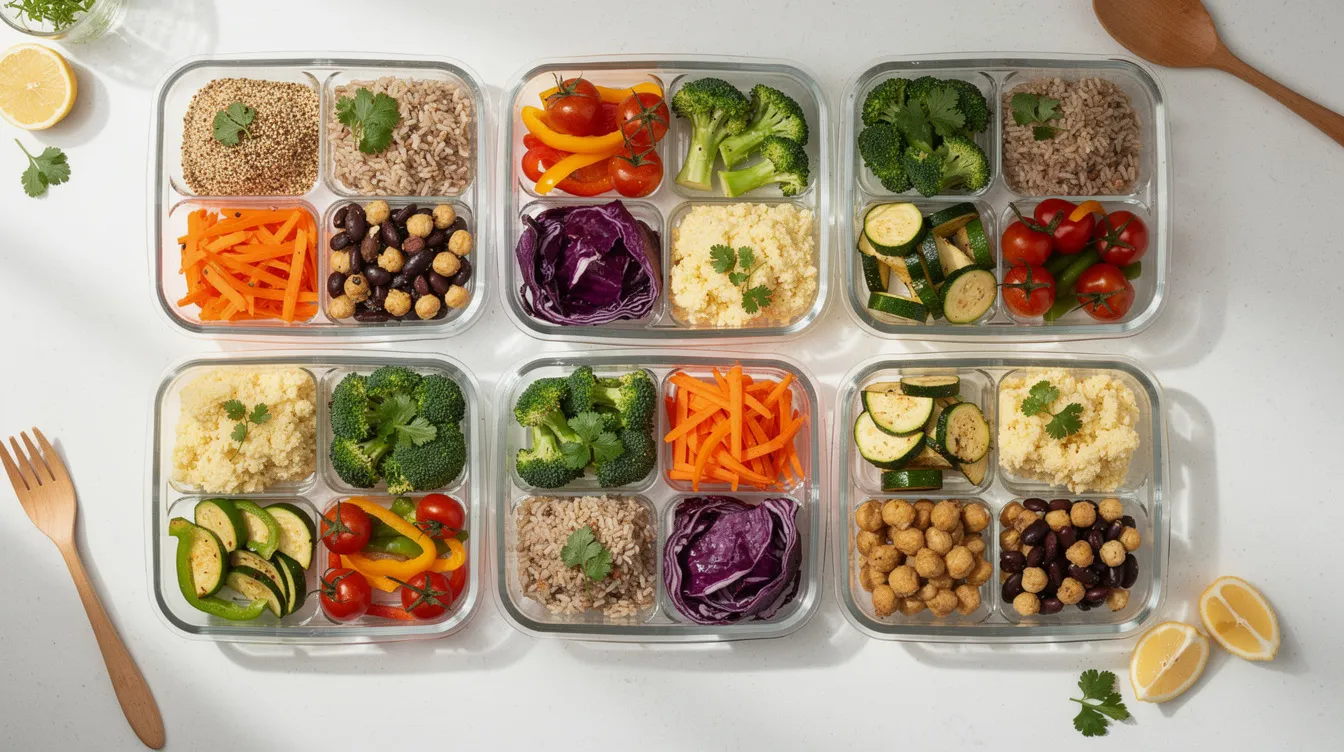
7-Day Sample Meal Plan (2000 kcal):
| Meal | Example | Approx. Calories | Protein |
|---|---|---|---|
| Breakfast | Oats + berries + chia seeds | 400 | 10g |
| Lunch | Lentil soup + kale salad | 500 | 18g |
| Dinner | Tofu stir-fry + quinoa + broccoli | 600 | 22g |
| Snacks | Nuts, apple, hummus | 500 | varies |
Daily totals: ~50g protein, ~50g fiber
Supplement Stack:
- AM: B12 1000mcg, Vitamin D3 2000IU, Omega 3 500mg DHA/EPA
- PM: Creatine 5g (post-workout on training days)
Batch-Cooking Tips:
- Sunday prep: Cook large batches of grains and soups
- Shopping priorities: Bulk legumes, seasonal vegetables, frozen fruits
- Storage: Glass containers for 4-5 days of meals
Education, Behavior Change, And Follow-Up
Patient Education Materials:
- Week 1 module: Nutrient swap infographics
- Week 2 module: Supplement timing guides
- Week 3 module: Meal prep tutorials
SMART Goals Example:
- Specific: Consume 40g fiber daily
- Measurable: Track via Cronometer app
- Achievable: Add beans to one meal daily
- Relevant: Supports longevity and well being
- Time-bound: Achieve within 30 days
Outcome Review Schedule:
- 3 months: Adherence assessment, blood work review
- 6 months: DEXA scan, cognitive testing
- 12 months: Full metrics evaluation, protocol adjustment
References, Tools, And Further Reading
Evidence Citations:
- ISSN Position Stand: Creatine safe and effective at 5g daily for athletic performance and metabolism
- Alzheimer’s Association: MIND diet reduces AD risk by 53%
- University of Sydney (2018): Plant protein correlates with longevity across 101 countries
Cognitive Assessment Tools:
- MoCA (Montreal Cognitive Assessment)
- CANTAB for serial tracking
- ReClock MoCA app for home monitoring
Tracking Apps:
- Cronometer: Detailed nutrient tracking
- MyFitnessPal: Meal logging and body composition
- Strong: Resistance training logs
Key Takeaways
A well-designed vegan longevity protocol combines nutrient dense whole plant foods with strategic supplementation to address specific gaps from avoiding meat, fish, eggs, and dairy.
- Prioritize legumes, cruciferous vegetables, fruits, nuts, and whole grains as dietary staples
- Supplement B12, omega 3 (algae-based), and creatine for optimal health
- Track longevity metrics quarterly and adjust based on results
- Combine nutrition with resistance training for muscle preservation
- Monitor for chronic diseases risk factors through regular blood work
Start with baseline assessments and build your protocol in 90-day phases. Consult your healthcare provider before beginning any new supplement regimen, particularly if you have existing health conditions or take medications. Your journey toward overall health and longevity begins with a single informed choice.