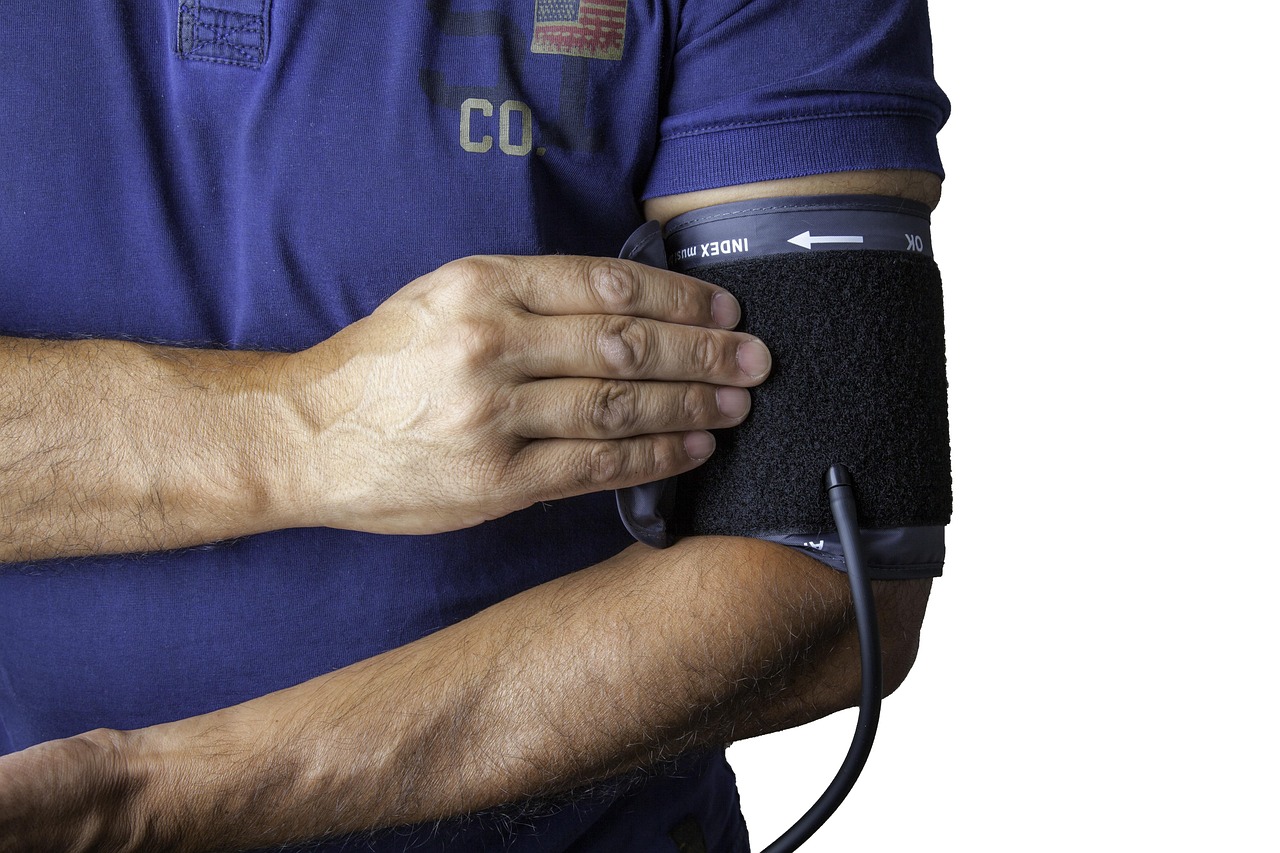
Related topic: This article is part of Biological Age Testing and Tracking. If you want the broader overview, start with Best Biological Age Test Guide: How Biological Age Tests Work And Compare. Your ability to climb stairs without gasping, chase after your kids, or maintain energy throughout a busy day depends heavily on one metric: VO2 max. This single number captures how efficiently your body delivers and uses oxygen during physical exertion, and research now positions it as one of the strongest predictors of how long you will live.
Large epidemiological studies involving millions of participants consistently show that individuals with higher cardiorespiratory fitness have 40-50% lower risk of premature death compared to their less-fit counterparts. This protective effect surpasses benefits from smoking cessation or statin use.
This guide breaks down what VO2 max actually measures, how to test it accurately, and the training protocols proven to raise it. Whether you are a fitness enthusiast aiming to optimize performance, a middle-aged adult focused on extending your healthy lifespan, or a healthcare professional advising patients on preventive strategies, the information here provides a practical roadmap grounded in physiological mechanisms and clinical evidence.
Explain VO2 Max And How Much Oxygen It Measures
VO2 max is the maximum volume of oxygen your body can consume per unit of time during maximal aerobic exercise—specifically, it refers to how much oxygen the body consumes during intense activity.
When you understand how much oxygen your circulatory system can deliver and your muscles can extract, you gain insight into your overall aerobic capacity. The metric is typically expressed in milliliters of oxygen per kilogram of body weight per minute (mL/kg/min), averaged over one minute to assess aerobic capacity and cardiovascular fitness. This allows meaningful comparisons across individuals of different sizes.
The underlying physiology follows the Fick equation: VO2 = cardiac output × arteriovenous oxygen difference. In practical terms, this means your VO2 max depends on three primary components:
- How much oxygenated blood your heart can pump per minute
- How efficiently your lungs transfer oxygen into your blood
- How effectively your skeletal muscles extract that oxygen for energy production
Values range considerably across the population. Sedentary adults typically fall between 35-40 mL/kg/min, while elite endurance athletes can exceed 85 mL/kg/min. These higher values reflect superior mitochondrial density, capillary networks, and enzymatic efficiency that delay fatigue and support sustained performance.
For longevity, higher VO2 max matters because it represents reserve capacity against age-related decline. Studies show that individuals in the top VO2 max quintile have 50% lower cardiovascular mortality risk compared to the bottom quintile. This fitness marker actually outperforms traditional risk factors like cholesterol or blood pressure in prognostic models for all cause mortality.
VO2 Max, Body Weight, And Relative Measures
Understanding the difference between relative and absolute VO2 max clarifies why body weight plays a larger role in fitness assessment than many people realize.
Relative VO2 max is normalized as mL/kg/min, dividing total oxygen uptake by your body weight. This standardizes comparisons across different body sizes and serves as the preferred metric for athletic and clinical assessments.
Absolute VO2 max measures total oxygen consumption in liters per minute, independent of mass. This reflects raw cardiorespiratory capacity without accounting for how much tissue that capacity must support.
Here is why the distinction matters: a 100 kg athlete consuming 4.0 L/min of oxygen achieves a relative VO2 max of 40 mL/kg/min. The same absolute uptake in a 70 kg person yields 57 mL/kg/min.
| Body Weight | Absolute VO2 | Relative VO2 Max |
|---|---|---|
| 100 kg | 4.0 L/min | 40 mL/kg/min |
| 70 kg | 4.0 L/min | 57 mL/kg/min |
| 85 kg | 4.0 L/min | 47 mL/kg/min |
This calculation reveals an important insight: weight loss alone can boost relative VO2 scores without any physiological improvement in your cardiovascular system. However, preserving lean mass during weight loss is crucial to avoid masking true aerobic improvements.
In obese populations, absolute measures may better predict total work capacity, but relative VO2 dominates longevity correlations because it adjusts for metabolic load. Each kilogram of fat your heart must supply with oxygenated blood represents additional strain on your system.

Measuring VO2 Max: Gold Standard And Practical Alternatives
Accurate measurement establishes your baseline and allows you to track progress over time. Several options exist, ranging from laboratory precision to wearable convenience.
The Gold Standard: Cardiopulmonary Exercise Testing
The gold standard for measuring VO2 max is cardiopulmonary exercise testing (CPET). This involves a progressive incremental protocol on a treadmill or cycle ergometer, pushing you to volitional exhaustion while a metabolic cart analyzes your breathing gases.
During CPET, technicians measure:
- Oxygen consumed from inspired versus expired air
- Carbon dioxide production
- Heart rate via continuous ECG monitoring
- Ratings of perceived exertion
The test confirms maximal effort by verifying a plateau in oxygen uptake despite continued increases in workload. This ensures the aerobic system is fully taxed and provides diagnostic accuracy unavailable through other methods.
Practical Alternatives
Field tests and wearable devices offer accessible options for most people.
Field tests like the Cooper 12-minute run estimate VO2 max using the distance covered. The Rockport 1-mile walk test provides another validated option, incorporating heart rate and completion time into its formula.
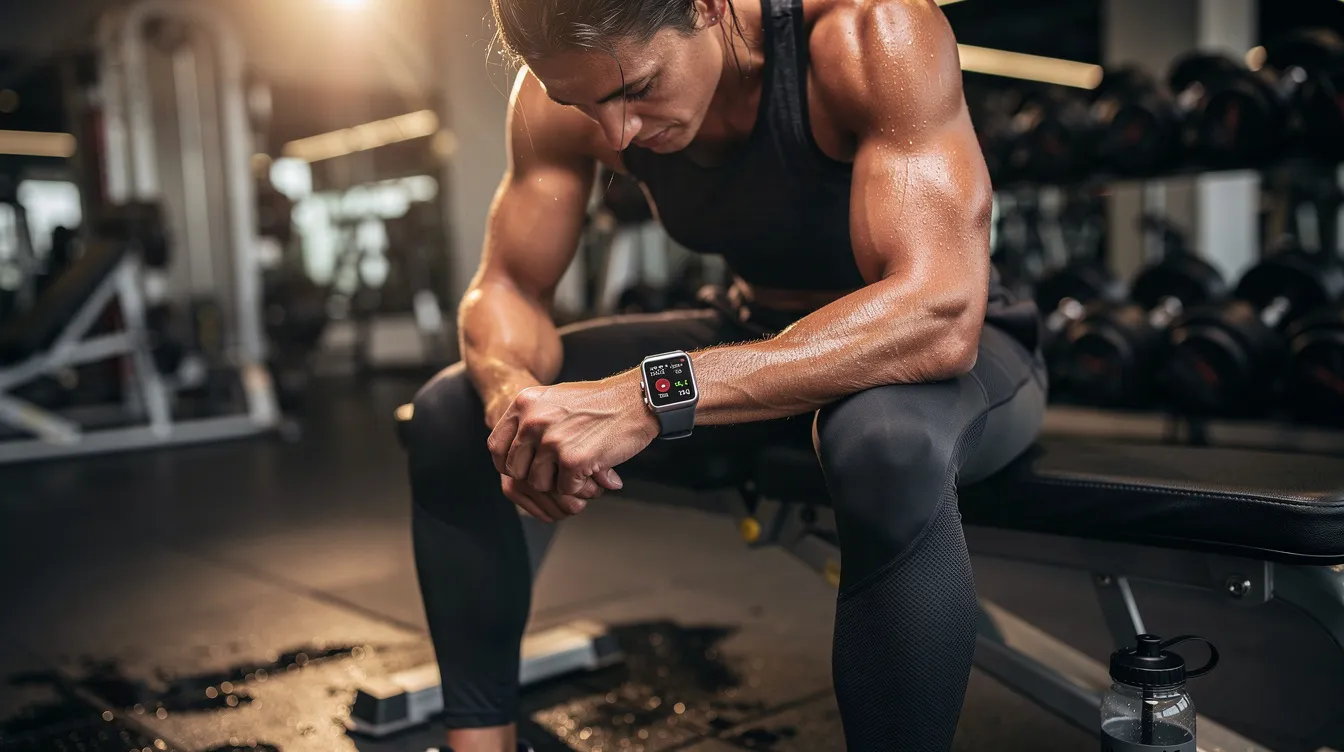
Wearable estimates from devices like Garmin or Apple Watch use heart rate variability, GPS pace, and proprietary algorithms. These are devices you wear on your wrist, chest, or arm to monitor fitness metrics, which are then used to estimate VO2 max. These correlate moderately with lab values (r=0.7-0.9) but tend to overestimate by 5-20% in non-elite users due to unverified maximal effort and motion artifacts.
A simple estimation formula for quick screening: VO2 max = 15 × (HRmax / HRrest). While imperfect, this aligns reasonably well with gold standard measures for population-level assessment.
Pros and Cons Comparison
| Method | Pros | Cons |
|---|---|---|
| Lab CPET | Diagnostic accuracy, submaximal threshold data, clinical validity | High cost ($150-500), limited access, physical discomfort |
| Field Tests | Free, repeatable, validated formulas | Requires maximal effort, weather dependent, less precise |
| Wearables | Convenient, tracks trends, daily monitoring | Overestimates in non-elites, lacks clinical validation, algorithm opacity |
When To Seek Clinical Testing
Consider referring yourself or patients for clinical CPET when:
- You suspect underlying pathology such as heart disease, coronary artery disease, or pulmonary conditions
- You are planning high-stakes training programs
- You want precise tracking of progress, especially post-40
- You have cardiovascular risk factors requiring medical clearance
For routine monitoring of physical fitness, field tests repeated monthly provide sufficient accuracy to track improvements without the expense and inconvenience of laboratory visits.
Cardiorespiratory Fitness, Aging, And Longevity
The relationship between cardiorespiratory fitness and lifespan represents one of the most robust findings in preventive medicine.
Evidence Linking Fitness To Lifespan
Meta-analyses encompassing over 100 studies and more than 10 million participants reveal that high fitness levels confer 40-50% lower risk of premature death. Superior oxygen delivery mitigates inflammation, insulin resistance, and endothelial dysfunction—all central to aging pathologies.
Each 1 MET increase in fitness (approximately 3.5 mL/kg/min) associates with 12-15% reductions in all cause mortality across large cohorts. This finding holds across age groups, genders, and baseline health status.
Low cardiorespiratory fitness predicts:
- Higher rates of cardiovascular disease
- Increased diabetes risk
- Greater susceptibility to cognitive decline
- Reduced functional capacity in later years
One study demonstrated that fitness outperforms smoking status, hypertension, and diabetes as a mortality predictor. The protective effect of better fitness appears independent of body weight, though both factors contribute to overall health outcomes.
VO2 Max Decline With Age
VO2 max declines predictably with age at approximately 0.8-1.0 mL/kg/min per decade after age 30. This rate accelerates to roughly 1.5% annually after age 60 due to:
- Reduced stroke volume and heart volume
- Decreased mitochondrial biogenesis
- Lower capillary density in muscles
- Diminished lung capacity
However, trained individuals maintain 20-30% higher values throughout life compared to sedentary peers. This preserved functional capacity translates directly to independence in daily activities—climbing stairs, carrying groceries, playing with grandchildren.
Starting Points By Age Group
Understanding typical values helps you set realistic improvement goals.
| Age Group | Sedentary Men (mL/kg/min) | Sedentary Women (mL/kg/min) | “Fit” Threshold |
|---|---|---|---|
| 20-39 | 42-52 | 33-42 | >50 (men), >40 (women) |
| 40-59 | 36-44 | 30-38 | >45 (men), >35 (women) |
| 60+ | 30-38 | 26-34 | >35 (men), >30 (women) |
Beginners should target 10% gains through structured programs. If you fall below average for your age, the initial improvements will come fastest. Consult a physician to establish your baseline measurement and rule out contraindications before beginning intense training.
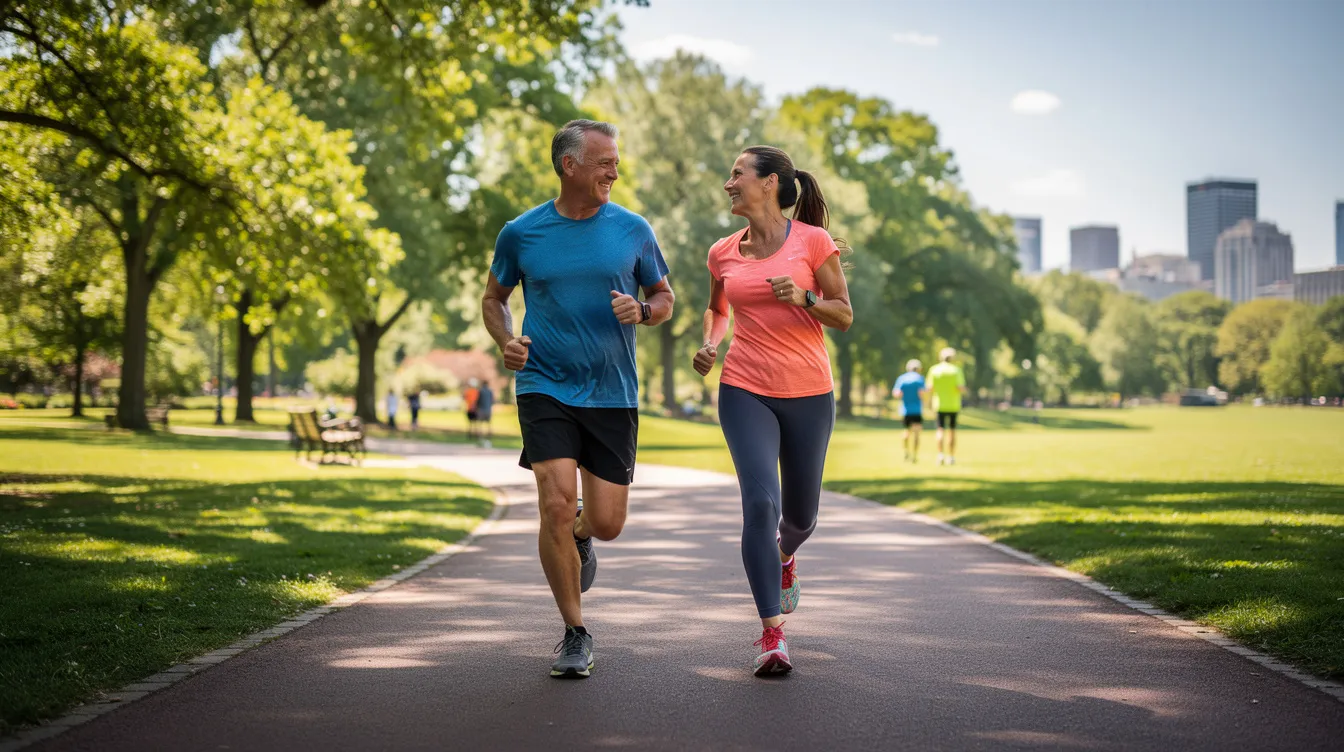
Exercise Training To Improve Your VO2 Max
Training to improve your VO2 max follows established principles that apply regardless of your starting fitness level.
Core Training Principles
Three tenets guide effective programming:
- Specificity: Aerobic exercise produces aerobic adaptations. Running, cycling, swimming, and rowing all develop the cardiovascular and muscular systems that determine VO2 max.
- Progressive overload: Gradually increasing duration, intensity, or frequency forces continued adaptation. Without progressive challenge, improvements plateau.
- Reversibility: Fitness gains disappear without consistent training. Extended breaks cause measurable declines within 2-3 weeks.
Meta-analyses confirm 10-20% gains in VO2 max over 8-12 weeks for untrained individuals following structured aerobic and interval protocols. These improvements stem from both central adaptations (increased cardiac output) and peripheral adaptations (enhanced muscle oxygen extraction).
Weekly Training Volume
Beginners should aim for 150-250 minutes weekly of moderate aerobic activity at 50-70% of maximum heart rate. This translates to roughly 30-50 minutes per session, 5 days per week.
As fitness improves, progress to 300+ minutes for intermediate and advanced trainees. Balance your training with:
- 70-80% low intensity: Zone 2 cardio where you can hold a conversation
- 20-30% high intensity: Intervals pushing near maximal effort
Chronic high loads elevate cortisol and injury risk by 2-3 times. Recovery matters as much as training stress. Most people benefit from at least 1-2 complete rest days per week.
Monitoring Progress
Track improvements through periodic testing every 4-8 weeks. Options include:
- Timed 1-mile walk or run
- 12-minute Cooper test distance
- Heart rate monitor data showing lower HR at same pace
- Wearable VO2 estimates (understanding their limitations)
When you can complete the same workout at lower effort or the same effort produces better results, your aerobic capacity is improving. These improvements correlate tightly with laboratory measurements.
High Intensity Interval Training For VO2 Max
High intensity interval training (HIIT) involves brief, near-maximal bursts alternated with recovery periods. Research demonstrates its superiority for VO2 max gains compared to steady-state cardio alone.
Systematic reviews of 37 studies show HIIT produces 4-13% improvements versus 2-5% from moderate continuous training. The mechanism involves amplified stroke volume and upregulation of oxidative enzymes that couldn’t be achieved through lower-intensity work alone.
Sample HIIT Session: 4x4 Norwegian Protocol
| Segment | Duration | Intensity | Description |
|---|---|---|---|
| Warm-up | 10 min | 50-60% HR max | Easy pace, gradual increase |
| Interval 1 | 4 min | 90-95% HR max | Hard running, cycling, or rowing |
| Recovery | 3 min | 60-70% HR max | Active recovery, keep moving |
| Intervals 2-4 | 4 min each | 90-95% HR max | Repeat hard efforts |
| Cool-down | 5 min | 50% HR max | Gradual reduction in pace |
Total session time: 35-40 minutes
HIIT Frequency and Progression Guidelines
- Start with 1-2 HIIT sessions per week for novices
- Progress to 3-4 sessions as tolerance builds
- Cap HIIT at 20% of total weekly training volume
- Allow 48-72 hours between high intensity sessions
- Increase interval duration or number every 2 weeks
Adherence drops 30% when HIIT exceeds recommended proportions. The goal is to feel stronger and more capable, not chronically exhausted. If you experience persistent fatigue, reduce intensity or add recovery days.
Role Of Skeletal Muscles In VO2 Max Improvements
Skeletal muscles drive 80-90% of VO2 max through their role in oxygen extraction. The arteriovenous oxygen difference—how much oxygen your muscles remove from the blood—accounts for a substantial portion of aerobic capacity.
Type I muscle fibers contain myoglobin and mitochondria that extract oxygen at capillaries. Training-induced adaptations include:
- Angiogenesis: Growth of new capillaries for improved capillary delivery
- Mitochondrial biogenesis: More cellular powerhouses to generate adenosine triphosphate
- Enzyme upregulation: Enhanced citrate synthase and other oxidative enzymes
These peripheral adaptations account for 30-50% of VO2 max improvements, independent of cardiac gains. Strong muscles extract more oxygen from every unit of blood delivered.
Strength Exercises Supporting Aerobic Gains
| Exercise | Sets x Reps | Intensity | Frequency |
|---|---|---|---|
| Squats | 3 x 8-12 | 70-85% 1RM | 2x per week |
| Lunges | 3 x 10 each leg | Bodyweight to weighted | 2x per week |
| Deadlifts | 3 x 6-10 | 70-85% 1RM | 1-2x per week |
| Step-ups | 3 x 12 each leg | Bodyweight to weighted | 1-2x per week |
Hybrid training combining strength work with cardio outperforms pure cardio protocols for overall oxygen economy, showing 5-10% additional improvements in some trials. The muscles you build become more efficient at using the oxygen your heart delivers.
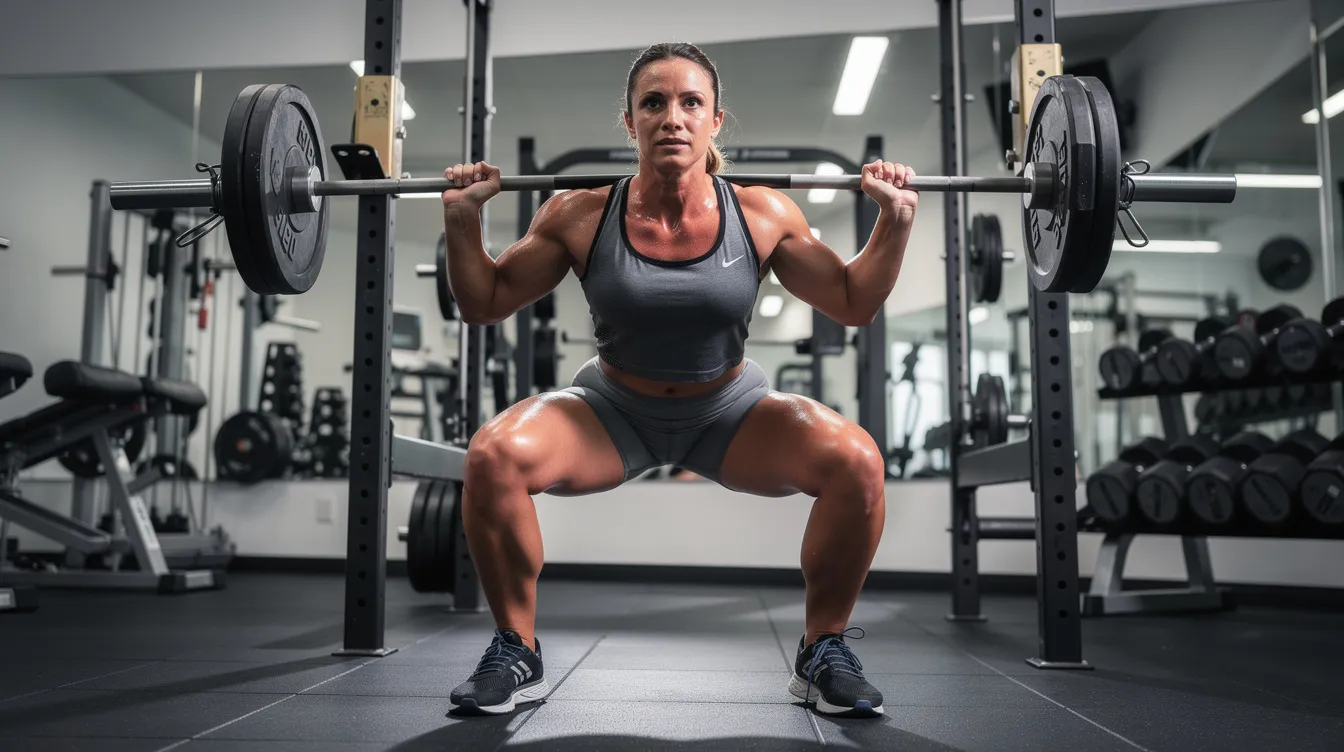
Body Weight, Nutrition, And Practical Strategies To Improve Your VO2 Max
Your body composition and nutritional habits affect VO2 max through multiple pathways. Strategic approaches to weight management and diet amplify the gains from exercise training.
Weight-Loss Strategies That Preserve Lean Mass
Optimal weight-loss preserves muscle while reducing fat. Target 0.5-1% body weight reduction per week through a 500-1000 kcal daily deficit. Faster loss risks muscle catabolism that undermines aerobic performance.
Each kilogram of fat lost can elevate relative VO2 by 2-4 mL/kg/min without any fitness improvement—your cardiovascular system simply has less tissue to supply. However, losing muscle alongside fat negates these benefits and reduces your body’s capacity to extract oxygen.
Key strategies:
- Prioritize protein intake at 1.6-2.2 g/kg of body weight daily
- Maintain resistance training throughout weight loss
- Accept slower scale changes in exchange for body composition improvements
- Track via DEXA or bioimpedance to monitor lean mass versus fat shifts
Nutritional Focus For Training Adaptations
Nutrition supports the metabolic adaptations that raise VO2 max. Focus on these evidence-based priorities:
Carbohydrate periodization: Consume 6-10 g/kg on high intensity days to maintain glycogen stores. Depleted glycogen compromises interval quality and limits the training stimulus needed for adaptation.
Omega-3 fatty acids: 2-3g daily of EPA/DHA supports mitochondrial function and reduces inflammation that impairs recovery.
Nitrates: Beetroot juice providing 400mg of nitrates offers 3-5% acute VO2 improvements through nitric oxide-mediated vasodilation. This enhances oxygen delivery to working muscles.
Adequate hydration: Dehydration reduces blood volume, compromising cardiac output and oxygen transport.
| Nutrient | Target | Primary Benefit |
|---|---|---|
| Protein | 1.6-2.2 g/kg/day | Preserves lean mass, supports recovery |
| Carbohydrates | 6-10 g/kg on training days | Maintains glycogen, fuels intensity |
| Omega-3s | 2-3g EPA/DHA daily | Mitochondrial function, anti-inflammatory |
| Nitrates | 400mg (beetroot juice) | Acute VO2 boost via vasodilation |
Tracking Body Composition
Body composition changes correlate with sustained VO2 gains when lean mass increases relative to fat mass. Schedule assessments every 4-8 weeks using:
- DEXA scans (gold standard for accuracy)
- Bioelectrical impedance scales (convenient, moderate accuracy)
- Skinfold calipers (requires trained technician)
- Waist circumference (simple proxy for visceral fat)
Correlate these measurements with performance metrics. If VO2 estimates rise while lean mass holds steady or increases, you are making genuine physiological progress rather than simply losing weight.
Cautions On Extreme Diets
Extreme dietary approaches can sabotage aerobic performance despite short-term weight loss.
Ketogenic diets (< 20% carbohydrates) show 10-20% VO2 max drops due to glycogen depletion. High-intensity efforts depend on carbohydrate availability, and chronically depleted stores limit training quality.
Very low calorie diets (< 1200 kcal) accelerate muscle loss, compromising both oxygen extraction capacity and metabolic rate. The scale may show progress while your fitness declines.
Intermittent fasting requires careful timing around training sessions. Fasted high intensity work often produces inferior adaptations compared to fueled training.
If attempting restrictive approaches, schedule periodic refeeds to restore glycogen. Monitor performance metrics alongside weight—if workout quality declines persistently, the diet is undermining your goals.
Testing, Tracking, And How To Improve Your VO2 Max Over Time
Systematic tracking transforms vague fitness goals into measurable progress. The right testing schedule and training template keep you on track without excessive monitoring burden.
Simple Field Tests For Routine Tracking
The Rockport 1-mile walk test offers a validated, repeatable option for most people. The formula incorporates multiple variables for reasonable accuracy:
VO2 max = 132.853 - (0.0769 × weight in lbs) - (0.3877 × age) + (6.315 × gender) - (3.2649 × time in min) - (0.1565 × post-walk HR)
Where gender = 1 for male, 0 for female.
Alternative field tests include:
- Cooper 12-minute run: Measure distance covered walking or running; longer distance indicates higher VO2
- Beep test: Progressive shuttle runs to exhaustion with standardized scoring tables
- 1-mile timed run: Faster times correlate with higher aerobic capacity
These tests show < 5% day-to-day variability when standardized for time of day, hydration status, and warmup protocol. Repeat monthly to track progress without excessive testing burden.
12-Week Training Template To Improve VO2 Max
This progressive template builds aerobic capacity systematically while managing intensity appropriately. Adjust durations based on your starting fitness level.
Weeks 1-4: Base Building
| Day | Session Type | Duration | Intensity |
|---|---|---|---|
| Monday | Zone 2 run/cycle | 30 min | 60-70% HR max |
| Tuesday | Rest or light walking | 20-30 min | Low |
| Wednesday | Zone 2 run/cycle | 30 min | 60-70% HR max |
| Thursday | HIIT: 4 x 30 sec hard / 90 sec easy | 20 min total | 85-90% HR max |
| Friday | Rest | - | - |
| Saturday | Zone 2 long session | 40 min | 60-70% HR max |
| Sunday | Active recovery | 20 min | Very low |
Weeks 5-8: Building Phase
| Day | Session Type | Duration | Intensity |
|---|---|---|---|
| Monday | Zone 2 run/cycle | 40 min | 60-70% HR max |
| Tuesday | Strength training | 30-40 min | Moderate |
| Wednesday | HIIT: 6 x 3 min hard / 3 min easy | 40 min total | 90-95% HR max |
| Thursday | Zone 2 run/cycle | 40 min | 60-70% HR max |
| Friday | Rest or yoga | - | Low |
| Saturday | HIIT: 5 x 2 min hard / 2 min easy | 25 min total | 90% HR max |
| Sunday | Zone 2 long session | 50 min | 60-70% HR max |
Weeks 9-12: Peak Phase
| Day | Session Type | Duration | Intensity |
|---|---|---|---|
| Monday | Zone 2 run/cycle | 45 min | 60-70% HR max |
| Tuesday | HIIT: 4 x 4 min hard / 3 min easy | 35 min total | 90-95% HR max |
| Wednesday | Zone 2 run/cycle | 45 min | 60-70% HR max |
| Thursday | Strength training | 30-40 min | Moderate |
| Friday | HIIT: 6 x 2 min hard / 2 min easy | 30 min total | 90-95% HR max |
| Saturday | Zone 2 long session | 60 min | 60-70% HR max |
| Sunday | Rest | - | - |
Meta-analyses show average 15% VO2 gains following similar 12-week progressions. Individual results vary based on starting fitness, genetics, recovery quality, and adherence.
When To Repeat Lab-Based Testing
Schedule clinical CPET reassessment every 6-12 months if tracking progress precisely or managing health conditions. For stable, recreational athletes, biennial testing provides sufficient data.
Consider earlier retesting if:
- Training produces unexpected results (positive or negative)
- Health status changes significantly
- New symptoms emerge during exertion
- Major body composition shifts occur
Field tests fill the gaps between laboratory visits, providing enough time for real physiological changes to manifest while maintaining awareness of trends.
Messaging For Clinicians About VO2 And Longevity
Healthcare professionals increasingly recognize VO2 max as a “fitness vital sign” deserving routine assessment. When advising patients:
- Frame cardiorespiratory fitness as modifiable and powerful for reducing risk
- Target >35 mL/kg/min as a minimum longevity threshold for most adults
- Integrate wearable data as interim trend tracking between clinical assessments
- Emphasize that small improvements yield meaningful mortality reductions
- Screen for low cardiorespiratory fitness as actively as other risk factors
The evidence positions VO2 max among the strongest predictors of longevity—stronger than hypertension, diabetes, or smoking status in many analyses. Communicating this to patients motivates adherence to exercise prescriptions.
Practical Takeaways And Next Steps
Translating knowledge into action determines whether reading this article affects your life. Here are concrete steps to begin this week.
Four Action Steps To Start Now
- Schedule a baseline measurement: Complete a Rockport walk test or Cooper 12-minute test this week. Record your result, heart rate, and the conditions. This establishes your starting point for tracking improvement.
- Commit to minimum effective volume: Begin with 150 minutes of moderate aerobic exercise per week plus one HIIT session. This represents the threshold where meaningful adaptations begin for most people.
- Log nutrition with purpose: Track protein intake for one week to ensure you reach 1.6 g/kg body weight daily. Adequate protein preserves muscle during training stress and supports recovery.
- Monitor weekly body composition trends: Use consistent weigh-ins (same time, same conditions) alongside waist measurements. Track the relationship between weight changes and exercise performance.
Physician Consultation
Before beginning intense training, consult with a physician if you:
- Are over age 45 without recent cardiac screening
- Have known heart disease or coronary artery disease risk factors
- Experience symptoms during exertion (chest pain, unusual shortness of breath, dizziness)
- Take medications that affect heart rate or blood pressure
- Have diabetes or other metabolic conditions
Undiagnosed cardiovascular issues elevate exercise risks approximately 5-fold. A brief medical evaluation provides clearance and may identify conditions that modify your optimal training approach.
Resources For Further Reading And Testing
Educational resources:
- American College of Sports Medicine (ACSM) exercise guidelines
- Peter Attia’s The Drive podcast episodes on fitness and longevity
- Journal of Applied Physiology for primary research
Testing locations:
- Hospital-based sports medicine departments
- University exercise physiology laboratories
- Specialized fitness testing centers
- Some cardiac rehabilitation facilities
Tracking tools:
- Heart rate monitor for accurate intensity zones
- GPS-enabled watch or phone for field tests
- Body composition scale for trend monitoring
Your VO2 max today shapes your functional capacity for decades to come. Each percentage point improvement represents reduced risk of cardiovascular disease, maintained independence as you age, and more energy for the activities that matter to you.
The relationship between aerobic fitness and longevity is clear. The training principles are established. The measurement tools are accessible. What remains is consistent action—showing up for the workouts, fueling appropriately, and tracking progress over enough time for adaptation to occur.
Start with your baseline measurement, follow a structured approach, and reassess in 12 weeks. The improvements you achieve will compound across your lifetime.
Related reading
- Best Biological Age Test Guide: How Biological Age Tests Work And Compare
- CGM for Longevity: A Practical Guide to Continuous Glucose Monitoring and Blood Sugar Control
- HRV and Longevity: Evidence, Measurement, and Implications for Healthy Aging
- DEXA Scan Longevity Guide: Body Composition, Bone Health, and Metabolic Rate